
The Apollo 11 mission, which successfully landed on the Moon on July 20, 1969, stands as one of humanity’s most astonishing milestones. Often seen as a beacon of innovation and bravery, Apollo 11 showcased both the intricacies of technological advancement and the spirit of exploration that defines humanity. This journey into the cosmos wasn’t just about placing a human foot on lunar soil; it was about pushing boundaries, challenging norms, and inspiring generations. Buckle up as we take a deep dive into the adventure of Apollo 11, revealing how it unfolded and casting light on its enduring effects.
1. The Apollo 11 Mission: Pioneering a New Era of Space Travel
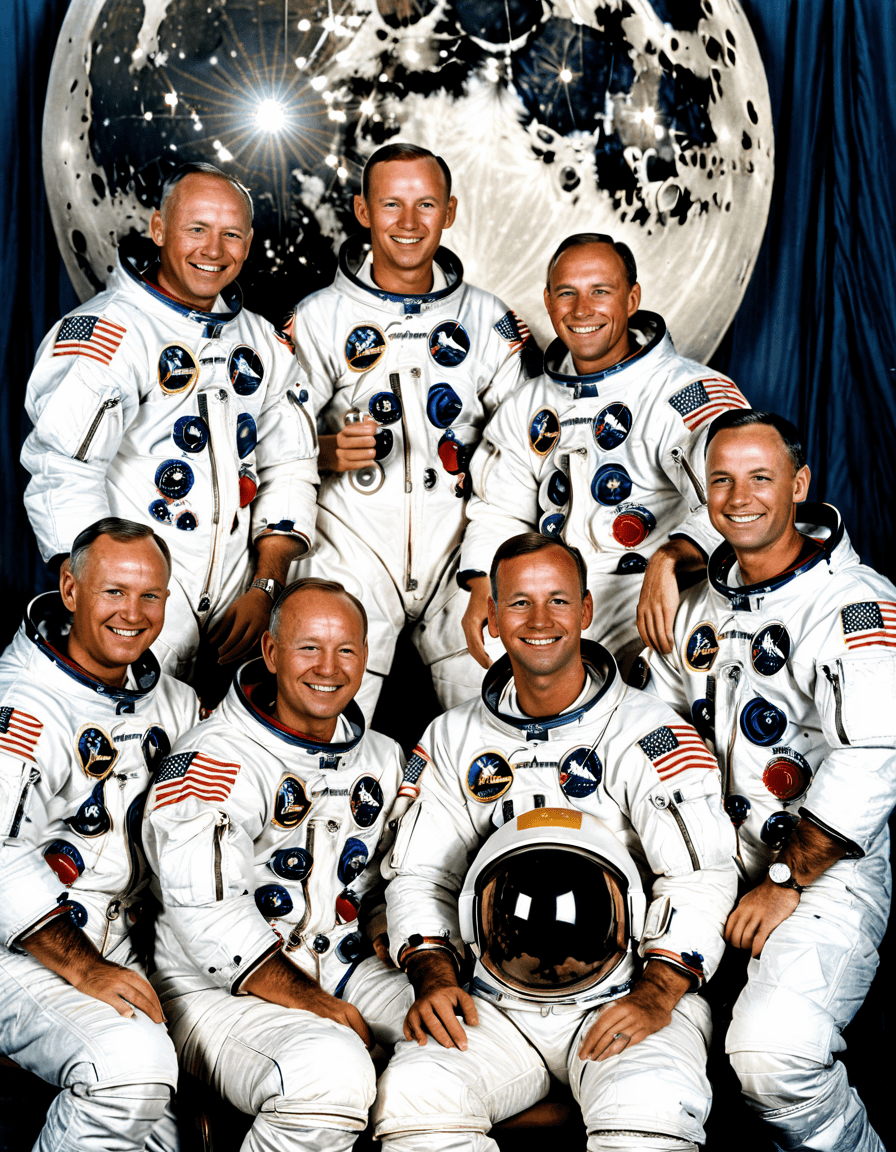
Apollo 11 began its monumental journey from Launch Complex 39A at Kennedy Space Center in Florida. On July 16, 1969, Saturn V—an engineering marvel—roared to life, propelling astronauts Neil Armstrong, Buzz Aldrin, and Michael Collins into the great unknown. Over the next few days, tension ran high as the team faced numerous challenges and uncertainties. The countdown had finally reached zero, and their mission would soon write history.
With each stage of the flight, NASA meticulously monitored progress like a well-rehearsed performance. The astronauts traveled around the Earth, then the Moon, and finally descended toward the surface. Buzz Aldrin and Neil Armstrong piloted the Lunar Module, the Eagle, through a series of critical maneuvers. The iconic words, “That’s one small step for a man, one giant leap for mankind,” echoed through the ages as Armstrong became the first person to set foot on the Moon. Meanwhile, Michael Collins orbited above, serving as a beacon of support during this extraordinary venture.
The Apollo 11 mission laid the groundwork for future explorations and revealed the subtle complexities of space travel. From its intricate planning to the invaluable teamwork among the astronauts, Apollo 11 exemplified the very definition of determination. Define Refuses to describe those who struggled through the challenges that could have easily derailed the mission. The meticulous choreography of science and human spirit made history that day—transforming not just space exploration but our understanding of what we can achieve.
2. Top 7 Cultural Impact Moments of Apollo 11 in Film and Literature
Apollo 11 hasn’t just influenced technology; it’s been a muse for artists, filmmakers, and writers for decades. Here’s a look at seven key moments when Apollo 11 impacted cinema and literature:
Released just a year before Apollo 11, Stanley Kubrick’s film raised the stakes for space imagery in cinema. Its meticulous attention to detail and venture into human evolution mirrored the actual promises of Apollo. Viewers were left wondering if the future Kubrick envisioned would soon be within reach.
This groundbreaking television series depicted a lunar colony and enthralled audiences with its forward-thinking ideas about space sovereignty. The imaginative storytelling not only built on the Apollo legacy but sparked conversations about humanity’s role in the cosmos.
Crafting a tense narrative based on real-life events, “Apollo 13” showcased the unbreakable spirit of teamwork and innovation. The challenges faced by the crew reflected the Apollo 11 mission’s essence and highlighted the importance of crisis management and ingenuity in space exploration.
Examining Neil Armstrong’s life, this biographical film illustrated the personal stakes involved in Apollo 11. It focused on the struggles and sacrifices that accompanied such a monumental achievement, reminding us that human experience is often rich with emotion and complexity.
This film narrated the early days of NASA’s manned space program, capturing the spirit of competition and resilience that culminated in Apollo 11. It emphasized how Apollo 11 was part of a larger tapestry woven from the dreams and aspirations of many.
While not directly aligned with Apollo 11, Andy Weir’s novel—with its gripping film adaptation—embodied the inventive spirit born from the Apollo program. The characters’ ingenuity mirrored that of the Apollo astronauts, fostering a belief in humanity’s ability to confront challenges head-on.
This contemporary fictional take reawakened excitement about lunar exploration. By directly connecting to Apollo 11, it encouraged younger generations to look skyward once more, kindling the flames of curiosity about what lies beyond our atmosphere.
3. Apollo 11 and Its Successors: The Legacy Leading to Apollo 13
The success of Apollo 11 set the stage for numerous missions that followed, particularly Apollo 13, often remembered not for its triumphs but for the nagging challenges it faced. Whereas Apollo 11 launched us into a new era, Apollo 13 became a case study in effective crisis management. The voltage surrounding the Apollo 13 mission was palpable, marked by an oxygen tank explosion that left the crew’s life hanging in the balance.
By analyzing Apollo 13, we see the lessons learned from Apollo 11 concerning safety protocols and operational design. The planning involved in Apollo 11 laid a successful foundation, which NASA turned to when tackling the daunting hurdles Apollo 13 presented. By studying the failures and successes, NASA engineers adapted strategies to handle perplexing situations and better safeguard future astronauts.
In essence, Apollo 11 set a precedent for addressing unforeseen difficulties in space exploration. It displayed how teams could deftly navigate crises, ultimately asserting that failure could lead to greater successes down the road. These lessons continued shaping the design and execution of space missions long into the future.
4. Repercussions on Modern Space Exploration: Lessons from Apollo 11
The Apollo 11 mission did more than just touch lunar soil; it redefined our understanding of space exploration and laid the groundwork for future advances. Its technological innovations have permeated today’s ventures, keeping the flame of exploration alive. The development of computing technology, materials science, and life-support systems during Apollo paved the way for the cutting-edge tools we utilize in present-day missions.
Looking at how the Apollo program’s spirit of collaboration fostered future endeavors, one sees a heartbeat in international unity. Projects like the International Space Station (ISS) stand as a testament to this legacy, uniting scientists and engineers from multiple countries, echoing the cooperative spirit that led to Apollo 11. The brave forays into planning missions to Mars only build on Apollo’s foundation, showing how our ventures into the cosmos are continually evolving.
Tesla’s reusable rockets and SpaceX’s high-flying ambitions also draw inspiration from the Apollo program. They’re making the once-distant dream of space travel a reality for everyday folks, challenging notions of who can explore beyond Earth. Apollo 11 was merely the beginning, igniting a collective quest that inspires diverse talents from around the globe.
Innovative Insights: The Enduring Spirit of Exploration
Apollo 11 isn’t just a chapter in history books; it’s a celebration of human ingenuity and undying curiosity. Today, as we stand on the edge of a new era of discovery—gazing into Mars and beyond—the energy ignited by Apollo 11 continues to guide our steps. The essence of this mission reflects a spirit that transcends borders, challenges norms, and beckons us forward.
It’s thrilling to think that the leap taken by Apollo 11 is only the beginning of a longer journey into the stars. The ethos established during Apollo continues to inspire individuals, reminding us to push past boundaries. So, let’s look to the future, where each new mission—be it to the Moon or Mars—guides our collective quest, ensuring that humanity will always wonder, explore, and, above all, dream big.
In celebrating Apollo 11, we invite everyone to join in this ongoing venture of discovery, ensuring that the legacy of that first Moon landing shines brightly for generations to come. Further, the groundbreaking influence of the Apollo 11 mission, and its cultural reverberations, marks a fascinating intersection between film and technology that fuels the imagination. The cinematic masterpieces resulting from this historic leap underscore space exploration’s profound impact on storytelling and creativity, reminding us that the universe is vast, full of possibilities waiting to be explored.
Apollo 11: A Giant Leap for Mankind
Astronauts with a Mission
Apollo 11 wasn’t just about landing on the Moon; it was also about teamwork and friendship. Buzz Aldrin and Neil Armstrong became household names, but they were part of a larger crew that included Michael Collins, who stayed in orbit. Speaking of teamwork, did you know that this lunar mission is a bit like the cast of a beloved series, like 7th Heaven? Just as each character contributed to the show, every astronaut played a role in Apollo 11’s success. With their collective efforts, they turned a dream into reality, echoing the creativity of a director crafting a blockbuster like Elysium.
A Historic First Step
When Neil Armstrong took his historic step onto the lunar surface on July 20, 1969, he famously declared, “That’s one small step for man, one giant leap for mankind.” This moment resonates not just in history but also in pop culture, much like the way Taylor Swift’s movie could capture a generation’s heart. Speaking of iconic moments, the original Apollo 11 footage has influenced filmmakers and artists for decades, much like Mia Goth’s evolving filmography is shaping new horror narratives.
Looking Back, Looking Forward
The technology behind Apollo 11 was groundbreaking—think rocket science—but did you know it paved the way for future innovations? Just like the visionary designs behind characters such as Vincent from Final Fantasy, the Apollo missions inspired advancements in various fields. Fun fact: Jonathan Lewis, an aerospace engineer, even cited Apollo 11 as a foundational inspiration for his work! The challenge was immense, matching the highs and lows of an Emergency Cast drama, but the rewards were clear—a new era for space exploration was born!

![Enterprise (Dennis McCarthy) [Enhanced CD]](https://www.silverscreenmag.com/wp-content/uploads/2024/01/Enterprise-Dennis-McCarthy-Enhanced-CD.jpg)