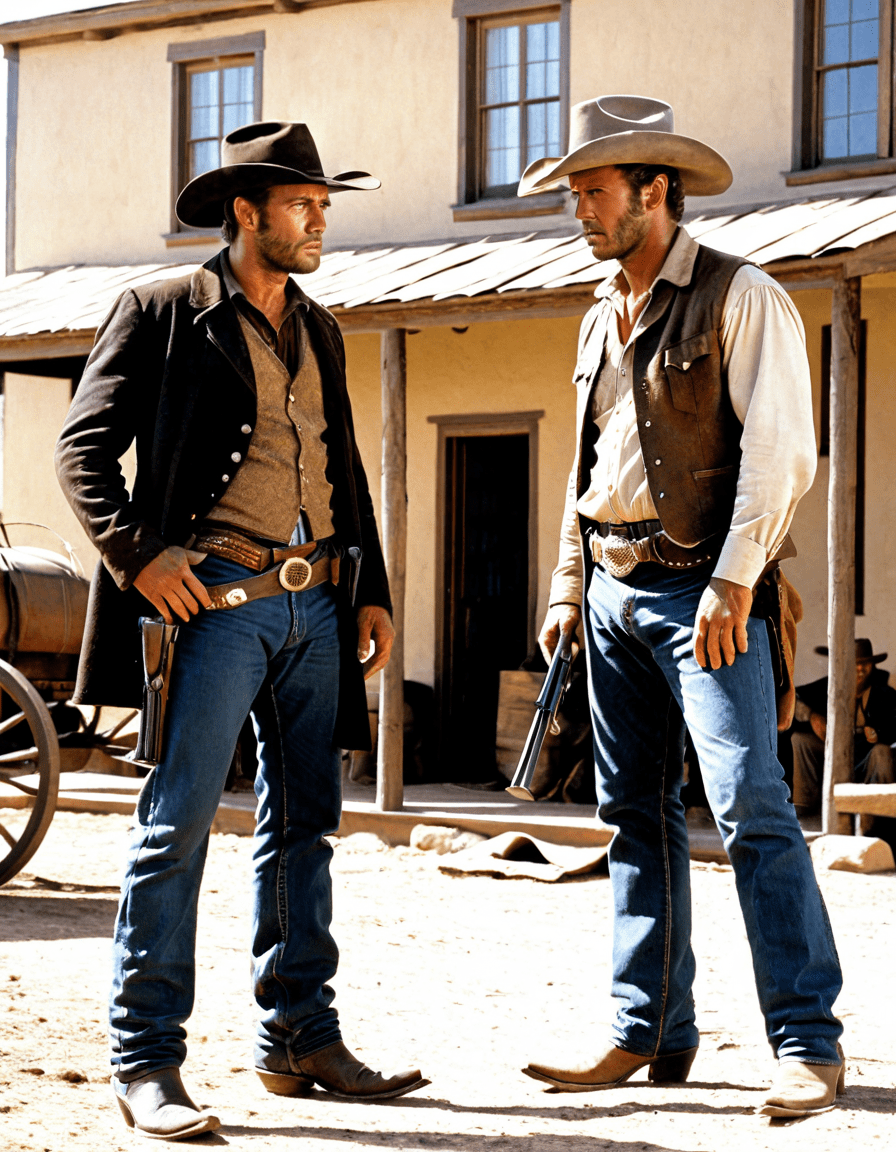
The Good, The Bad And The Ugly stands as a towering achievement in film history; its echo can be felt even today in the artistry of modern cinema. Crafted by the illustrious director Sergio Leone in 1966, this epic Western is lauded for its unique storytelling, engaging characters, and unforgettable score. With such a lasting impact, it’s essential to delve into the intricacies that make The Good The Bad And The Ugly a must-see cinematic treasure.
1. The Good: Elements that Define a Cinematic Masterpiece
To grasp why The Good The Bad And The Ugly is such a cherished film, one must examine its myriad of standout elements.
1.1 Direction and Vision
Sergio Leone’s directorial finesse shapes the film from start to finish. His signature style, blending expansive, awe-inspiring landscapes with tight, intense close-ups, creates an immersive viewing experience. Leone’s ability to visualize the Wild West isn’t just about wide-open spaces; it’s about the tension in the air as characters face their destinies. Partnered with the legendary composer Ennio Morricone, the iconic score heightens every moment. Those haunting melodies are forever etched in our memories, creating a unique soundscape that complements the visual feast.
1.2 Narrative Structure
At the heart of The Good The Bad And The Ugly lies its tripartite narrative. The film follows three complex characters: Blondie (The Good), Angel Eyes (The Bad), and Tuco (The Ugly). Each embodies contrasting traits that amplify the moral ambiguity of the Wild West. They ain’t just archetypes; they reflect the darker facets of human nature—betrayal, loyalties, and survival become tangible as their paths intertwine. This structure adds depth and showcases the emotional stakes involved, resonating with audiences who find themselves drawn to stories of moral dilemmas and gritty realism.
1.3 Cinematography
The film’s visual storytelling owes much to cinematographer Tonino Delli Colli. The sweeping desert landscapes serve as both a backdrop and a character in their own right. Delli Colli uses a rich tapestry of colors and shadows, highlighting the emotional arcs of the characters against the harshness of their environment. The scenes in the desolate plains or dusty towns aren’t just pretty pictures; they emphasize themes of loneliness and desolation. This marriage of content and visual art contributes to the film’s status as, undeniably, a cinematic experience to remember.

2. The Bad: Aspects that Could Have Been Improved
While The Good The Bad And The Ugly is hailed as a masterpiece, certain aspects provoke critical discussion, leaving room for debate on its execution.
2.1 Pacing Concerns
One of the most frequently mentioned critiques is the pacing. Some moments feel drawn out, particularly when contrasted with the brisk storytelling that audiences often expect now, much like the quick-cut style seen in The Young And The Restless. Viewers used to rapid plot progression might find themselves antsy during the slow build-ups. However, these slow moments are deliberate choices by Leone, giving weight to the storytelling.
2.2 Overly Simplistic Morality
The film’s characters, while iconic, can seem one-dimensional. Blondie’s unwavering goodness, Angel Eyes’s villainy, and Tuco’s morally gray tendencies lend themselves to a black-and-white morality that some critics argue lacks depth. Today’s storytelling, influenced by shows like Breaking Bad, often explores characters with complex moralities that challenge our perceptions. The Good The Bad And The Ugly offers a clear-cut dichotomy that may not satisfy younger audiences seeking richer character studies.
3. The Ugly: Critique of Iconic Moments
Even a beloved classic like The Good The Bad And The Ugly has moments that some find less appealing, impacting how audiences perceive its legacy.
3.1 The Climax and Resolution
The climactic showdown in the cemetery provides an unforgettable visual, but it can come off as overly dramatic and somewhat theatrical. Comparatively, modern narratives like Ozark exhibit tension through subtlety rather than spectacle. The grandiose nature of the final standoff might feel more contrived than organic, jarring against today’s more nuanced storytelling styles.
3.2 Ethical Dilemmas
The film dives deep into the themes of violence and greed, portraying them as inextricable facets of the human experience. While this moral ambiguity has sparked important discussions, it may unsettle viewers who prefer clearer narratives. The tension between right and wrong mirrors narratives in many contemporary series, but The Good The Bad And The Ugly sometimes teeters into glorifying violence—a trait that doesn’t sit well with everyone.

4. Legacy: Influencing Future Generations
The influence of The Good The Bad And The Ugly stretches far beyond its initial run, leaving an imprint that continues to inspire filmmakers and fans alike.
4.1 Iconic Influences in Popular Culture
The film’s impact on the Western genre and modern cinema cannot be overstated. Its themes of betrayal, loyalty, and moral conflict have inspired a diverse range of filmmakers from Quentin Tarantino in Django Unchained to iconic Duos in countless other films. The ability to explore characters deeply flawed connects to the ongoing fascination with anti-heroes, providing fertile ground for storytelling that echoes through cinema history.
4.2 The Western Revival
Recently, shows like Westworld signify the Western genre’s revival, looking back on timeless themes crafted by Leone. The blend of mythology and realism in modern narratives owes a debt to The Good The Bad And The Ugly. This ongoing exploration of morality and grit continues to resonate with audiences, illustrating the film’s lasting relevance.
5. Closing Thoughts on A Timeless Classic
In summary, The Good The Bad And The Ugly serves as a masterclass in the art of filmmaking. Its ability to blend stark moral narratives within a captivating cinematic experience speaks volumes about its legacy. With its strengths and flaws laid bare, it invites an ongoing dialogue among fans and critics alike. As cinema evolves, this classic continues to inspire, ensuring it remains an integral part of the conversation around storytelling, ethics, and the very fabric of human experience—proving that there’s plenty more to explore with the good, the bad, and definitely the ugly of this timeless film.
As we reflect on The Good The Bad And The Ugly, we can appreciate how it transcends its era, leaving a lasting footprint that’ll continue to shape our understanding of the cinematic landscape for years to come.
The Good The Bad And The Ugly: Fun Trivia and Interesting Facts
A Name with a Legacy
Did you know that the original title for what we now call The Good The Bad And The Ugly was “The Magnificent Three”? It’s a fun twist considering how iconic the final name became in cinema history. The movie wasn’t just about three characters; it redefined the Western genre by adding layers of moral ambiguity—a hallmark of director Sergio Leone’s work. Talk about cinematic impact! Speaking of influential directors, if you’re intrigued by varied styles, you might want to dive into the works of Stanley where you can see a master filmmaker’s unique vision come alive.
Iconic Soundtrack That’s Hard to Forget
The soundtrack, composed by Ennio Morricone, is another gem that deserves a shout-out. It’s almost impossible to forget that haunting whistle or the dramatic score that sets the stage for every standoff. Morricone’s music isn’t just background noise; it’s an integral part of the storytelling that elevates every scene. Fans of gripping narratives can also check out Berserk: The Golden Age Arc for another auditory adventure! And for those interested in how sound shapes a story, it’s fascinating to consider soundtracks, like the ones from Godzilla Monis One, which also leave an unforgettable mark.
Behind-the-Scenes Gold
Here’s a tasty nugget: the famous three-way showdown at the end didn’t come easy. Leone was known for his elaborate planning and shots, sometimes requiring multiple takes. But once it hit the screen, it cemented its place in film history. This meticulous attention to detail has influenced countless filmmakers. If you like visual storytelling, you might enjoy the cinematic experience of Sisu, which also showcases incredible direction. And for a bit of escapism, it’s worth checking out how to watch Los juegos del hambre, as adaptation can bring tales to life in ways you never expected.
In retrospect, The Good The Bad And The Ugly is more than just a film; it’s a cultural milestone. With these little-known facts, we see how filmmaking can thread interesting connections with various genres and styles, making it a fantastic topic of discussion for movie buffs. Plus, don’t forget to explore other cinematic endeavors like Bloom, which illustrates how richly diverse storytelling can be in movies.