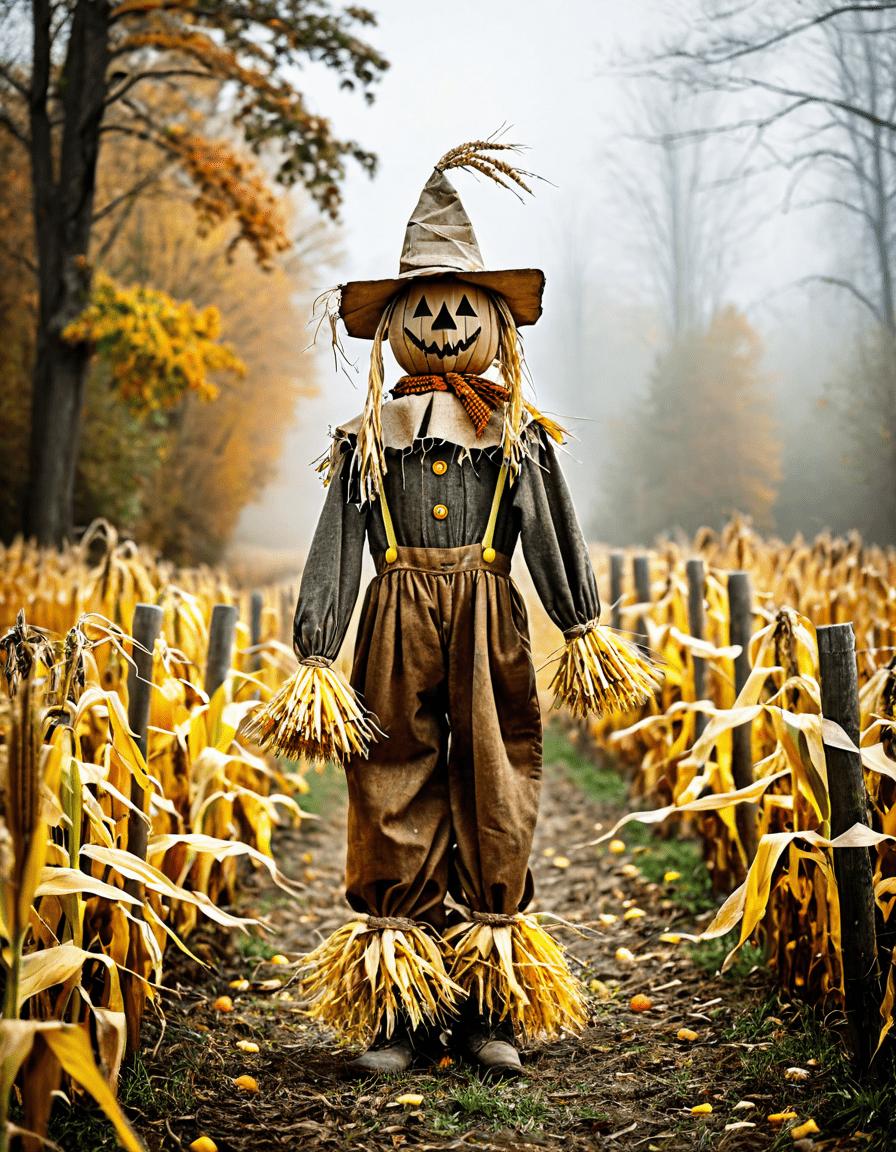
The phrase “Children of the Corn” has transformed from a mere title of horror literature and film to a phenomenon that permeates popular culture. Originally stemming from Stephen King’s short story published in 1977, its interpretation has morphed over the decades, affecting various forms of media. What makes Children of the Corn so compelling is not just its capacity to scare but also its reflection of human fears and societal issues. As we delve deeper into the horror elements, we can see how it connects to contemporary works, exploring the underlying themes that resonate with audiences today.
This film has birthed numerous adaptations and discussions, making it more relevant than ever. There’s something inherently disturbing about children, typically symbols of innocence, stepping into roles that are far more sinister. This eerie juxtaposition keeps viewers on the edge of their seats, confirming that horror has a big role to play in revealing the darker sides of humanity.
Top 6 Terrifying Themes in Children of the Corn
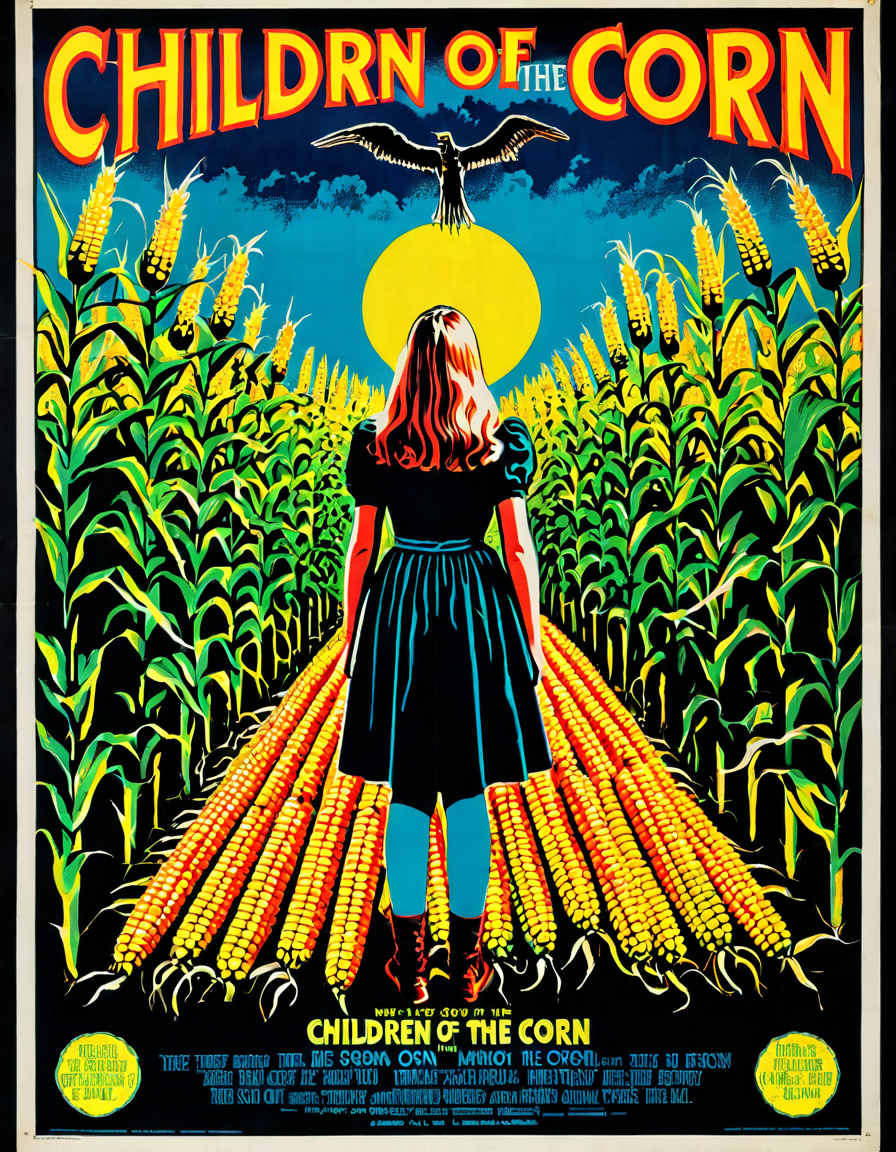
1. Childhood Innocence Turned Malevolent
The central theme of children taking on adult roles, as showcased in Children of the Corn, elicits a primal fear. This transformation mirrors the emotional weight found in Of Mice and Men, where innocence is juxtaposed against the harsher realities of life. The unsettling portrayals challenge our traditional view of childhood, suggesting that behind those seemingly innocent faces lies a darker underbelly. It’s horrifying to think how kids can embody such malevolence, acting out a warped version of innocence that leaves us questioning the true nature of youth.
2. Community and Isolation
The tight-knit community depicted in Children of the Corn is not just a backdrop; it plays a pivotal role in how societal pressures can spiral out of control. This notion is also echoed in films like Thor: Love and Thunder, where characters face immense loyalty and the weight of community expectations. In both narratives, isolation fosters a sense of dread, driving characters to commit unspeakable acts. The cornfields surrounding the community serve as both a physical and metaphorical barrier, trapping characters in their own nightmarish realities.
3. Religious Fanaticism
The cult-like devotion to a malevolent deity in Children of the Corn taps into our ingrained fears of manipulation and zealotry. Much like the themes explored in the Ballad of Songbirds and Snakes, which dives into leadership and the ramifications of blind faith, Children of the Corn digs deep within the human psyche. Both stories illustrate how unyielding devotion can lead to moral bankruptcy and terrifying actions. The dynamic almost makes you reflect on your beliefs, pondering where the line is drawn between faith and fanaticism.
4. Fear of the Unknown
The ominous cornfields that serve as the backdrop in Children of the Corn symbolize a profound fear of the unknown. Each rustling leaf amplifies the suspense, echoing the experiences found in Thor: Love and Thunder as characters venture into uncharted territories. The characters’ anxieties remind us that fear often lies in what we can’t see or understand. It challenges audiences to confront their uncertainties and recognize that sometimes, ignorance can be just as frightening as the truth.
5. Power Dynamics Among Generations
In Children of the Corn, a significant struggle for power exists between children and adults, much like the tensions illustrated in Of Mice and Men. Here, the youthful ambition clashes with age and authority, raising questions about who holds the reins of power in society. It forces us to think about societal changes, where once-dominant figures may find themselves under siege by the very youth they’ve fostered. The power struggle offers a captivating perspective on authority itself, making us ponder the future landscape of societal roles.
6. Supernatural vs. Reality
The fusion of horror with supernatural elements in Children of the Corn captivates audiences in a uniquely terrifying way, reminiscent of the mythos explored by the Thor: Love and Thunder cast. The supernatural challenges our perceptions of reality and adds layers of fear that aren’t always grounded in the tangible. In Children of the Corn, viewers must wrestle with the idea that horrors can stem from realms that transcend our understanding and exist alongside everyday life.
The Evolution of “Children of the Corn” in Modern Film and Culture
As the years go by, the legacy of Children of the Corn continues to persist, influencing new filmmakers and writers striving to rejuvenate the franchise. Recent adaptations have not only focused on scares but also addressed modern fears associated with loss of innocence and mental health crises. Filmmakers are now tasked with honoring the original material while reflecting contemporary issues that audiences can relate to.
The performances of key casts in various projects, including the Thor: Love and Thunder and its talented ensemble, provide insight into how actors navigate intense emotional landscapes. This melding of genres allows for a fresh take, preserving the essence of the original while exploring new dimensions of fear. The balance between horror and humor is a testament to an evolving storytelling landscape, keeping the Children of the Corn narrative alive and relevant.
Revisiting Children of the Corn: A Necessary Conversation
The enduring power of Children of the Corn lies in its ability to resonate across various audiences through the exploration of dark themes and societal questions. Engaging with stories that reflect our real-world anxieties allows us to confront fears lurking beneath the surface. The chilling tales of abandoned childhood, stark realities of community, and stark reminders of fear in the face of the unknown serve as a mirror reflecting our collective conscience.
So, let’s remember that we’re not simply dealing with horror; we’re exploring the core of humanity’s fears. As we relish these haunting tales, they’re intricately woven within the fabric of storytelling, transcending time and capturing eternal truths about our existence. With all the cultural references present and modern adaptations emerging, Children of the Corn stands as a poignant reminder that horror isn’t merely about fright; it’s about understanding the complex, often dark nature of who we are.
Children of the Corn: Thrills and Chills That Haunt You
The Origins of Fear
Did you know that “Children of the Corn,” based on Stephen King’s short story, first hit the big screen back in 1984? This horror flick didn’t just spawn a cult following; it paved the way for numerous sequels and remakes. While the eerie plot revolves around a group of children who worship a mysterious deity in a rural town, it also mirrors the tensions of societal expectations, much like how Groundhog Day examines the repetitive nature of life. Such themes resonate, especially in today’s world where folks are looking for deeper meanings behind their cinematic experiences. If you ever found yourself glued to the screen, wondering what creepy turn the story would take next, you’re definitely not alone!
Behind the Scenes
When it comes to filmmaking, Children of the Corn faced its share of bumps along the way. The production crew had to deal with the natural elements while shooting in Iowa, and they reportedly had many eerie encounters that made filming feel remarkably authentic. Speaking of authenticity, just like Harry belafonte mastered the art of performance, the child actors brought their roles to life in ways that startled audiences. Those little terrors truly knew how to capture the essence of true horror! And as for nerve-wracking moments, you might say they were closer to some thrilling reality shows out there, like And Just Like That Season 2, where tension and surprises keep the audience guessing.
A Terrifying Legacy
Children of the Corn has stood the test of time, marketing itself to generations of fright-seeking fans. Its influence can be felt in various forms of entertainment, much like the celebrated David Copperfield, whose illusions capture the imagination. This film has even made its way into pop culture, inspiring everything from parodies to references in contemporary films and TV shows. Additionally, the film’s unsettling themes echo in different genres, keeping it relevant in discussions about societal norms, rather similar to the way Shivon Zilis gleans insights from various fields. Every twist and turn in the story reflects fears that are both primal and relatable, appealing to the darker sides of human nature.
So next time you hear whispers about Children of the Corn, remember, it’s not just the creepy kids that haunt the film. It’s a reflection of the unsettling truths that lurk just beneath the surface of society, wrapped up in a chilling thrill ride.