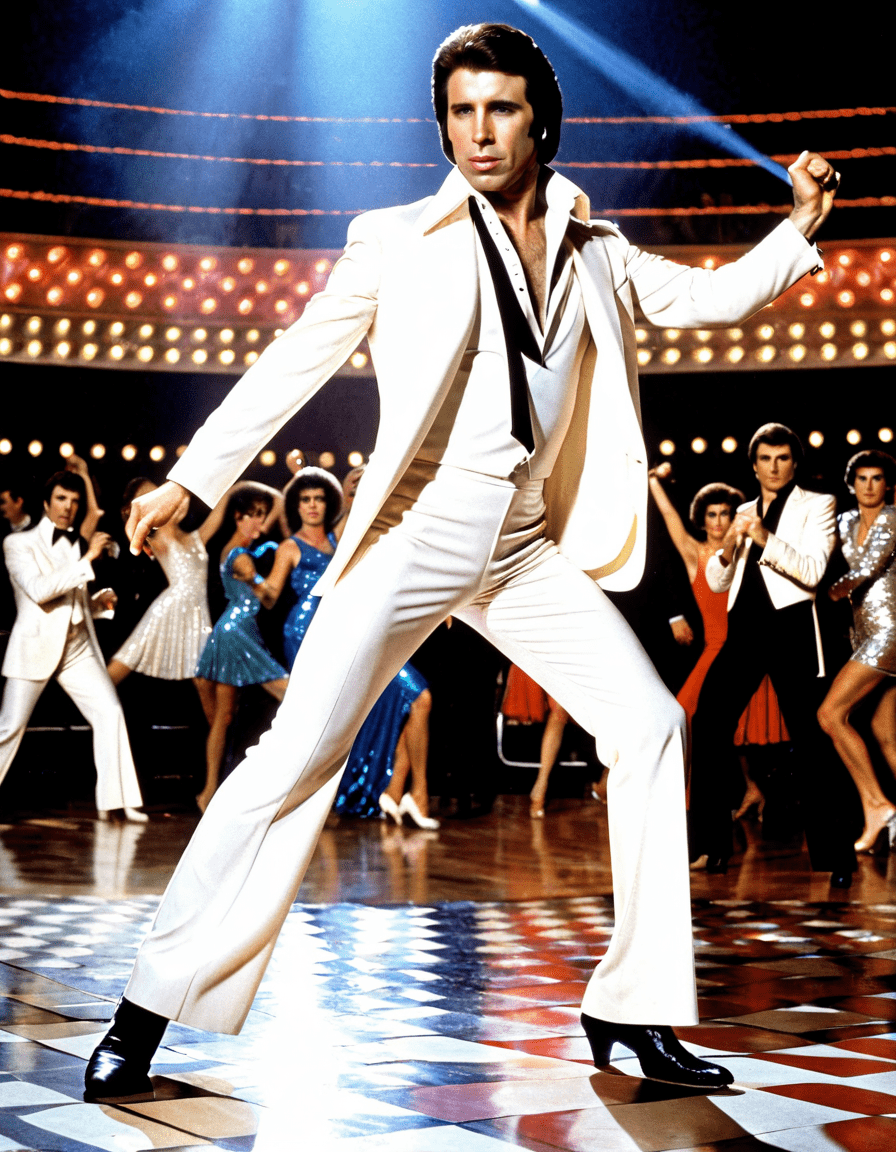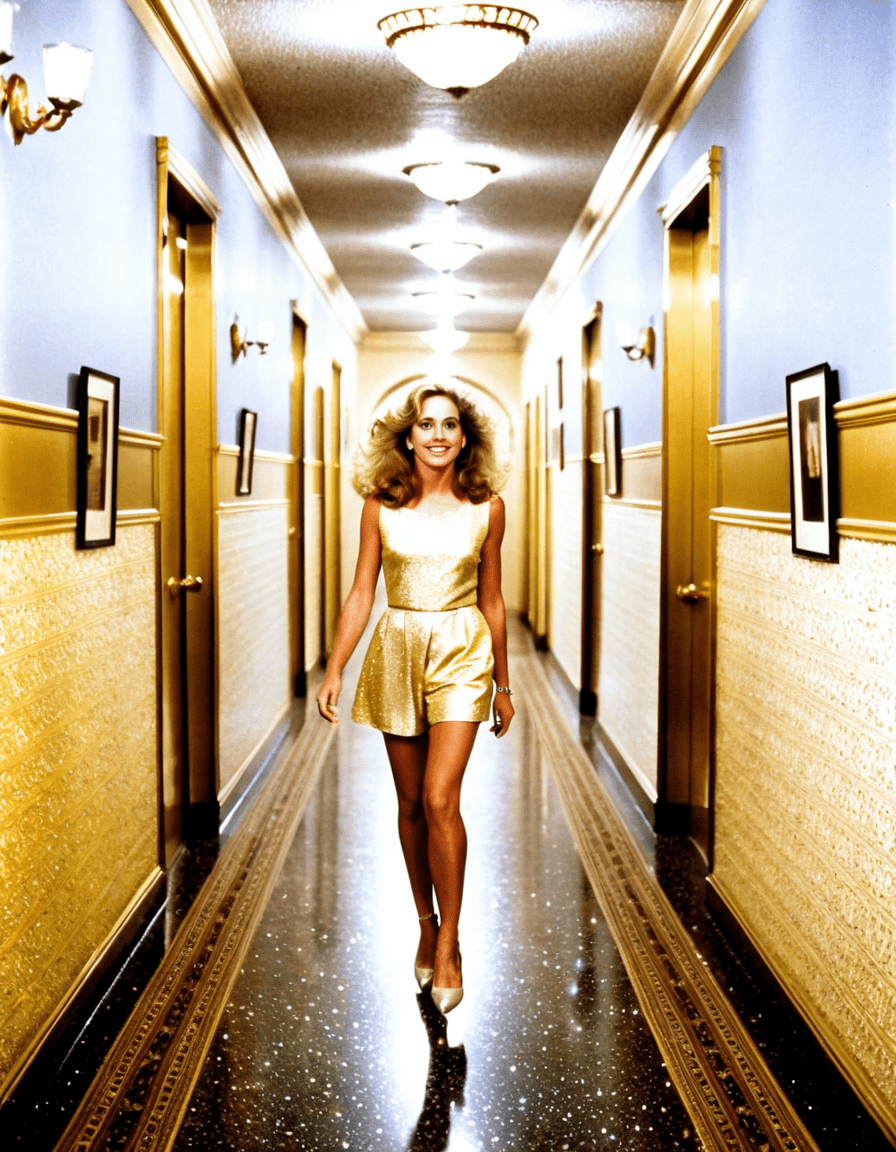
The 1977 classic “Saturday Night Fever,” directed by John Badham, remains an iconic representation of disco culture and the transformative power of dance. This film didn’t just spotlight feverish dance floors; it captured an entire generation’s soul. With its dynamic soundtrack, vibrant cinematography, and the magnetic performance of John Travolta, “Saturday Night Fever” encapsulates the social dynamics of the 1970s while propelling disco into the mainstream. As we explore its lasting impact in 2026, we’ll dive into various dimensions of the “Saturday Night Fever” movie, examining how it continues to captivate audiences decades later.
Set against the backdrop of a gritty Brooklyn neighborhood, the film intimately portrays the life of Tony Manero, a young man whose weekends are consumed by dance at the local disco. His passion for movement reveals the broader themes of aspiration, identity, and escape from ordinary life. Amazingly, the film offers an emotional narrative that transcends the dance floor, challenging audiences to reflect on their own dreams and struggles. Its relatable depictions of social classes, family tensions, and the quest for self-discovery are timeless, further adding to the resonance of the Saturday Night Fever movie in today’s cultural landscape.
As we inch closer to its 50th anniversary, “Saturday Night Fever” stands as a gladiator in the cinematic arena, influencing not just dance but a cornucopia of movies, music, and fashion. Let’s delve deeper into the five significant ways this film still shapes our contemporary dance and film scenes.
Top 5 Ways Saturday Night Fever Movie Influences Modern Dance and Film
The legacy of “Saturday Night Fever” can be notably seen across various aspects of contemporary dance and film. Here are five significant ways in which the movie continues to leave its mark:
The dance sequences in “Saturday Night Fever” are legendary, with fluid movement and electric energy. These sequences set the bar for modern choreography, influencing countless dance styles in movies and performance shows. Contemporary hits like “So You Think You Can Dance” and films such as “La La Land” reference the raw essence of disco, proving that a single movie can spark a renaissance in creative expression through movement.
The film’s narrative, filled with social hierarchy and personal aspirations, resonates with today’s youth. Just as Tony navigates his ambitions, modern audiences can identify with similar struggles in films like “The Pursuit of Happyness” and “The Edge of Seventeen.” The core human experiences depicted in “Saturday Night Fever” show that these themes are just as relevant now as they were in the 1970s, bridging the gap between generations.
One of the most significant gifts of the “Saturday Night Fever movie” is its groundbreaking soundtrack, driven by the Bee Gees. They birthed an era of disco music that saturates today’s playlists, with danceable hits that never lose their groove. Current artists like Dua Lipa and Bruno Mars weave disco-inspired tracks into their music, showcasing how the echoes of this soundtrack shimmer confidently through modern hits.
Disco’s distinctive style lives on, influencing the trends we see today. The fitted suits and platform shoes donned by the characters are making a come-back. Fashion designers and influencers frequently draw inspiration from the 1970s—much like iconic figures such as
With four Academy Awards under its belt, “Saturday Night Fever” opened the floodgates for mainstream acceptance of dance movies. This paved the way for films like “Step Up” and “Burn the Floor,” and even inspired homage in the works of M. Night Shyamalan, particularly in characterization and movement. The rhythms of storytelling in movies like “Signs” echo the dance traditions established by the “Saturday Night Fever” movie—each movement thoughtfully choreographed to produce lasting impressions.
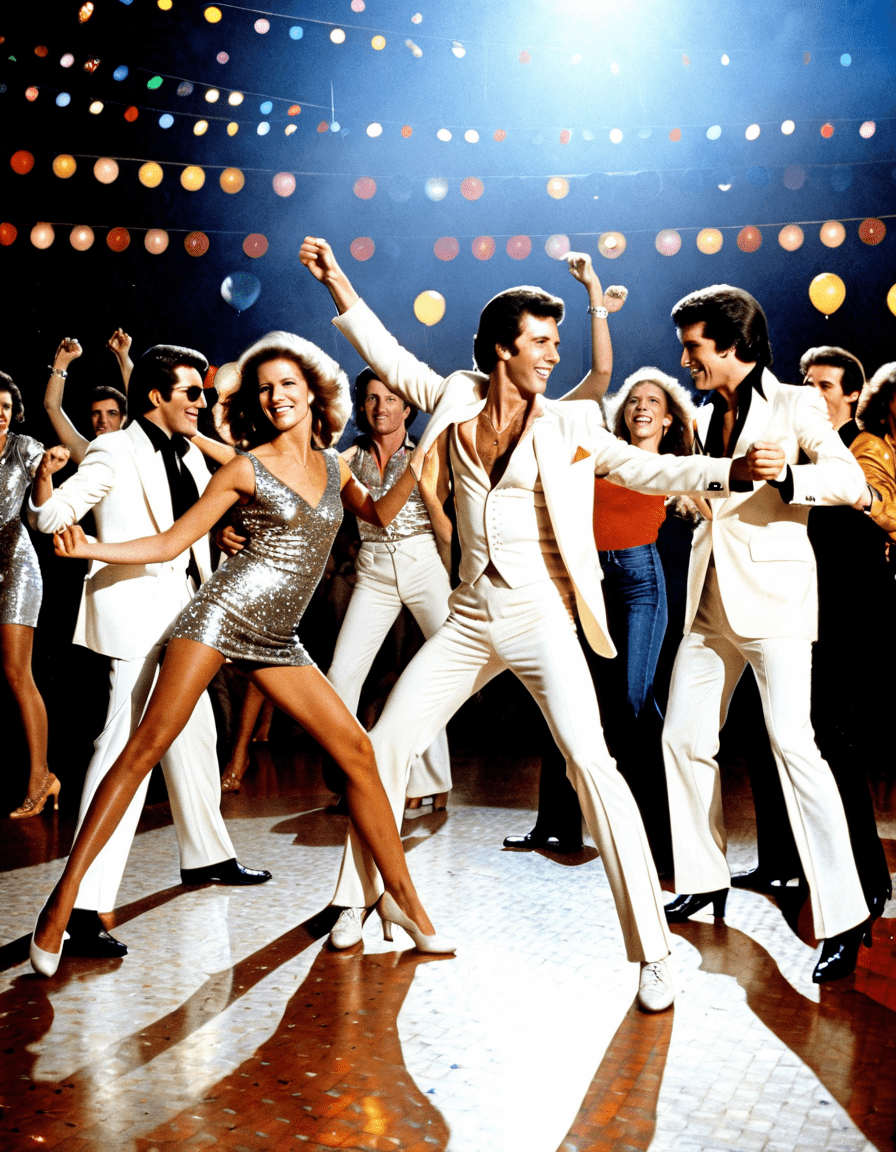
The Y2K Movie Era: Discos and the Return of Dance in Cinema
As we reflect on cinematic trends around the turn of the millennium, the Y2K movie era also embraced themes of joy, community, and kinetic storytelling through dance. Films such as “Center Stage” celebrated the intricacies of dance, paying homage to dedication and passion, akin to the aspirations depicted in “Saturday Night Fever.” The ongoing resurgence of dance-focused narratives reaffirms how audiences crave uplifting stories infused with expressive art.
It’s fascinating to note how these narratives of passion resonate with audiences today. Just as Tony Manero fought for his place in the spotlight, characters like those in Center Stage grapple with the struggle for recognition amid the competitive world of dance. The Y2K decade represented a cultural return to expressive forms, bridging the gap between disciplines while performing artists found new paths to their goals.
The rhythms of dance reached new heights in the cinematic landscape. Movies that centered around impressive choreography, such as “Step Up,” echoed the vibrations from disco-drenched nights, allowing a new generation to explore the joy of movement. In essence, this wave of dance films was a beautiful rippling effect of the innovative storytelling launched by the “Saturday Night Fever movie.”
The Allure of M. Night Shyamalan: A Different Kind of Dance
In a curious comparison, one can uncover the unique storytelling rhythm present in M. Night Shyamalan movies. While his films may not revolve around dance, works like “The Sixth Sense” and “Unbreakable” exhibit a dance-like cadence with their narrative pacing. M. Night Shyamalan’s deliberate stylistic choices create a hypnotic experience for viewers, mirroring the intricate choreography found in “Saturday Night Fever.“
Though Shyamalan’s films delve into suspenseful storytelling, the connections to the emotional core of dance remain striking. The tension he expertly builds resonates with the highs and lows felt on the dance floor. While we celebrate the movement in “Saturday Night Fever,” it’s intriguing to see how both forms highlight essential human experiences—one through fluidity and the other through edge-of-your-seat suspense.
Through this lens, Shyamalan’s work acts as a quiet dance, pulling audiences into gripping narratives while ensuring they engage with their emotions. The dance of storytelling, whether through movement or suspense, is a universal language, whose roots intertwine with the legacy of the “Saturday Night Fever movie.”
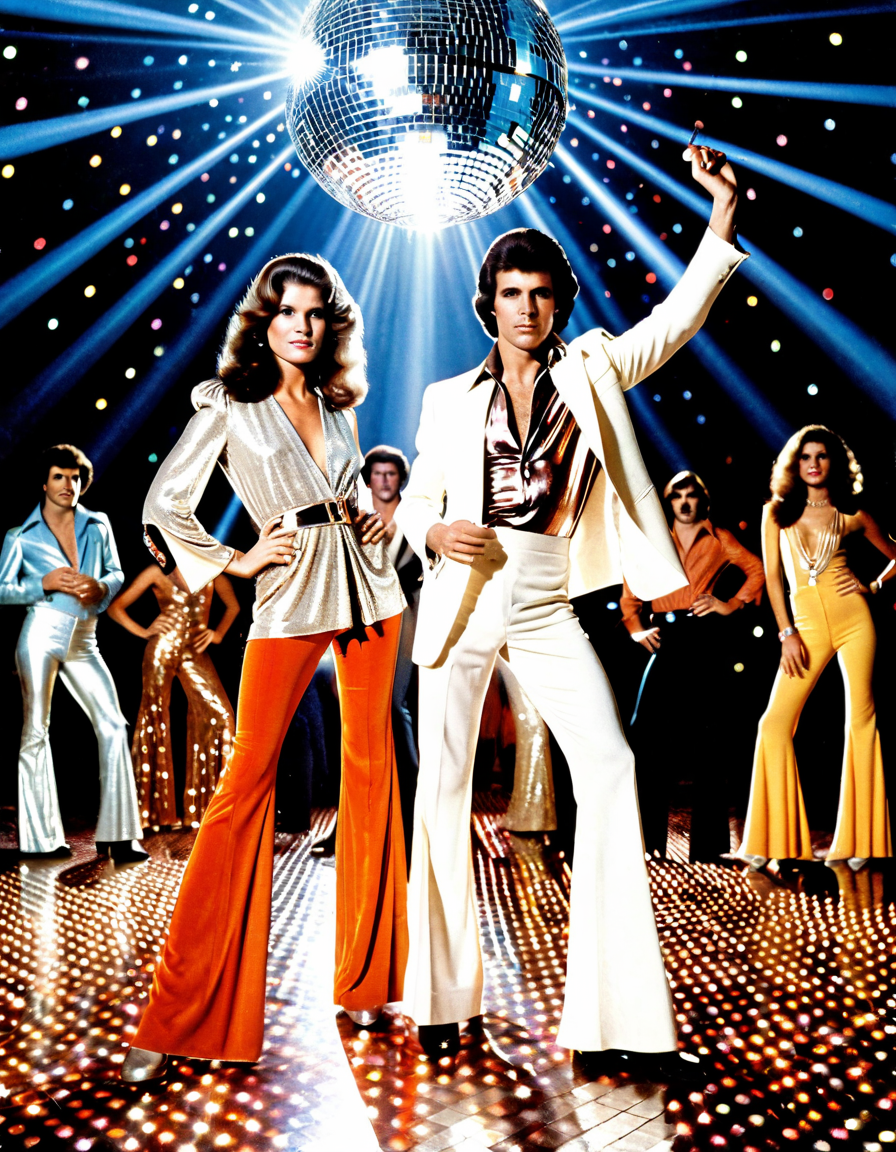
Lasting Impact of Saturday Night Fever
“Saturday Night Fever” stands tall as a testament to storytelling through dance. Its portrayal of love, aspiration, and identity continues to rally audiences in 2026. The movie’s unforgettable soundtrack still bleeds through speakers at parties, introducing newer generations to its magic. With lasting influences melding into today’s trends in fashion, film, and dance, “Saturday Night Fever” is a cultural phenomenon with a dance card filled to the brim.
As audiences ponder the film’s significance, its narrative resonates across ages, underscoring a rich tapestry of experiences that engage newcomers while eliciting joy through movement. With countless stories echoing in its wake, “Saturday Night Fever” will always remain more than just a movie; it’s a dance of life that understands no boundaries.
Indeed, this timeless celebration of dance captures the spirit of an era while embodying the dreams that dance in the hearts of all who dare to step onto the floor. As its rhythms continue to sway across generations, we are reminded: whenever you hear that unmistakable beat, it’s the essence of “Saturday Night Fever” calling us back to the dance floor of life.
Saturday Night Fever Movie: Dance Magic and Fun Trivia
Disco Fever and Beyond
Ah, the Saturday Night Fever movie, a classic that not only brought disco to the forefront but also turned John Travolta into a household name. Did you know that Travolta’s iconic dance style was heavily influenced by his childhood experiences? Growing up in New Jersey, he honed his moves at local clubs, perfecting the art of dance long before it hit the big screen. If you fast forward to today, there’s even a new production in development, featuring the cast Of Saturday Night 2025, which aims to capture the same vibrant energy.
Oh, and speaking of energy, the film’s timeless soundtrack is pure gold. The Bee Gees’ hits skyrocketed to the top of the charts, bringing disco music into living rooms everywhere. Interestingly, the film also touched on deeper social issues—like cultural identity and personal aspiration. You’d think it was all about dancing under the disco ball, but there’s a thread woven through it all that connects to the pressures of modern life, not unlike those examined in works like fahrenheit.
Dancing Legends
Dance wasn’t the only captivating element of the Saturday Night Fever movie; its fashion played a pivotal role too. Those bell-bottoms and polyester suits became iconic symbols of the disco era. And to think this fashion revolution started from a simple narrative about a young man trying to find his groove! In a fun coincidence, actor Jim Montgomery was involved in some fashion-forward projects that graced the screen in the following decades.
But the magic doesn’t stop there. The film also paved the way for future stars, who drew inspiration from its blend of drama and dance. Take, for instance, Bella Thorne ‘s Movies And TV Shows; her flair shines through in roles that echo this discotheque spirit. And while we’re at it, you may spot a dash of influences from Saturday Night Fever in the choreography of current talents like Cosmo Jarvis.
Impact on Pop Culture
The Saturday Night Fever movie didn’t just leave a lasting imprint on film; it also had ripple effects across various cultures. Think of it as the ‘gateway drug’ to disco, introducing countless audiences to the euphoric highs of this dance scene. Speaking of which, the film’s representation of nightlife sparked interest in how we view leisure and enjoyment—companies like Footjoy even saw a rise in leisure footwear as folk wanted to step out in style.
In a curious twist of fate, the movie’s constant dance battles reflect the competitive spirit depicted in superhero films like The ; it highlights how struggles for dominance can manifest, whether on the dance floor or in epic showdowns. Ultimately, what ties all this together is the magic that Saturday Night Fever captures—making us laugh, cry, and often hit the dance floor, as it continues to resonate through generations like the enduring effects of glycosurias complexities in health. Isn’t it amazing how a film can influence so much? It truly exemplifies the spirit of an era!