Glitching the Frame: How Digital Art Conversations Are Transforming Perceptions of Reality
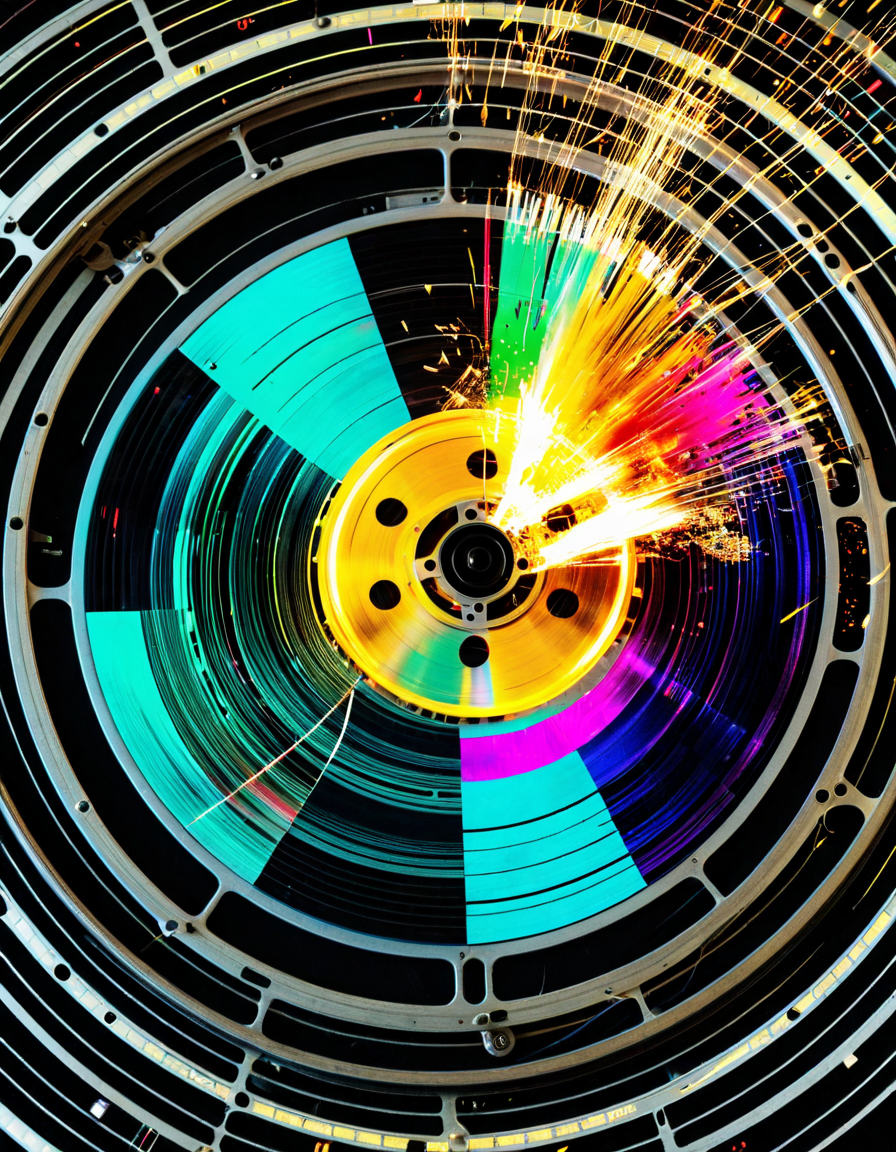
In today’s digital landscape, the glitch phenomenon is more than just a technical blunder—it’s transformed into a captivating aesthetic that challenges our perceptions of reality. Artists are leaning into intentional errors, turning digital hiccups into artistry that demands attention. Pioneers like Rosa Menkman and Jon Rafman have led this charge, using corrupted data and software malfunctions to create visually compelling statements. This artistic evolution pushes the envelope of what we consider “real” in both art and life, inviting a new dialogue about authenticity amidst the pixelated chaos.
Viewing glitch art through this lens prompts us to reconsider not just digital media, but the essence of creativity itself. It exemplifies a tantalizing dance between technology and inspiration, elegantly colliding to form an unexpected bridge between these two vast worlds. The beauty of a glitch becomes a form of rebellion against the hyper-polished perfection of contemporary art, showcasing the allure of flaws, much like the irresistible chaos found in a quirky indie film. By tracing its origins, we can appreciate how these “freaky” distortions are rewriting artistic narratives, akin to how the groundbreaking seasons of shows like Totally Spies redefined animated storytelling.
Examining the evolution of glitch art also underlines a larger cultural movement. While society is often quick to dismiss the flawed, artists are keenly aware that imperfection mirrors the human experience. Through glitch, they encapsulate feelings of anxiety, confusion, and transformation. This exploration is especially relevant in our digital age, where everyone is curated to perfection. By celebrating glitch, artists not only disrupt typical beauty standards but also evoke a deeper emotional response—a provocation to embrace the unpredictable in art and in life itself.
Top 5 Freaky Glitch Artworks That Shatter Reality
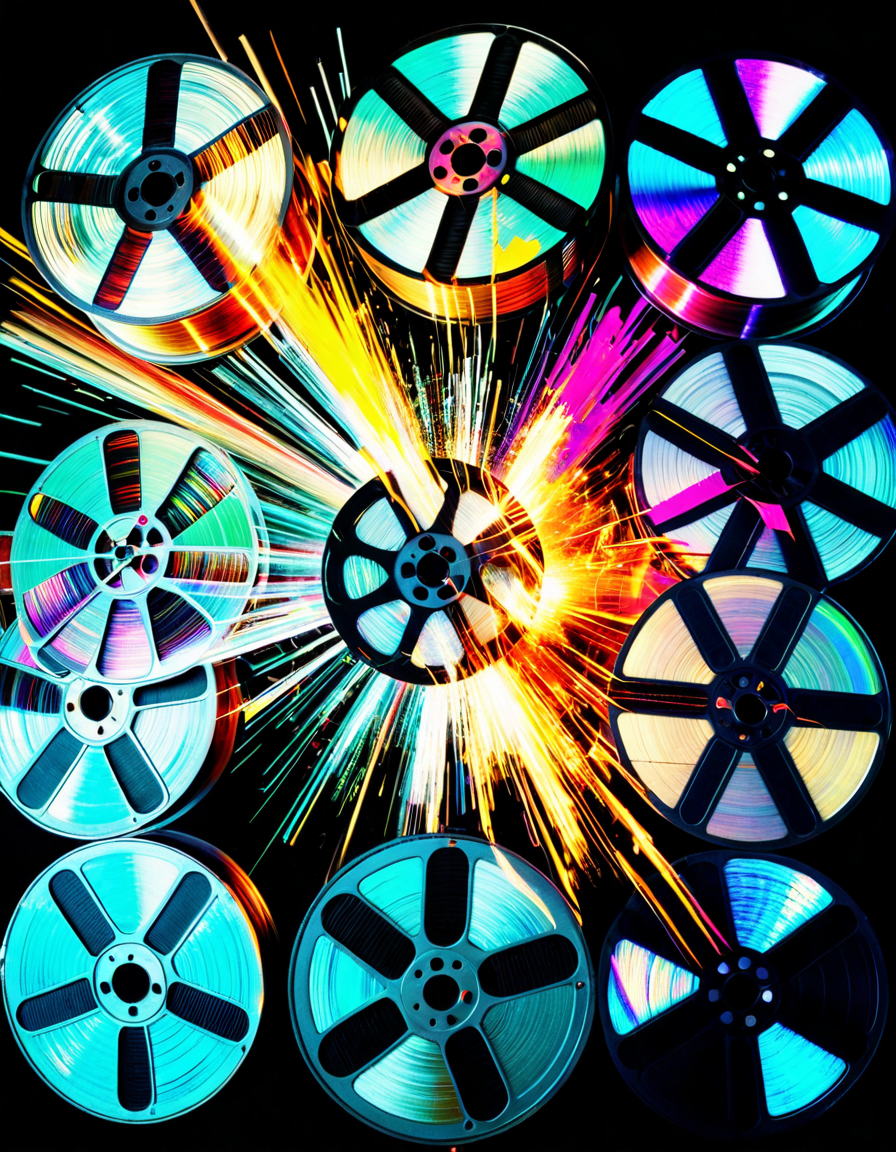
As digital manipulation becomes increasingly mainstream, glitch art stands out as a provocative and engaging style. Here’s a curated list of five standout pieces that showcase the thrilling creativity stemming from disruption:
Menkman’s work blends chaos and beauty in a way that’s downright mesmerizing. She challenges viewers to rethink concepts of permanence and authenticity, capturing the essence of how our digital memories can distort over time.
Rafman takes us on an absurd visual journey through the lens of Google’s street imagery. This collection captures fleeting moments that alter perceptions—think of it like a Freaky Friday twist where context changes everything.
Sassoon reimagines traditional ocean waves through glitchy animations, celebrating the fluid nature of both digital art and mental landscapes. His ability to fuse nostalgic aesthetics with modern techniques creates a totally killer experience that prompts reflection about legacy.
Co-creator of Processing, Reas employs coding to craft artworks rich with intentional glitches. His pieces unearth the unexpected in algorithmic interactions, reminding us how technology can playfully disrupt our norms.
T’s whimsical engagement with digital culture tackles themes of identity through humorous depictions of failed data. Instead of presenting failure as something to hide, she flips it into a fantastical celebration, delighting audiences with her unique vision.
The Cultural Impact of Glitch Art: A Totally Spies Perspective
The mainstream embrace of glitch art marks a significant cultural shift. No longer are imperfections regarded as defects; they are celebrated as integral components of the narrative. Influences from outlets like Adult Swim to nonprofits such as 1-800-SUICIDE showcase how glitch culture has permeated our collective consciousness. It’s a realm where artists wield aesthetics as tools to explore broader themes like anxiety and societal disarray.
These disruptive visuals resonate deeply in contemporary discourse, inviting conversations about authenticity. Artists utilize glitch to evoke emotional connections, forging pathways between personal emotions and societal reflections. The rise of this art form has empowered creators to blend digital imperfections with impactful storytelling. It resonates with audiences who feel overwhelmed in our manicured digital age—drawing parallels to shows like Greys Anatomy, where the characters grapple with their flaws amidst chaos.
Furthermore, as creators fiercely adopt this aesthetic, they push boundaries that reflect pressing cultural conversations. This totally killer shift is vital for both artists and audiences alike, serving as a reminder that imperfections can galvanize innovation, leading to unique connections in an increasingly mediated environment.
From Aesthetic to Anomaly: The Psychology Behind Glitch Perception
At the heart of glitch art lies its power to subvert expectations and elicit profound psychological responses. Just as in films like Freakier Friday, where characters swap identities, glitch visuals momentarily disorient viewers, prompting them to reconcile their observations with their understanding of ‘normal.’ This dissonance is captivating, leading audiences toward critical thinking about their perceptions of art and reality.
Glitch art effectively blends beauty with chaos, forcing us to confront discomfort. The surprising nature of these visual anomalies taps into our innate desire to seek coherence and clarity—a dance between chaos and order that reflects our own complexities. Emotional engagement with glitch art can evoke nostalgia, wonder, and introspection, as it skillfully plays with our expectations of visual coherence.
In these explorations, art transforms into a medium for psychological connection, challenging us to embrace the unexpected. Through this lens, glitch offers new realms of critical thought, prompting viewers to unravel the fabric of reality itself and the art that adorns it.
Future Trends: The Evolution of Glitch Art and Technology
As we forge into the future, the relationship between glitch art and technology promises to deepen. With the rise of virtual and augmented reality, the possibilities for immersive experiences are endless. Glitches in virtual environments can create intriguing worlds that further manipulate our sense of reality, pushing artistic boundaries into uncharted territory.
Emerging AI tools like DALL-E are also rewriting the rules. These algorithms generate outputs that embody glitch-inspired aesthetics, highlighting a future where art and errors intertwine seamlessly. For artists, this evolution redefines creativity, reflecting changes in how we perceive identity and authenticity in increasingly digital landscapes.
As we stride towards 2026, glitch art serves as a poignant reminder of the beauty in our flaws. Rather than viewing disturbances as mere accidents, they offer opportunities for growth and insight. This artistic movement inspires a reevaluation of perceptions—urging us to embrace, rather than fear, the unpredictability that life presents. In a world dominated by narrative sanitization, glitch art stands as a thrilling celebration of our complex existence, illuminating the genuine beauty inherent in both chaos and creativity.
This exploration of glitch art not only demonstrates its compelling appeal but also invites us to consider the broader implications for creativity in our digital age. Embracing the unexpected might just lead to richer, deeper conversations about who we are and what art represents in this beautifully flawed world.
Glitch: The Quirky Art of Distortion
An Unexpected Synthesis
Did you know that the world of glitch art thrives on little quirks and serendipitous mishaps? It’s not just a visual mess; it’s a rebellious statement against perfection. Just like the colorful mishaps of beloved characters like Gecko Moria, who adds an unexpected twist to the stories he inhabits, glitch art challenges traditional perceptions of beauty in digital creation. When every pixel counts, a little error can spark inspiration, inviting viewers to question reality itself.
Pop Culture Reflections
Glitch aesthetics have seeped into mainstream culture, appearing everywhere from movies to music videos. For instance, who could forget Joseph Gordon-Levitt’s multifaceted performances? His ability to toe the line between fantasy and reality mirrors the essence of glitch art, where distortions reveal hidden emotions beneath the surface. Just like the recent excitement around the Charizard card, a glitch image can evoke nostalgia while simultaneously redefining how we view nostalgic elements.
The Dark Side of Glitches
While glitches can be whimsical, they also tap into darker themes. Remember when Michael Imperioli starred in gritty dramas that peeled back the layers of human nature? Glitch art captures this same exploration, revealing the flaws in digital landscapes, much like how Hustler Magazine depicted the rawness of human life. Each glitch tells a story, often poking fun at societal norms, much as Now And Then did by showcasing the bittersweet aspects of growing up.
In a world where art blurs the line between reality and perception, glitch art is the rebellious child reminding us that the unexpected can lead to profound insight. Whether it’s an eerie echo of Jason Bournes psychological twists or a delightful distraction that sends viewers down a rabbit hole of creativity, glitches have indelibly impacted the art scene, leading us to rethink what we deem ‘real. So next time you see a glitch, think of it as an invitation to explore deeper meanings lurking beneath the surface!