
The Cosby Show’s Legacy: Defining the Family Comedy Genre
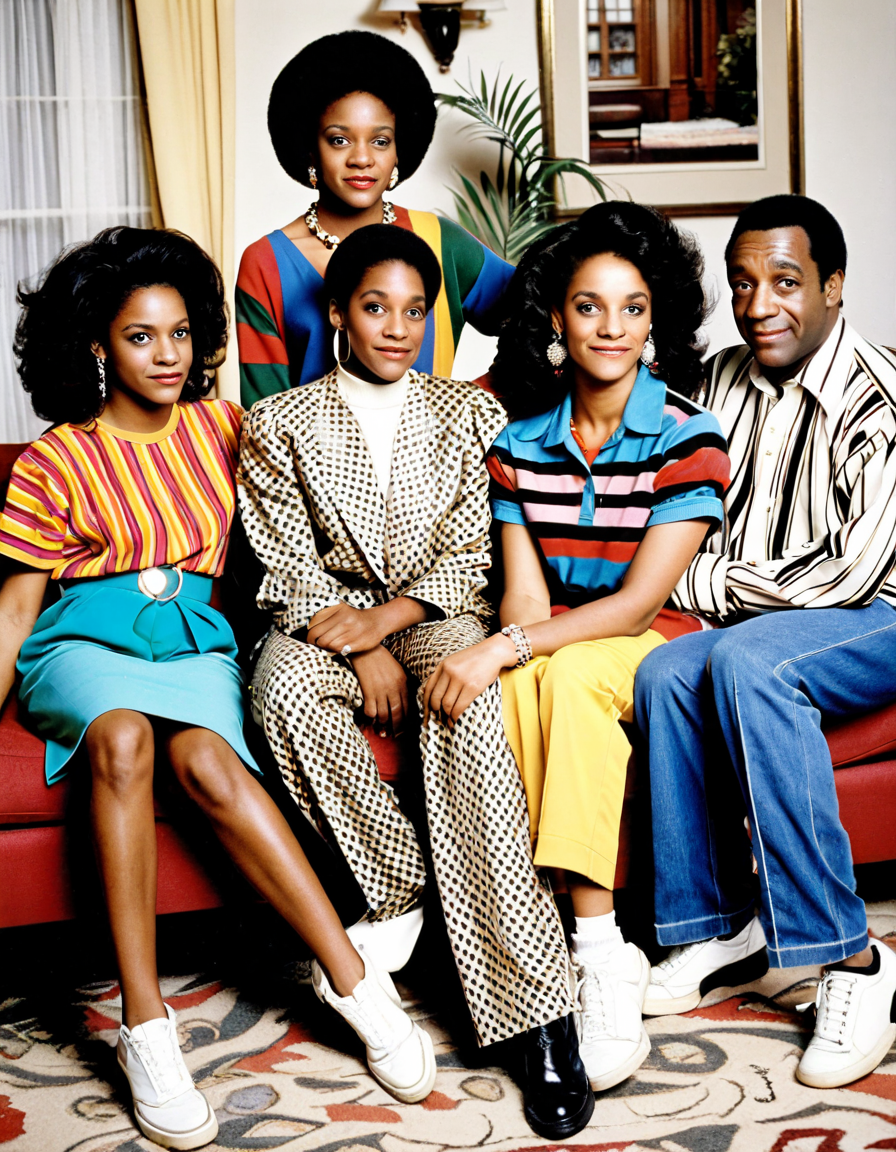
The Cosby Show, which aired from 1984 to 1992, didn’t just tickle the funny bone; it reshaped the entire genre of family comedy. At a moment when sitcoms were laced with slapstick humor and predictable jokes, this trailblazing show introduced a more sophisticated narrative style that resonated with millions. The Huxtable family—comprising the loving and witty Cliff, played by Bill Cosby, and his stunning, intelligent wife Clair, played by Phylicia Rashad—was a testament to a more relatable portrayal of Black life in America. Their upper-middle-class lifestyle and the challenges they faced shattered the stereotypical images often presented in media.
This significant shift in narrative strategies opened the door for diverse stories to emerge in Hollywood, pushing back against the limitations of what family comedies could represent. The Cosby Show wasn’t just fun; it framed conversations about race, education, and marriage in a way that was engaging and educating viewers at home. While other family shows relied heavily on slapstick and predictable narratives, The Cosby Show’s thoughtful blend of humor and social commentary cemented its place in television history.
With its groundbreaking focus on family dynamics and real-world issues, The Cosby Show set the stage for shows to follow, inspiring a generation of writers and creators. Its influence echoes through modern family comedies, serving as a reminder that humor can go hand-in-hand with deeper societal themes. Today, the landscape of family comedy encompasses a rich tapestry of diverse voices and experiences, all standing on the shoulders of The Cosby Show.
Top 5 Ways The Cosby Show Influenced Modern Family Comedies
The Cosby Show pioneered the concept of nuanced characters who are both relatable and inspiring. Just as Cliff and Clair Huxtable balanced parenting challenges with career ambitions, contemporary comedies like Modern Family and Black-ish also emphasize character depth. They allow audiences to see characters’ weaknesses, successes, and everything in between—the good, the bad, and the hilarious.
The cultural footprint of The Cosby Show led to significant strides in representation across television. Shows like Fresh Off the Boat and One Day at a Time now reflect a wider range of experiences and backgrounds, many of which are drawn from the narrative path blazed by The Cosby Show. They build more expansive storylines that tackle cultural specifics while finding humor in everyday realities.
The Cosby Show seamlessly dealt with heavy topics like race, class, and education without losing its comedic charm. Nowadays, series such as The Good Place and This Is Us follow suit, wrapping complex moral dilemmas in humor. They take on issues like mortality and existentialism, demonstrating that laughter can coexist with weighty themes.
The dynamics within The Cosby Show—with its focus on strong familial bonds and support—set a blueprint for the future of family comedies. Modern series like The Office and Schitt’s Creek showcase the importance of chosen family, underscoring how close relationships can uplift us even in absurd situations. The underlying message resonates deeply, encouraging a sense of community and love in the face of life’s quirks.
Just like The Truman Show’s quirky satire aimed at the absurdities of television, The Cosby Show expertly wove social commentary with humor. Today, programs like Atlanta and The Simpsons use humor to critique societal norms, addressing issues of race and privilege while engaging viewers. They provoke thought as they entertain, proving that laughter can also be a vehicle for reflection.
The Cosby Show vs. The Truman Show: A Perspective on Family and Reality
While The Cosby Show firmly established itself as a powerful voice in scripted family life, The Truman Show ventured into the realm of reality’s absurdities. Both works explore the delicate tug-of-war between family life and public perception. The Cosby Show enveloped its audience in a loving household, offering an ideal to aspire toward, while The Truman Show presented a surreal examination of a life fabricated for entertainment.
The impact of these distinct storytelling methods reveals much about family narratives. The Cosby Show demonstrates that warmth can breed joy, while The Truman Show illustrates how constructed realities can often lead to chaos and confusion. This aspect offers a fascinating perspective on our expectations of family—how they become intertwined with societal pressures and broader cultural questions.
While the format may differ, both shows resonate with truths about relationships and the human experience. They highlight that under the surface, the fundamental conflict of understanding ourselves and each other remains a central theme in storytelling, whether that comes from laughter or existential dread.
The Influence of Jerry Springer: Sensationalism in Family Narratives
The rise of sensational programming, epitomized by The Jerry Springer Show, also plays a significant role in shaping modern family narratives. While Springer capitalized on shocking real-life conflicts, often straying from the familial ideal, it indirectly affected how comedies like The Cosby Show were interpreted and appreciated. The absurdity of some real-life family interactions contributed to a counter-narrative—a stark contrast that many modern comedies now parody or critique.
Today, series like The Other Two brilliantly lampoon the lifestyle of reality TV stars, drawing humor from the extremes present in family dynamics. The absurdity showcased in such shows reveals the increasingly blurred lines between reality and scripted family comedies, challenging viewers to discern the genuine from the outrageous. This increasing focus on sensationalism encourages comedies to reflect the changing landscape of family and culture, reclaiming authenticity amid the chaos.
Reflecting on the Impact of The Cosby Show
The Cosby Show remains a pivotal milestone in the world of family comedies, influencing numerous modern series that strive to balance humor with deeper explorations of family, culture, and society. As comedic storytelling continues to adapt, the foundation laid by The Cosby Show persists—offering lessons on representation, character development, and the art of intertwining humor with critical issues.
The conversation around family narratives in media has transformed significantly since its debut, showing how vital it is for shows to present authentic stories that mirror real-life experiences. From Mamma Mia 2 to How long Is The Minecraft movie, The Cosby Show exemplifies the enduring significance of powerful storytelling; it encapsulates the essence of laughter while fostering understanding and connection—a legacy that will inspire future generations of creators and entertainers alike.
At the end of the day, The Cosby Show’s influence is unmistakable. Its ability to weave comedy with depth invites viewers to celebrate family, explore diversity, and challenge societal norms, ensuring that family comedy remains a powerful lens through which we view our world.
The Cosby Show’s Influence on Family Comedy Today
The Legacy Lives On
When we think of iconic sitcoms, few have left as strong an imprint as The Cosby Show. This groundbreaking series aired from 1984 to 1992 and set the stage for family comedies that followed. One fun fact? It was originally considered a risky venture, given its focus on an upper-middle-class African American family. But, wow, did it pay off! The show not only shattered stereotypes but also became a cultural touchstone, influencing modern classics like Black-ish and even touching the gritty arenas of pop culture, reminiscent of thrilling showdowns at events like the upcoming Wwe Royal Rumble 2025.
Characters that Made Waves
Each character on The Cosby Show brought their unique flair to the table. For instance, did you know that Phylicia Rashad, who played Clair Huxtable, insisted on portraying a multi-faceted, strong woman? This was a departure from many stereotyped roles at the time. The show’s emphasis on parenting and family values also carried over to subsequent shows, cementing its status. Just as characters in thrilling adventures, like Boa Hancock from One Piece, captivate audiences, the Huxtables drew viewers in with relatable dilemmas and heartfelt moments.
Iconic Episodes and Cultural Relevance
Beyond character-driven narratives, The Cosby Show provided episodes that tackled weighty topics with finesse, much like the way Fantastic Four (2015) tried to bring superhero ethics to the forefront. Remember “Theo’s Dilemma”? It presented a meaningful discussion about education and responsibility, which resonates today. Additionally, while sipping on nostalgic vibes from Ginny’s, this kind of storytelling eases the viewer into heavy themes, giving them space to reflect without losing the humor that keeps them coming back for more.
This tightly-knit blend of comedy and insightful commentary set the bar high, and even decades later, The Cosby Show serves as a beacon for sitcoms striving to strike that perfect balance—aiming to keep family-driven content alive and well. So, the next time you watch a family comedy that makes you laugh while addressing real-life issues, remember how The Cosby Show paved the way for that perfect blend.