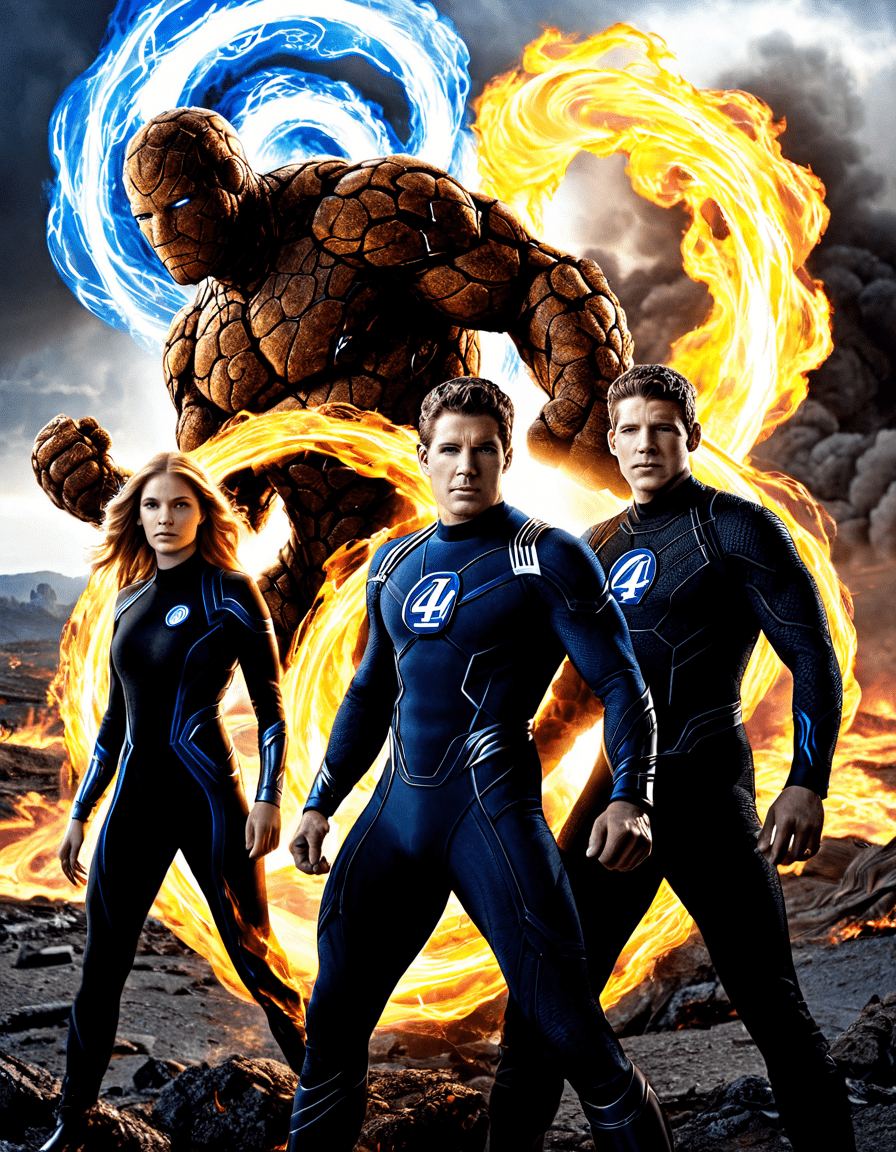
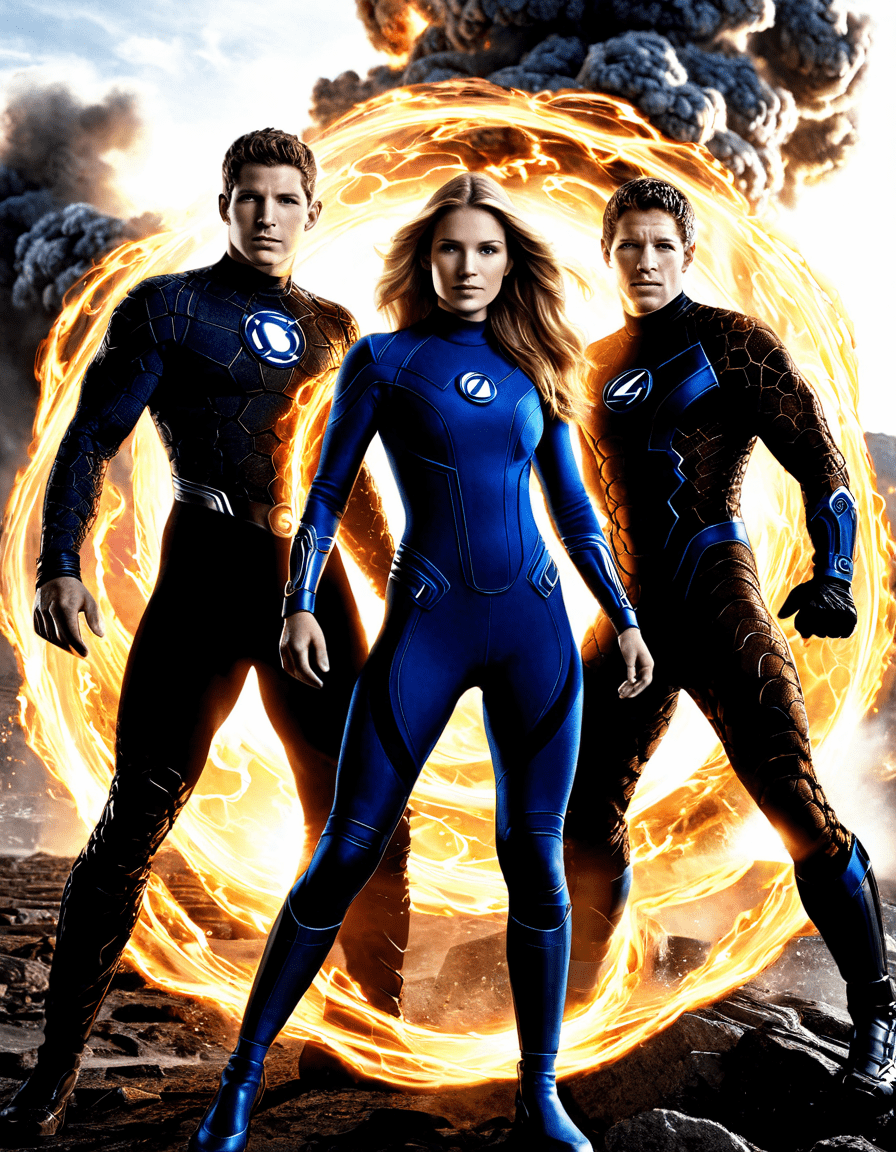
The 2015 reboot of the Fantastic Four hit theaters with a roar of anticipation, promising a fresh take on a beloved comic book franchise. Excited fans went in hoping for magic. Yet, what unfolded was a rather disappointing mishmash of ideas that fell flat. In contrast, the Fantastic Four 2005 film, with its charming Fantastic Four cast—including Ioan Gruffudd, Jessica Alba, Chris Evans, and Michael Chiklis—delivered a cohesive adventure that resonated with audiences. So what went so wrong with the Fantastic Four 2015?
1. The Hype vs. The Reality: Comparing Fantastic Four 2015 with Fantastic Four 2005
There’s something beautifully nostalgic about the original 2005 film. It captured the essence of the comics while presenting the Fantastic Four as a family dealing with its powers and quirks. The chemistry among the Fantastic Four 2005 cast sparked joy, making it more than just another superhero movie. Fast forward to 2015; fans got something entirely different.
The Fantastic Four 2015 aimed for a darker, grittier interpretation—a bold choice at first glance. However, audiences quickly realized this shift didn’t resonate as intended. Where the 2005 film offered light-hearted humor, warmth, and genuine character dynamics, the 2015 reboot veered into overly serious territory. Viewers were left longing for the fun, adventurous spirit that made the original film so endearing.
In attempting to ground the story in a more realistic approach—drawing on themes like identity and isolation—the filmmakers strayed too far from the engaging essence of the comic. This disconnect ultimately left audiences disheartened.
2. Top 5 Missteps in Fantastic Four 2015
2.1. A Drastic Change in Tone
One of the blunders in the Fantastic Four 2015 reboot was its dramatic tonal shift. The lighter, family-friendly atmosphere of the comics and earlier films turned into an almost suffocating darkness. Director Josh Trank aimed for an edgy, psychological take that ultimately alienated fans. Picture the contrasting vibe of the Batman Part II, which balances serious themes with occasional humor. Here, the stakes felt weighty, but lacking the levity that keeps audiences engaged.
2.2. Underdeveloped Characters
Character development—or the glaring lack of it—also played a pivotal role in the film’s failure. While the Fantastic Four 2005 cast was vibrant, with individual backgrounds and relatable arcs, the 2015 reboot’s characters felt paper-thin. Take Reed Richards, played by Miles Teller; his portrayal lacked the charm and depth necessary to invest viewers in his journey. Ultimately, this left audiences disengaged, yearning for more depth and connection, qualities that the original movie embodied effortlessly.
2.3. A Troubled Production
Behind the scenes, turmoil plagued the Fantastic Four 2015 reboot. Reports indicated a rift between Trank and the studio over creative decisions, leading to a project that felt hastily assembled. This chaotic dynamic made itself known in the film’s marketing, where the disjointed nature of the movie hinted at troubled production. Unresolved plot threads were introduced and left hanging, creating a confusing viewing experience for those eager to dive into the story.
2.4. Pacing Issues
Another blow to audience engagement was the pacing. The first two acts dragged on, leaving viewers impatiently waiting for the action to kick in. In contrast, the Fantastic Four 2005 balanced character development and action seamlessly, propelling the narrative forward. Here, the slow buildup felt torturous, as viewers craved excitement—a rise in tension that never truly came.
2.5. Failure to Connect with the Source Material
The disconnect between the Fantastic Four 2015 film and the comic book’s spirit became glaringly evident. Comic fans watched in dismay as the cheerfulness and adventurous essence that defined the source material vanished. The film’s deviations left many feeling that it had strayed too far from what made the Fantastic Four iconic, resulting in a soulless adaptation. The original film understood its roots well, making it more relatable to both hardcore fans and casual viewers.
3. The Impact on the Fantastic Four Brand and Legacy
The backlash against Fantastic Four 2015 left a mark on the franchise that won’t soon be forgotten. Marvel’s future adaptations faced a new reality—how do you recover from such a letdown? Fans grew skeptical, wondering if there would ever be a faithful interpretation that could do justice to the beloved comic characters again. It marked a shift in how studios approached comic adaptations: safety in proven formulas over risk-taking.
This failure reignited discussions around faithful adaptations. Marvel Studios now treads carefully, learning from the 2015 debacle, as franchises like the Batman Part II continue to thrive by embracing original character narratives. The anxiety surrounding the Fantastic Four brand illustrates how one misstep can hinder potential for future explorations of iconic characters.
4. Lessons Learned from Fantastic Four 2015
The flaws in Fantastic Four 2015 offer critical insights for filmmakers, especially in today’s competitive landscape. One major takeaway is the importance of character development. When audiences connect with characters, they invest emotionally, creating a compelling narrative.
Another lesson emphasizes the need for understanding franchise history. Filmmakers must respect fans’ ties to the source material while interpreting it through a fresh lens. The importance of achieving tonal consistency is paramount; a wink of humor can go a long way in maintaining audience engagement.
Ultimately, the Fantastic Four 2015 reboot remains a cautionary tale; it reminds us that creating a successful comic book film requires more than just popular actors or high-stakes action. It demands a deep understanding of beloved characters and the expectations of loyal fans. If the lessons echo from this failed reboot, it’s clear that there’s a way forward.
In conclusion, while the Fantastic Four 2015 reboot had potential, its missteps revealed significant lessons for future adaptations. These insights reaffirm the idea that a successful comic book film hinges on understanding its characters and delivering an engaging, cohesive story that resonates with viewers. As the film industry evolves, the challenge becomes finding that sweet spot between innovation and respect for the cherished tales audiences hold dear.
Fantastic Four 2015: Fun Trivia and Interesting Facts
Behind the Scenes
When you think about the Fantastic Four 2015, it’s hard to ignore the disaster that unfolded during its production. Originally touted as a groundbreaking superhero film, it quickly morphed into a project fraught with trouble. Many fans don’t realize that the director, Josh Trank, had shot an entirely different version that was reworked heavily in post-production. This chaotic behind-the-scenes drama might remind some of the tumultuous journey of Mamma Mia 2, where the sequel juggled balancing fan expectations with fresh storytelling. Speaking of expectations, casting choices often spark debates, much like when fans got a little hot under the collar over the unexpected takes seen in shows such as The Cosby show.
The Cast Conundrum
The film’s cast included rising stars and seasoned actors, but ultimately, audience reactions were mixed. Miles Teller, who played Reed Richards, had an interesting journey leading up to the film, including his role in 50 Shades of Grey. It’s fascinating how even a talented actor can find themselves veering into flop territory when the direction wobbles. And let’s not forget the supporting cast, which featured actors with extensive experience, akin to the incredible Eli Wallach in his varied performances. The mix of talent is a reminder of how unpredictable filmmaking can be—contrasting sharply with structured formats like Wwe Royal Rumble 2025, where the outcomes are often set ahead of time.
Fan Reactions and Fallout
After its release, fan reactions echoed across the internet, and it wasn’t pretty. Much like in the scenario of Trump polls today, where outcomes can surprise pundits, the audience’s disappointment was palpable. The initial excitement had all but evaporated, leading to claims that Fantastic Four 2015 was more of a misfire than a blockbuster. Surprising, given the well-loved comic book source material, isn’t it? Moreover, it’s a stark contrast to the legacy of classic films, something that those familiar with Silence Of The Lambs cast might appreciate. Fans often lamented how they felt let down, similar to discovering a first cousin once removed who turns out to be vastly different from expectations.
In retrospect, Fantastic Four 2015 serves as a cautionary tale—reminding filmmakers that even with the best intentions and talented casts, poor execution can lead to a harsh critical reception.