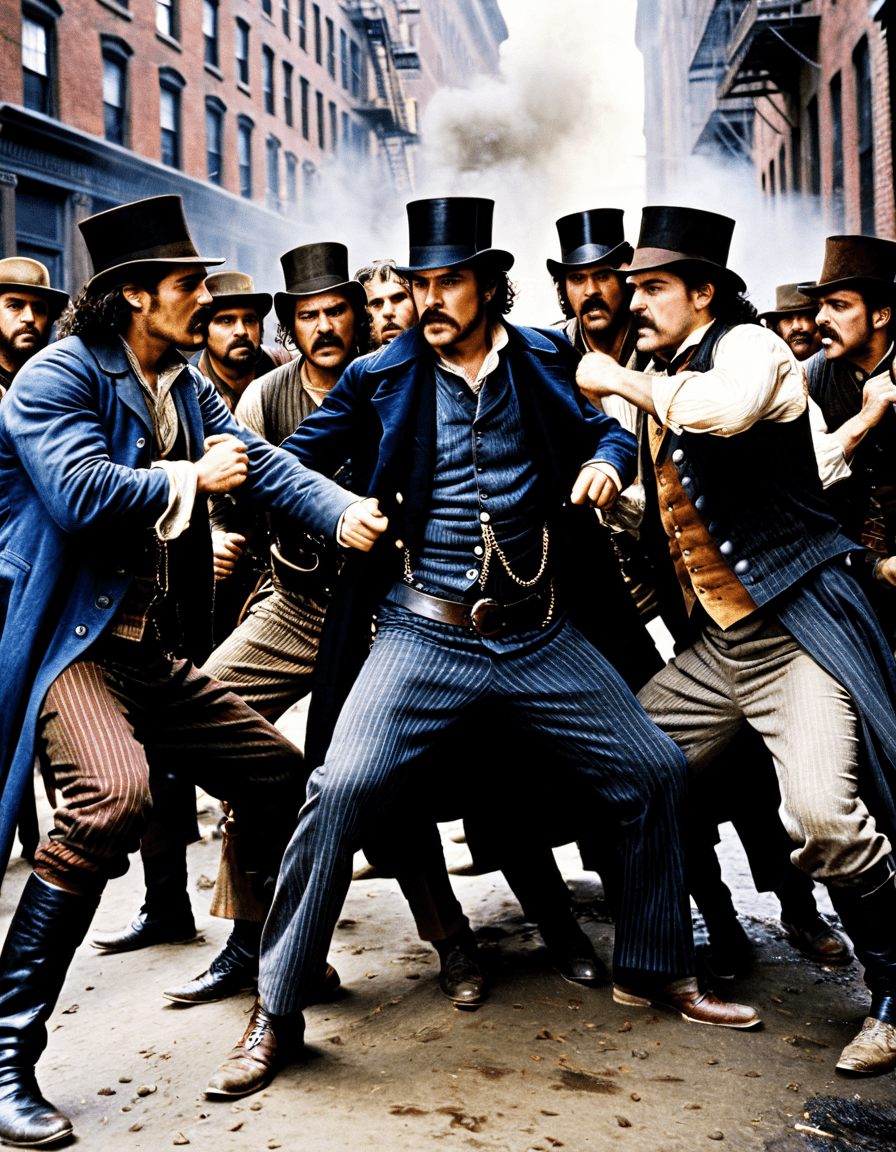
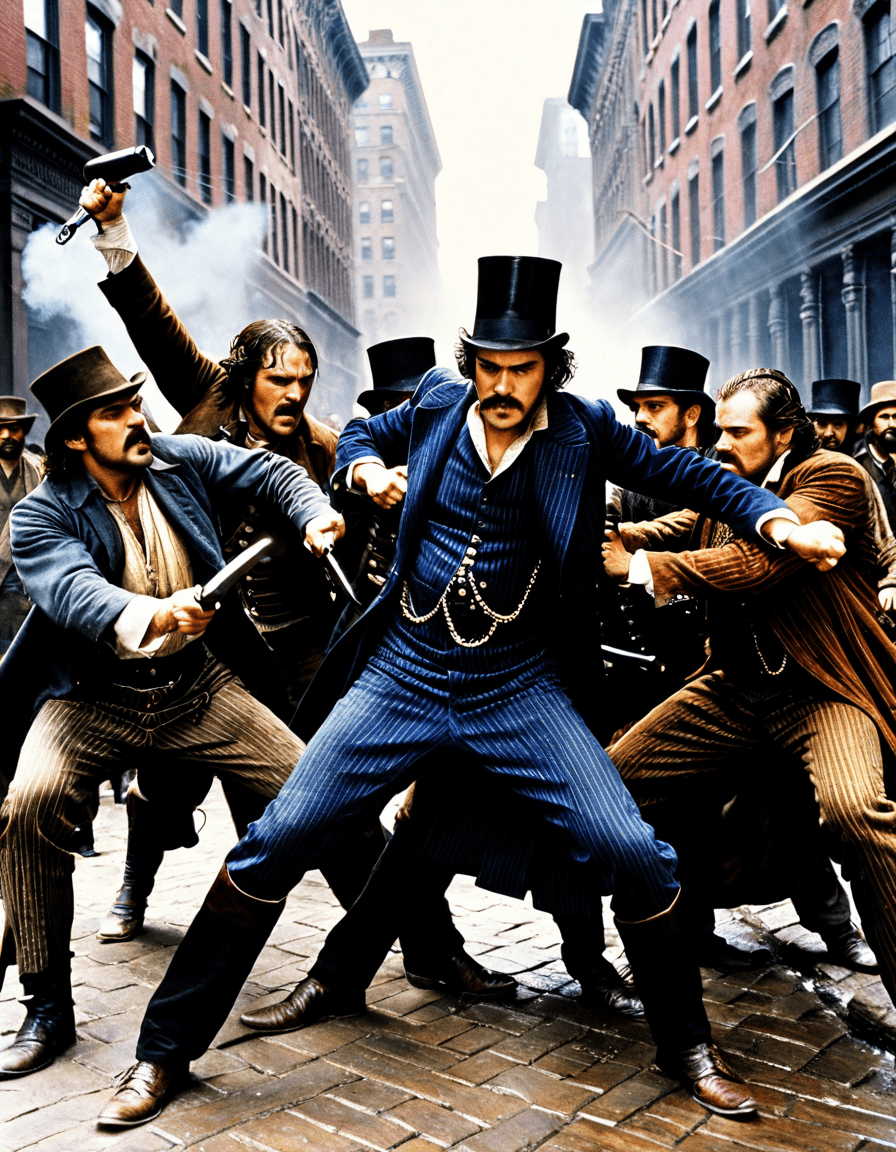
When we think about the Gangs of New York, images of gritty streets and clashes over territory come to mind. The film, directed by Martin Scorsese, encapsulates the chaotic and violent atmosphere of 19th-century New York City. This was a time rife with socioeconomic turmoil, political corruption, and relentless power struggles. The gangs that emerged during this era weren’t just street thugs; they were complex entities shaping the city’s destiny. Let’s dive into the seven most feared gangs that crafted this brutal narrative.
The Top 7 Most Notorious Gangs of New York
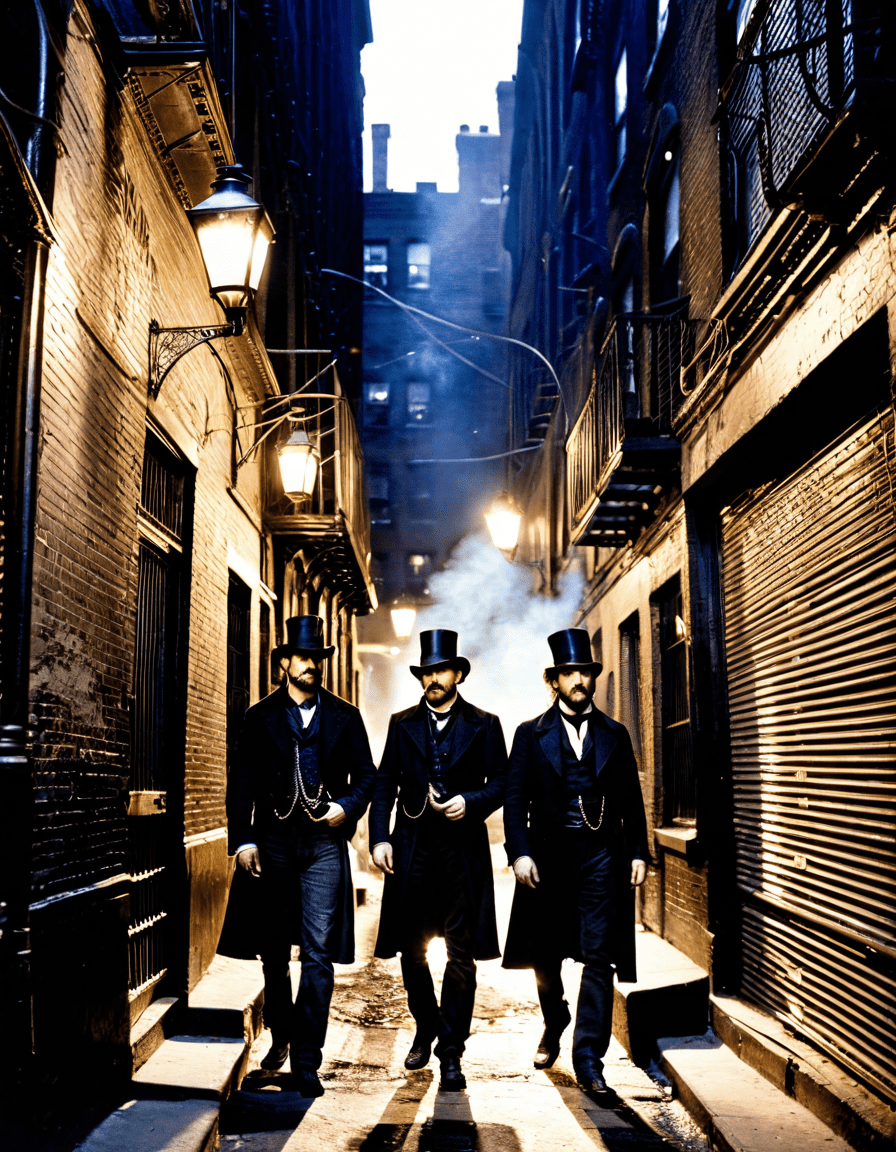
New York in the 1800s was like a pressure cooker of ethnic tensions and urban poverty. Gangs were born out of struggle, offering a twisted sense of belonging amid chaos. Each gang had its flair, its lore, and its share of infamy.
The Five Points Gang ruled the notorious Five Points neighborhood with an iron fist. They were infamous for their violent conduct and criminal enterprises, serving as a pivotal launching pad for future crime lords like Johnny Torrio and his protégé Al Capone. The Five Points exemplified the ruthless turf wars that defined urban life, making them a key player in the epoch’s criminal legacy.
Known for their allegiance and fierce tenacity, the Dead Rabbits fought tooth and nail against rivals like the Bowery Boys. Their violent encounters weren’t just skirmishes; they often morphed into political battles that reflected the power struggles of Irish immigrants in the city. They embodied a spirit of resilience in a society where their cultural identity was constantly challenged.
Emerging as a nativist response to Irish gangs, the Bowery Boys were all about defending traditional American values. Their violent tendencies occasionally erupted into full-blown riots, most notably during the Draft Riots of 1863. This gang was significant not just for its brawls but for reflecting the societal clashes between old settlers and new immigrants.
Formed in the early 1850s, the Plug Uglies gripped the city with threats of brute force and intimidation. Their name, which harkens back to their distinctive ugly hats meant to conceal identities, speaks volumes about their rough ways. This gang dabbled heavily in voter intimidation, showing how intertwined crime was with the very fabric of political life in the city.
By the late 19th century, the Whyos had caught a notorious reputation, primarily known for their violent antics around robbery and extortion. They were central figures in the Harlem Gang Wars, showing just how deeply embedded crime was into life. Battles for territory mirrored the broader socioeconomic struggles of the city’s marginalized communities.
The intertwining of crime with politics was a hallmark of the gangs of New York. Political machines like Tammany Hall often collaborated with gangs, trading protection for political favors. This corruption paved the way for the future organized crime that would explode in the 20th century, foreshadowing the dynamics depicted in films like The Wolf of Wall Street.
The rivalries among these gangs reflected larger societal tensions. The rise of Irish and German immigrants led to cultural clashes and violence against established nativist groups. These conflicts symbolize the complex relationship between race, class, and power in the city, capturing the tumultuous spirit of an evolving urban landscape.
Gangs of New York vs. Gangs of London: A Comparative Analysis
Gangs of New York and their counterparts in London shared some historical footprints but showcased significant differences in their operations and influence.
Similarities in Origins
Both cities birthed their gangs amid industrialization’s tumult, resulting in widespread poverty and desperation. For instance, London saw the emergence of notorious outfits like the “Peaky Blinders” during similar economic disarray. In both cities, the growth of gang activity often paralleled rising immigrant populations facing discrimination and systemic inequality, reflecting a broader struggle common to large metropolises.
Methods of Operation
While gangs in New York operated in the open, often spilling violence onto the streets, their London counterparts like the Hooligans preferred clandestine tactics, lurking in the darker corners of the city. This public nature of the Gangs of New York contributed to their larger-than-life narrative, inspiring cinematic portrayals such as Scorsese’s film.
The Influence of Gang Culture in the Economy
Gangs didn’t merely affect societal dynamics; they made significant waves in the economy. The construction industry, for example, became a battleground where gangs exerted control over labor unions, monopolizing jobs to boost profits. This manipulation of power echoes themes found in The Wolf of Wall Street, demonstrating how crime can intertwine seamlessly with the quest for wealth.
The intricate relationship between gangs and political machines like Tammany Hall solidified the gangs’ power. They forged deals that allowed them to operate with impunity. Through patronage, intimidation, and election rigging, these criminals legitimized their presence in the city, creating a legacy of corruption that would ripple through history.
Lasting Legacies of the Gangs of New York
The narratives surrounding the Gangs of New York have etched an indelible mark on American culture. Stories of violence, loyalty, and the human spirit’s resilience continue to resonate today. These powerful tales have inspired a myriad of films, documentaries, and literature, inviting contemporary audiences to reflect on the harsh realities of urban life.
As we delve into the legacies these gangs left behind, we recognize their role in shaping America’s identity, particularly in terms of crime and power. Their tales speak not just of survival but of ambition and an unyielding quest for significance. The interplay of these narratives serves as a reminder that the battle between law and chaos is as relevant today as it was in the 19th century, symbolizing a deep-rooted human struggle that remains palpable.
These gangs forged the very essence of New York’s identity, and their stories will echo through the ages, serving as a cautionary tale and a reflection of the human condition, much like the gripping moments found in classics such as Romeo and Juliet and the captivating tales voiced through artists like Sofia Lee.
As we move forward, the legacies of the Gangs of New York continue to spur conversations about crime, community, and the relentless pursuit of power, ultimately building a narrative that speaks to all generations.
Gangs of New York: Trivia and Interesting Facts
The Origins and Influences of New York’s Gangs
The gangs of New York were deeply entrenched in the gritty fabric of 19th-century America, often representing the struggles of immigrants trying to carve out a place in society. The notorious Bowery Boys and the Dead Rabbits were not just rivals; they were symbols of class and ethnic strife during this transformative era. Interestingly, the influence of these gangs can be traced to the broader chaos of urban life, much like the atmospheric tension found in Romeo And Juliet 1996, where family feuds lead to passionate conflicts. Just as Shakespeare skillfully navigated themes of rivalry, the gangs had their own turf wars that defined their existence and identity.
Iconic Events and Cultural Reflections
One of the most fascinating aspects of the gangs of New York is how they influenced culture and popular media. Many films, from classic westerns to modern stories, have drawn inspiration from these power struggles, echoing the same kind of fierce competition found in Travis Tritts songs, where grit and perseverance shine through. The brutal reality of these gangs is often romanticized, yet it painted a vivid picture of life in the tenements. Their stories go beyond violence; they reflect the dreams and despair of many, reminiscent of the heartwarming yet stark lessons seen in Lady And The Tramp.
The Legacy of New York’s Gangs
While the gangs might seem like relics of the past, their legacy looms large in today’s society. Modern urban gang culture can be linked back to these early groups, indicating that the issues they faced still resonate. For a bit of fun trivia, did you know that Hot Springs, Arkansas, once served as a getaway for infamous gangsters? This small town’s draw included its alluring hot springs and relaxation spots, making it a popular haunt for those looking to escape the law, much like the escapism highlighted in Love Is War Season 4. Additionally, iconic figures, such as Paris Hilton, have roots tracing back to the drama and glamour that embody the rich history of crime and conflict in urban settings.
In conclusion, the saga of the gangs of New York offers a fascinating insight into a city forever changed by its tumultuous past. Understanding this backdrop helps us appreciate the complexity of character and conflict in both history and modern storytelling. Each gang, with its own unique story, plays a key role in the narrative of New York, reminding us of the powerful interplay between culture and survival in a sprawling metropolis.