
Mel Gibson’s “The Passion of the Christ,” released in 2004, still strikes a chord with audiences nearly two decades later. This iconic film isn’t just a retelling of a biblical story; it’s an emotional journey that invites viewers into a deeply personal experience. Through its powerful storytelling, stunning cinematography, and the gripping portrayal of its characters, “The Passion of the Christ” draws you in, making you feel every ounce of pain, love, and redemption.
Let’s explore the top seven ways “The Passion of the Christ” illustrates profound emotion and captivates the spirit in its narrative.
1. Raw Depiction of Suffering
The film’s visceral portrayal of suffering grips audiences with a force that’s hard to shake off. From the intense scourging to the agonizing crucifixion, these scenes lay bare the physical and emotional torment endured. They aren’t just shocking; they force viewers to sit with the discomfort, stirring empathy and a deeper understanding of sacrifice. In the process, the film transforms into a meditation on the meaning of suffering itself.
But it’s not just about brutality. The raw emotion reflects our struggles with pain, making it universally relatable. This connection elevates “The Passion of the Christ” beyond a mere recounting of events; it becomes a reflection of our own experiences with loss and longing.
2. Cinematography and Visual Storytelling
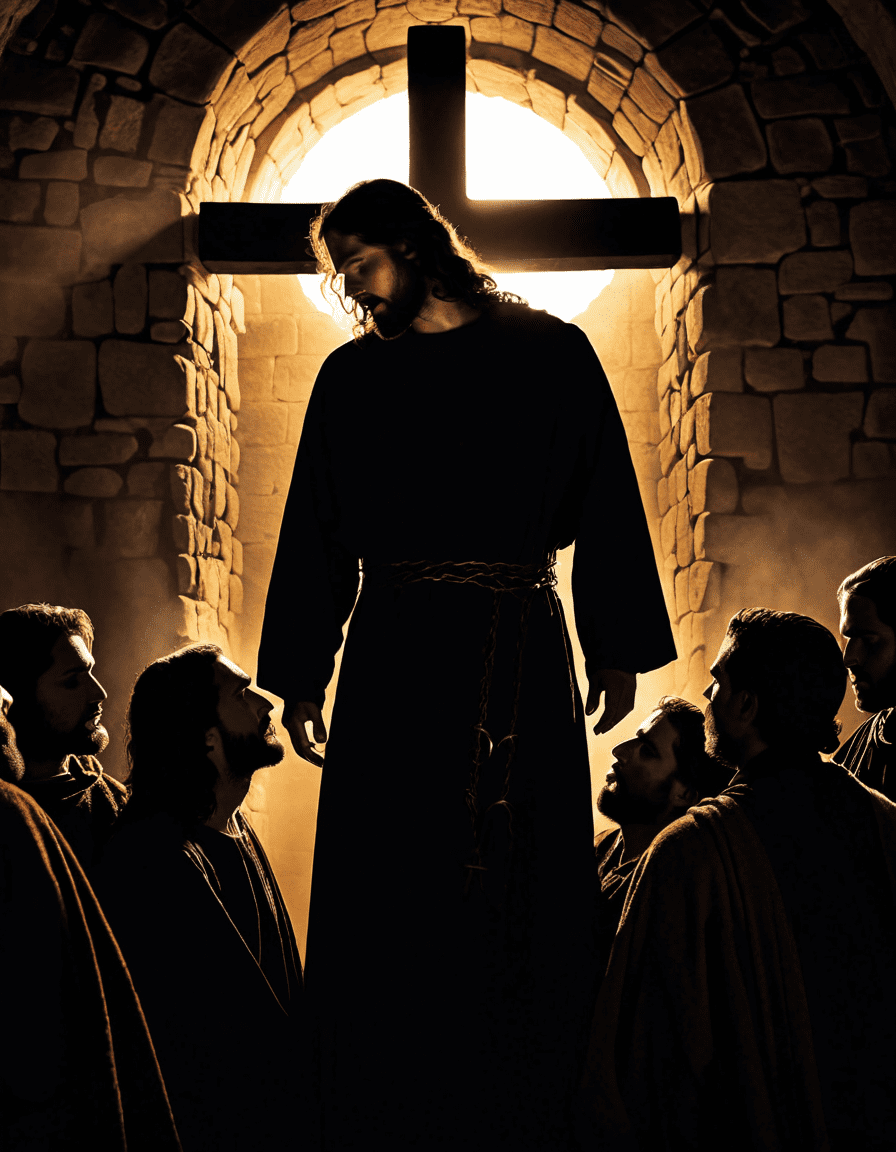
Caleb Deschanel’s exceptional cinematography enhances the film’s emotional richness. Using natural lighting and minimalist visuals, he invites viewers into Jesus’ world—a time filled with stark contrasts between love and agony. Close-ups of Jesus’ face capture a range of feelings: pain, sorrow, love, and ultimately, forgiveness.
Every frame feels intentional and layered with emotional weight. This visual storytelling immerses the audience in the narrative, allowing moments of silence and stillness to punctuate scenes of action. Such artistry captures the full spectrum of the emotional landscape, leaving viewers feeling profoundly connected to the journey.
3. Sound Design and Score
Sound plays an equally important role in amplifying the emotional depth of “The Passion of the Christ.” John Debney’s haunting score dances through the film with orchestral swells that make your heart ache. Each note seems crafted to punctuate moments of despair, pulling you further into the emotional turmoil.
Also, consider the sound design, where whispers and cries echo in the background. They serve to heighten the atmosphere, enveloping viewers in the intensity of each scene. This meticulous attention to sound turns the film into an immersive experience, encouraging audiences to feel rather than just watch.

4. Characters Giving Voice to Emotion
The film is bursting with strong character performances that bring their emotional journeys to life. Jim Caviezel’s portrayal of Jesus transcends physical suffering; it manifests a deep spiritual anguish filled with immense love and hope. His eyes tell stories—stories of pain, sacrifice, and ultimately, healing.
Mary’s character is equally compelling. Her heart-wrenching expressions capture the experience of a mother enduring every mother’s worst nightmare. These performances amplify the film’s emotional impact, making the audience experience love and loss alongside the characters.
5. Faith and Redemption Themes
At the core of “The Passion of the Christ” is the deep exploration of themes like faith, sacrifice, and redemption. These themes serve as emotional anchors, inviting viewers to reflect on their own beliefs. The universality of these concepts makes it accessible, resonating with anyone who’s faced moments of love, loss, or forgiveness.
Through its intimate portrayal of these themes, the film challenges audiences to consider the meaning of faith in their lives. It’s not merely a story about Jesus; it’s a deeply personal journey for everyone watching. It beckons faith to the forefront, asking us to confront what we believe in the face of suffering.
6. Cultural and Historical Context
Set against the backdrop of ancient Jerusalem, “The Passion of the Christ” presents a vivid representation of societal tensions during that time. The film doesn’t just illustrate Jesus’ struggles but also the collective conflicts of a people struggling with oppression and faith. Understanding this context enhances the emotional weight, as we witness not just individual suffering but also the societal turmoil that surrounds it.
This portrayal reflects a broader commentary on humanity’s struggles across generations. It deepens emotional engagement, reminding us that these themes of suffering and redemption are not confined to one time or place—they echo through history and resonate in our current world.
7. Lasting Impact and Legacy
“The Passion of the Christ” didn’t just leave a mark on the film industry; it sparked extensive conversations about its themes, cinematography, and emotional intensity. The movie reshaped the landscape of religious storytelling in cinema, paving the way for more faith-based narratives that resonate with audiences. It continues to inspire discussions about spirituality and artistry, making its emotional responses relevant even today.
As we look ahead to 2026, this film’s legacy remains potent. It calls us to reflect on how art can invoke empathy, fostering understanding across different cultures and beliefs. The emotional journey it offers stands as a testament to the power of cinema in bridging gaps and nurturing deep human connections.
Embracing the Heart of Emotion in The Passion of the Christ
“The Passion of the Christ” remains a profound testament to the film’s ability to capture deep emotion effectively. By vividly portraying suffering and exploring themes of love and faith, the film resonates deeply within us, transcending its time and context. As we continue to confront our collective journeys of faith, anguish, and love, this film invites us all to reflect on what it means to endure and to forgive.
In a world that often feels chaotic, “The Passion of the Christ” serves as a poignant reminder that the emotional experience of cinema can transcend borders. Its heartfelt storytelling encourages engagement with our convictions, nurturing a collective understanding of the human spirit. Whether you’re revisiting the film or discovering it for the first time, be prepared for an emotional ride that will echo in your heart long after the credits roll.
The Passion of the Christ: Shining with Heartfelt Emotion
A Gripping Vision of Faith
When The Passion of the Christ hit theaters in 2004, it stirred audiences worldwide with its raw depiction of Jesus’ final hours. Directed by Mel Gibson, the film grossed over $600 million, making it one of the highest-grossing R-rated films in history. Interestingly, Gibson’s commitment to authenticity led him to film in Aramaic and Latin, immersing viewers in the time of Jesus and making it a premium experience for those who appreciate deep storytelling. The film’s heart-pounding scenes even inspired references in pop culture; for instance, the show Bodies Bodies Bodies explores emotional depths albeit with a much different tone.
Behind the Scenes: More Than Meets the Eye
The making of The Passion of the Christ wasn’t simply about filming iconic scenes—it was an intense journey. The cast, including Jim Caviezel as Jesus, endured physical challenges that mirrored those of their characters. Caviezel claims he was struck by lightning during a scene, which adds an almost diabolical twist to the production’s dark narrative. Meanwhile, the intense preparations drew comparisons to Nick Lachey’s height—standing tall in the industry, just as the film made a substantial mark in cinematic history. It’s remarkable how each aspect came together to create an experience that resonates with audiences even now.
Cultural Impact and Legacy
Despite its controversies, The Passion of the Christ sparked conversations on faith and redemption across various platforms. Many fans, discussing the film’s profound impact, kept referencing it on reality television, just like what you’d see on Love Island USA—except this story dealt with spiritual love. Moreover, the connections that viewers found in the film’s themes reveal the intricacies of human emotion, making viewers relate to their personal journeys in a similar way to characters in shows such as Himouto Umaru-chan.
Ultimately, The Passion of the Christ continues to hold its own in film discussions and remains a testament to the way storytelling can touch hearts and minds, urging audiences to reflect on their beliefs and experiences. So, whether you’re diving into lighthearted flicks or more intense dramas like Bow Wow, the emotional weight of this film is hard to shake off, proving that cinema can be a powerful force in shaping our understanding of self and faith.