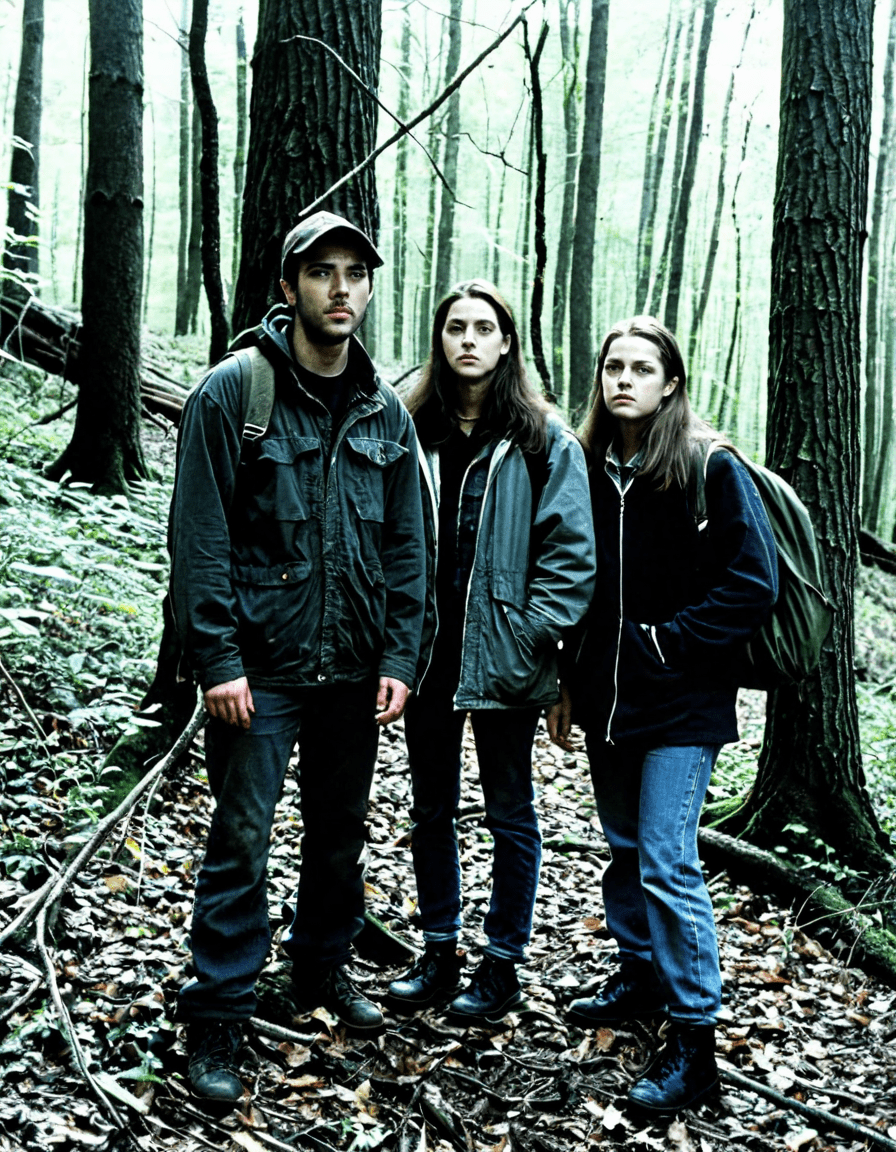
The release of The Blair Witch Project in 1999 marked a pivotal moment in horror cinema, blending innovative storytelling with real-world folklore to create a cultural phenomenon that continues to resonate decades later. The film captured audiences with its raw, unpolished aesthetic and psychological intensity, setting a new standard for fright. Today, it stands as a touchstone in cinematic history, shaping the narrative landscape of horror and influencing contemporary filmmakers alike. In this article, we will explore the enduring impact of the Blair Witch Project, its relationship to modern cinema, and how its legacy has shaped the horror genre and popular culture at large.
7 Key Elements of The Blair Witch Project’s Influence
As we venture into the film’s lasting legacy, here are seven vital elements that have transformed The Blair Witch Project into a key influence not just in horror, but across various facets of film and media.
1. Found Footage Revolution
The raw, immersive style of The Blair Witch Project sparked what many call the found footage revolution. By emulating home video aesthetics, the film brought authenticity to horror that many viewers found captivating. Successors like Paranormal Activity and V/H/S adopted this technique, leading to box office wins that demonstrated the power of grassroots horror. The atmospheric tension set a new template, blending realism and imagination—something audiences crave in genres like supernatural thrills and psychological scares.
2. Grassroots Marketing
The film’s marketing strategy set it apart in the pre-social media landscape. Combining fact and fiction, the campaign sparked widespread speculation, creating a viral buzz that typical blockbusters like The Princess Diaries 3 now wish to replicate. As a novel approach, this marketing model leveraged the internet’s burgeoning potential, laying the groundwork for future films to similarly engage audiences. This combination of real-world lore and cinematic innovation fueled the film’s mystique.
3. The Power of Lore
By interweaving urban legend into its narrative, The Blair Witch Project captured the imagination of a generation. This storytelling element revived interest in folklore, igniting creative fires across media platforms. The film’s focus on witchcraft resonated deeply, influencing series like The Vampire Diaries to explore darker, character-driven narratives steeped in myth. This power of lore is not just serious; it can be blended with humor as seen in other franchises, enriching the cinematic landscape.
4. The Emphasis on Character Psychology
Essentially character-driven, The Blair Witch Project showcased the emotional spectrum of fear—particularly through Heather, Mike, and Josh. The movie doesn’t just play out as a hunt for a witch; it dives into the psyche of its characters. This emphasis on psychological depth has become increasingly important in horror and drama alike, evident in series that feature intricate character arcs such as The Vampire Diaries cast. Audiences connect better when characters feel authentic and relatable, increasing investment in the overall narrative.
5. Cultural Analysis of Fear
Often dubbed a reflection of society’s hidden anxieties, The Blair Witch Project taps into paranoia and isolation—feelings that are more acute in the digital age. These themes have transcended horror to influence narratives in films and shows that explore technology’s effect on human relationships. Just like in modern tales, where technology complicates connectivity, The Blair Witch Project reminds us of our struggles with social isolation and the fears that bubble under the surface of our daily lives.
6. Embracing Ambiguity
What truly sets The Blair Witch Project apart is its masterful use of ambiguity. By leaving much to the audience’s imagination, the film cultivates a chilling atmosphere that resonates deeply. This trend continues to be embraced in recent films like It Follows and Hereditary, which have found favor with audiences by relying on suspense over explicit horror. The unexplained terror often feels more unsettling than anything visible, captivating viewers long after the credits roll.
7. Legacy of Community Engagement
The film’s success created a legacy rooted in community engagement, prompting fans to share theories about its lore and narrative. With the natural progression into digital spaces, fandoms have grown exponentially, nurturing vibrant discussions. Today, films like The Princess Diaries 3 employ similar techniques to draw in audiences, sharing content that encourages participatory experiences and generates nostalgia among fans. This blending of studio efforts and audience participation fuels a richer cinematic culture.
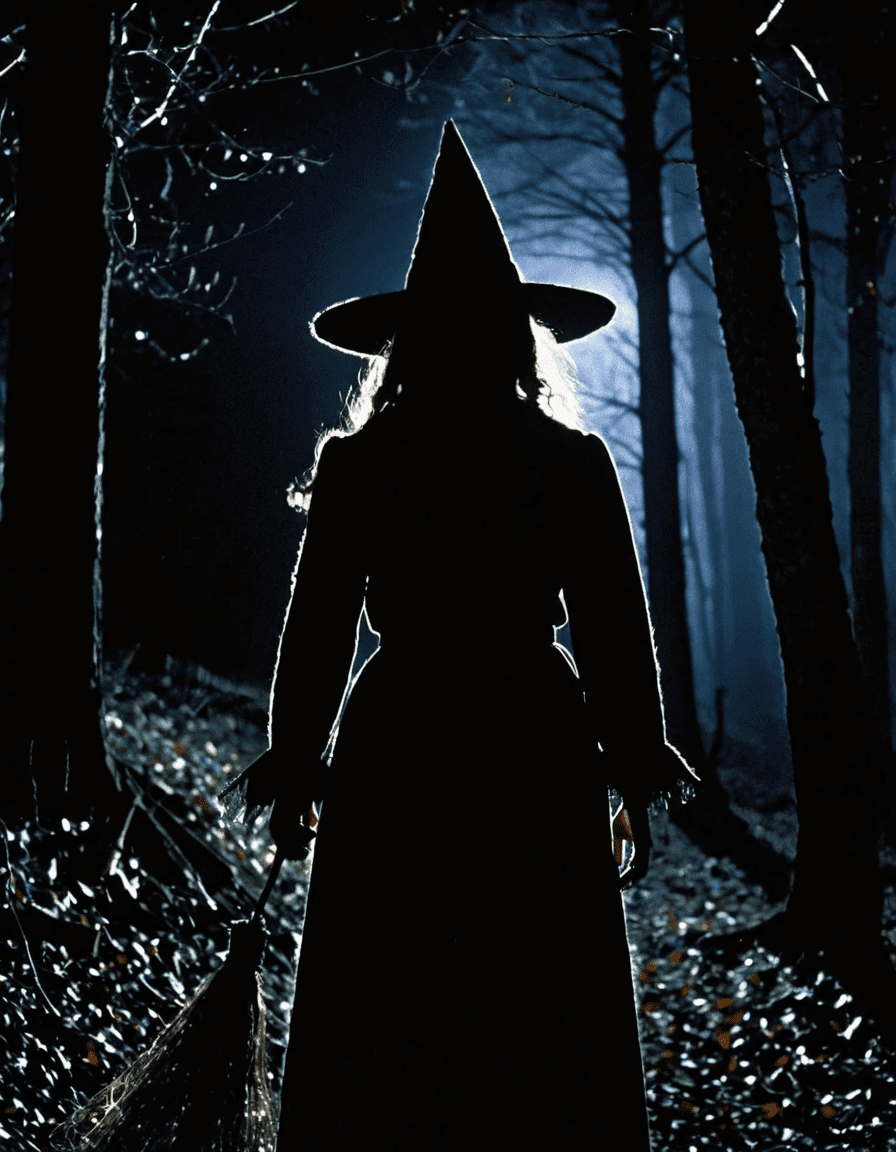
The Transformation of Horror Cinema Through The Blair Witch Project
The Blair Witch Project doesn’t just stand alone—it has redirected the course of horror cinema. Its groundbreaking approach has proven that fear can live beneath the surface, waiting to emerge at the most unexpected moments. This paradigm shift has paved the way for filmmakers to craft narratives without overt threats, as showcased in significant works like Get Out and A Quiet Place. Psychological tension and emotional stakes have carved a new path, emphasizing fear and uncertainty as the true antagonists of modern storytelling.
The Resurgence of Found Footage in a Digital Age
Fast forward to 2026, and the resurgence of found footage has morphed into exciting new forms. Consider how augmented reality (AR) experiences allow users to dive headfirst into horror scenarios. While The Blair Witch Project set the stage, today’s advancements empower creators to expand the storytelling potential. Projects like The Blair Witch Reset leverage technology to tap into the essence of the original while evolving the narrative, demonstrating how foundational ideas can adapt and thrive.
The Blair Witch Project as a Cultural Touchstone
Reflecting on the cultural relevance of The Blair Witch Project, it’s evident that the film is much more than just horror entertainment; it’s a cultural touchstone that inspires filmmakers across genres. It sparks vital dialogue about authenticity, folklore, and the nature of fear, influencing creators everywhere. As new generations engage with the material, the echo of fear from the Burkittsville woods remains alive, encouraging innovative takes on age-old themes, whether they appear in horror narratives or romantic tales like The Princess Diaries.
Rather than fading into obscurity, The Blair Witch Project serves as both a beacon of innovation and a reminder of the timeless power of storytelling rooted in fear and community. Its chilling legacy invites exploration in every nook of cinema, shaping how we perceive and process the intricacies of human fear. As audiences continue to be intrigued by the unsolved mysteries of the original, the film’s impact on the horror genre is undeniably profound—one that will linger for years to come.
Blair Witch Project: The Chilling Legacy of Fear
Found Footage Phenomenon
The Blair Witch Project has left an indelible mark on horror cinema, thanks in part to its groundbreaking found footage style. Released in 1999, this low-budget film grossed nearly $250 million worldwide, creating a seismic shift in how horror films were made. It was such a game changer that it paved the way for future filmmakers, much like how shows created by Taylor Sheridan have captivated audiences with original storytelling. Interestingly, it was marketed in a way that blurred the lines between fiction and reality. Many viewers believed the footage was real, which made it all the more chilling—the perfect storm, if you will, reminiscent of how unexpected weather events like when Tropical Storm Kirk has formed in the Atlantic can catch everyone off guard.
The Mystery of the Witch
Although the movie takes place in the woods of Maryland, the legend of the Blair Witch stems from local folklore and has inspired both fascination and fear. The marketing team cleverly presented the characters as real-life missing persons, causing an uproar among eager fans. This eeriness is similar to how people reacted to the enigmatic storylines of shows like Orange is the New Black, constantly fueling audiences’ thirst for character-driven narratives. Also, the film’s success led to intriguing discussions, much like the buzz surrounding topics like Joaquim Valente, which captures public interest.
The Unseen Power of Fear
“The fear of the unknown is the most powerful fear,” said Daniel Myrick, one of the film’s creators. This uncanny ability to instill dread resonates profoundly within the movie’s haunting narrative. As viewers navigated the unsettling woods alongside the hapless protagonists, they also became part of a collective experience, much like the emotional journey in films such as Timbuktu or even quirky tales like the Bunny Girl Senpai Movie, both of which challenge viewers’ comfort zones.
In conclusion, the Blair Witch Project exemplifies the chilling legacy of fear, using minimal resources to create maximum impact. Its influence is still felt today, echoing throughout the horror genre and impacting modern filmmaking choices. Fans haven’t stopped exploring its secrets, and every discussion about the film—whether it’s about its raw, gripping storytelling or how to effectively utilize elements like the wrong way to use healing magic—keeps the Witch alive in our collective imagination.