Stanley Kubrick’s 1971 adaptation of Anthony Burgess’s novel, A Clockwork Orange, remains one of the most thought-provoking films in the landscape of dystopian narratives. This film has not just chronicled a chaotic future; it’s effectively echoed the anxieties of its era while striking a nerve that resonates profoundly in today’s world. Through its portrayal of a future ruled by psychological manipulation and extreme violence, A Clockwork Orange serves as a stark reminder of the struggle for free will against societal control. Its relentless exploration of control and societal disintegration makes it a cornerstone for analyzing how modern interpretations of chaos reflect the state we find ourselves in now.
1. The Dystopian Footprint of A Clockwork Orange in Modern Society
Kubrick’s depiction of a violent and oppressive future society offers keen insights into contemporary fears of authoritarianism. What happens when a state disregards individuality in favor of order? Those pressing questions form the backbone of A Clockwork Orange. The film thrusts viewers into a striking reality where brutal actions are justified by a quest for societal improvement, easing into a moral gray area that’s far too familiar in today’s discussions around government surveillance and control.
As we step into 2026, it’s fascinating to observe how the film’s exploration of free will resonates with modern themes of mental health and personal autonomy. The plight of Alex DeLarge—a delinquent conditioned into submission—reflects contemporary conversations around how society shapes, restricts, or even physically harms individuals through systemic oppression. In a time where discussions about the balance of power, control, and the quest for individuality gain momentum, resonating themes from A Clockwork Orange remind us of the continuous struggle against authoritarianism.
Moreover, with social media increasingly dictating public perception and behavior, viewers can see parallels in Alex’s journey. This film acts as a mirror reflecting the chaos we experience when institutions use moral justifications to implement extreme measures in the name of control. The film urges us to pensive contemplation on how power dynamics wield their influence in sobering ways.
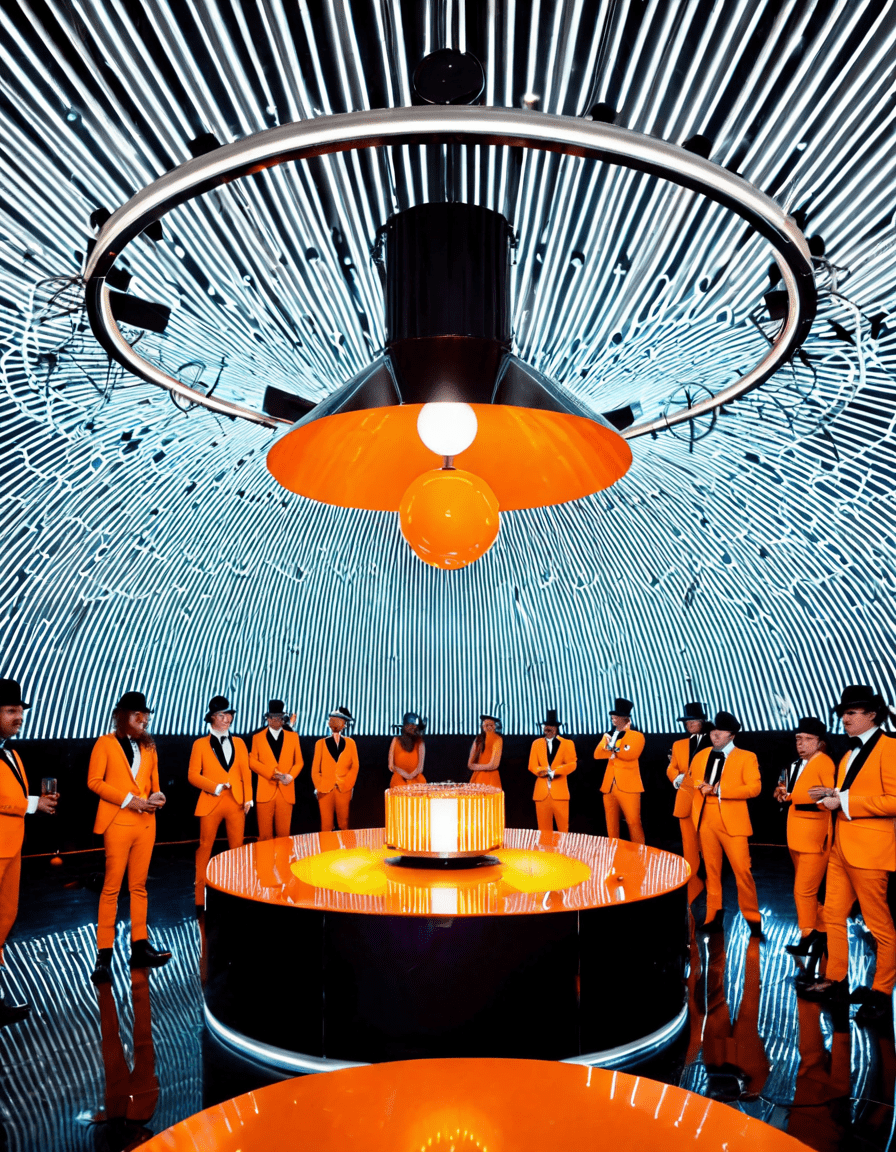
2. Top 7 Cultural References Parallels to A Clockwork Orange
The influence of A Clockwork Orange reverberates through various forms of modern media. Here’s a look at seven significant cultural references that echo its themes:
3. The Enduring Impact of Clockwork Chaos on Cinema and Society
The cultural aftermath of A Clockwork Orange speaks volumes about its profound impact on cinema and society. Its explicit depictions of violence have incited ongoing debates regarding ethics in storytelling, challenging us to probe deeper into the implications of violence in modern media. Films like Trainspotting and Requiem for a Dream echo the theme of addiction and chaos, driving home the message of entrapment that’s woven into Alex’s narrative.
Furthermore, as global conversations around mental health and societal disillusionment evolve, the ethical considerations surrounding state control resonate increasingly with audiences. The themes depicted in A Clockwork Orange force us to confront our societal constructs head-on, especially against the backdrop of a post-pandemic reality rife with alienation. This exploration into the moral implications of psychological control and self-autonomy continues to be crucial to understanding our contemporary dilemmas, sparking essential dialogue about our future as individuals and as a community.

4. The Legacy of A Clockwork Orange: A Call to Reflection
The haunting legacy of A Clockwork Orange, even in 2026, pushes us to consider the fragility of freedom and individuality. It compels us to reflect on the moral choices that lie ahead in navigating an increasingly controlled environment. As debates around surveillance, authoritarianism, and media ethics proliferate, Kubrick’s vision urges us to resist complacency, challenging us to safeguard personal freedom amidst societal pressures.
By revisiting this cinematic touchstone, we are invited not just to appreciate its brilliance but also to strive for awareness of the power dynamics shaping our realities. As new generations engage with this film and its implications, they must confront the arduous challenge: can we reclaim agency in a world leaning heavily toward control?
In unveiling the chaotic interplay between authority and autonomy, A Clockwork Orange remains more than just a relic of film history; it’s a beacon urging us to forge a path where freedom and individuality thrive, all while navigating an intricate tapestry of societal chaos. As we delve deeper into our cultural narratives, may we aim for a future where these forces harmonize rather than conflict.
In this ever-changing landscape, where media shapes our perceptions, we must embrace the lessons imparted by both Kubrick and Burgess. The collaboration of art and dialogue can set the groundwork for a society that values both collective harmony and individual rights—a narrative continually unfolding, much like the irreplaceable legacy of A Clockwork Orange.
Fun Trivia and Interesting Facts About Clockwork Orange
The Offbeat Origins and Legacy of Clockwork Orange
Stanley Kubrick’s A Clockwork Orange has garnered a reputation far beyond its release in 1971. Did you know that the film was originally a novel by Anthony Burgess, inspired by the author’s own experiences with societal control? The movie’s controversial themes have made it a talking point in cinema, much like how the Buffy The vampire slayer cast has become iconic in its own right. The film’s unsettling portrayal of violence was so provocative that it even influenced music, with bands referencing A Clockwork Orange in various hits. Ironically, the film has even led some audiences to appreciate the creative brilliance behind projects like the goblet Of fire cast, a completely different genre but just as impactful in its storytelling.
The Cultural Impact of the Soundtrack
The film’s soundtrack includes classical pieces, which play a significant role in reflecting the characters’ inner turmoil. One of the most notable is “Singin’ in the Rain,” a song forever changed in context after being featured in a rather infamous scene. This unexpected blend of classical music with shocking visuals is a bit like using square payment systems in unexpected places—it challenges norms and conventions. Plus, the influence of the film’s music echoed in later media, like how the Air Force 1 shoe released special editions inspired by pop culture icons. You might be surprised to see how often A Clockwork Orange has been referenced or sampled in modern music, demonstrating its lasting presence in the industry.
Artistic Interpretation and Adaptation
Clockwork Orange isn’t just a movie; it has influenced diverse forms of art and performance. For instance, one can draw parallels between the film’s themes of control and freedom and the new Daredevil Born again series spotlighting struggles against oppression. The film’s striking visuals have inspired various theatrical performances, including works staged at the stunning Lena Horne theatre, which celebrates creativity and artistic expression. Fans of the film may find themselves intrigued by how similar concepts play out in franchises such as Star Trek strange new worlds, where characters navigate the thin line between autonomy and tyranny in completely different settings. It’s fascinating how a dystopian story can resonate through so many different outlets!