The Illuminati is one of those terms that stirs a whirlwind of curiosity, fear, and fascination. Rooted in history yet thriving in modern pop culture, the concept captivates many who ponder the hidden forces influencing our lives. From music icons to political leaders, the supposed connections to this enigmatic society abound, beckoning those with a penchant for the mysterious. In this exploration, we’ll dive deep into the secrets surrounding the Illuminati, peeling back the layers of intrigue that both enthrall and astonish.
Unveiling the Illuminati: A Brief Historical Overview
The story of the Illuminati dates back to 1776, a turbulent time in Europe filled with revolutionary fervor. This secret society kicked off in Ingolstadt, Bavaria, founded by a philosopher named Adam Weishaupt. His intent was clear: promote Enlightenment ideals that favored reason and free thought while pushing back against the shackles of religious and political oppression.
Although the original Illuminati disbanded by the late 1780s, its name and supposed influence refuse to fade into obscurity. Tales of shadowy elites pulling strings behind the curtains have transformed the Illuminati into a staple of modern conspiracy lore. With every conspiracy theory, the narrative evolves, drawing connections to cultural icons, global politics, and even the gear of everyday life.
Top 7 Astonishing Illuminati Secrets That Challenge Perception
You’d be hard-pressed to find a modern artist that hasn’t been linked to the Illuminati. Celebrities like Jay-Z and Beyoncé often find themselves at the center of controversy, with their music videos laden with symbols such as the all-seeing eye. This deliberate infusion of imagery raises eyebrows: Are they simply tapping into cultural fascination, or is there a darker agenda at play?
Enter the World Economic Forum (WEF), an annual confab where elites discuss pressing global issues. Critics assert that the WEF embodies Illuminati ideals, capitalizing on environmental and economic crises to extend its grip on power. Klaus Schwab, the founder, often faces accusations of pushing a hidden agenda that benefits the few while claiming to serve the many.
Mention the Rothschilds, and you’ll likely evoke nods of agreement among conspiracy theorists. A banking dynasty since the 18th century, they’ve been accused of covertly controlling global markets. That alleged ownership of central banks feeds the belief that the Illuminati shapes economic policies to their advantage, all while the average citizen remains in the dark.
With technology marching forward at breakneck speed, speculation surrounding the Illuminati’s looming shadow doesn’t let up. The rise of social media has sparked talk of “surveillance capitalism,” where mega-corporations collect data to reshape public opinion. Are these tech companies just cashing in, or do they serve a higher Illuminati agenda?
The Illuminati isn’t an isolated entity; it often gets compared to Freemasonry. With notable historical figures like George Washington and Benjamin Franklin tied to both societies, questions arise about their collective influence on government formation. Delving into such connections pulls threads that could unravel deeper political intrigues most of us scarcely consider.
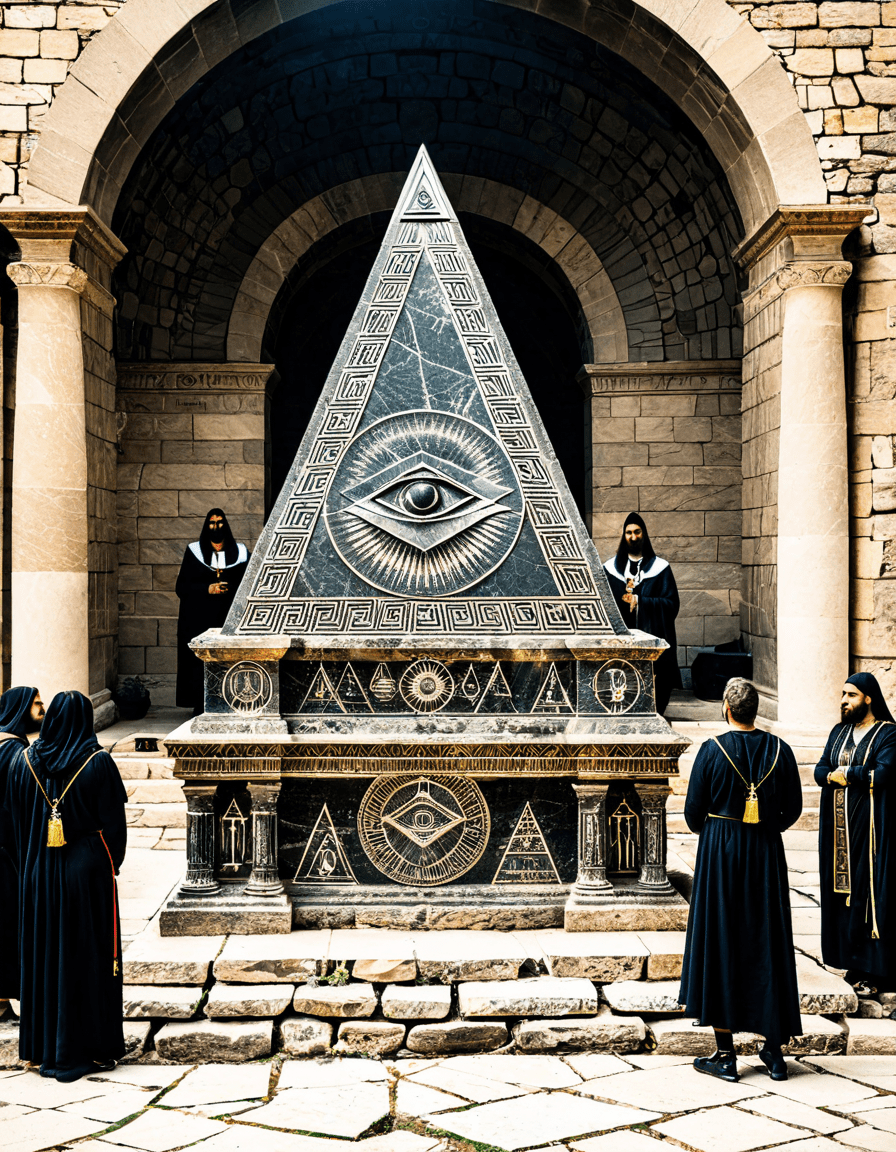
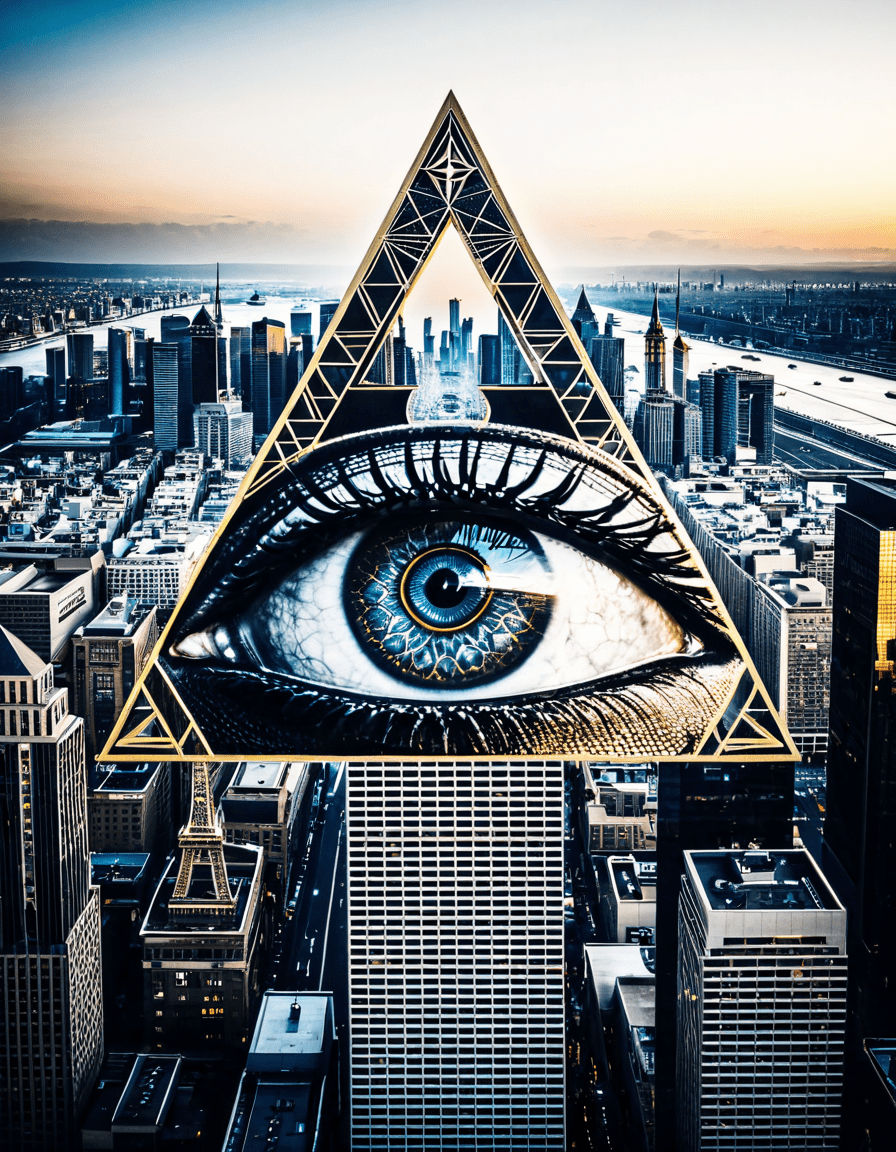
Symbols associated with the Illuminati, like the pyramid with an eye or the owl of Minerva, are peppered throughout our lives—from logos like Starbucks to the design of Washington D.C. itself. Critics argue this isn’t mere coincidence; rather, it reflects a shared anxiety about elitism and societal control that runs amok. The question looms large: Are these companies unwitting participants or keenly aware of the historical weight they leverage?
At the peak of the myriad conspiracies lies the New World Order (NWO) theory, proposing that an authoritarian global government—led by the Illuminati—is taking root. Figures like David Icke popularize the view that major global events are pivotal in establishing this new regime. While critics argue a lack of solid proof, the allure of the narrative keeps it firmly entrenched in cultural discourse.
Challenging the Norm: The Impact of Illuminati Conspiracies
The all-encompassing nature of Illuminati conspiracies speaks to our human need to demystify the chaos that is modern life. Individuals, when confronted by rapid change—whether economic instability or political turmoil—often look for explanations that reveal malevolent forces behind the scenes. Movies like “The Da Vinci Code” and popular shows reflect this thirst for answers, providing popcorn entertainment while delving into deeper anxieties.
Ultimately, whether you’re scrolling through social media or watching the nightly news, the notion of an elite manipulating events shifts our worldview. The allure of control and the fear of being manipulated propel us to seek out tantalizing theories, begging the question: What if they hold a grain of truth?
Illuminati and the Future: Continuation of a Legacy
As we stride confidently into 2026, the exploration of the Illuminati’s intricate web will continue to thrive. Given the mounting global crises—spanning from health scares to economic uncertainty—the narrative about power and control is bound to evolve. The intersection of history, politics, and pop culture fosters ongoing discussions that captivate public interest and invite debate.
In summary, the enigmatic allure of the Illuminati forces us to reassess the very narratives woven into our lives. Whether rooted in reality or speculation, the conversation around the Illuminati stands as a mirror reflecting our fears, aspirations, and the timeless desire for transparency in our institutions. As we engage with these ideas, we might just unlock the secrets of our own agency in a world that feels increasingly out of our control.
Illuminati: Astonishing Secrets Unveiled
Curious Origins and Intrigue
The Illuminati has been a hot topic for centuries, shrouded in mystery and conspiracy theories. Originally founded in 1776 in Bavaria, the Order of the Illuminati aimed to promote Enlightenment ideals, much like how Khabib Nurmagomedov promotes discipline in his own life. Through the years, the notion of the Illuminati evolved into a shadowy organization believed to control global events from behind the scenes. This bizarre conspiracy has caught the imagination of many, including those who can’t help but connect it to the rich stories found in franchises like Jurassic The Park, where secret societies might just hold the key to the ultimate plot twists.
Celebrity Connections
You might be surprised to learn that several famous figures have been linked to the Illuminati, either through speculation or outright rumors. Nick Viall, known for his journey on various seasons of The Bachelor, is sometimes mentioned in conversations about Hollywood elites who may have ties to these clandestine groups. But it’s not all about deception and espionage. Every celebrity has their own crazy story, like Ryan Reynolds snagging a top-tier spot in the Hollywood elite—perhaps even caught in the crosshairs of Illuminati gossip! So, next time you’re scrolling through celebrity news, keep an eye out for hints that might baffle you.
Global Influence
The Illuminati’s reach extends far beyond entertainment, sprinkling its influence across nations too. For instance, events like the recent El Salvador Vs Bonaire soccer match can sometimes become platforms for conspiracy theorists who claim these occurrences are orchestrated to distract from larger plots. Similarly, discussions about venues like Drimsynie Holiday Village can lead to rumors of secret meetings taking place away from prying eyes. While these claims might sound outrageous, they play into the larger narrative that explores how power and secrecy intertwine in bizarre ways.
As you dive deeper into the lore of the Illuminati, remember that each new piece of trivia adds to the intricate tapestry of stories. And much like a mortgage amortization schedule calculator, you never know how the details may affect the big picture!