1. The Sopranos: A Landmark in Television History
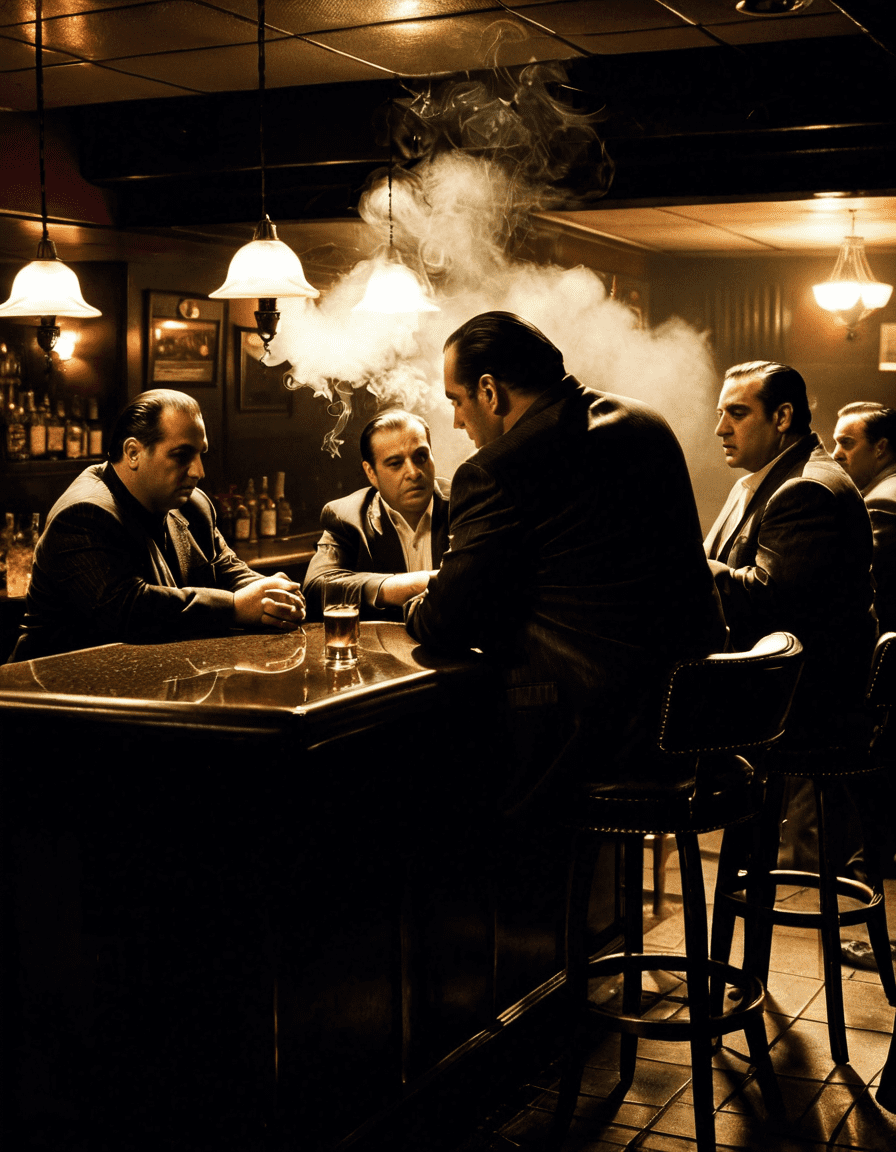
The Sopranos, created by David Chase, is often hailed as one of the greatest television series of all time. Premiering on HBO in 1999, this show didn’t just bring mobsters into our living rooms; it shifted the entire narrative framework of television. No longer were crime dramas just about the shootouts and the chase; The Sopranos interwove the violent chaos of organized crime with profound psychological insights, tackling themes such as family struggles, identity crises, and mental health.
At the center of this iconic narrative is mob boss Tony Soprano, brought to life by the phenomenal James Gandolfini. Through Tony, we encounter a man grappling with panic attacks and a turbulent relationship with his mother, Livia (portrayed expertly by Nancy Marchand). This riveting blend of mundane domestic life and the brutality of mob dealings offers a rich tapestry that elevated the crime genre, setting a high bar for what future television programming could achieve. It’s like watching a Shakespearean tragedy unfold within a gritty New Jersey backdrop.
In this groundbreaking series, the everyday routines of life in the Soprano household—the Sunday dinners, the familial arguments—often felt as tense as a mob power struggle. The show brilliantly depicted the double life led by Tony, a powerful crime lord who still had to confront the vulnerabilities that came with being a husband and father. This intricate layering made audiences invest not only in the adrenaline-pumping crime scenes but also in Tony’s soul-wrenching battles. In many ways, the show bridged the gap between the cold, hard world of crime dramas and the emotional depth usually reserved for family sagas, ensuring its status as a titan in television storytelling.

2. Top 7 Ways The Sopranos Redefined Television Narrative
The impact of The Sopranos extends far beyond its time slot—here are seven notable ways in which the series fundamentally changed television storytelling:
2.1. Complex Characterization
Tony Soprano wasn’t just your run-of-the-mill mobster; he was a deeply flawed character facing relatable struggles. His therapy sessions with Dr. Melfi (played by Lorraine Bracco) humanized him, showcasing that antiheroes could hold both likability and reprehensibility. This complexity has influenced the development of characters in subsequent series such as Walter White in Breaking Bad and Don Draper in Mad Men, proving that being offbeat can resonate with audiences.
2.2. Non-Linear Storytelling
The Sopranos often ventured into non-linear storytelling and embraced ambiguous conclusions as a stylistic choice. This daring approach opened up new avenues for writers, prompting them to abandon stale formulas. Shows like Westworld and The Leftovers have since embraced similar structures, inviting viewers to engage on a deeper level.
2.3. Cinematic Direction and Production Value
With visionary directors like David Chase and Alan Taylor steering the ship, The Sopranos offered a cinematic quality rarely associated with television. From lush cinematography that could rival blockbuster films to thoughtful mise-en-scène, the series set a new standard for visual storytelling. This paved the way for other ambitious works, such as Game of Thrones and The Crown, which introduced lavish production values into homes across America.
2.4. Realistic Dialogue and Cultural References
Authenticity shone through in The Sopranos, where dialogue felt fresh and genuine. Gone were the stylized lines of earlier productions; instead, dialogue was threaded with cultural references that struck a chord with contemporary viewers. It reflected societal issues that resonate even today in series like This Is Us and Atlanta.
2.5. Exploration of Mental Health
Tony Soprano’s mental health battles were front and center, introducing audiences to the idea that even the mightiest could be haunted by vulnerability. This exploration redefined character arcs in shows like BoJack Horseman and This Is Us, which delve into mental health topics with a nuanced lens. The Sopranos made it okay to show vulnerability, asserting that strength also comes with emotional battles.
2.6. Challenging Gender Roles
The Sopranos managed to flip traditional gender roles on their heads, revealing strong female characters who navigated power dynamics in a male-dominated realm. Carmela Soprano (Edie Falco) and Dr. Melfi challenged social conventions throughout the series, setting the groundwork for richer narratives in shows like Killing Eve and The Handmaid’s Tale.
2.7. Bold Conclusions and Open-Ended Stories
The infamous finale, which left many wondering about Tony’s fate, encapsulates The Sopranos’ embrace of narrative ambiguity. This bold choice redefined viewer expectations, proving that conclusions don’t always need to wrap up neatly. This legacy inspired series such as Mad Men and The Leftovers, showing that open endings can be just as impactful.
3. The Enduring Legacy of The Sopranos
The Sopranos didn’t just transform the crime drama genre; it made an indelible mark on the television landscape. Its departure from conventional storytelling techniques invites both admiration and critique, showcasing a narrative depth that has influenced a plethora of series over the years. Programs not only aspire to emulate the rich character arcs that The Sopranos pioneered but also seek to delve into deeper themes and build complex narratives.
As we journey further into the streaming era, the rise of quality television can be effectively traced back to the groundwork laid by The Sopranos. Today, creators continue to draw inspiration from its groundbreaking themes and characters, proving that this iconic crime drama is not just a relic of the past. Modern television storytelling, from intricate plots to nuanced character development, reflects the enduring legacy of this series.
In a world filled with streaming innovations, the principles established by The Sopranos continue to illuminate the path for future creators. Modern television may have evolved, but the literary and cinematic torch lit by The Sopranos remains as vital as ever, pushing the boundaries of what stories can achieve and ensuring that audiences will keep coming back for more. So while Tony may have faced his own set of challenges, it’s clear that his influence continues to resonate across screens today—both big and small.
In retrospect, The Sopranos is more than just a TV series; it’s a cultural phenomenon, one whose effects ripple through the art of storytelling even in 2026. Whether you revisit Journey To The Center Of The Earth or check out a thrilling Nuggets game, the spirit of The Sopranos lingers, a vivid reminder that sometimes the lines between good and evil aren’t just blurred; they’re utterly fascinating.
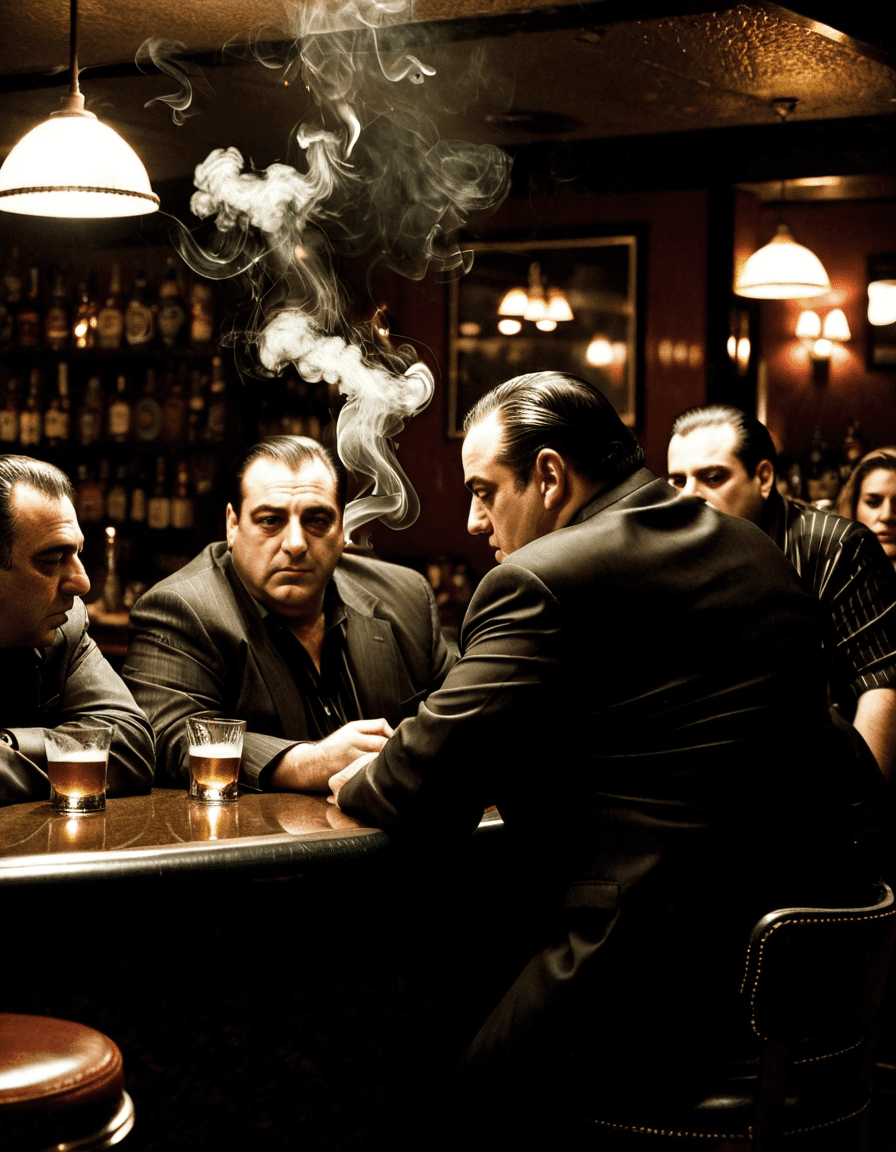
Sopranos: The Iconic Crime Drama That Redefined Television
Behind the Scenes with the Sopranos
Did you know that James Gandolfini, who played the iconic Tony Soprano, once nervously auditioned for the role? When he first read for it, he was so unsure of himself that he brought his own coffee Filters along, intending to use them to wipe off the sweaty palms that came with his nerves! Little did he know, he’d not only land the part but also become synonymous with the character, forever changing the way viewers saw mobsters on screen.
Another lesser-known tidbit: the final scene in the series sparked debates that still linger today. Fans can’t seem to agree about what happened to Tony in that tense diner moment. Some argue that it was a commentary on the uncertain nature of mob life, much like the unexpected outcomes in a Chiefs Vs Raiders game. Just as the thrilling unpredictability keeps fans on the edge of their seats, so did the ending of the Sopranos ignite conversations about fate and free will.
Cultural Impact and Legacy
The Sopranos also broke mold with its portrayal of mental health. Tony Soprano’s visits to Dr. Melfi took viewers on an unexpected journey into the mind of a mob boss, transforming stereotypes about masculinity. Interestingly enough, the show aired during a time when mental health was becoming a talking point in popular culture, but it did so in a c’est la vie manner that seemed refreshingly candid. Its influence? Certainly felt in shows like Breaking Bad and Mad Men, which followed suit with complex, flawed characters.
In a fun twist, the Sopranos had a surprising connection to the world of music. The infamous “Don’t Stop Believin’” scene isn’t just a dramatic conclusion to a captivating series—it’s a pop culture moment that echoes across different domains, including modern music collaborations like that of Selena Gomez and Benny Blanco. These unexpected links just underscore the show’s ability to merge various facets of life and media.
Fun Facts and Legacy
Here’s another fun fact: the show’s stellar writing was often compared to cinematic masterpieces, and no wonder! It’s been said that watching the Sopranos feels akin to enjoying a well-crafted film, much like the adrenaline rush felt in The Fast and the Furious (2001). This ability to blend thrilling drama with razor-sharp wit set the stage for a new era of TV storytelling.
Lastly, let’s not forget its social commentary! The Sopranos does a brilliant job tackling everything from family dynamics to the American Dream. You can even see parallels drawn from more whimsical fare, like Doremi anime, which unexpectedly highlights the different ways hardship is dealt with in various stories. Just as every character on the Sopranos has a backstory, every animated show carries themes that resonate with its audience, further proving that great storytelling knows no boundaries.
All in all, the Sopranos stands as a monumental achievement, embodying a remarkable tapestry of life, family, and crime. Its legacy is woven into the fabric of television history, and it’s clear that this groundbreaking show will be dissected and celebrated for years to come.