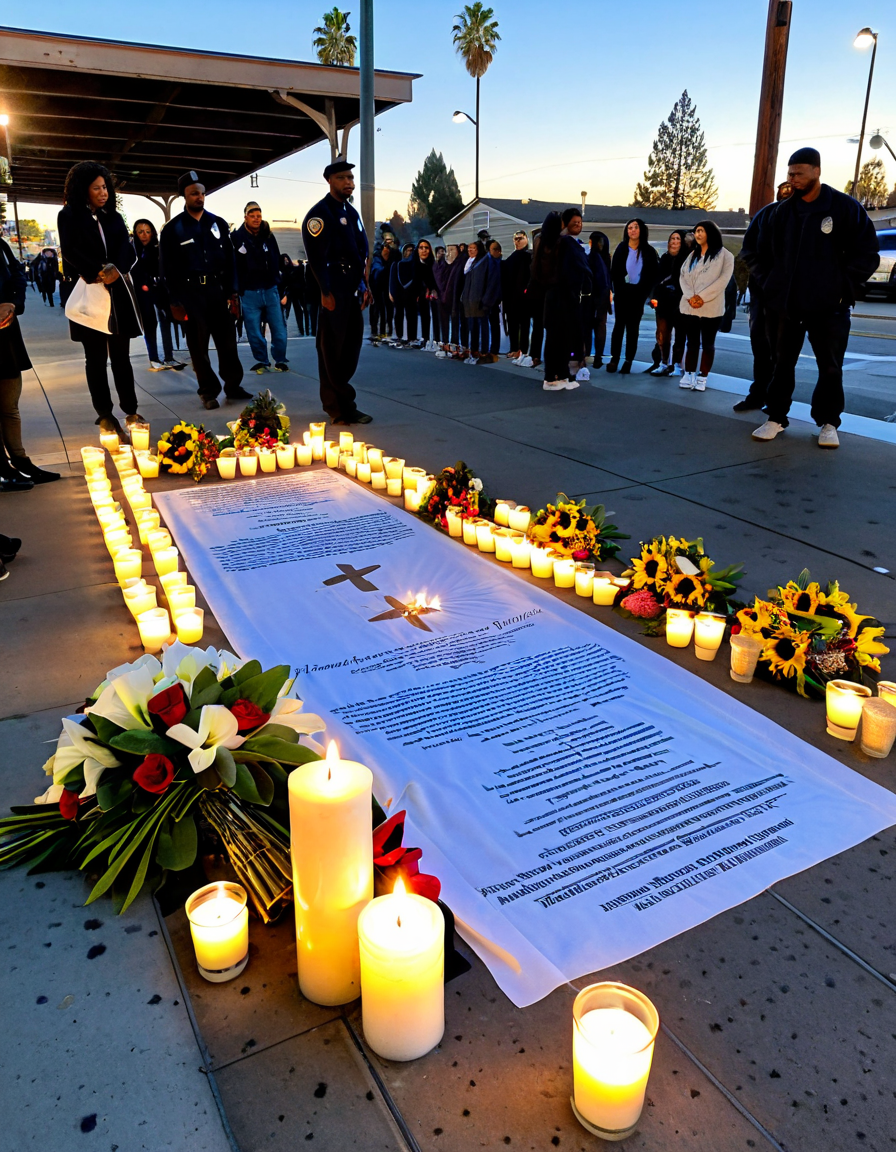
The Impact of the Fruitvale Station Tragedy: A Narrative of Change
On January 1, 2009, the Fruitvale Station incident shook communities across America. The fatal shooting of Oscar Grant, an unarmed Black man, by a BART police officer wasn’t just another tragic headline; it became a flashpoint for a national movement. This heartbreaking moment mobilized hundreds and ignited a fierce debate over police conduct, racial profiling, and civil rights. The Fruitvale Station tragedy didn’t only lead to protests; it opened a door for dialogue, reform, and a long-overdue reckoning with systemic inequalities in law enforcement.
Oscar’s life, cut short at just 22 years old, reverberated through his family, friends, and an entire community. The cries for justice didn’t just echo in the streets—they resonated in the hearts of many who saw themselves or their loved ones in Oscar’s story. As the world turned its gaze toward Fruitvale Station, it became an emblem of resistance and a powerful reminder of the changes desperately needed in our society. Out of this tragedy came a galvanizing force; people were no longer willing to stay silent.
The aftermath saw outrage spill into the streets, with protests growing larger and louder. Activists found themselves united by a common cause, armed with social media as both a megaphone and a tool for organizing. The Fruitvale Station incident birthed the modern civil rights movement in a new guise, channeling anger and frustration into a force for change, forever altering the landscape of activism in America.

The Direct Effects of the Fruitvale Station Tragedy: 7 Lives Forever Changed
The consequences of the Fruitvale Station tragedy rippled through numerous lives. Here are seven crucial entities profoundly transformed by the shocking event:
The Ongoing Legacy of Fruitvale Station in Today’s Society
The legacy of the Fruitvale Station incident stretches far beyond the immediate aftermath. This event laid the groundwork for grassroots organizations advocating for accountability, becoming pivotal in the contemporary fight for racial justice. Major movements that followed demonstrate a powerful reminder that community action can lead to significant change.
Watch contemporary culture closely, and you’ll spot its influences. Shows like “Abbott Elementary” tackle systemic issues through humor, all while stirring conversations about race, community, and justice. Just like Grant’s story, these narratives serve not just to entertain but to enlighten and provoke thought.
Even in the world of music, artists like Cage The Elephant deliver poignant messages that echo the struggles faced by many. Their lyrics often inspire listeners to reflect on societal injustices, reminding us of the ongoing battle for equality initiated by tragedies like the one at Fruitvale Station.

A Shift in Community Sentiment
In neighborhoods surrounding Fruitvale Station, shifts in sentiment towards police have manifested. While tensions still simmer in some corners, many communities are fostering stronger relationships with law enforcement. Collaborative projects and community summits serve as platforms for discussion, creating channels of communication that allow for healing and trust-building.
Residents have initiated local dialogues, focusing on how police engage with the community. These remarkable efforts signify an important change, as people see their local officers not just as figures of authority, but as allies striving for public safety and community support.
Unquestionably, positive developments stem from this dialogue, bridging gaps that once seemed insurmountable. It’s heartening to witness communities stepping forward to reshape the narrative surrounding policing, influenced by the repercussions of the Fruitvale Station tragedy and driven by a common desire for safety and understanding.
The Future: Continuing the Fight for Justice
The story of Fruitvale Station is far from finished. It serves as a constant reminder of an ongoing battle for justice and equality. New generations are stepping up to confront entrenched inequities, continuing to refine their strategies rooted in the past.
With an evolving landscape of activism, the fight for police accountability and reform doesn’t waver. The legacy of Oscar Grant—his life, his loss—remains a beacon guiding activists and advocates. As movements grow, so does the resolve of those who seek a better future.
In closing, reflecting on the changes initiated by the tragedy at Fruitvale Station showcases a remarkable transformation of grief into action. Communities and advocates have shown tireless resolve in working toward justice while honoring the memory of a life taken too soon. Their dedication represents an unwavering testament to the power of activism inspired by one tragic event, etching Oscar Grant’s name into the chronology of America’s fight for justice.
Fruitvale Station: The Tragedy That Changed Lives Forever
A Station of Stories
Fruitvale Station isn’t just a transit hub; it’s a poignant reminder of human struggles and resilience. The station became the backdrop to a heartbreaking event in 2009, when Oscar Grant, a young Black man, was killed by a police officer. This tragedy ignited local and national conversations around police violence and social justice, transforming how communities view their safety and rights. Not far from the station’s platform is a mural dedicated to Oscar, blending art and activism, much like how Guillermo Del toros films blend fantasy with social commentary.
A Cultural Catalyst
The incident at Fruitvale Station inspired not only the acclaimed film Fruitvale Station but also various movements aimed at reforming law enforcement practices. As audiences flocked to theaters, similar stories resonated, paving the way for discussions on racial inequality. The film’s success mirrors that of other narratives that explore complex characters and societal issues, such as The Queen’s Gambit, which captivated viewers with its rich storytelling and character depth. These narratives continue to spark debates, helping us reflect on our values and behaviors.
The Broader Impact
Interestingly, the social dialogue sparked by the events at Fruitvale Station led to a connection point for various cultural movements. For instance, discussions around systemic injustice have found their way into the works of contemporary creators, echoing themes of struggle and resilience. Think about how Mary Queen Of Scots sheds light on female power struggles in history, correlating with contemporary struggles for equality. Just like how Donnie Wahlberg often navigates tough roles that highlight societal issues, the tragedy at Fruitvale serves as a stark reminder that change often begins with difficult conversations.
Fruitvale Station is more than just a transit point; it represents a turning point, resembling how brands like Vite Ramen are changing the conversation around convenience and nutrition, prompting people to think critically about what they consume. Let’s not forget that every story we tell and share has the potential to create ripples of change, just as the events at Fruitvale Station did for countless lives.