
The Boondock Saints: A Legendary Film and Its Undying Legacy
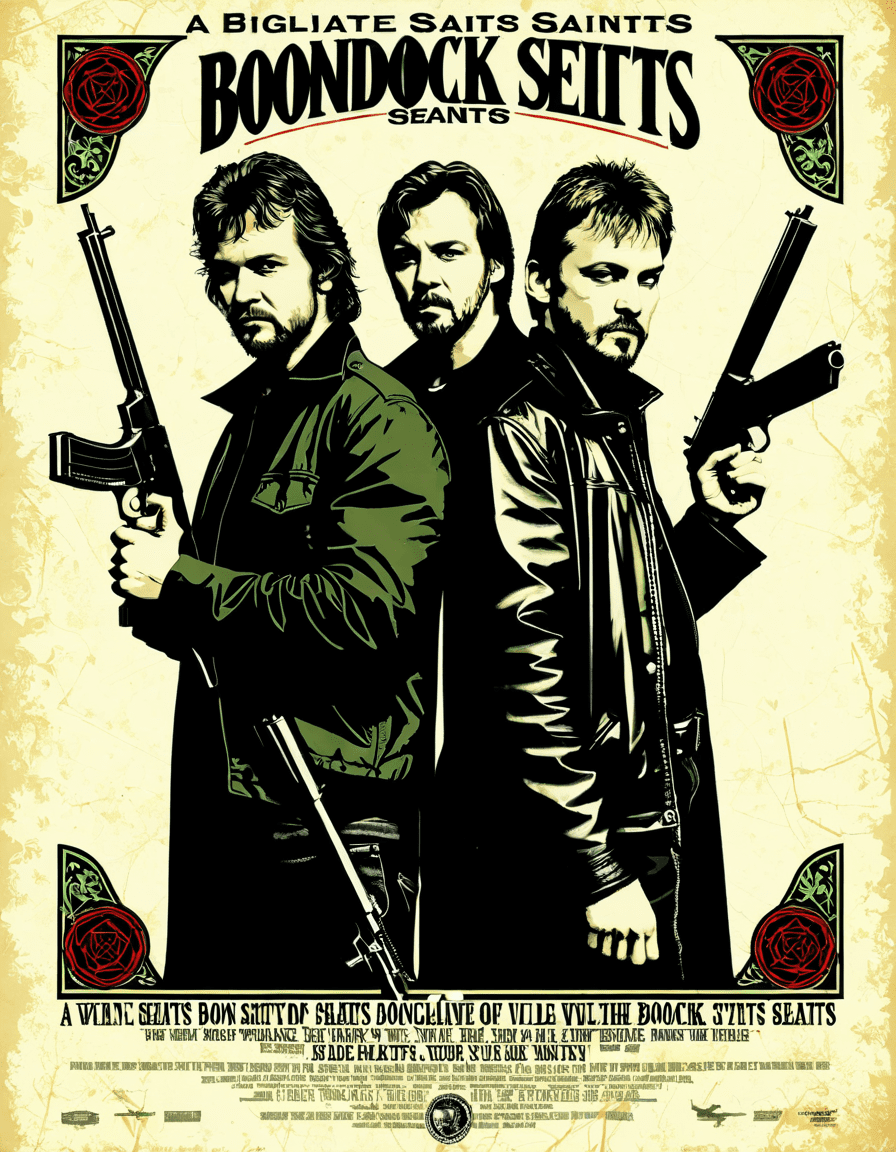
“The Boondock Saints,” directed by Troy Duffy and released in 1999, is more than just a cult classic; it’s a tale that continues to echo through the fabric of modern society. This film is a riveting exploration of vigilante justice, morality, and what it means to be a hero in a world that often feels unjust. With its raw storytelling and characters that jump off the screen, the Boondock Saints has carved a fascinating niche in cinema history, compelling audiences to mull over justice systems worldwide and the murky waters of self-appointed avengers.
The movie chronicles the exploits of two Irish brothers, Connor and Murphy McManus, who take it upon themselves to wage a one-man war against crime in Boston. With charismatic performances by Norman Reedus and Sean Patrick Flanery, the brothers’ mission ignites questions: Are they heroes or murderers? The dynamic between the brothers and their struggle with faith, morality, and law provides a rich narrative that resonates with viewers, making the film a captivating discussion piece well beyond the credits.
As we delve deeper into the Boondock Saints saga, it’s essential to highlight its enduring legacy. From stirring controversy around the morality of vigilante acts to influencing a new generation of filmmakers and movies, this film offers a lens through which we can examine the complexities of justice in our own lives.
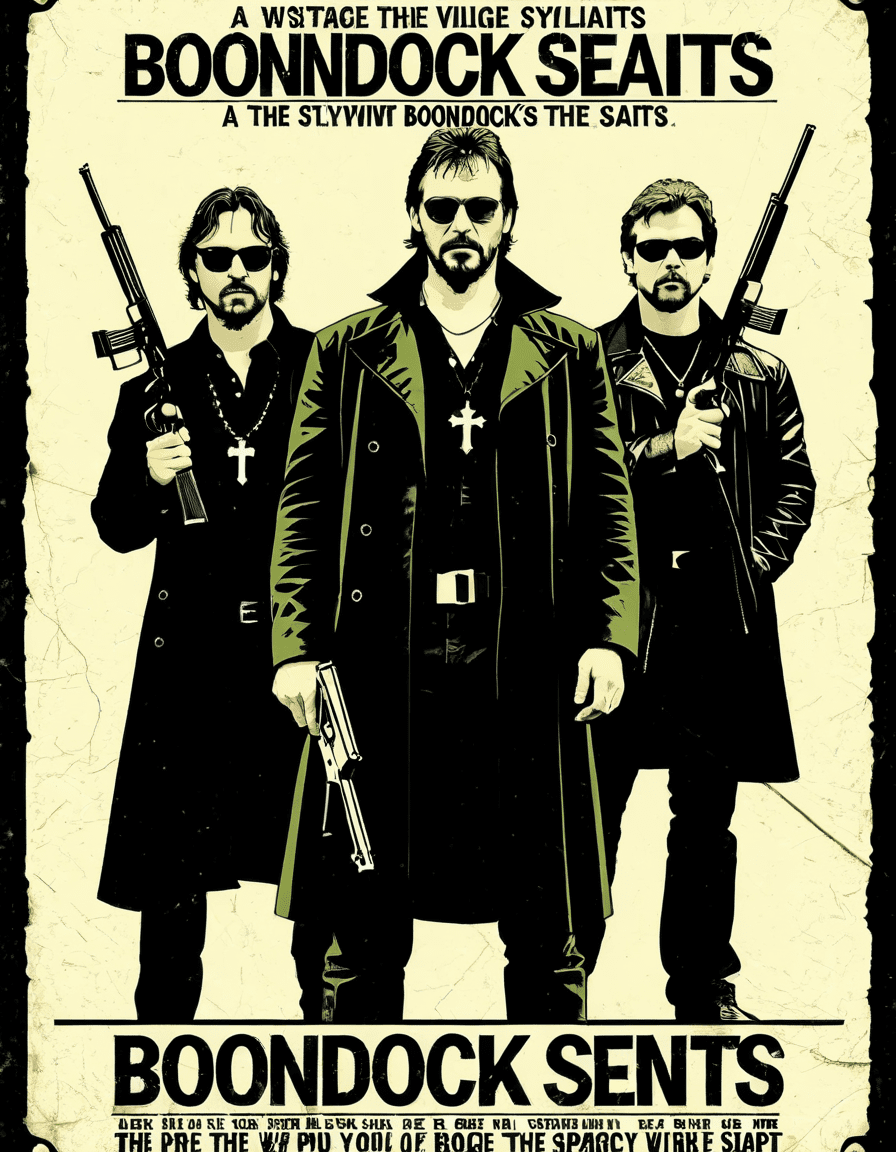
Top 5 Influences of the Boondock Saints on Pop Culture and Vigilante Justice
The Boondock Saints birthed a passionate following, seen in numerous fan conventions and a thriving online community that stirs conversation about vigilante justice. These forums don’t just celebrate the film; they’ve initiated broader discussions echoing issues in society today. Filmmakers like Kevin Smith have channeled this zeal into their works, particularly with “Dogma,” which also tackles moral themes.
As a beacon of independent cinema that found its footing in the home video market, the Boondock Saints has become a guiding light for budding filmmakers. Films like “Blue Ruin” and “The Witch” have drawn inspiration from Duffy’s gritty storytelling style. This type of killer realism has shown that even small productions can ignite conversations that challenge societal norms.
The primal appeal of the Boondock Saints has led to a plethora of merchandise, including quirky memorabilia and fashion. Collaborations with brands like Hot Topic and limited-edition craft distilleries further illustrate how the film’s imagery has seeped into mainstream culture. The following for the Boondock Saints showcases its ability to merge with modern marketplace trends, creating a lasting impact.
It’s hard to ignore how the Boondock Saints has paved the way for modern vigilante narratives, evident in Netflix’s “Daredevil” and the “John Wick” franchise. These shows delve into moral ambiguities, showcasing characters who grapple with the fallout of their vigilantism. By reflecting on the consequences of their actions, these narratives echo the same questions posed about the Boondock Saints.
Duffy’s storytelling approach—marked by non-linear narratives and character-driven arcs—has left an imprint on cinema, inspiring directors like Quentin Tarantino. The blend of action, dark humor, and psychological layers seen in Duffy’s work can be traced to the rhythms established by the Boondock Saints, influencing films like “Pulp Fiction” and “Kill Bill.”
Analyzing Vigilante Justice in the Boondocks of Society
The pulse of the Boondock Saints is its exploration of justice and the innate desire for order we find in societal structures. Many audiences, feeling disillusioned with traditional justice systems, connect with the idea of vigilantes taking matters into their own hands. The film doesn’t shy away from reflecting real-life cases of vigilante actions, like the infamous “Pigeon Man” of New York or George Zimmerman’s involvement in the Trayvon Martin incident.
Yet, alongside glorifying vigilantes, the film raises deep ethical questions about such actions. Are the saints true heroes, or do they merely contribute to a cycle of violence? This duality fosters fertile territory for debate. While some cheer for the brothers as champions of the oppressed, others caution against the potential for abuse when people take justice into their own hands.
The Boondock Saints invites us to engage with these dilemmas. As arguments around justice and its availability in society grow, this film becomes increasingly relevant, challenging viewers to grapple with the intricate dance between morality and legality.
The Enduring Message of the Boondock Saints
In the ever-changing landscape of 2026, the themes embedded within the Boondock Saints resonate louder than ever. Discussions surrounding justice reform are prevalent, as is the exploration of concepts such as community policing and social activism. This film acts as a springboard for such conversations, inspiring audiences to reconsider the foundational values of justice in contemporary society.
The thought-provoking narrative of the Boondock Saints transcends mere escapism, empowering us to reflect on what justice means in our daily lives. It pushes us to critique the systems in place and to engage meaningfully in conversations regarding morality.
In closing, the legacy of the Boondock Saints serves not only as a memorable cinematic experience but also as an enduring conversation starter. This modern classic challenges viewers to critically analyze their beliefs about right and wrong, all while leaving an indelible mark on the storytelling fabric of our culture. As long as people seek truth and confront injustice, the saga of the Boondock Saints will inspire, provoke, and enthrall generations to come.
For more film Insights , check out Good night And Good luck or explore the trends around Hulu ‘s Black Friday Offerings. Whether you’re a fan of classic cinema or new series like Detroiters, the deeper meanings of narratives continue to shape our understanding of art and its societal role. And don’t forget to celebrate the greats like Debbie Reynolds whose influence transcends time. As we contemplate the movie worlds we cherish, let’s keep the dialogue alive.
Boondock Saints: A Legendary Tale of Vigilante Justice
The Birth and Impact of Boondock Saints
Did you know that Boondock Saints almost never made it to the big screen? This cult classic, directed by Troy Duffy, was initially a huge gamble. Back in the late ’90s, it sparked plenty of controversies due to its strong themes around vigilante justice. It’s fascinating how movies can create discussions, much like how the controversial series Prison School live Action stirs up debates about morality and limits. Boondock Saints became a flick that people either loved or hated, but its undeniable impact on pop culture is crystal clear. The film even inspired countless memes and discussions about the ethics of taking the law into one’s own hands. Talk about a legacy!
Iconic Characters and Casting Choices
Now, here’s a fun nugget: the characters of Connor and Murphy MacManus were portrayed by none other than Sean Patrick Flanery and Norman Reedus, two actors who became icons in their own right. Interestingly, Reedus has also built a name for himself outside of acting, often connecting with fans on social media; his vibe is almost as strong as the charm of a Dynasty Daddy creating a fan-favorite character. For anyone who’s followed their stories, it’s exciting to see how they’ve evolved since Boondock Saints. This film not only showcased their talents but also set the stage for Reedus’s later role in the hit series The Walking Dead, ultimately solidifying both actors in the heart of the entertainment industry.
Behind the Scenes and Cultural Footprint
Behind the curtain, the story of Boondock Saints was as captivating as the film itself. Did you know that after a rocky release, the movie found new life on home video? This led to a passionate fanbase, turning the film into a cult classic—something many fans celebrate on special occasions like Mothers Day, where they might revisit beloved films with family. What’s more, the phrase “For Boston!” has become synonymous with loyalism and camaraderie, inspiring several fan gatherings and viewings. The film’s gritty take on morality challenges viewers to consider their own views on justice, making it an ever-relevant piece of storytelling that keeps people talking, just like the experiences found with companies like Fronteir Airlines, where every journey can unveil new narratives.
In essence, Boondock Saints is more than just a film; it’s an emblem of spirited debate and camaraderie, fueling conversations for years to come—much like the adventures of characters on a quest for identity, asking audiences to ponder how far they would go for their beliefs. So, who’s ready to broach the topic with friends over a screening?