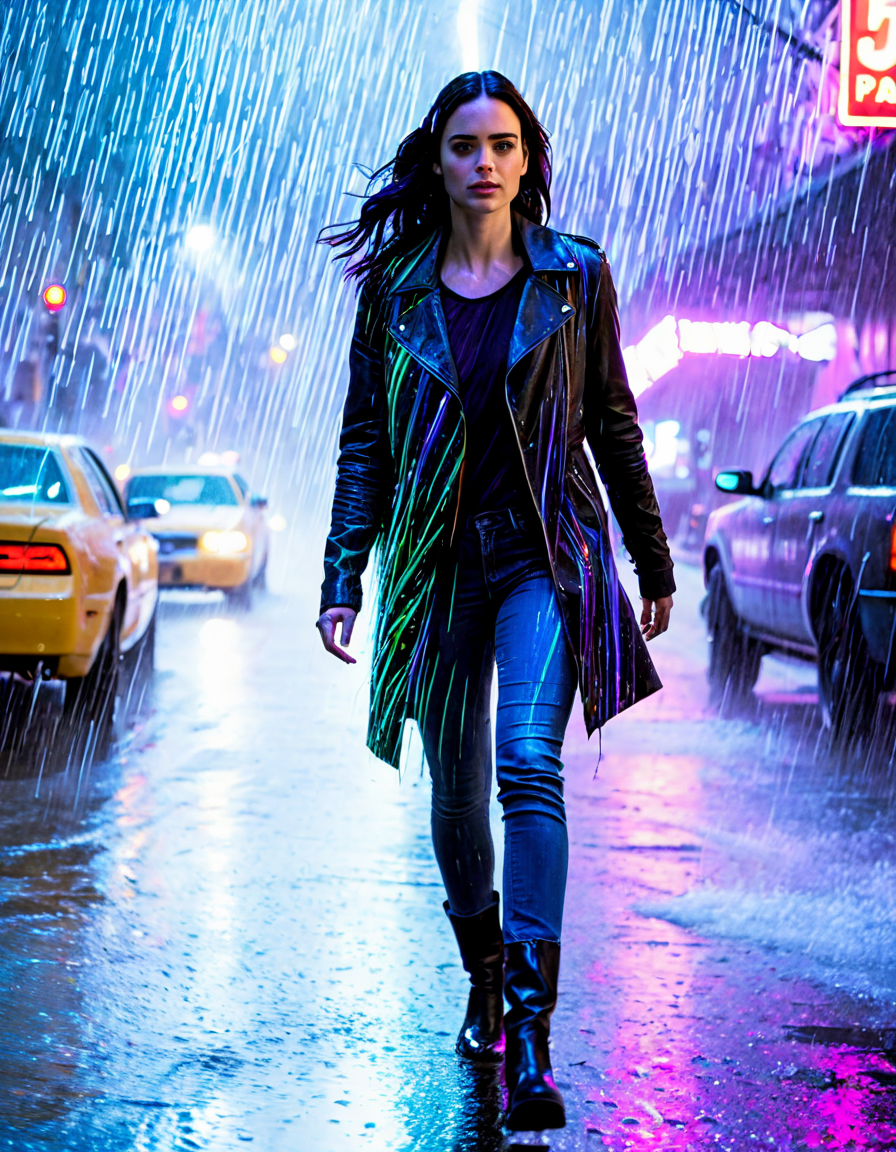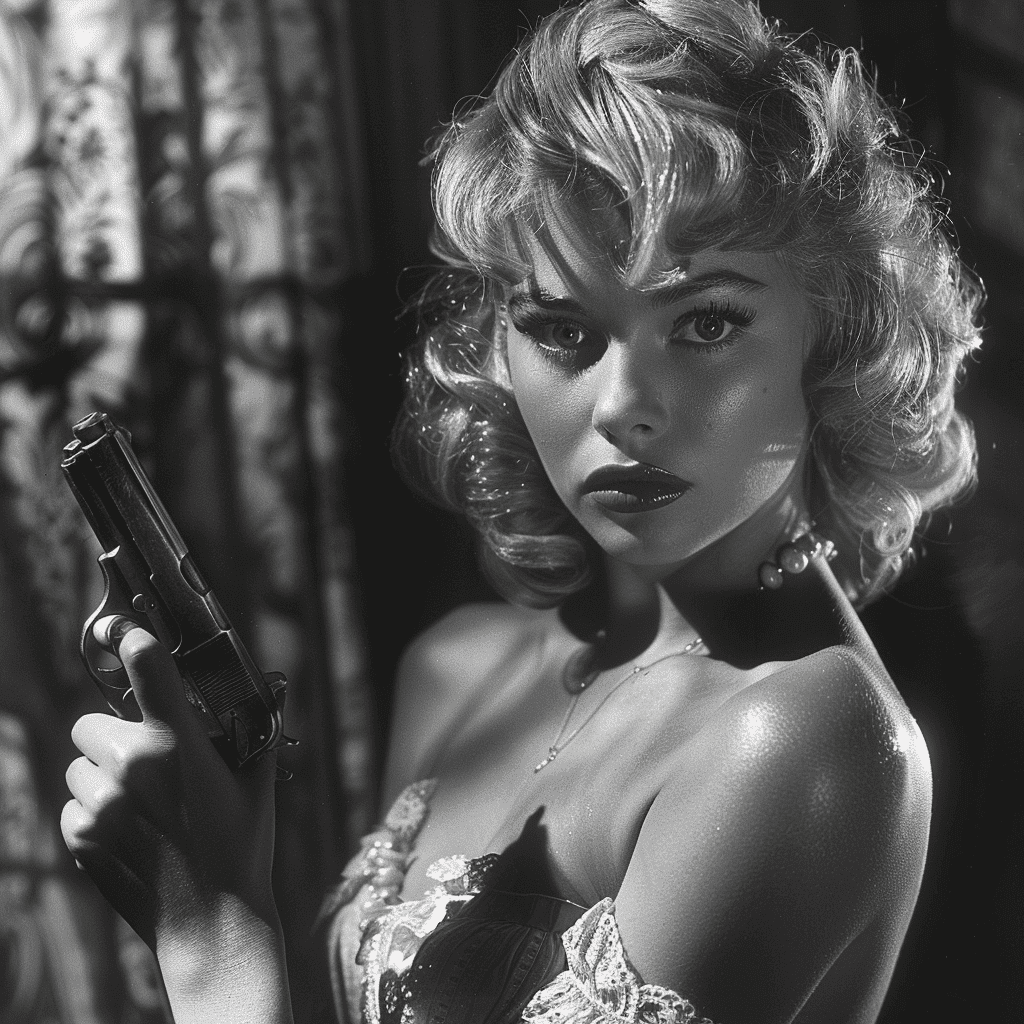
The world of horror is abundant with villains, but few resonate quite like the infamous Bride of Chucky—Tiffany and Chucky’s wild and twisted tale caught the film industry by storm. Released in 1998, “Bride of Chucky” not only solidified Chucky’s place in horror lore but also introduced Tiffany, a female antihero who shifted the ground beneath slasher films. Blending camp and chills, this film challenged audiences by presenting a strong female lead who was both ruthless and relatable, breaking the typical mold of horror villains. This entry not only reiterated the notion that horror can encapsulate complex character dynamics, but it also ushered in a new era that combined terror with an audacious sense of humor.
The Enduring Appeal of Bride of Chucky in Horror Culture
Tiffany, brought to life by the iconic Jennifer Tilly, embodies a delightful contradiction. As a doll with a murderous streak, she navigates a world where femininity meets ferocity. Tiffany’s charm, laced with dark humor, casts her as a relatable antihero who invites sympathy as much as it does fear. She breaks free from the confines of victimhood, asserting her agency and becoming a compelling force alongside Chucky, played masterfully by Brad Dourif. This refreshing portrayal promotes a dialogue about gender in horror, suggesting that women can embody strength and complexity without sacrificing their humanity.
The clever intertwining of comedy and horror remains a defining feature of Bride of Chucky’s legacy. The film disregards the traditional elements of slasher films—bloody chases and relentless screams—opting instead for a mix of dark humor and unapologetic gore. This aesthetic not only resonates with fans of horror but also enlightens new ones drawn to the intricacies of character development. Tiffany’s fierce determination to marry Chucky becomes a metaphorical tapestry, representing desire amidst chaos, as she unflinchingly expresses her love for a doll hellbent on murder.
“Tiffany” may just be a doll, but her impact is profound. She epitomizes the growth that horror can undertake while still embracing its roots. Fans of both the horror genre and cinema recognize the film’s significance over the years and how a doll earned its place alongside some of the most storied horror characters. In a world fixated on slasher villains, she sparks a relatable sentiment; vulnerability coexists with terror, especially when fueled by love.
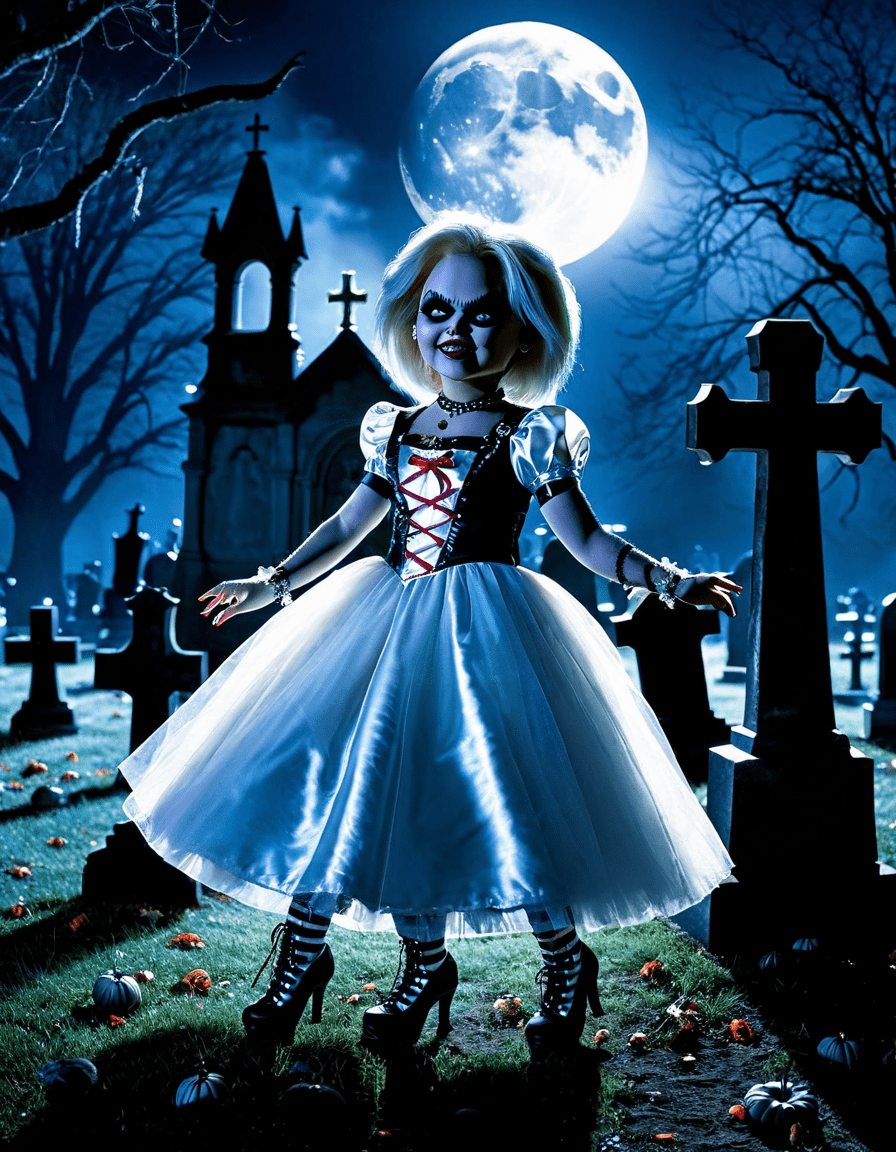
Top 5 Influential Horror Icons Inspired by Bride of Chucky
The influence of “Bride of Chucky” rippled through pop culture, inspiring numerous characters who reflect its unique charm. Here are five horror icons that echo the extraordinary blend of elements Tiffany and Chucky introduced:
The Evolution of the Chucky Franchise: From Child’s Play to Bride of Chucky
The Chucky franchise has undergone a dramatic evolution since the original “Child’s Play” debuted in 1988. The arrival of “Bride of Chucky” signaled a creative shift, infusing the series with meta-narrative elements and self-referential humor that drew in a fresh generation of fans. It broke down boundaries by melding horror with comedy, setting a new standard for what slasher films could be.
This amalgamation of genres is evident in the franchise’s later entries, such as “Cult of Chucky.” Each sequel builds on the humorous yet terror-filled foundation “Bride of Chucky” established, allowing for a broader exploration of darker themes in lighter contexts. Notably, this creative departure paved the way for other popular titles like “Scream” and “What We Do in the Shadows,” where excessive gore intertwines with wit.
While there’s a delicate balance maintained in the series, the brilliance of “Bride of Chucky” serves as a beacon for horror filmmakers. It showed that expanding the genre’s boundaries doesn’t dilute its scares; rather, it elevates them. Through its meta-commentary on horror conventions, it resonates well beyond its initial release.
The Impact of Bride of Chucky on Modern Horror Aesthetics
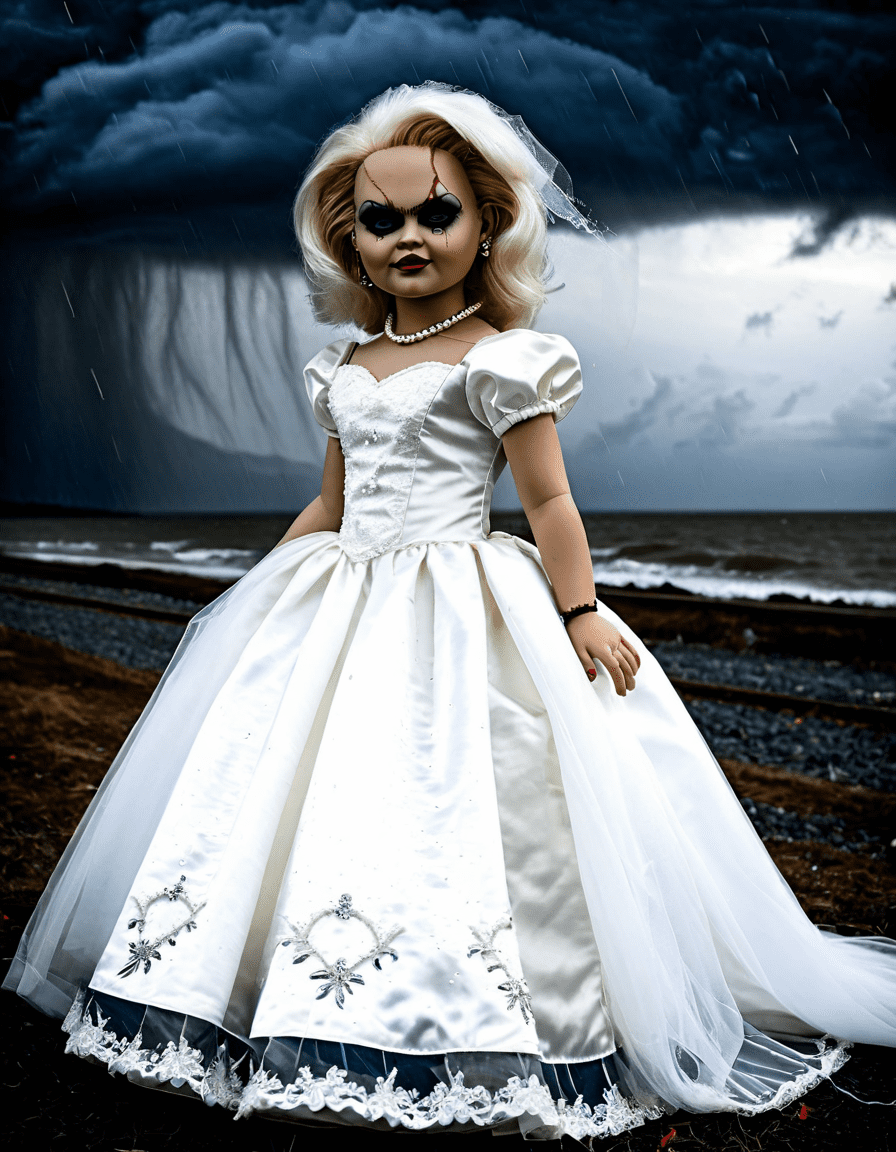
“Bride of Chucky” revolutionized horror aesthetics, introducing vibrant color palettes and gothic fashion elements that modern films have embraced. The film dared to step away from the drab, muted tones of earlier slasher flicks, opting instead for a visually striking and stylistically distinct approach. This daring reflection inspires films like “Happy Death Day” and “Tucker and Dale vs. Evil,” where rich visuals seamlessly blend with humor, creating a unique aesthetic that appeals to viewers.
Moreover, Tiffany’s couture—a beautiful mix of bridal elegance and gore—stands as a symbol for embracing individuality within horror. Her fashion choices evoke the notion that even horror can maintain an artistic sensibility, enriching the overall narrative. Consequently, a shift happens in horror cinema, as directors begin to recognize that visual splendor can exist without sacrificing story quality. Elements from Bride of Chucky serve as stylistic blueprints for a slew of contemporary horror films, making them undeniable game-changers.
By adapting different elements of horror, “Bride of Chucky” proved that visuals are as crucial as the stories being told. It sparked a conversation about aesthetic choices no longer being merely decorative but essential to the emotional weight of a film. This idea catalyzed numerous filmmakers’ imaginations and ultimately revitalized horror’s artistic dialogue.
The Community and Cult Following Behind Bride of Chucky
One cannot overlook the dedicated community surrounding “Bride of Chucky.” As time progressed, fans have embraced the film with a fervor that extends far beyond the screen. Tributes through cosplay, fan art, and discussions in online forums reveal how deeply the characters resonate. These activities not only promote engagement but keep the legacy of both Tiffany and Chucky alive, sustaining vibrant conversations within the horror community.
Special events and fan conventions often highlight the cultural significance behind “Bride of Chucky.” From cosplay competitions of Tiffany’s striking look to tributes and themed merchandise, fans actively maintain a lively homage to the film. Platforms like TikTok and Reddit provide an avenue for unearthing fan theories, unique interpretations, and humorous re-enactments that unify followers scattered across the globe.
In this way, the film has formed a robust tapestry of relationships among fans and characters alike. As Chucky and Tiffany become integral parts of horror culture, the love for these characters thrives even after the credits roll. Their journeys inspire ongoing discussions, pointing to the film’s ever-present relevance and the long-lasting bonds forged through shared appreciation.
How Bride of Chucky Redefined Gender Roles in Horror
“Bride of Chucky” fundamentally challenged conventional portrayals of women in horror by giving Tiffany a newfound sense of agency. While early horror films often relegated women to the roles of victims or innocents, Tiffany subverts those archetypes. She emerges as a character that embodies strength, complexity, and an undeniable presence that reshapes the conversation on gender representation within the genre.
This portrayal resonates with a broader societal shift in how media depicts women. The film urges contemporary filmmakers to break free from regimented gender roles, advocating for greater diversity and depth in character construction. Tiffany models a refreshing take on femininity, demonstrating that women can be both nurturing and malignant, paving the way for future horror heroines to explore their multifaceted identities.
By choosing to dwell on characters like Tiffany, filmmakers contribute to the expansion of narrative possibilities within horror. The film reaffirms that horror’s landscape can include strong female leads who challenge and redefine expectations, revealing a path for richer storytelling. As “Bride of Chucky” pushes the envelope, it inspires upcoming talent to delve deeper into character-driven narratives that resonate with audiences.
Final Thoughts on the Legacy of Bride of Chucky
The legacy of “Bride of Chucky” is one marked by daring innovation and the unforgettable chemistry of its titular characters. It showcased a delightful blend of horror and humor while reimagining iconic tropes, reminding audiences of the genre’s potential for evolution. This film not only inspired pop culture references but also ushered in dynamic character interactions that continue to stun viewers.
The unique character dynamics in “Bride of Chucky,” particularly the complexities of Tiffany and Chucky, serve as reflections of a genre that’s ever-evolving. Beyond just horror, it represents the heart of storytelling itself—characters who resonate, provoke thought, and, above all, entertain. With a dedicated community keeping their legacy alive, it’s clear that Tiffany and Chucky will remain crucial to the fabric of horror culture.
As we look forward to a new era of films shaped by our fascination with horror, the lessons learned from Bride of Chucky are as significant as ever. The film’s audacity and creativity ushered in conversations worth exploring while reminding us that characters lie at the core of engaging narratives. In a world where horror continues to grow, Tiffany and Chucky remind us all how diverse and engaging the genre can be while urging both creators and fans to embrace the chaos.
Bride of Chucky: A Horror Icon’s Terrifying Legacy
Behind the Scenes of Bride of Chucky
Did you know that Bride of Chucky was a game-changer for the series? Released in 1998, it marked a shift toward a more comedic take on horror. This blend of humor and terror wasn’t just a whim; it was inspired by other horror films that had begun to explore irony and satire. Speaking of iconic characters, Jennifer Tilly, who portrayed Tiffany, not only brought a unique vibe to the film but she’s also appeared alongside the Ridiculousness cast, adding to her diverse portfolio. Tilly’s ability to switch between horror and humor is notable and keeps audiences guessing about her next move.
Fun Facts about Tiffany and Chucky
The dynamic between Chucky and Tiffany became an instant hit, leading fans to embrace their complicated and twisted romance. Interestingly, the doll costumes used in the film were custom-made to reflect their personalities. Just imagine the craftsmanship behind something like that! It’s as though every stitch tells a story about their chaotic love. Tiffany’s look even shades into some fashion inspirations that could rival any Padme costume, proving that horror can have its glam moments.
And here’s a little nugget for trivia buffs: the film’s success paved the way for its continued legacy, resulting in additional sequels. Fans can see how this blend of humor and horror has evolved over the years. Speaking of eerie transformations, Tiffany’s character has even become a fashion icon in her own right, being referenced in various pop culture, while also showcasing elements that reflect other interests, like the athleticism of Corey Everson and the charisma found in Starbuck.
Chucky’s Enduring Impact
As we look back at the legacy of Bride of Chucky, it’s fascinating to see its impact in contemporary horror. It significantly influenced how horror films are created today, encouraging more self-referential humor. Plus, the franchise has kept audiences engaged by integrating current trends and societal commentary, sometimes touching upon heavier topics that resonate with viewers. How wild would it be to see Chucky hosting events like Final Jeopardy Today? It’s a fun concept, contrasting his villainous nature with a trivia game.
Lastly, Tiffany and Chucky’s adventures resonate beyond the screen, harkening back to various cultural references, even addressing absurdities like racist Asian Jokes in a more thoughtful context. The film not only entertains but subtly prompts audiences to think, much like how a lesson in biology would cover essential topics surrounding paramecia. With a blend of horror, humor, and a touch of social commentary, the Bride of Chucky continues to be an unforgettable part of horror history.