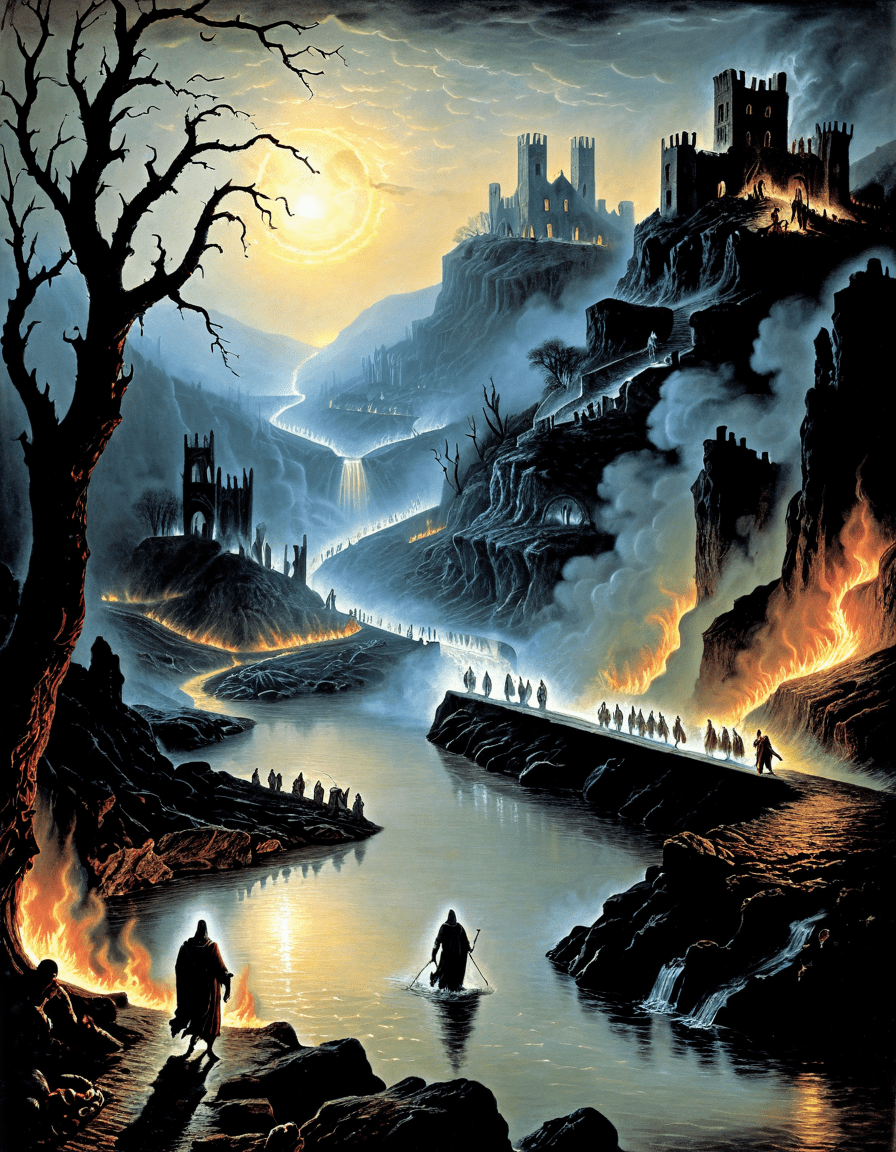
Dante Alighieri’s Inferno, the first part of his monumental work Divine Comedy, dives deep into hell’s dark realms, exploring the notion of sin and divine justice. Through Dante’s eyes, we embark on a perilous journey through the nine circles of Hell, each a meticulous representation of human failing. Like a timeless echo, Dante’s narrative continues to influence countless artists and storytellers, weaving itself into the fabric of modern media. From literature to film, Dante’s Inferno offers a rich tapestry that magnifies the core of human experience in ways you may not expect.
In today’s world, where morality often appears blurry and transient, engaging with the themes of Dante’s Inferno allows us to reflect on our actions and the consequences we face. It raises numerous questions, for example, how do personal choices collect in our guilt? Or how do societal norms shape our understanding of sin? Pondering Dante’s keen observations might just reveal new layers of insight into our contemporary lives.
## Dantes Inferno: The Journey Through Hell’s Dark Realms
1. Limbo: The Sense of Lost Potential
In the first circle, we encounter virtuous pagans and unbaptized infants. Figures like Virgil and Socrates linger here, embodying a sense of lost potential ironically mingled with peace. Dante invites us to reflect on what could’ve been, stirring feelings about our own unfulfilled dreams. This makes us ponder about contemporary figures, such as Catelynn baltierra, whose struggles juxtapose the peace of potential against the backdrop of reality.
2. Lust: The Consequences of Passion
Dante introduces us to the second circle where the lustful are punished—a striking representation of how yielding to desires leads to chaos. Characters like Francesca da Rimini teach us about the dangers of unchecked passion. In today’s world, we see similar narratives playing out, especially in the celebrity sphere where a single emotional decision can shatter lives. Consider how public figures often experience their own Dante’s Inferno as they navigate the chaos of fame.
3. Gluttony: The Impact of Excess
In this circle, gluttons are submerged in filth, eternally consuming yet never satisfied. This imagery reflects modern consumerism, showing how our society often embraces excess rather than moderation. Like today’s fast-fashion models—think brands such as Shein—who cultivate a lifestyle of waste, Dante’s image of gluttony illustrates the emotional void this behavior cultivates.
4. Greed: The Illusion of Material Wealth
The greedy toil endlessly under heavy burdens, pushing boulders uphill as punishment for their endless pursuits. This representation is undeniably relevant to today’s financial moguls whose relentless chase for wealth can echo Dante’s warnings. Much like the infamous Wall Street elites, the sins of greed don’t come without their consequences, both for themselves and society at large.
5. Wrath and Sullenness: The Dual Nature of Anger
Anger is a disruptive force that Dante soulfully portrays in this circle. Wrathful spirits fight while the sullen sit in despair, revealing how unresolved anger leads to chaos and despondency. In an age where we grapple with mental health awareness, Dante’s insights strike a chord, opening the door to discussions about how many of us deal with unresolved rage, similar to feedback we witness in shows like How I Met Your Father.
6. Heresy: The Cost of Belief
Within the fiery graves of heresy, we witness how questioning established norms comes with grave consequences. The seekers of truth—a similarity to contemporary activists—often face harsh repercussions, making us consider our societies’ acceptance of diverse beliefs. This circle challenges us to reflect on our own faith vs. conventions, prompting thought about figures like Audra Mcdonald, who challenge norms through their art.
7. Violence: The Manifestation of Rage
Dante explores violence in three forms: against others, against oneself, and against God. Each subdivision surfaces historical and modern societal issues, reminding us of the violence that permeates our lives, including domestic violence that echoes as a contemporary horror. Dante’s exploration resonates with the endless cycle of turmoil plaguing those in despair.
8. Fraud: The Complexity of Deceit
Down in this circle, sinners wallow in a foul river of deceit, exemplifying the strong moral decay tied to dishonesty. Reflecting on prominent fraud cases, like Enron, we see how such treachery disrupts society at multiple levels, paralleling Dante’s grim portrayal of the consequences faced by those who choose lies over truth.
9. Treachery: The Ultimate Betrayal
At the bottom of this horrific realm lie the betrayers, condemned to eternal suffering. Characters like Judas showcase the severe repercussions that betrayal brings—a profound reflection of loyalty’s value in our lives today. In a world fraught with betrayal in politics and personal relationships, Dante’s lessons on fidelity resound throughout our struggles.
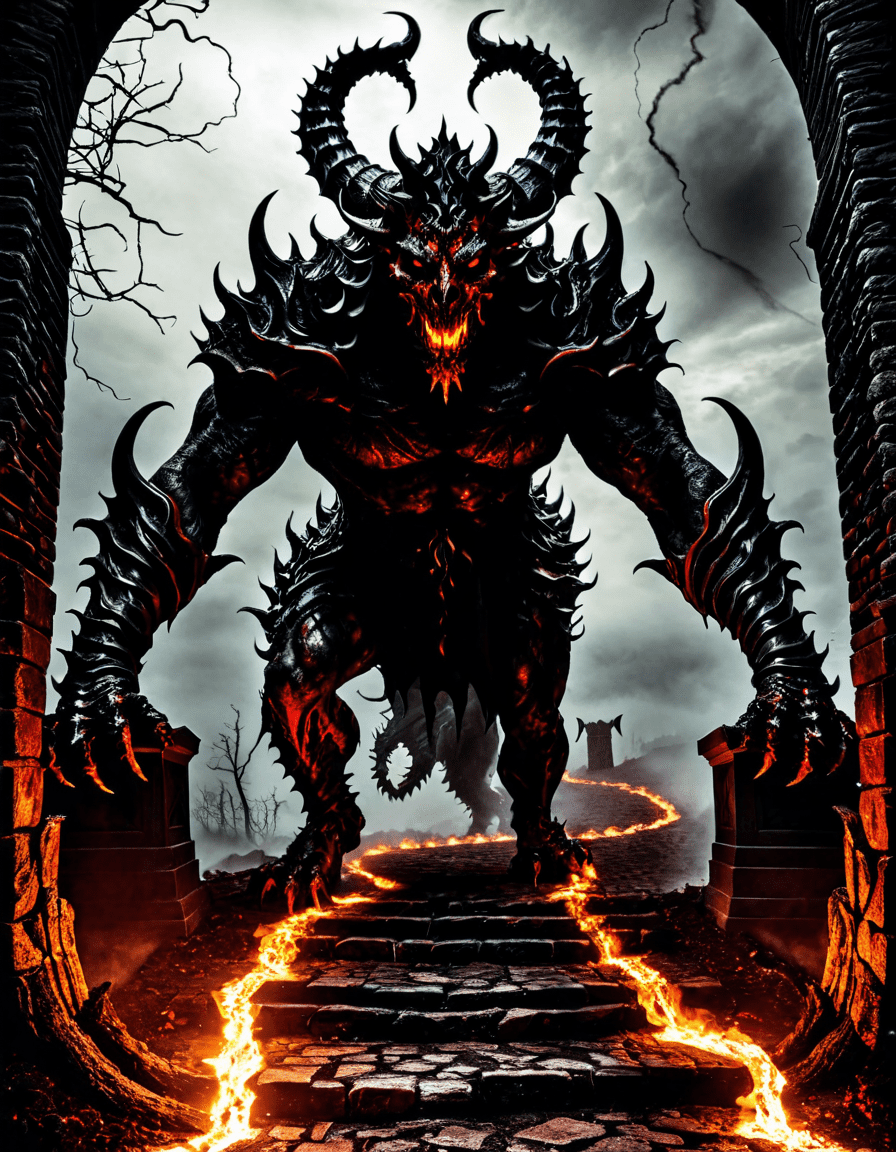
## Dante’s Inferno: The Journey Through Hell’s Dark Realms
Dante’s narrative transcends literary confines, influencing countless adaptations in film, music, and visual art. Movies like What Dreams May Come and The Last Temptation of Christ tread similar themes found in Dante’s Inferno. They illustrate the human condition’s ever-relevant complexities, revealing Dante’s insights can traverse centuries and resonances effortlessly.
Video games, most notably Dante’s Inferno from Visceral Games, invite players into an interactive retelling of his symbolic journey, allowing for personal demons to be faced. Similarly, visual artists like Salvador Dalí and Gustav Klimt translated Dante’s vivid imagery into compelling artwork, which catalyzes introspection and discussion about the moral dilemmas that permeate our lives.
Reflections on a Timeless Journey
Dante’s Inferno serves as a profound exploration of human flaws, illuminating fundamental truths about morality and the quest for salvation. Its richly layered narrative invites readers to delve deeper into their own lives, inspiring self-reflection and understanding centered on human experiences. By urging us to confront our transgressions, Dante’s journey through Hell’s dark depths becomes a timeless treasure, relevant in every age.
As we navigate through our own darkness, the lessons inscribed in Dante’s Inferno give us a roadmap to righteousness, unveiling the importance of understanding ourselves and each other. Just as engaging with Dante’s Inferno can inspire personal reflection, it also sparks broader dialogues around ethical dilemmas faced in modern society, making it a seminal work that beckons every generation to explore its foundational truths.
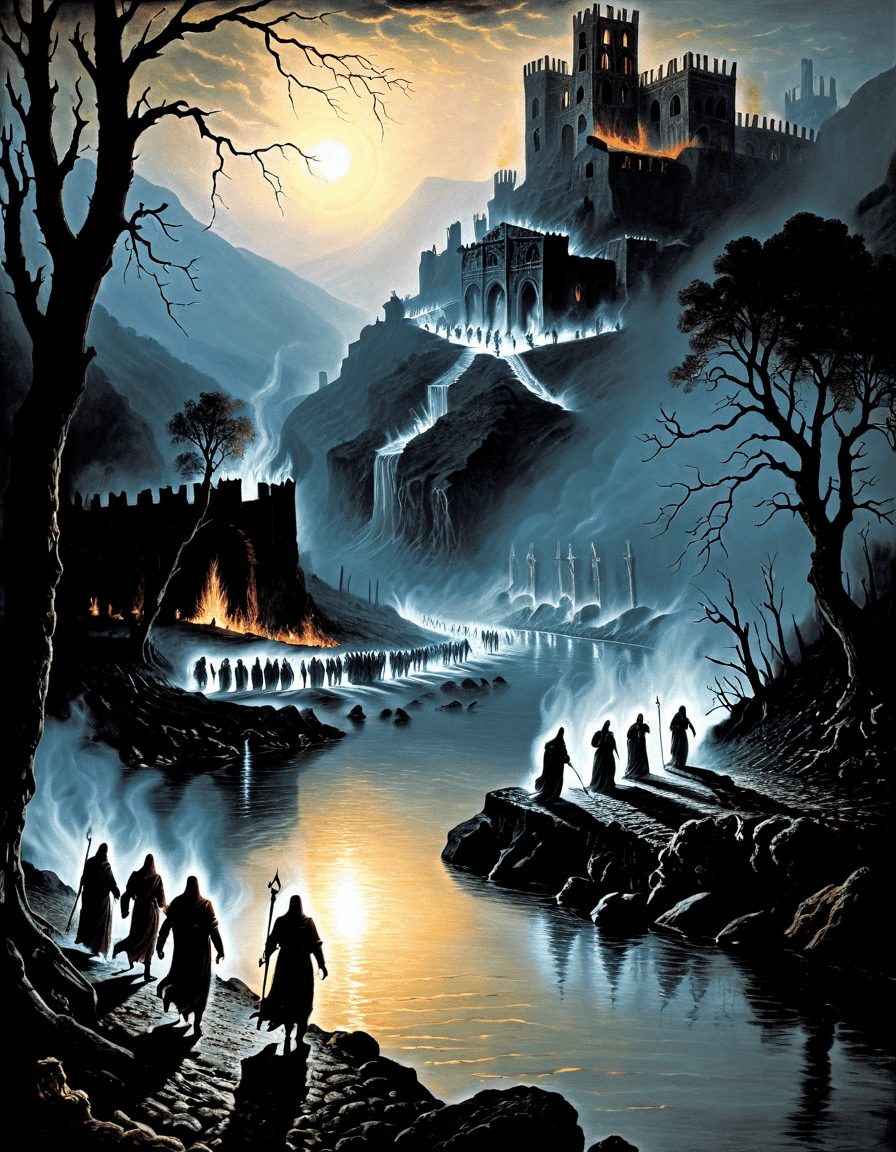
Dantes Inferno: Fun Trivia and Interesting Facts
The Artistic Legacy of Dantes Inferno
Did you know that “Dante’s Inferno” has inspired countless works of art, literature, and even video games? The vivid imagery of Hell and its punishing circles have sparked the imagination of creators across generations. The concept of eternal damnation featured in the poem can draw a parallel to transformative stories like Who Framed Roger rabbit, where good and evil are intricately woven into the fabric of the narrative. It’s fascinating how stories, whether about a wandering soul or animated characters, reflect our deepest fears and hopes. Plus, Dante himself was such a pivotal figure in literature that modern adaptations, including video games, tap into themes first explored long ago, akin to the fantastical elements found in Merlin.
Dante’s depiction of sinners and their respective punishments has sparked debates about morality and justice. Every circle of Hell resonates differently with readers, much like the twists in a classic sitcom like the Mary Tyler Moore Show cast’s adventures, each tackling life’s absurdities in their way. Beyond entertainment, Dante’s attention to detail underlines philosophical themes about human fallibility that remain relevant today. As we explore these dark narratives, we can’t help but notice how they connect with a greater understanding of human behavior, much like athletes contemplating the science behind Carb loading before a big race.
The Language of Hell
Interestingly, Dante’s original text, written in Tuscan vernacular, marked a notable shift in literature from Latin to a language the common people could understand. This made literature accessible and paved the path for modern storytelling. Similarly, this accessibility mirrors how leech therapy has evolved from an ancient remedy to a contemporary wellness practice, showing how traditions can influence modernity. The very structure of “Dante’s Inferno,” divided into cantos, creates a rhythmic narrative that pulls readers into its depths, ensuring no one leaves unscathed by its moral lessons.
Moreover, Dante wasn’t just inventing a story—he was steeping his work in theology, politics, and philosophy. This intricate layering, much like film adaptations that breathe new life into classic tales, has kept “Dante’s Inferno” alive in popular culture. The layers reflect our own struggles, with elements similar to the darkly comedic undertones found in the stark contrasts of tales like Who Framed Roger Rabbit. The more you dive into Dante’s work, the richer the experience becomes, revealing how it continues to shape and inspire storytelling across various mediums.