Martin Scorsese’s The Wolf of Wall Street pulls back the curtain on a wild world of wealth, power, and the unquenchable thirst for more. The film, based on the life of infamous stock broker Jordan Belfort, played by the ever-charismatic Leonardo DiCaprio, dives deep into the mechanics of greed. Observing the debauchery of the financial district feels like observing a modern-day Sodom and Gomorrah, where ethical boundaries are blurred in pursuit of the almighty dollar. In this article, we unravel the layers to reveal the top seven lessons from the film that reflect the pitfalls of unchecked ambition.
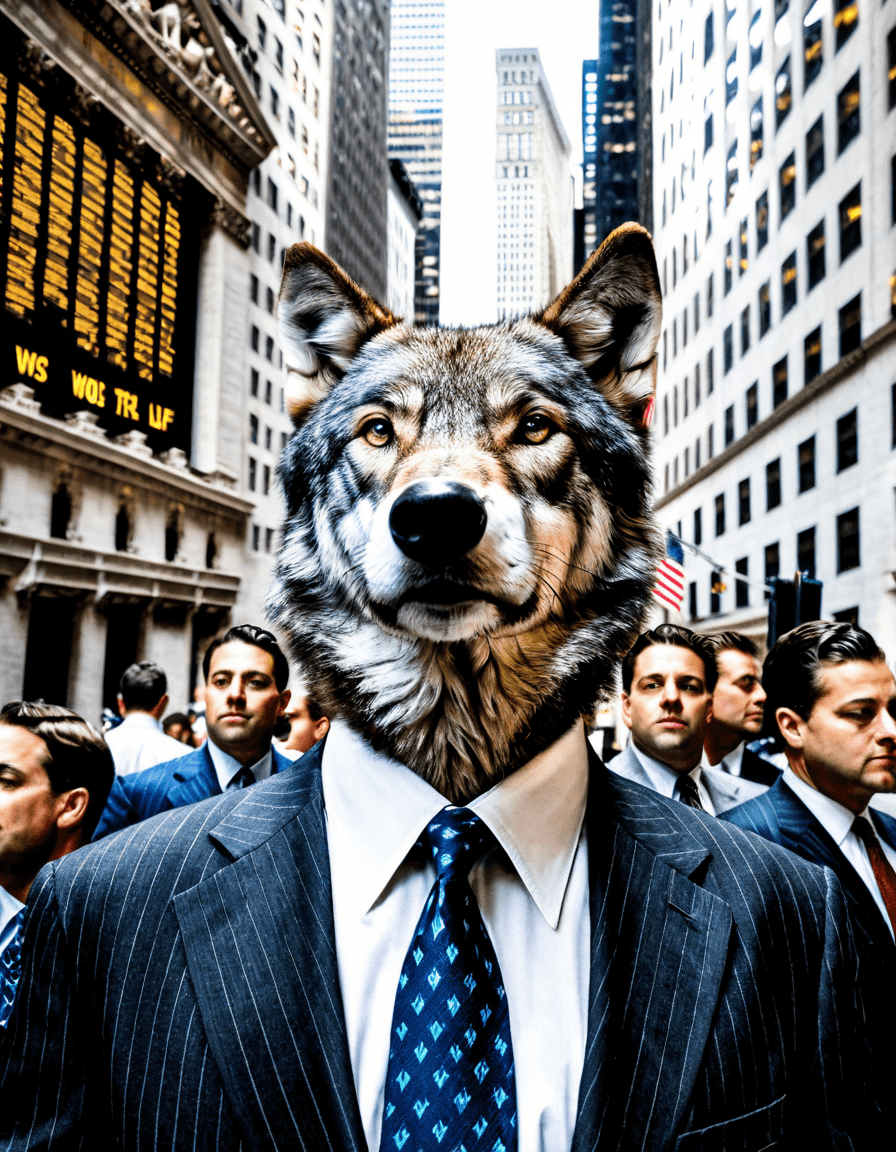
## The Wolf and Wall Street: Secrets of Greed and Power
Jordan Belfort’s journey showcases how relentless ambition often spirals into chaos. Our protagonist starts with decent morals but gets seduced by the thrill of wealth, leaving compassion in the rearview. The film serves as a stark reminder that pursuing your dreams without a moral compass can lead you down a path of destruction—not just for yourself, but for everyone close to you.
Think about brands like Enron and Lehman Brothers—they crumbled under the weight of their pursuits. SImilarly, Belfort’s talent for selling dubious investment opportunities illustrates how society often glorifies quick wealth at the cost of sound ethics. Fast money can cloud judgment, making us forget the long-term consequences hiding just around the corner.
Belfort’s firm fostered a toxic culture that not only accepted deceit but celebrated it. This mentality mirrors the environments at companies such as Theranos and Uber, where unethical practices became commonplace. The lesson here is clear: when wrongdoings are swept under the rug of groupthink, greed flourishes unchecked, leading to catastrophe.
Scorsese depicts Wall Street as a carnival of excess that culminates in moral decay. Much like Sodom and Gomorrah, market excess can lead to devastating consequences. The financial crisis of 2008 serves as a painful reminder of how the illusion of control can plunge us all into chaos.
Belfort’s rise illustrates the American Dream’s double-edged sword. The film warns us that pursuing wealth and freedom without care can twist dreams into nightmares. Even contemporary phenomena, like the meteoric rise of cryptocurrencies, signal risky allurements—offering visions of wealth but often hiding scams and fraudulent schemes.
Belfort’s ability to sway clients draws a parallel with today’s marketing strategies. Just like fundraising platforms such as GoFundMe and Kickstarter, where stories often overpower facts, the film highlights the art of persuasion at its most dangerous. It’s vital that we recognize the power of narrative not just in finance but in every aspect of commerce.
The legal fallout from Belfort’s actions serves as a wake-up call. Personalities like Bernie Madoff and Martin Shkreli illustrate how exploitation leads to dire consequences. The film drives home the importance of accountability, making us question whether chasing greed is worth losing your freedom and reputation.

The Wolf of Wall Street Cast: Crafting a Narrative of Greed
The performances of the Wolf of Wall Street cast deepen our understanding of greed’s consequences. From DiCaprio to Jonah Hill and Margot Robbie, each actor injects an intriguing layer into the narrative of excess.
DiCaprio’s captivating portrayal reveals both Belfort’s charm and his deep moral ambiguity. Viewers find themselves entranced, questioning that thin line separating ambition from avarice.
Jonah Hill amplifies Belfort’s story through the eyes of misguided loyalty. Donnie embodies the risks of surrounding oneself with enablers, prompting viewers to consider the costs of such relationships.
Robbie’s performance illustrates the personal toll of greed. Her character’s arc highlights how the relentless chase for wealth can overshadow genuine connections, emphasizing the emotional price that ambition can demand.
Reflecting on Our Relationship with Power and Wealth
Long after the credits roll, The Wolf of Wall Street invites us to confront uncomfortable truths about ambition and greed. The film challenges societal norms that reward aggressive capitalism and unethical competition—much like a haunting echo in our daily lives. The age-old question emerges: what really defines success?
As we navigate through an increasingly interconnected financial landscape, embracing integrity may just be the most valuable lesson from Belfort’s saga. The ongoing conversation around wealth and responsibility has never been more relevant. The Wolf of Wall Street compels us to reflect on the weight of our desires and whether the pursuit of power and wealth is worth the toll it takes on our morals and relationships.
In summary, the film encourages us to rethink our definitions of success. Understanding the delicate balance between ambition and ethics stands at the core of our societal values. So let’s embrace these lessons—because it’s clear: the wolf in us all must learn the costs of greed.
the wolf and wall street: Secrets of Greed and Power
A Glimpse Behind the Curtain
“The Wolf of Wall Street,” directed by Martin Scorsese, showcases the excesses of Wall Street through the lens of Jordan Belfort’s extravagant lifestyle. Did you know that Leonardo DiCaprio, who plays Belfort, was so committed to the role that he studied Belfort’s life extensively? Scorsese initially planned for the film to be shot in 2006, but issues delayed it until 2013. This gave DiCaprio plenty of time to get into character, as he reportedly even shadowed a financial analyst who helped him understand the nuances of high-stakes trading. The film isn’t just entertaining; it reflects the dark side of capitalism, much like the Battle Of Midway reveals the triumphs and trials of a different kind of warfare.
Financial Shenanigans and Cultural Commentary
One of the most captivating aspects of “the wolf and wall street” is its commentary on the culture of greed. The film features several jaw-dropping scenes, including the infamous Quaalude-fueled drive, showcasing the lengths to which Belfort went for wealth and power. Interestingly, the production cut a scene involving Belfort’s involvement with the FBI that would have further explored themes of justice and morality—a move that some critics argued may have been too straightforward. After all, there are layers of complexity to Belfort’s actions that tie into broader issues of societal values, much like Sinead Cusack explores the human condition in her performances. Plus, the film’s iconic scenes have inspired countless memes and parodies, cementing its status in pop culture.
Legacy and Impact
“the wolf and wall street” was not just a box office hit; it ignited conversations about financial ethics and lavish lifestyles. Did you know that Belfort served time in prison for securities fraud, a life twist that seems almost scripted? Despite his criminal past, he has since turned to motivational speaking, sharing lessons learned from his chaotic life—much like the transformations seen in the Cast Of Miss night And Day, who navigated their journeys in Hollywood. And here’s a fun tidbit: the phrase “I’m not freaking leaving! echoes through the film as a rallying cry, which resonates with many trying to carve their own success. Whether you’re chasing dreams or just enjoying some Halloween Jokes For Kids, the riveting narrative retains its allure long after the credits roll.
In a nutshell, “the wolf and wall street” captures an essential truth: the pursuit of wealth often blurs ethical lines, leaving viewers both entertained and reflective. Just as David Beckham’s kids have made headlines, proving that fame has its ups and downs, so too does the allure of Wall Street. The film invites us to reflect—what price are we willing to pay for “success”?