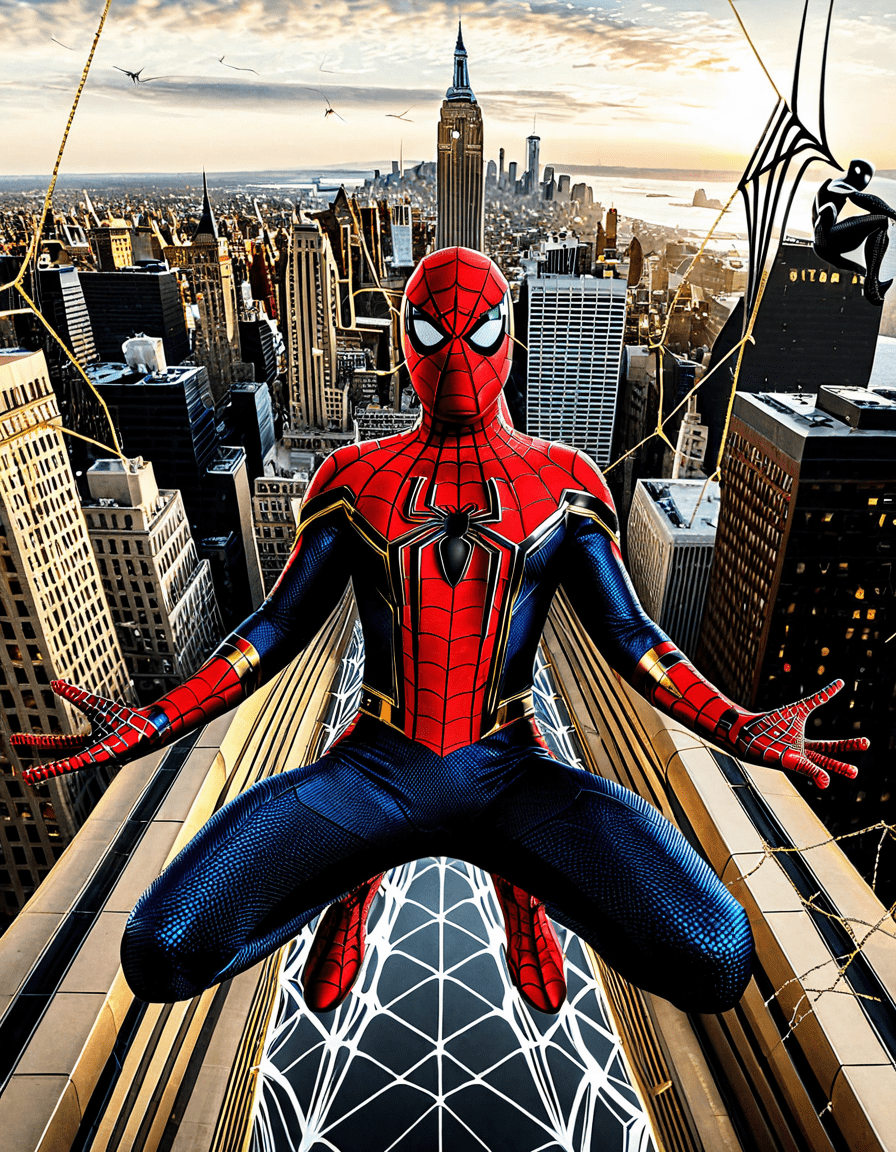
The release of “Spider-Man: No Way Home” in December 2021 marked a pivotal moment in the Marvel Cinematic Universe (MCU). As audiences flocked to theaters, they experienced the exhilaration and depth of the multiverse. This article takes a closer look at the significant themes, character dynamics, and cultural impact that “Spider-Man: No Way Home” has had since its release, especially as we enter 2026.
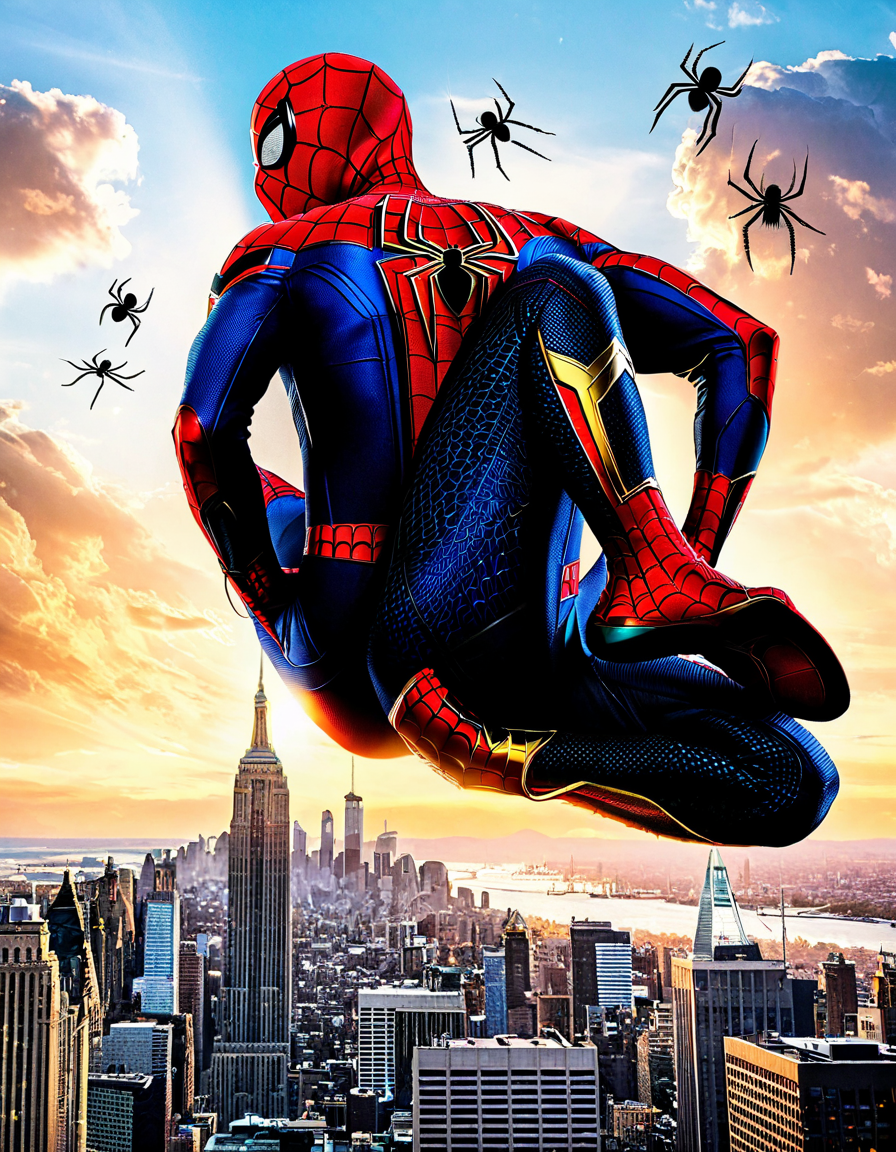
Top 7 Elements That Make Spider-Man: No Way Home a Castle of Marvel Madness
1. The Return of Iconic Characters
“No Way Home” stands out for its nostalgic casting, bringing back beloved actors such as Tobey Maguire and Andrew Garfield alongside Tom Holland. Their reinterpretations of Spider-Man don’t just rekindle fan memories; they weave a rich tapestry of narratives that covers different cinematic styles. Each actor’s portrayal adds layers of complexity when they interact, highlighting their individual struggles and triumphs in this chaotic new multiverse.
For many, seeing Tobey Maguire’s Spider-Man interact with Garfield’s interpretation was a dream come true. It provided audiences with an emotional resonance that feels rare in superhero films. The camaraderie and tension among these three Spider-Men deepened the narrative, showing that while they wear similar masks, their experiences and lessons learned diverge drastically.
2. The Multiverse Concept Explored
At its heart, “Spider-Man: No Way Home” ventures into the multiverse, illustrating the consequences of meddling with reality. With thrilling appearances from iconic characters like Doctor Octopus, portrayed by Alfred Molina, and the menacing Green Goblin, played by Willem Dafoe, the film invites viewers to question the nature of identity and fate.
The unexpected confrontation between various Peter Parkers prompts poignant discussions about responsibility and sacrifice. It elevates the superhero genre to philosophical levels, as these characters represent the choices made across different timelines and universes, pushing the concept of heroism into new territories.
3. Visual Spectacle and Cinematic Techniques
Directed by Jon Watts, “No Way Home” is a visual feast, employing stunning effects and innovative cinematography. The climactic battle scenes transcend typical action sequences, incorporating emotional beats enhanced by lighting and camera angles.
The seamless use of CGI to blend multiple Spider-Man universes set a high bar for future superhero films. It’s the kind of magic that makes audiences gasp in awe, leaving them hanging on to every beautifully crafted moment. The visuals serve as a narrative device, pulling the viewer deeper into this chaotic yet wondrous experience.
4. Character Development and Growth
Amidst the thrills and nostalgia, it’s Tom Holland’s growth as Spider-Man that catches the spotlight. Stripped of basic support systems after the fallout of his identity being revealed, Holland’s portrayal of Peter Parker evolves remarkably throughout the film.
His transition from a teenager grappling for acceptance to a selfless hero resonates with many young adults facing their own existential quandaries. The emotional journey of Peter grappling with the weight of his decisions cultivates a strong connection with the audience, making his victories feel earned and heartfelt.
5. Cameos and Easter Eggs
A standout aspect of “Spider-Man: No Way Home” is its treasure trove of Easter eggs and cameos that excited fans. Notable mentions, like Charlie Cox reprising his role as Daredevil, further engage audiences who have followed the Marvel lore for years.
These cameo appearances establish potential future crossovers and enrich the narrative, as they remind audiences of the broader MCU connections. For comic book enthusiasts, the film is a delight, packed with nods and references that enhance the viewing experience beyond the main plot.
6. Themes of Regret and Redemption
The multiverse introduces not just variations of Spider-Man, but also different versions of villains teetering on the edge of redemption. This nuanced exploration grants viewers an opportunity to reflect on fate and its implications in their own lives, as the film illustrates that every choice carries weight.
By allowing characters like Doc Ock to show remorse for past deeds, the film pushes us to confront our own regrets. This significant thematic curve speaks volumes about understanding personal accountability in an ever-changing world, resonating deeply with audiences.
7. Cultural Impact and Fan Reactions
With a staggering box office gross of over $1.9 billion, “Spider-Man: No Way Home” has undeniably left a cultural footprint. Its influence is palpable in fan discussions across various social media platforms, where viewers dissect character arcs and speculate on future plotlines within the MCU.
The ripple effect of the film sparked discussions about the multiverse and its implications for upcoming Marvel projects, signifying its relevance in ongoing popular culture. It inspired a new wave of superhero storytelling, underlining how narratives can evolve while paying homage to their roots.
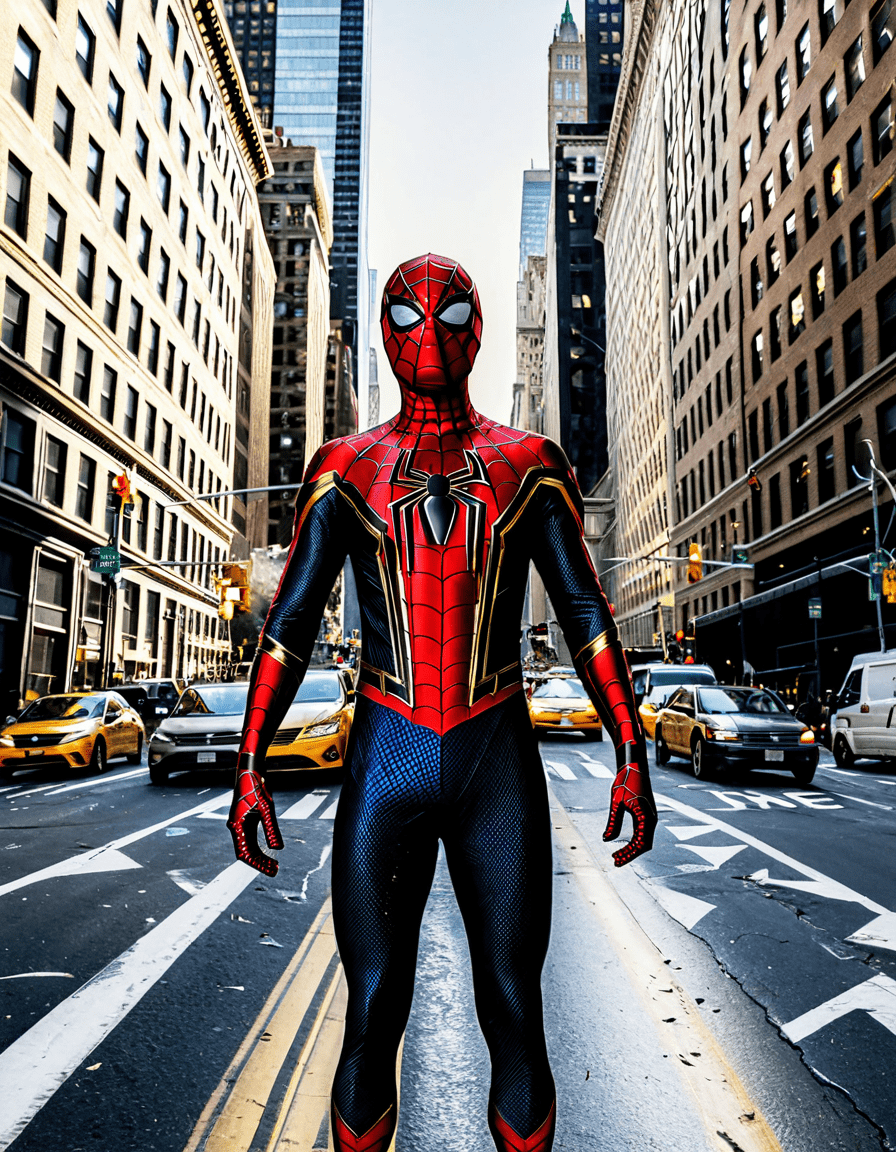
The Cast of Spider-Man: No Way Home: A Powerhouse Ensemble
The cast of Spider-Man: No Way Home elevates the film beyond standard superhero fare, with Tom Holland’s portrayal of Peter Parker being a cornerstone. Holland’s ability to balance humor, vulnerability, and determination makes his character compelling.
Next to him, Zendaya’s character, MJ, enriches the narrative, providing a strong and supportive presence. She brings layers to the film and serves as a grounding force for Peter, navigating the mess that is loyalty and love amidst chaos.
Benedict Cumberbatch’s Doctor Strange, meanwhile, adds a layer of mystique and wisdom. Acting as a mentor figure, his own struggles with failure echo throughout the film. Combined with characters like Marisa Tomei’s Aunt May and returning villains like Jamie Foxx’s Electro, the cast creates dramatic tension that captivates viewers, offering dynamic interactions that keep them glued to their seats.
The Lasting Legacy of Spider-Man: No Way Home
As we look at the cultural landscape years after its release, “Spider-Man: No Way Home” is not just another superhero movie; it’s a landmark that redefined expectations. Its exploration of the multiverse serves as an allegory for personal growth, intertwined destinies, and the constant battle between right and wrong.
The cinematic legacy it leaves behind paves the way for future Marvel projects, inspiring upcoming filmmakers to push boundaries in storytelling. With its successful blend of nostalgia and innovation, “Spider-Man: No Way Home” continues to spark important discussions about identity, morality, and life’s unpredictable journey.
The ripples of this masterpiece will resonate within the fabric of the MCU and beyond, shaping cinema discussions for years to come. As audiences look ahead to future releases, the impact of “Spider-Man: No Way Home” will undoubtedly remain a touchstone in superhero film history, encapsulating the wonder and chaos that makes such stories compelling.
For everyone immersed in cinematic experiences, from fans of classic narratives to newcomers drawn into the multiverse’s chaos, “Spider-Man: No Way Home” remains a testament to the power of storytelling. As we venture further into 2026, it continues to inspire and challenge our perceptions of heroes and villains, reminding us that at the end of it all, everyone has a story worth telling.
Spider Man No Way Home: Brings Multiverse Chaos and Wonder
Multiverse Mayhem Unleashed
“Spider Man: No Way Home” took the superhero genre to dizzying new heights, embracing the multiverse like never before. Did you know that Tom Holland’s Spidey isn’t the only web-slinger on screen? The film reunites audiences with beloved characters from previous eras, making it as nostalgic as a modern flick can get. Fans absolutely loved seeing characters portrayed by actors from Spider-Man films of the past. Speaking of past, remember the cast of Get Out? Director Jon Watts had them in mind when he was piecing together his own ensemble for this popcorn masterpiece; a nod to the intricate storytelling seen in that film.
On another note, spider webs aren’t the only thing holding this movie together—it’s jam-packed with cameos and surprises. Notably, it includes appearances that will make even the most hardened fan of Sucker Punch gasp in delight! Anyone familiar with multiverse stories knows the chaos they bring, and “Spider Man: No Way Home” manages to blend humor, action, and drama into an exciting concoction that leaves you wanting more—like the gripping themes portrayed in I Am Legend.
Surprising Connections
What’s even more intriguing is how the film skilfully integrates themes of responsibility and sacrifice—a hallmark of great storytelling. As you watch Spider-Man navigate his way through the chaos, you can’t help but appreciate how each character contributes to his journey. On that note, if you don’t already know, fans have been buzzing about Shah Rukh khans iconic roles and how they resonate within large, interconnected storylines. It’s fascinating how different cinematic experiences can offer a broader perspective, much like how a financial analyst might evaluate the impacts of revivals and remakes in the industry.
The execution of the multiverse theme not only thrills fans but also inspires younger creators. Max Bratman, a rising talent in Hollywood, recently mentioned how films like “Spider Man: No Way Home” motivate young filmmakers to experiment with their own storytelling strategies. Just think—this movie might influence the next big blockbuster! It’s undeniable that the use of multiple dimensions in storytelling is a rich playground, not just for superhero flicks, but for all genres. Imagine further exploring those parallel lives, much like seeking out the best cortes de Cabello para Hombres for every growth phase in your own journey.
Cultural Footprint
The cultural footprint of “Spider Man: No Way Home” extends far beyond the screen. Fans have engaged in lively discussions, crafting theories and sharing excitement over appearances—echoes reminiscent of the buzz around TV shows on the TV Land schedule. The multiverse not only introduces diverse characters but also reminds us of how stories can connect audiences across different platforms—sometimes you share a cinematic moment with a friend, and that interaction sparks endless conversations.
In the end, this film isn’t just about Spidey swinging through urban landscapes—it’s a celebration of interconnected stories that enchant viewers. “Spider Man: No Way Home” brilliantly captures that essence, leaving us buzzing like we just rented a ride from enterprise in near me. So buckle up, because this wild ride through the multiverse is just the beginning!