1. The Rise of Bonnie and Clyde: A Tale of Love and Crime
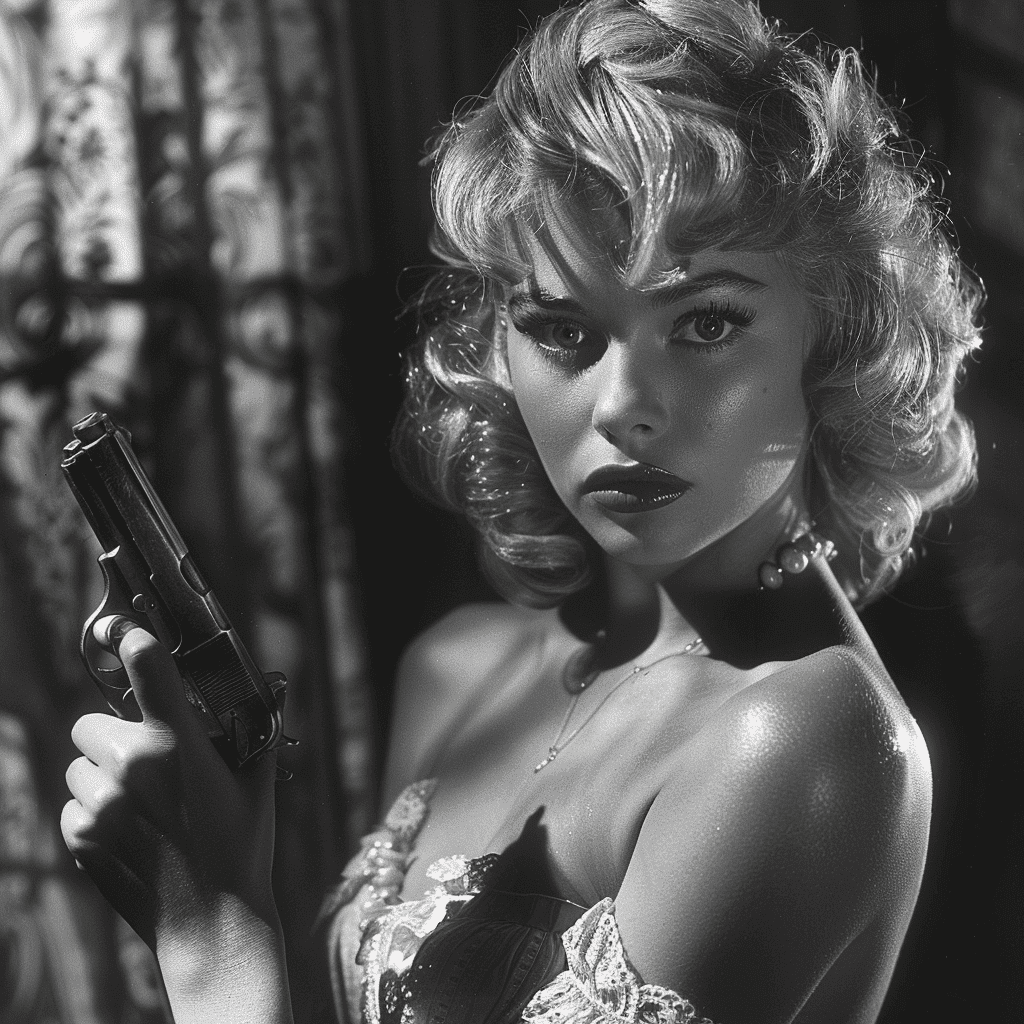
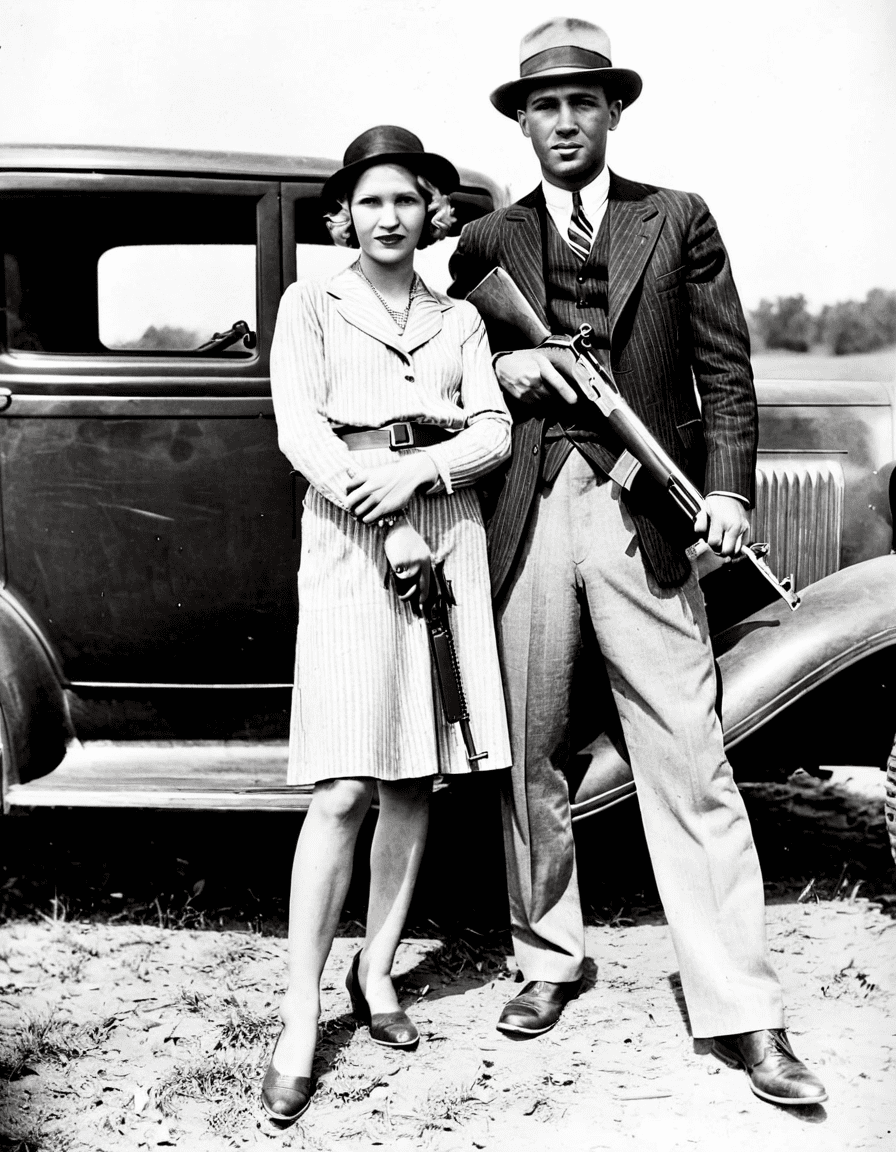
Bonnie Parker and Clyde Barrow didn’t just rob banks; they crafted a mythos that wove together love, longing, and lawlessness. Emerging during the Great Depression, when the nation found itself in turmoil, Bonnie and Clyde captured the attention of a desperate America. Bonnie, a bright young woman with dreams of becoming a poet, met Clyde at a young age, and the two fell passionately in love. Their romance ignited a flame that would ultimately drive them deeper into a life of crime, becoming a modern-day Romeo and Juliet—a love story entwined with criminal exploits, serving as a salve for a nation drowning in economic despair.
Clyde was no stranger to a life outside the law. His early attempts at petty theft evolved into a more brazen world of robbery, fueled by a desire to escape poverty. Bonnie, inspired by Clyde’s rebellious nature, would soon join him, dropping everything for a taste of adventure. Their partnership was fiery, a combination of young love and shared ambitions that transformed them into infamous outlaws. This duo didn’t just commit crimes—they committed acts of rebellion, embodying the youthful spirit of defiance that resonated with Americans facing hardship.
The media caught the wave—a handsome couple living on the edge of society quickly transitioned from local news to front-page sensations. Each story detailing their escapades painted Bonnie and Clyde as glamorous antiheroes, feeding the public’s appetite for romance and rebellion.
2. Top 7 Infamous Heists by Bonnie and Clyde: The Outlaws’ Greatest Hits
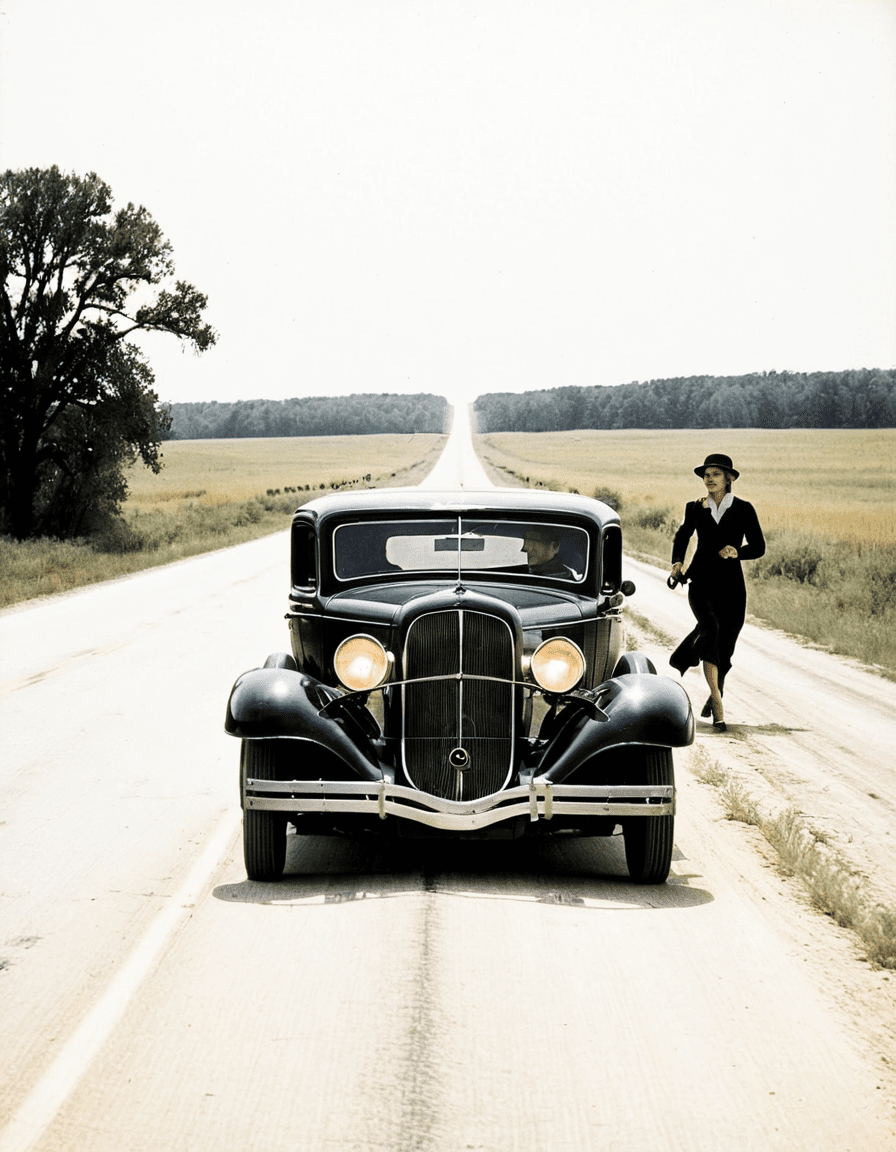
Bonnie and Clyde were far from amateur thieves; they were skilled strategists who executed some of the most daring robberies in history. Here’s a look at their most notorious heists that solidified their places in the annals of crime:
Their lives were a dangerous dance, a combination of excitement and impending doom that captivated the nation.
3. The Media Frenzy: Bonnie and Clyde as Cultural Icons
Bonnie and Clyde thrived in the glare of the media spotlight. Journalists sensationalized their exploits, turning the two into icons of rebellion. Figures such as Walter Winchell highlighted their story, painting them as glamorous outlaws that the public couldn’t help but romanticize. Articles described their stylish attire and love story, transforming them from mere criminals into symbols of anti-establishment allure.
Political cartoons and newspaper editorials often embellished their lives, portraying them as Robin Hood figures stealing from the corrupt and wealthy. The portrayal helped shape a culture eager to idolize the bold and the brave, making Bonnie and Clyde’s crimes not just about theft, but about challenging the status quo. Their escapades echoed through the halls not only of crime but also of artistic expression.
As the public fed on these storylines, a unique narrative emerged—one of adventure and hope. Americans, feeling the weight of the Great Depression, found in Bonnie and Clyde a dramatic escapism that rekindled a spark of excitement in their bleak lives.
4. The Lawman’s Challenge: Pursuing Bonnie and Clyde
The chase for Bonnie and Clyde became a game of cat and mouse, where law enforcement seemed perpetually a step behind. After robbing their way through the Midwest, they drew the attention of seasoned lawmen who committed themselves to the pursuit. The formation of specialized task forces, particularly the legendary Texas Rangers, marked a turning point in the chase, as they adapted tactics to combat the outlaws’ unpredictability.
One such figure was Frank Hamer, a Texas Ranger who would stop at nothing to bring them down. His relentless pursuit illustrated the harsh reality faced by law officers during this violent period. His strategies, although determined, often pushed the limits of legality and safety, showing just how far he was willing to go to uphold the law.
The various shootouts and confrontations shared a common pattern. Lawmen were frequently outgunned and outmaneuvered, forcing them to rethink their approaches. But the thrill of the chase ignited a fire in these officers reminiscent of old Western tales.
5. The Legacy of Bonnie and Clyde: Influence on Pop Culture
The story of Bonnie and Clyde has inspired countless adaptations in film, literature, and music. Arthur Penn’s 1967 film “Bonnie and Clyde” stands as a hallmark in cinema history, reshaping how audiences view antiheroes. The movie depicted the duality of their existence—love and violence intertwined in a way that still resonates today.
Contemporary filmmakers often reference Bonnie and Clyde, drawing parallels between their escapades and modern narratives. From crime dramas to romantic films, the essence of their story permeates popular culture, reflecting a revolving door of rebellion and romance.
Moreover, they have left an indelible mark on societal discussions about crime. Themes from their lives echo in modern storytelling, challenging the lines between heroism and villainy. Their legacy reminds us that fascination with outlaw culture is often rooted in deeper social critiques and reflections on identity.
6. The Historical Impact of Bonnie and Clyde: Myths vs. Reality
History has colored the tale of Bonnie and Clyde with vibrant myths that often overshadow the stark realities of their lives. Many portray them as victims of circumstance rather than criminals seeking power. Their motivations, driven by love and survival, draw intricate layers into their legacy that deserve examination.
Popular misconceptions have distorted public perceptions of their relationships and motives, leading to a stylized version of their lives. Yet, peeling back these layers reveals the complexities of their choices. This deeper investigation uncovers how their psychological profiles shaped their actions—exhibiting a blend of desperation and romanticized freedom.
In reality, Bonnie and Clyde were fallible individuals faced with harsher realities than most readers can fathom today. Addressing these myths not only offers a clearer insight into who they were but also prompts us to consider the narratives we create around modern-day figures in culture and crime.
Innovative Wrap-Up: The Enduring Allure of Bonnie and Clyde
The story of Bonnie Parker and Clyde Barrow resonates well beyond their lives as criminals. They symbolize a tumultuous period in American history—a time defined by youthful defiance amidst despair. Their intertwining love story and reckless pursuits create a powerful tapestry that captivates the imagination even in 2026, serving as a mirror to societal frustrations.
Bonnie and Clyde’s narrative embodies the complex relationship between love, desperation, and rebellion. Their duality—romantic partners caught in a vicious cycle of crime and fame—makes them immortal figures in the American landscape. The allure they hold extends beyond their time, continuing to stir discussions about identity, morality, and rebellion against the backdrop of an unforgiving society. Through their audacious deeds, Bonnie and Clyde forever altered the conversation around crime and heroism, ensuring their place in the ever-evolving American narrative.
Bonnie and Clyde: Fun Trivia and Interesting Facts
Outlaw Fame and Cinema
Bonnie and Clyde, the infamous duo who roamed the American Midwest during the Great Depression, inspired various forms of media over the decades. Their story, filled with romance and crime, has captured audiences, even finding echoes in animated films like Kung fu Panda 2, which showcases the clash of good versus bad through its characters. Interestingly, the couple’s exploits led to widespread fascination that prompted filmmakers and writers to craft narratives exploring their lives. It’s noteworthy that while they were seen as glamorous and daring, they wreaked havoc, leaving a trail of destruction and evoking both admiration and horror from the public.
Life’s Ironies and Realities
From their escapades arose a stark contrast to everyday life. For instance, during the 1930s, the average home price hovered in the range that would astound today’s market. While families struggled, Bonnie and Clyde drove the open roads, barely escaping police while living life on their terms. Their story also highlights the irony of people idolizing outlaws; such admiration mirrors how contemporary audiences may feel about television characters, much like those in Degrassi or the Everybody Loves Raymond cast. These stories resonate with the tug-of-war between societal norms and personal desires.
The Legacy Lives On
As their legend grew, Bonnie and Clyde became cultural icons, inspiring numerous films, books, and songs. Their narrative reflects timeless themes, like love, rebellion, and tragedy, often reminding us of modern cinematic portrayals, such as characters played by talents like Walter Goggins. Moreover, the underlying motivations behind their crime spree are reminiscent of our current struggles, like the rise of substances similar to liquid Adderall, which can reflect society’s push for solutions to feeling overwhelmed. Bonnie and Clyde’s life remains a lens that magnifies the human experience amid chaos, echoing truths that many still grapple with today.

![Enterprise (Dennis McCarthy) [Enhanced CD]](https://www.silverscreenmag.com/wp-content/uploads/2024/01/Enterprise-Dennis-McCarthy-Enhanced-CD.jpg)