The Impact of Nickelodeon Shows on Generations
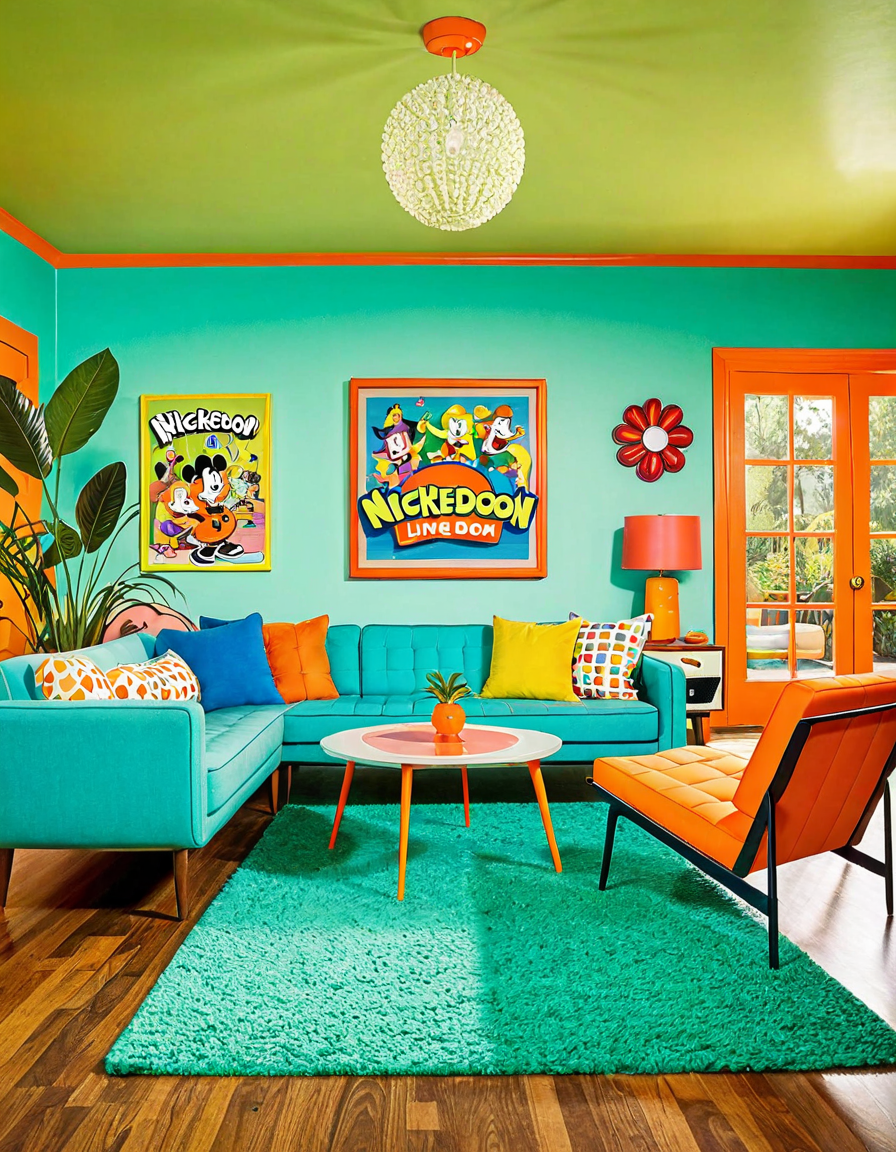
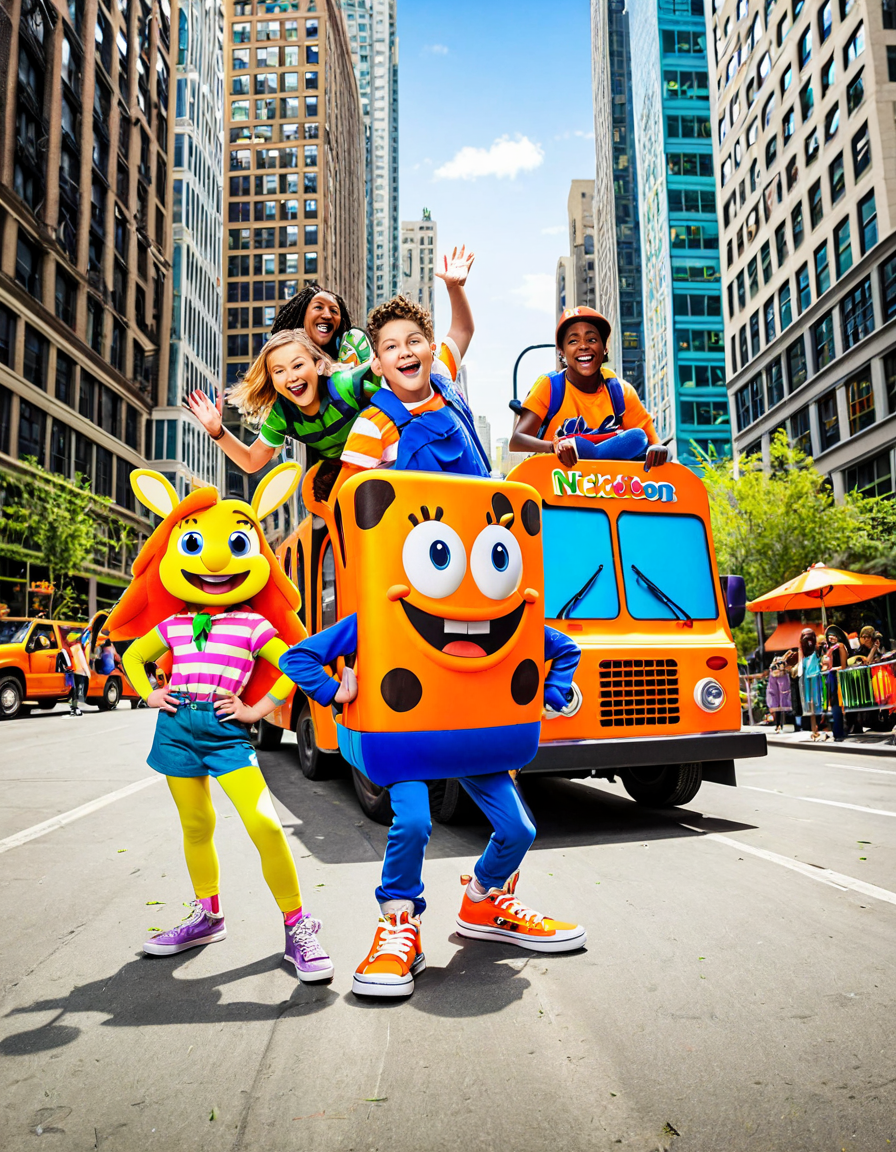
Nickelodeon shows have been a prominent part of children’s television since the network’s launch, and their influence is undeniable. They’ve entertained millions while simultaneously embedding values of friendship, creativity, and social awareness in young minds. Unlike PBS Kids shows, which focus primarily on academic learning, Nickelodeon has spun engaging narratives that resonate deeply, leaving lasting impressions on children’s emotional development.
Take Rugrats, for instance, which illustrates the complexities of childhood through the eyes of toddlers. It teaches vital lessons about family and friendship amid engaging storytelling. Such shows have nurtured a sense of curiosity and understanding of the world among their viewers, making them crucial to many childhood experiences.
In today’s fast-paced media landscape, platforms like Apple TV shows aim to capture children’s attention with a blend of lessons and humor. However, the enchantment of Nickelodeon shows remains unmatched, creating a nostalgic bond for those who grew up with characters like SpongeBob and Arnold. Their legacy shapes how we view and interpret childhood narratives in current media projects—proving that Nickelodeon’s reach is ever-growing.
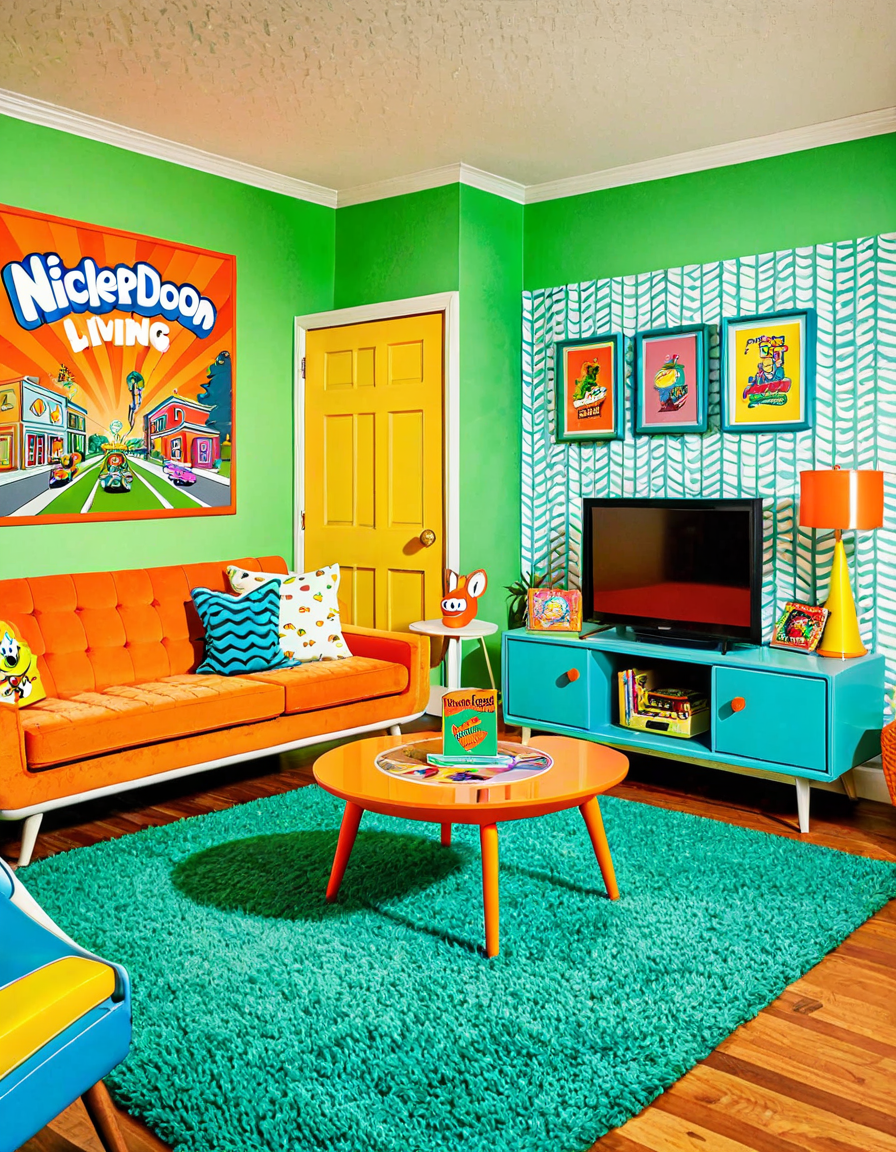
Top 7 Nickelodeon Shows That Defined a Generation
Launched in 1991, this animated series followed toddlers Tommy, Chuckie, and their pals, who embarked on adventures filled with wonder. Rugrats didn’t just entertain; it provided insight into children’s lives, highlighting fears, family dynamics, and friendship. Its storytelling forced viewers to engage their imaginations, unveiling emotional intelligence in ways that few shows could.
Airing from 1996 onwards, Hey Arnold! opened doors to issues like social acceptance and diversity within the microcosm of a fourth-grade classroom. Arnold’s unique character, with that unforgettable football-shaped head, mirrored the experiences of many children. This show dared to challenge social norms, providing relatable stories that resonated across demographics.
The Fairly OddParents, which premiered in 2001, introduced audiences to Timmy Turner and his fairy godparents—who often pulled off more mischief than magic. While it was packed with laughs, the show also conveyed deeper meanings about individuality and the impact of wishes gone awry. Every episode served as a humorous reflection on the importance of being responsible in the whims of growing up.
Breaking into live-action territory in 2005, Zoey 101 captured the intricate drama of teenage life at a boarding school. This show addressed themes of self-identity, loyalty, and friendship as Zoey navigated the complexities of adolescence. With relatable characters and stories, it became a cornerstone for those journeying through their teenage years, providing a sense of belonging amidst the chaos of growing up.
Since its debut in 1999, SpongeBob SquarePants has morphed into a cultural titan. Its hilarious yet absurd plotlines and lovable characters create a canvas showcasing optimism in the face of adversity. SpongeBob’s infectious cheer and resilience symbolize a carefree spirit that inspired a generation, cementing its status as a beloved staple of childhood that resonates long after the credits roll.
The 2004 animated spectacle Danny Phantom explored superhero themes through the eyes of a middle-school teen with a ghostly secret. Danny’s adventures warned of the struggles between fitting in and embracing one’s uniqueness, a duality many can relate to. Its blend of action and depth resonated with viewers looking for multi-faceted characters and engaging narratives.
Premiering in 2007, iCarly straddled the line between entertainment and cultural commentary. It explored the rise of digital content creation, reflecting the rapid evolution of social media in a time when such concepts were emerging. Carly and her friends tackled the challenges of friendship and creativity while navigating the newfound excitement of being internet stars—foreshadowing trends we see in today’s Apple TV shows.
Cultural Legacy: Nickelodeon vs. PBS Kids vs. Apple TV Shows
While Nickelodeon shows have left an undeniable mark on young audiences, it’s essential to notice the different styles of PBS Kids shows. Programs like Arthur and Sesame Street aim to educate by focusing on foundational skills like language and math. Their interactive and engaging methods have been crucial in teaching children lifelong skills, making them staples in educational domains.
With the rise of platforms like Apple TV, productions like Ghostwriter aim to blend education with entertainment. They actively compete for children’s attention while providing moral lessons in innovative ways. Yet, the nostalgia around Nickelodeon shows stands strong. Its heartfelt explorations of childhood experiences resonate deeply, creating an emotional tapestry that newer generations still admire.
As time marches on, the tales spun by Nickelodeon’s characters continue to be shared and cherished. They offer more than just a temporary escape; they impart lessons that can help shape the minds and hearts of young viewers. The unbreakable bond between past and present allows Nickelodeon to maintain its relevance and influence, even amid the flurry of new content like that seen on Apple TV shows.
The Unbreakable Bond Between Nostalgia and Nickelodeon Shows
Nickelodeon shows craft stories that go beyond simple entertainment, sparking imagination and creativity in children. Characters carved from relatable struggles become comforting figures during pivotal life moments. Whether it’s the goofy antics of SpongeBob or the wise adventures of Arnold, these characters hold a special place in the hearts of viewers, creating shared connections that span generations.
Nickelodeon has a magic unique to itself. The whimsical essence of its programming fosters an emotional bond that many other networks and platforms, like PBS Kids and Apple TV, can’t quite replicate. The imaginative landscapes these shows create serve as comforting reminders of childhood innocence and resilience, binding viewers to treasured memories.
As we celebrate these nostalgic classics, it’s clear they’ve not only defined childhood but also influenced how new narratives unfold in contemporary media. Programs today, including those emerging on Apple TV and beyond, continue drawing from the well of Nickelodeon’s creativity and spirit, proving that these timeless stories remain relevant and beloved across generations.
Nickelodeon Shows That Shaped Childhood Memories
Fun Facts and Trivia About Nickelodeon Shows
Did you know that some Nickelodeon shows actually featured talent from unexpected places? For example, the popular wrestling star Kurt Angle made guest appearances on various Nickelodeon programs, bringing his signature intensity to the world of kid-friendly entertainment. This crossover highlighted how diverse the network’s offerings were, blending wrestling excitement with playful narratives. And speaking of surprises, many episodes from shows like “Danny Phantom” were inspired by darker themes, reflecting a touch of the macabre while still being suitable for a young audience—and that mix kept kids glued to their screens!
Switching gears, let’s talk about memorable characters. The charming duo of Zakk Wylde and his iconic guitar riffs can be traced back through various Nickelodeon shows that incorporated live music segments into their episodes. Fun fact: if you squint at the back of “All That,” you might catch cameos from rock legends! Meanwhile, some shows were closely tied to modern movie classics, with hints of films like Meet The Fockers subtly influencing character arcs or comedic styles. Isn’t it wild how Nickelodeon shows mirrored broader pop culture trends while providing laughter for the younger crowd?
Lastly, while you’re reminiscing about classics like “Rugrats” and “Doug,” have you ever noticed how certain themes in Nickelodeon shows mirror life lessons often depicted in books like A Series of Unfortunate Events? Paramount aimed to combine humor with heartfelt lessons, attractively packaged within a colorful cartoon frame. And to round this off, the nostalgia doesn’t end there; a number of shows featured notable guest stars, including cheerleaders from the Dallas Cowboys Cheerleaders, reminding us how widespread the influence of Nickelodeon really was! These connections have shaped our childhoods, leaving lasting impressions that still resonate today.