
From the dark shadows of Puerto Rico, a legend emerged that continues to send chills down the spines of many—a creature known as the chupacabra. This myth, which translates to “goat-sucker,” has taken on a life of its own since its debut in the 1990s, enchanting and terrifying people across the globe. With each reported sighting, a narrative unfolds, drawing on cultural traditions, socio-economic tensions, and the human fascination with the mysterious and the unknown. In a world filled with technological wonders and scientific advancements, the chupacabra serves as a captivating reminder of humanity’s enduring connection to the world of myth.
The Origins of Chupacabra Myths
The chupacabra legend traces its roots back to Puerto Rico, where it first surfaced in 1995. Initial reports described it as a small, reptilian creature that preyed upon livestock, particularly goats. As townsfolk in Canóvanas claimed to witness their beloved animals drained of blood, panic spread like wildfire. However, to understand the chupacabra’s origins, we need to dig deeper into the indigenous beliefs and historical context that shaped this modern mythology.
Prior to the chupacabra, Puerto Rican folklore was rich with tales of strange creatures arising from the landscape’s ecological and cultural complexities. Adding to the tension, the economic strife in rural communities during the 90s fueled the narrative, as farmers grappled with livestock deaths they couldn’t explain. Some might argue that these mysterious attacks emerged not merely from a creature of myth but also reflected real fears and uncertainties regarding agricultural security and environmental changes.
As reports surged, the chupacabra became an amalgamation of traditional folklore and contemporary anxiety, revealing how legends can morph into reflections of society’s struggles. Whether it was a manifestation of fear or merely a subject of imaginative storytelling, what’s clear is that the chupacabra quickly evolved from folklore to a pop-culture staple, ranging from horror films to urban legends. Herein lies the magic of the chupacabra: it is both a cautionary tale and a mirror, capturing the zeitgeist of a generation.
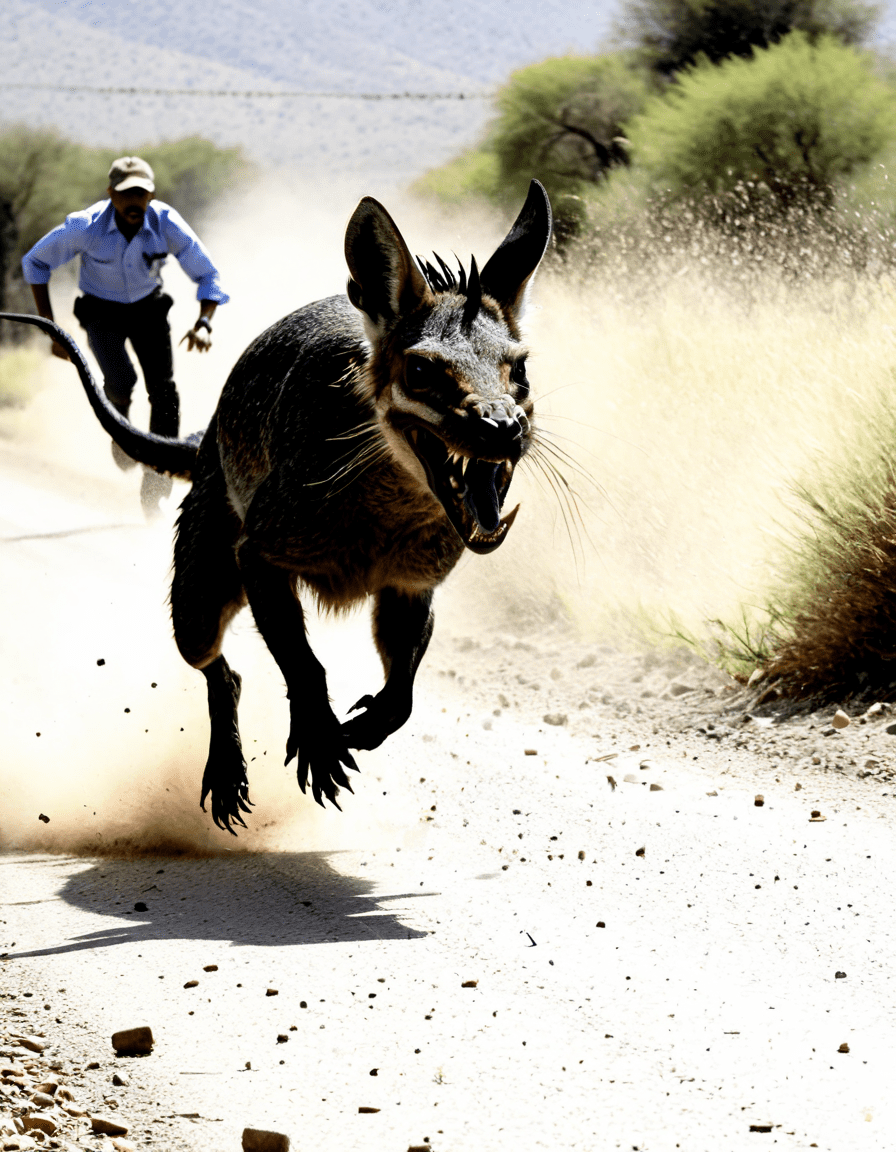
Top 7 Chupacabra Sightings that Shocked the World
The night was alive with rumors and fright when chupacabra sightings exploded in Puerto Rico. Eyewitness accounts described a creature with sharp fangs and glowing red eyes, startling the community of Canóvanas. The Mayor himself confirmed the bizarre attacks on goats, fueling a media frenzy that mixed fear and fascination.
In Texas, a farmer’s discovery of a hairless animal sparked debate. Was it a chupacabra or merely a sick coyote? Photographs taken by the farmer became a hot topic among cryptozoologists, catapulting the chupacabra back into public consciousness. The lack of certainty about this creature’s identity caught the attention of countless people and played well into the escalating myth.
Corpus Christi residents claimed to witness an agile creature that could leap astounding distances. Reports came flooding in from multiple witnesses, compelling news outlets to cover yet another chapter in the chupacabra saga. This sighting demonstrated how the legend adapted over time, becoming more elaborate as it crossed state lines.
Puerto Rico decided to confront its infamous creature by hosting the Festival of the Chupacabra in 2015. This made-for-the-culture event featured costume competitions, folklore storytelling, and thematic food offerings, showcasing how myth can be a vehicle for cultural identity despite its ominous origins.
Photography enthusiasts near Albuquerque captured unusual images of a creature rumored to be a new breed of chupacabra. The Sandia Mountains became a hotspot for discussion among skeptics and believers alike, each side holding steady in their interpretations of the evidence at hand.
With the surge of social media, claims of chupacabra sightings took a sensational twist. TikTok videos and Instagram posts purportedly showcasing the creature escalated into viral trends, shifting how the public consumed these myths. Discussions about authenticity and the digital age’s role in myth-building became as prevalent as the sightings themselves.
In 2022, an unsettling series of livestock attacks occurred in a small Arizona town. Reports of missing animals combined with unusual tracks reignited the chupacabra conversation. Local authorities found themselves divided, wrestling with how to address the growing legend alongside contemporary threats to agriculture.
Chupacabra’s Cultural Impact Across Borders
Though rooted in Latin American urban legends, the chupacabra has gained cultural traction worldwide. Across different regions of South America, stories abound of similar “hybrid” creatures that reflect local fauna. Take, for instance, the chupacabra variations which incorporate the ideas of local wildlife to structure narratives that resonate culturally. This adaptability illustrates how folklore evolves in response to ecological and social pressures.
As globalization glides into communities, the chupacabra serves as a lens to examine both fears and folklore. In Mexico, tales of the chupacabra have morphed into critiques of economic disparity, while in other areas, it emerges as a symbol of unrest. This demonstrates that folklore remains deeply personal and politically relevant, addressing not just fears of the unknown but also evolving socio-political tensions.
The global fascination with the chupacabra exemplifies how stories can transcend borders, offering a global tapestry of fear and intrigue. Whether it’s a haunted agricultural field in Puerto Rico or an unnerving sighting in Texas, what connects these tales is humanity’s enduring quest to understand its place among nature and navigate its uncertainties.
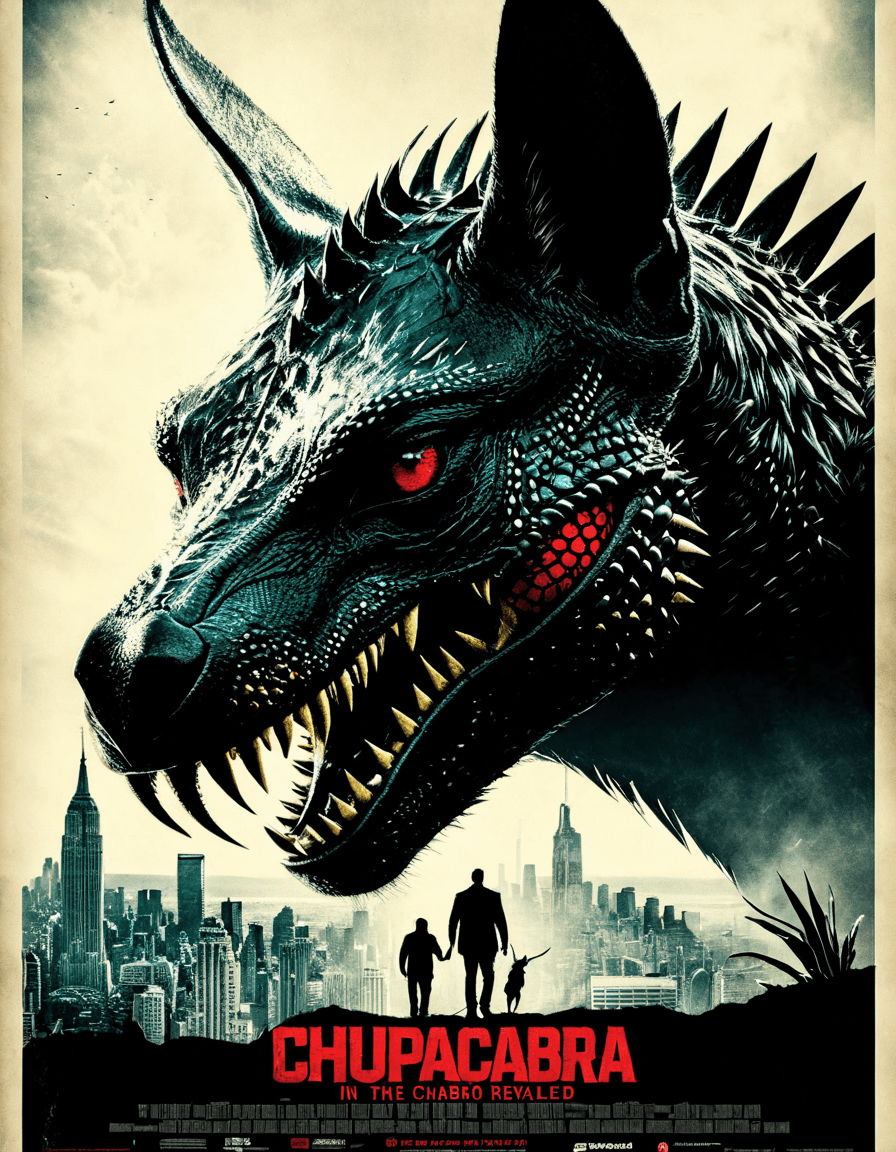
The Science Behind the Chupacabra Phenomenon
To sift through the myths, scientists have examined animal behaviors and diseases that could clarify the reported chupacabra traits. One prominent theory identifies mange, a contagious skin disease resulting in hair loss, as a likely explanation for many chupacabra sightings. These scientific insights not only demystify some encounters but also restore a sense of natural order amid rampant speculation.
Veterinary studies indicate that animals suffering from mange can exhibit behaviors and appearances strikingly similar to sightings of the chupacabra. This suggests that many reports may ultimately boil down to ecological interactions rather than the presence of a cryptid. Science, when applied to folklore, unveils a bridge to understanding between community myths and observable reality.
By reminding us of nature’s complexity, the scientific approach highlights the need to understand our environment responsibly. While the chupacabra continues to haunt our collective imagination, the ongoing research underscores how mythology can coexist, challenge, and even morph amidst evolving scientific knowledge.
The Chupacabra and Media Representation
The chupacabra has become a fixture in films, television, and documentaries, transforming from a terrifying predator into a figure ripe for parody. Shows like “The X-Files” popularized the creature, shaping public perception and reflecting society’s fascination with the paranormal. Over time, the chupacabra narrative graduated from serious horror to a quirky, campy subject of entertainment.
Its appearances in various media not only impact how the public perceives the chupacabra but also serve to amplify local fears and trepidations. Recent portrayals often focus on the clash between myth and reality, as stories of farmers and their struggles interweave with the character of the chupacabra itself. This reflects an evolving cultural fascination, illustrating how entertainment can crystallize, challenge, and, in some instances, dilute the essence of these myths.
From horror films to satirical shows, the chupacabra illustrates the malleability of cultural narratives. Society’s view of the creature continues to evolve, adjusting itself to fit contemporary storytelling needs while remaining rooted in a complex historical foundation. These representations encapsulate our perennial battle with fears while making room for communal laughter and relief.
Embracing the Chupacabra: Mythology in Contemporary Society
In essence, chupacabra sightings encapsulate humanity’s perpetual dread of the unknown—an embodiment of collective anxieties tied to climate change, food security, and the ever-present challenges of modern life. As this lore threads itself into the cultural fabric, it sparks debates on the intertwining roles of science and myth. The chupacabra isn’t just a creature; it represents all we fear about our future.
With debates raging about biosecurity and agricultural integrity, the chupacabra serves as a case study highlighting how myths can catalyze crucial discussions about existential threats. It urges society to reflect not just on what lurks in the dark but on how humans cope with an ever-changing world. These discussions are vital, as they bring communities together to ponder not just their folklore but also their future.
Though the chupacabra remains an enigmatic figure, its overarching narrative fosters unity among diverse communities through shared fears and dreams. In examining the myths surrounding this creature, we find a deeper appreciation for storytelling as a conduit linking generations and cultures. This journey into the heart of the chupacabra echoes our innate desire to comprehend life’s myriad mysteries while reminding us of the fragile threads that bind us all in our human experience.
Chupacabra Myths and Sightings That Shock the World
The Origins of Chupacabra
So, what exactly is this mysterious creature that’s been buzzing in folklore? The chupacabra, often described as a dog-like figure with sharp fangs and glowing eyes, first strolled onto the scene in Puerto Rico during the late 1990s. But did you know that tales of strange creatures sucking the life out of livestock go way back? Think of it like the old legends of vampires and other supernatural beings that haunted the imaginations of folks worldwide, just like the bizarre events surrounding Jussie Smollett that grabbed headlines in 2019. Despite how chilling they may sound, stories of chupacabra sightings have a way of capturing our curiosity and giving a wild twist to rural tales of the unexpected.
Chupacabra Sightings
Fast forward a few decades, and you’ll find reports of chupacabras across various regions, from the deserts of the American Southwest to the highlands of Mexico. Some people swear they’ve spotted it, while others question the legitimacy of these claims—much like how discussions about the latest One Piece episode, such as One Piece 1086, can stir up passionate debates in fandom. It’s fascinating how these stories hold varied interpretations and, at times, striking similarities in descriptions. These varying narratives echo sentiments found in pop culture—remember the Kung fu panda Kung references that show us how myths and legends can shape storytelling even in animation!
Why the Chupacabra Mystifies Us
But what makes the chupacabra so captivating? Perhaps it’s the perfect storm of fear and fascination, similar to how Mariah Carey on Playboy raised eyebrows and ignited conversations about celebrity culture. As we dive into scientific perspectives and psychological analyses of these sightings, the chupacabra remains a focal point. Despite its underlying mystery, there’s something that pulls us in—almost like how discussions about transformation, such as converting ml To Quarts, can reveal surprising insights. Just like an investigative report in El Camino examines the depths of its characters, each chupacabra sighting serves as a new chapter in an ongoing story that captivates generations.
In conclusion, the chupacabra has carved its niche in both pop culture and folklore. Whether you’re a believer or a skeptic, the tales all serve to remind us that our world is rich with stories waiting to be explored.