When the night sky blankets the world in darkness, few things send shivers down our spines quite like sharing fearful tales. Scary stories to tell in the dark have been a cherished part of storytelling traditions across cultures, deeply embedded in our psyche and often drawing on our primal fears. The horror genre embraces these narratives, captivating our imaginations and even rattling the bravest souls. Here, we’ll dive into haunting tales, examining their roots, recurring themes, and why they resonate so strongly with audiences today.
Top 7 Scary Stories to Tell in the Dark That Will Haunt You
Within the spheres of nighttime storytelling, certain tales have etched themselves into our collective memory, sending chills down our spines even in this digital age. Here are seven classic scary stories to tell in the dark, each one steeped in folklore and urban legend:
This classic tale often surfaces around campfires. The story revolves around a young couple parked in a secluded spot, anxious after hearing about an escaped criminal with a hook for a hand. While the girl is eager to leave, the boy insists on staying. When they finally drive away, they discover a hook dangling from the door handle, suggesting a sinister presence had been lurking nearby.
A chilling narrative unfolds as a babysitter receives increasingly frantic phone calls urging her to check on the children. Ultimately, she learns that the calls are coming from inside the house, presenting an immediate and terrifying threat. This story preys on our vulnerability and the innate instinct to protect our loved ones.
Originating from the creepypasta subculture, the Rake is a humanoid creature that lurks in the shadows. This frightening figure invokes psychological horror, as victims report feeling watched and stalked, often leading to madness or even death for those unfortunate enough to encounter it. The palpable fear of the unknown resonates deeply in this narrative.
An age-old legend among children, this story suggests that reciting “Bloody Mary” while gazing into a mirror can summon a vengeful spirit. The suspense lies not just in the act itself, but in the anticipation of revealing the supernatural and the potential consequences of invoking her name. It serves as a rite of passage for many young people—often told in dimly lit bathrooms, shrouded in whispery fear.
Rooted in Algonquian folklore, the Wendigo is a malevolent spirit associated with winter, starvation, and greed. Those who succumb to the Wendigo’s influence may turn to cannibalism, transforming into something monstrous. This haunting narrative delves into themes of morality and the extremes of human nature, making it a deeply unsettling tale that lingers long after the telling.
In this gripping modern tale, a girl discovers her images appearing with disturbing messages in the margins of her social media posts. As she immerses herself further into this digital nightmare, she unravels the dark truths of her online presence. This story cleverly intertwines technology and horror, encapsulating contemporary fears about personal privacy.
Stories like Slender Man or Jeff the Killer demonstrate the evolution of scary stories to tell in the dark in our modern, digital landscape. Born from user-generated content, these urban legends often combine myth with real-world experiences, crafting unsettling commentary on society’s fears regarding youth violence and mental health.
Uncovering the Thrill of Nighttime Storytelling: A Journey into Darkness
Diving deep into these tales reveals that their appeal extends beyond mere entertainment; they touch on our intrinsic desire to grapple with the unknown. Good storytelling—whether enjoyed beside a flickering campfire or through the lens of a movie like Fantastic Beasts and Where to Find Them—immerses audiences in shared experiences of fear. The emotional resonance of scary stories often stems from their ability to tap into universal themes: the fear of the unfamiliar, our vulnerability, and the eternal struggle between good and evil.
The Cultural Significance: Where to Watch Yellowjackets and Other Haunting Tales
Eerie narratives continue to captivate audiences well past their folkloric roots. Shows like Yellowjackets blend horror with rich storytelling, intertwining psychological drama with supernatural elements. This contemporary take on dread echoes traditional tales yet addresses modern anxieties about trauma and survival. Viewers are left pondering the real horrors of human nature against a backdrop of psychological suspense.
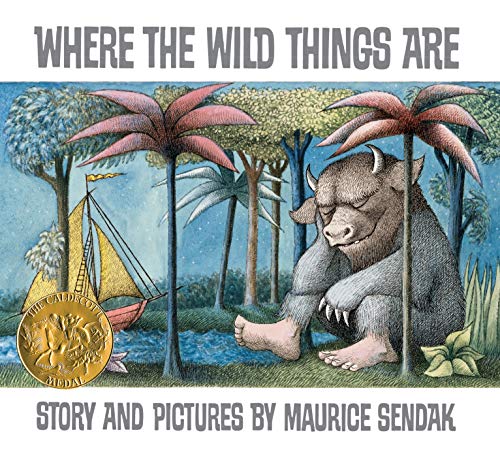
Exploring revered works like Where the Wild Things Are introduces a poignant element to horror; the line between innocence and fear blurs beautifully. While not a traditional fright-fest, this classic children’s tale elicits an underlying dread shrouded in whimsical imagery. It serves as a reminder that childhood fears can evolve into the complex anxieties of adulthood.
As we step into the daylight, inspired by the shadows of these nighttime tales, we’re left wondering—why do we gravitate toward these dark narratives? In their ability to provoke thought and offer cautionary tales, scary stories provide invaluable insights. They deliver not just entertainment but also essential narratives that compel us to face our fears and engage with the darker dimensions of the human experience.
In conclusion, storytelling remains a fundamental human practice, flourishing in darkness with the flicker of a candle. From ghostly whispers to spine-tingling legends, the allure of fear is ageless, reminding us that, no matter how bright the world may look, shadows will always lurk in the corners—just waiting for us to listen.
If you’re eager to explore more terrifying tales or catch up on your favorite shows, be sure to check out our latest insights on upcoming releases! And if you need a quick payment option for your movie night treats, don’t forget about Paypal pay Later. As we gear up for more spooky storytelling, keep your eyes peeled for the upcoming Christmas 2024 films that promise holiday chills!
Scary Stories to Tell in the Dark: Haunting Trivia
The Roots of Fear
Did you know that the tradition of sharing scary stories dates back centuries? People have gathered around fires, whispering eerie tales to heighten the suspense and bond over fear. One iconic example is the famed book series, “Scary Stories to Tell in the Dark,” which has terrified and thrilled young readers since its debut in the 1980s. The stories tap into primal fears and pull inspiration from folklore, much like classic thrillers such as Minority Report, which delve into darker themes that echo our societal anxieties. Speaking of fear, actress Diane Ladd has brought a range of emotions to her roles, adding depth to the horror genre in films that make our skin crawl.
Cultural Connections
The creepy tales we enjoy today reflect cultural fears and serve as a mirror to society. From urban legends to ghost stories told in hushed tones, these narratives have a way of creeping into our minds long after the lights go out. In a similar vein, the animated antics of Johnny Bravo have entertained many, yet his slapstick humor contrasts starkly with the tension in scary narratives. While we look forward to potential sequels like the rumored Happy Gilmore 2 release date, we find ourselves diving deeper into the world of horror, where a chilling twist or surprise can linger like a shadow. Moreover, even shows like The Bold and the Beautiful have embraced spooky elements in some story arcs, proving that fear finds its way into various genres.
A Haunting Experience
What’s fascinating is how storytelling techniques shape our perceptions of fear. The use of suspense, surprise, and anxiety creates that all-important goosebumps factor. For example, the eerie melodies of modern horror soundtracks often rely on something as subtle as an em chord to heighten tension. Just as the cast of shows like Industry explores the tension of corporate life, horror stories convey a similar discomfort within thrilling twists. These scary stories to tell in the dark no longer remain confined to childhood; they evolve, much like our own fears do as we grow. As you weave your own spooky tales, remember—the right story can haunt the listener long after the last word is spoken.