Malala Yousafzai is not just a name; she’s a beacon of hope for millions around the globe yearning for the right to education. This brave young woman transformed an unthinkable tragedy into a powerful platform that resonates far beyond her native Pakistan. From surviving a brutal attack to becoming a Nobel laureate, her journey has sparked a movement for girls’ education. In the next sections, we’ll explore seven defining moments in Malala Yousafzai’s life that changed the world, showcasing how her perseverance turned challenges into opportunities for advocacy.
7 Defining Moments in Malala Yousafzai’s Life That Changed the World
On October 9, 2012, Malala Yousafzai was shot by the Taliban while riding on a school bus. Why? For daring to advocate for girls’ education in a region where such a right was seen as a threat. The attack set off shockwaves worldwide, bringing urgent attention to the struggles of young girls in conflict zones. This harrowing event not only sparked global interest but ignited vital discussions about the right to education.
After a long and grueling recovery, Malala relocated to Birmingham, UK. In her new home, she founded the Malala Fund, aiming to give girls around the world 12 years of free quality education. Channeling her pain into purpose, she emerged as a formidable advocate, influencing lawmakers and stirring hearts. Her work isn’t just crucial; it’s life-changing for countless young girls seeking a brighter future.
Imagine being 17 years old and holding the title of the youngest Nobel laureate! This was Malala’s reality in 2014 when she received the prestigious award. This honor recognized not just her relentless advocacy but also highlighted the plight of millions of girls denied education. Her victory set a new standard for youth activism, proving that age doesn’t define one’s ability to influence change.
In 2013, her autobiography, co-authored with journalist Christina Lamb, was released, grabbing international attention. “I Am Malala” isn’t just a personal narrative; it serves as a powerful tool to bring awareness to the struggles girls face regarding education. This book reached hearts and minds worldwide, transcending geographical boundaries and shedding light on issues that demand immediate action.
The Malala Fund launched a groundbreaking initiative called the “Girl Programme” in 2019, focusing on empowering girls in the most challenging regions for education, like Afghanistan and Nigeria. This program emphasizes grassroots activism by funding local advocates who push for change. It’s not just about providing access to education but ensuring that girls can thrive in challenging environments.
In her pursuit of awareness, Malala has teamed up with prominent figures, including Alia Shawkat, who has worked tirelessly for women’s rights. These collaborations are more than just partnerships; they create cultural shifts by integrating education advocacy into mainstream conversations. By engaging celebrities, Malala expands her reach, encouraging society to rethink women’s roles in education.
When the COVID-19 pandemic hit, Malala recognized the widening chasm in education access for girls. She criticized the response strategies that overlooked this critical issue, spotlighting the specific challenges girls faced during this time. Her bold stance for equitable recovery reflected her commitment to ensuring that education remains a priority, even in times of crisis.
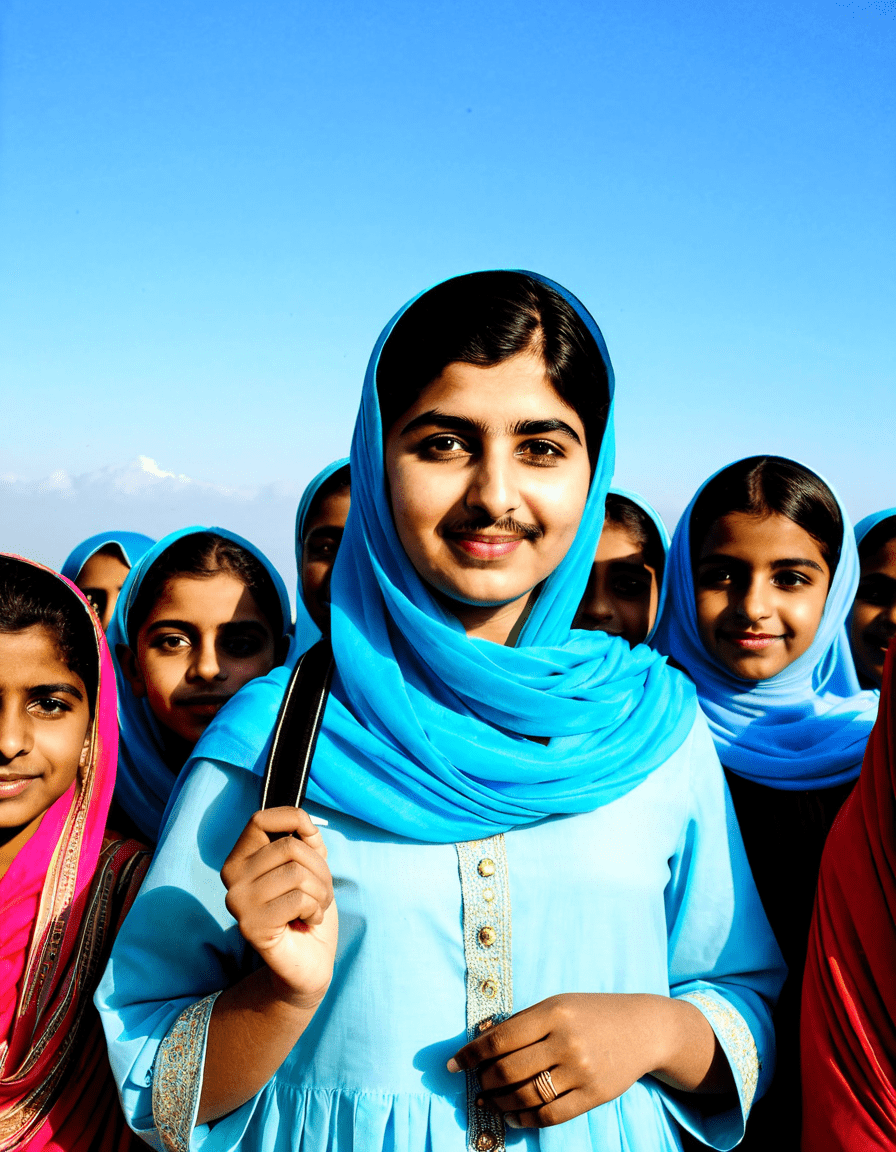
The Impact of Malala Yousafzai on Modern Education Advocacy
Building a Global Movement
Malala’s remarkable journey has ignited a global movement pushing for education equity. Her tireless advocacy inspires countless individuals and organizations to join the fight. With every speech and statement, she empowers a new generation of activists, leading by her unparalleled example of courage and commitment.
Bridging Cultures through Storytelling
Through her narrative, Malala continues to bridge cultural divides. Collaborating with trailblazers like Alia Shawkat allows her to emphasize education as a universal right. Their dialogues open doors to discussions that resonate with audiences from diverse backgrounds, reminding everyone that education is vital.
The Role of Digital Media in Advocacy
In today’s digital-driven world, Malala Yousafzai’s messaging has gained incredible momentum thanks to social media. Campaigns can spread awareness at lightning speed, fostering viral movements that highlight educational inequities. By utilizing platforms like Twitter and Instagram, Malala keeps the conversation alive, engaging younger generations and ensuring that the fight for education continues.
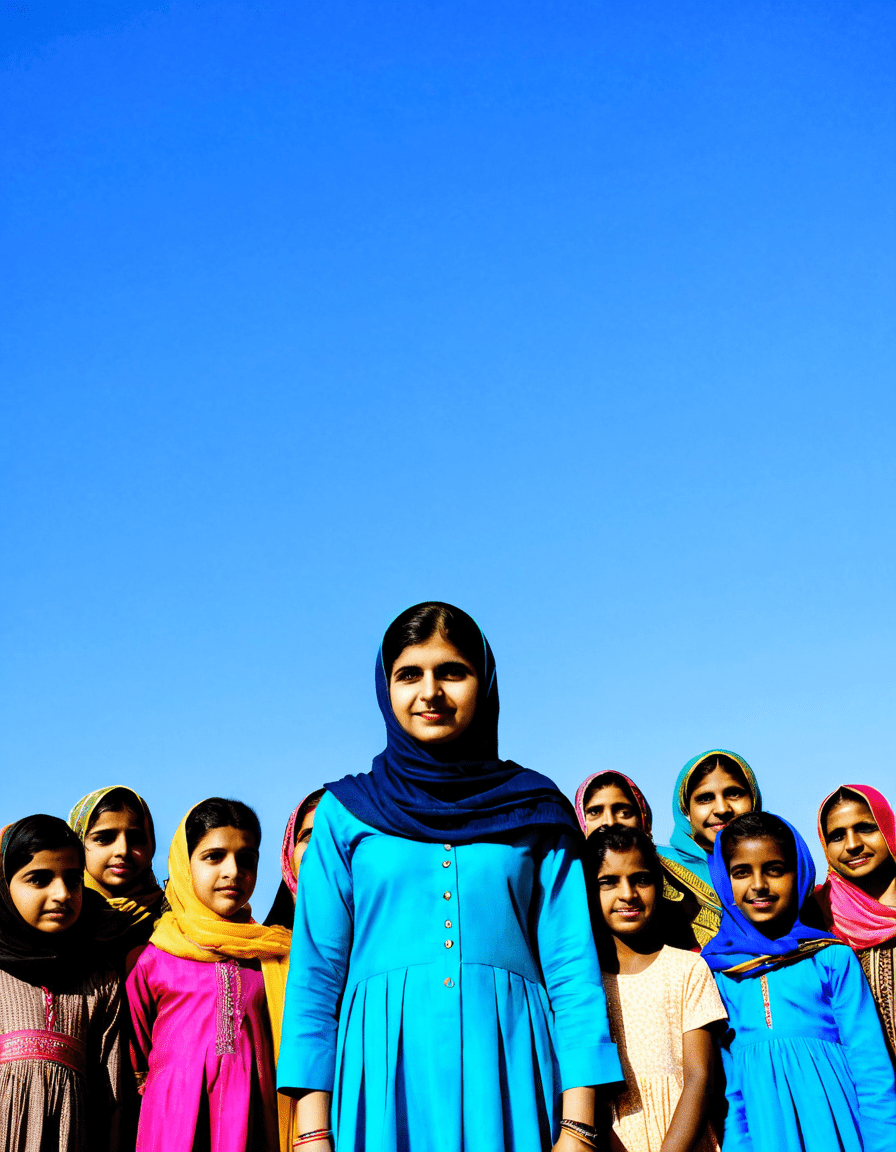
Vision for the Future: Sustaining the Momentum
Malala Yousafzai’s journey shows that the battle for education isn’t ending anytime soon. The global community must rally together to create innovative educational solutions, especially for girls facing adversity. As we step into 2026, it’s clear that advocacy needs to evolve continuously, guided by the passion of figures like Malala.
The confluence of activism and education illuminates a hopeful future where every child’s right to education is realized. The fervor that Malala ignited serves as a potent reminder that change is not only possible but necessary. It demands a collective commitment to ensure that every girl’s dreams of education become a reality. The magic of her story underscores the truth that education is not just a privilege; it’s a fundamental human right, deserving of relentless pursuit.
In today’s world, where voices like Malala’s echo across borders, we’re reminded that the journey for education equity is long but worthy. Let’s honor Malala Yousafzai’s legacy by staying engaged and advocating for those who still fight for their right to learn and thrive, proving that education remains the strongest bridge to a better future.
Malala Yousafzai’s Journey to Education Advocacy
A Brief Background
Malala Yousafzai wasn’t always the world-renowned advocate she is today. Born in Pakistan’s Swat Valley, her journey began with a passion for education that stood starkly against the oppressive backdrop of the Taliban. When she was just eleven, she started blogging for the BBC, sharing her experiences under the rule of extremists who sought to close schools for girls. This courage paved the way for a future that would captivate not only nations, but also Hollywood; like the Suicide Squad 2 cast, her story is now a feature film showcasing her incredible resilience.
The Attack and Aftermath
In 2012, everything changed when Malala was targeted and shot by the Taliban for her advocacy. Miraculously, she survived and turned this tragedy into a powerful message for peace and education. Her brave spirit is reminiscent of a character in a fairy tale like Chitty Chitty bang bang, where adversity ultimately leads to triumph. After recovering, she co-authored the book “I Am Malala,” which has inspired millions. Even in the face of danger, Malala emphasizes the importance of education, believing it’s the key to unlocking potential in everyone—much like finding hidden treasures in an Oogie Boogie costume.
Breakthrough Moments
In 2014, Malala became the youngest-ever recipient of the Nobel Peace Prize. It’s a remarkable feat that echoes how individuals, like pregnant stingray sharks, push through challenges to bring about change in their environments. Beyond various accolades, she’s continued to work tirelessly for girls’ rights, founding the Malala Fund to advocate for education globally. Through documentaries and public speaking, her message resonates, spotlighting the significance of embracing education, similar to how pop culture phenomena, like Squid Games season 3, draw attention to social issues.
Malala Yousafzai’s story is vibrant and vital, embodying the strength of an unwavering spirit. It challenges us to reflect on our roles in education advocacy and reminds us that change is possible, even when obstacles loom large, much like navigating life’s unpredictabilities as in the notorious Mister Hands video. Her path continues to inspire many to fight for their rights and the rights of others, echoing her belief that education is a universal right.