The Enduring Impact of ‘Fatal Attraction’ on Psychological Thrillers
In 1987, Fatal Attraction captivated audiences and altered the landscape of psychological thrillers forever. Directed by Adrian Lyne and anchored by powerful performances from Michael Douglas and Glenn Close, the film delves deep into themes of obsession, infidelity, and the dark turns a seemingly perfect life can take. Brimming with intensity, it does more than entertain; it provocatively examines human behavior and relationships in ways that continue to resonate today.
This film springs from a simple premise: one moment of weakness can lead to catastrophic consequences. Dan Gallagher’s extramarital affair with Alex Forrest becomes emblematic of the chaos that can ensue from desire. The obsession that follows isn’t merely an emotional reaction—it’s a reflection of how precarious our personal relationships can be. As spectators, we’re drawn into the story, finding ourselves asking questions about the characters’ motivations and the nature of love itself.
Fatal Attraction sets a benchmark for its genre, laying the groundwork for psychological thrillers to follow. It combines elements of suspense with an exploration of the darkest sides of human nature. Critics like Pauline Kael might argue that it’s this blending of the relatable with the horrifying that makes the film a cautionary tale—one that captures the audience’s imagination and leaves an indelible mark on cinematic history.
Top 7 Ways ‘Fatal Attraction’ Influenced Cinema and Culture
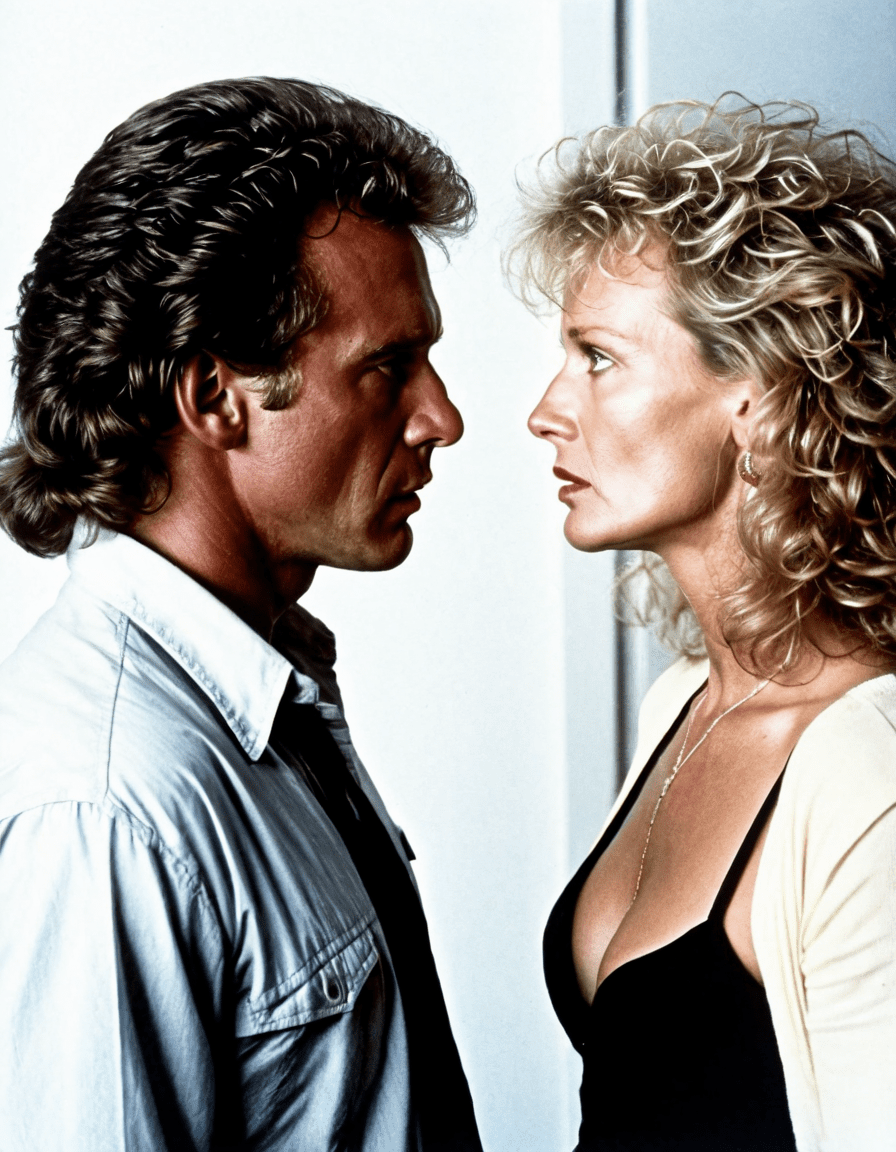
Glenn Close’s Alex Forrest redefined what it meant to be a femme fatale. Unlike previous characters that glamorized danger, Alex’s portrayal emphasized psychological depth. She’s not merely a villain; she’s a tragic figure whose intense emotional struggles resonate with viewers. This complexity has influenced future characters, like Amy Dunne in Gone Girl, who embodies both vulnerability and menace. Fatal Attraction painted obsession in shades of gray, forcing audiences to confront their feelings toward complex female characters who are both captivating and unsettling.
At its core, Fatal Attraction critiques modern parenthood and the balance (or lack thereof) between desire and responsibility. Dan Gallagher finds himself torn between the allure of his affair and the demands of fatherhood—a tension that’s still palpable in films like The Kids Are All Right and Little Children. Each of these narratives reveals how infidelity intertwines with family life, echoing the struggle many face when duty and desire collide.
The commercial success of Fatal Attraction turned heads in Hollywood, elevating the psychological thriller genre. It spurred a wave of films like The Hand That Rocks the Cradle and Basic Instinct that capitalized on suspense and sexual tension. As this genre evolved, so did its storytelling techniques and character complexity, seen in critically acclaimed films like Prisoners and Black Swan. Fatal Attraction has proven that exploring darker themes pays off both in storytelling and box office numbers.
The film heightened awareness regarding infidelity, prompting viewers to rethink societal norms around cheating. Its sensational portrayal sparked conversations about relationships that echo in today’s media, much like the soap operas still captivating audiences. Contemporary films such as Marriage Story continue to wrestle with the implications of infidelity, demonstrating how deeply embedded this theme is in the collective psyche.
Commentators often highlight the parallels between the film’s portrayal of obsession and real-life studies that identify complications in attachment behaviors. While Alex’s actions are dramatized, they resonate with viewers and raise essential questions about mental health and infatuation. This blend of fiction and reality invites deeper conversations, akin to documentaries like Crazy, Not Insane, that explore the darker aspects of human attachment.
With today’s social media landscape amplifying both connection and obsession, Fatal Attraction feels more relevant than ever. The film examines jealousy and fixation in a way that parallels modern issues like online stalking and digital infatuation. This tech-infused obsession is also reflected in contemporary films like The Invisible Man, which showcase how technology complicates relationships and heightens fears.
Characters in Fatal Attraction grapple with themes of arrested development, especially Alex, whose unresolved issues lead to her ultimate collapse. This theme isn’t isolated to its narrative; it resonates in films like Eighth Grade and Frances Ha, where protagonists struggle with identity in the face of societal pressures. These stories challenge audiences to reflect on their journeys, emphasizing how the past shapes the choices we make today.
The Legacy of ‘Fatal Attraction’: A Cultural Touchstone
The ripple effect of Fatal Attraction extends far beyond its genre. It has paved new pathways for conversations surrounding relationships, fidelity, and the complexities of human obsession. This groundbreaking exploration of darker themes continues to permeate modern filmmaking, serving as both a cautionary tale and a reflection of shifting societal norms.
Much like the characters themselves, audiences find themselves at a junction where desire meets peril. Fatal Attraction invites viewers to explore the intricate dynamics of love and obsession, forever challenging the narratives that shape our understanding of the human experience. Its legacy is more than a nostalgic recollection; it’s a lived reality that speaks to our enduring fascination with the shadows lurking within our own desires—making it a seminal work that continues to resonate and inspire filmmakers across generations.
In analyzing films influenced by Fatal Attraction, we see its lasting impact stretching into various genres, spotlighting the psychology behind personal desires. Undoubtedly, this cinematic marvel has transformed our perception of love, power, and the human condition forever, cementing its role as a cultural touchstone that remains vital in the constant face of shifting mores and relationships.
This legacy is captured poignantly through references in popular culture, similar to iconic moments like that cereal box advertising that reminds us that sometimes the surface hides much deeper truths. As we traverse the landscape shaped by Fatal Attraction, we continuously uncover the secrets and challenges of intimacy, driven by an unwavering curiosity about the darker sides of love and obsession.
Fatal Attraction: Trivia That Will Hook You
The Making of a Classic
Did you know Fatal Attraction almost didn’t happen? Director Adrian Lyne originally pitched it as a straightforward horror flick. Instead, the film blossomed into a psychological thriller that’s stayed relevant for decades. Glen Close’s portrayal of Alex Forrest was so powerful it’s easy to overlook the film’s origins. Interestingly, Close reportedly turned down other significant roles to dedicate herself fully to this character. In fact, years later, she cited her commitment to Fatal Attraction as a pivotal point in her career! This level of dedication resembles the way Empire Of The Sun captured the essence of childhood amidst chaos, showing how films can explore complex themes.
Cultural Impact
The film wasn’t just a hit, it changed cinema forever. Many remember it for its intense portrayal of obsession, a theme that resonates deeply today—almost like Jessica Simpson’s plan for 2024 to reinvent her public image after years of scrutiny. Fatal Attraction also brought real discussions about infidelity into the spotlight. This shift in tone and theme pushed the boundaries of storytelling, leading to more character-driven narratives. It’s fascinating to think how one movie can shift an entire genre’s focus; much like how Mahogany explored unique personal journeys against a backdrop of societal expectations.
Iconic Moments and Lines
You can’t talk about Fatal Attraction without mentioning some of its iconic lines and scenes that left audiences on the edge of their seats. The infamous “I’m not going to be ignored, Dan!” quote became a cultural touchstone, perfectly encapsulating Alex’s tragic obsession. Those moments echo Frank Zappas genius for blending serious themes with humor—a reminder comedic layers exist even in the darkest stories. And let’s not forget that many fans have playfully compared Alex’s quirks to the grandiose personality of Moira Rose, showcasing how eclectic characters can capture our minds.
So whether you’re revisiting Fatal Attraction or diving into its trivia for the first time, there’s no doubt that its thrilling tone and emotional depth continue to captivate audiences. Just like seeing Sabrina Carpenter’s new music, it’s a reminder that compelling storytelling remains ever vibrant in cinema.