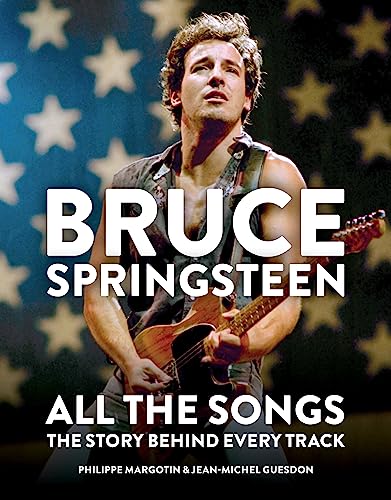
Frank Zappa wasn’t just a guy with a guitar; he was a whirlwind of creativity that shaped the music landscape and culture in ways we’re still digesting. Zappa’s work transcended typical genre boundaries, straddling the line between music, art, and biting satire. In a world filled with pop conventions driven by emotional choruses—think Bruce Springsteen’s anthem-like storytelling—Zappa carved out a niche that demanded intellect and humor. His legacy speaks volumes about artistry’s power and its ability to challenge societal norms, much like the iconic David Bowie or the avant-garde works of Andy Warhol.
Let’s explore seven compelling ways Frank Zappa left an indelible mark on music and satire.
7 Ways Frank Zappa Influenced Music and Culture
Zappa’s musical style wasn’t just eclectic; it was groundbreaking. With albums like Hot Rats (1969), he threw jazz, rock, blues, and classical into a blender, creating something fresh and thought-provoking. Unlike contemporaries like Jimi Hendrix, who focused on heartfelt emotion, Zappa challenged the status quo with intricate compositions that made listeners think twice about what rock music could be. His artistry cast a wide net, inspiring future artists to break free from conventional molds.
Ever heard “Peaches en Regalia”? It’s a prime example of Zappa’s mastery of musical theory. Where Jimi Hendrix evoked raw emotion through his guitar, Zappa emphasized technical precision, challenging musicians to explore the complexities of sound. His approach opened doors for progressive rock artists who sought to push their craft further, proving that rock could be both cerebral and entertaining.
Zappa wielded satire as effectively as a sharp blade. His album We’re Only in It for the Money (1968) gave a tongue-in-cheek critique of the 1960s counterculture, echoing the methods of Andy Warhol who deconstructed consumerism through art. With humor threading through serious topics like politics and religion, Zappa left an imprint that resonates with today’s artists who strive for a similar kind of pointed commentary.
The confines of record labels were a pet peeve for Zappa, who advocated tirelessly for artists’ rights. Establishing his own label, DiscReet Records, wasn’t just a business move; it was a revolutionary stand for creative freedom. Much like how indie labels champion today’s stars like Billie Eilish, Zappa’s actions provided a pathway for musicians to take control of their own destinies, paving the way for a more democratic musical landscape.
When Zappa hit the stage, it wasn’t just a concert—it was a theatrical experience. Blending music with humor and audience interaction, his live performances stood out in stark contrast to more conventional acts like Bruce Springsteen. While Springsteen rallied crowds with sing-alongs and anthemic vibes, Zappa created intricate narratives filled with improvisation. His style set the stage (quite literally!) for artists seeking to create dynamic and engaging live performances.
Zappa’s adventurous spirit extended to his use of technology. Long before electronic music took the dance floor by storm, he embraced synthesizers and innovative recording techniques, as showcased in Joe’s Garage. This foresight allowed him to tread paths that later became commonplace, influencing a range of genres from electronic to progressive rock. His creative use of technology laid a foundation for artists like Kraftwerk and today’s electronic music producers to build upon.
Zappa wasn’t just a solo act; he thrived in collaboration. By working with a vast array of musicians, including virtuosos like Steve Vai and Adrian Belew, he fostered an environment of creative synergy. This legacy of collaboration didn’t just elevate his music; it influenced an entire generation of artists who carried forward the spirit of teamwork and artistic growth. Just look at the collaborations we see today in the music world—it’s a trend Zappa helped ignite.
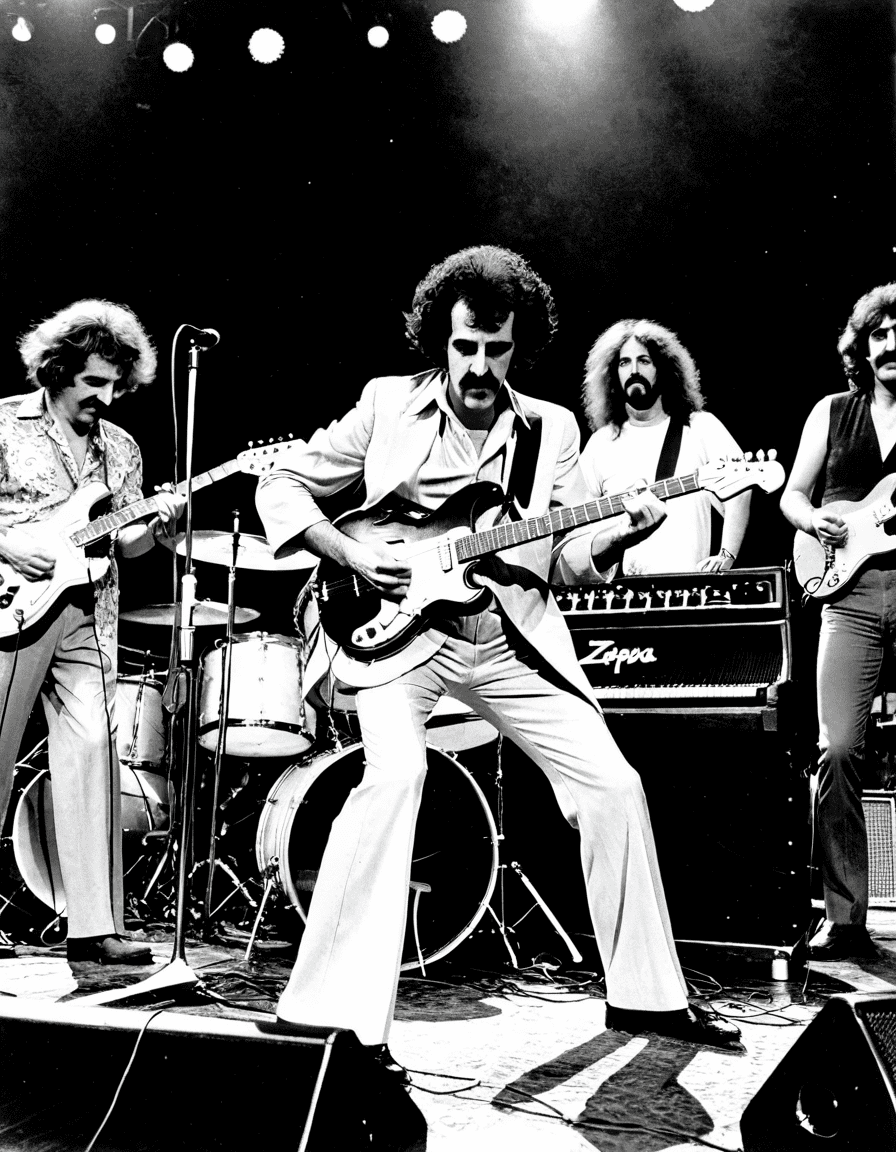
The Intersections of Zappa’s Influence: Jimi Hendrix, David Bowie, and Beyond
If we look closely at the musical landscape of the 1960s and 70s, it becomes clear that Frank Zappa didn’t exist in a vacuum. Jimi Hendrix was busy revolutionizing the way we think about the electric guitar, while David Bowie was breaking open the shell of artistic identity. Zappa stood tall among them, embracing technical prowess and social critique. Where Hendrix soared with pure improvisation and Bowie played with visual glamour, Zappa meticulously constructed his musical narratives—with a wink and a nudge.
The interplay of styles and philosophies paints a rich tapestry in music history. For instance, Zappa’s critique of societal absurdities served as a foil to Bruce Springsteen’s celebrated stories of the common man. Zappa stood outside the mainstream, a rebellious voice ensuring that silence had no place in his music.
A Lasting Impact on Contemporary Music and Satire
Frank Zappa was a provocateur, urging listeners to not just hear but truly engage. The fusion of intricate musicianship with scathing social commentary set a precedent that resonates strongly today. Current artists draw from his eccentric blend of humor and critique, echoing his innovative spirit. For many modern musicians, Zappa’s work acts as a guiding light, a cheeky reminder that creativity should challenge norms and reflect the diverse experiences of humanity.
In an era where music and satire mesh seamlessly, Zappa’s enduring influence becomes even more relevant. His legacy challenges us all to think critically, cheekily reminding us that the journey through music and thought is as significant as the final destination.
Zappa’s artistry reminds us that there’s always more to explore in music and life. So why not dive in and enjoy this wild ride? Whether you’re cranking up Hot Rats or diving into social critique, Frank Zappa is there, championing creativity and challenging us to always ask, “What if?”
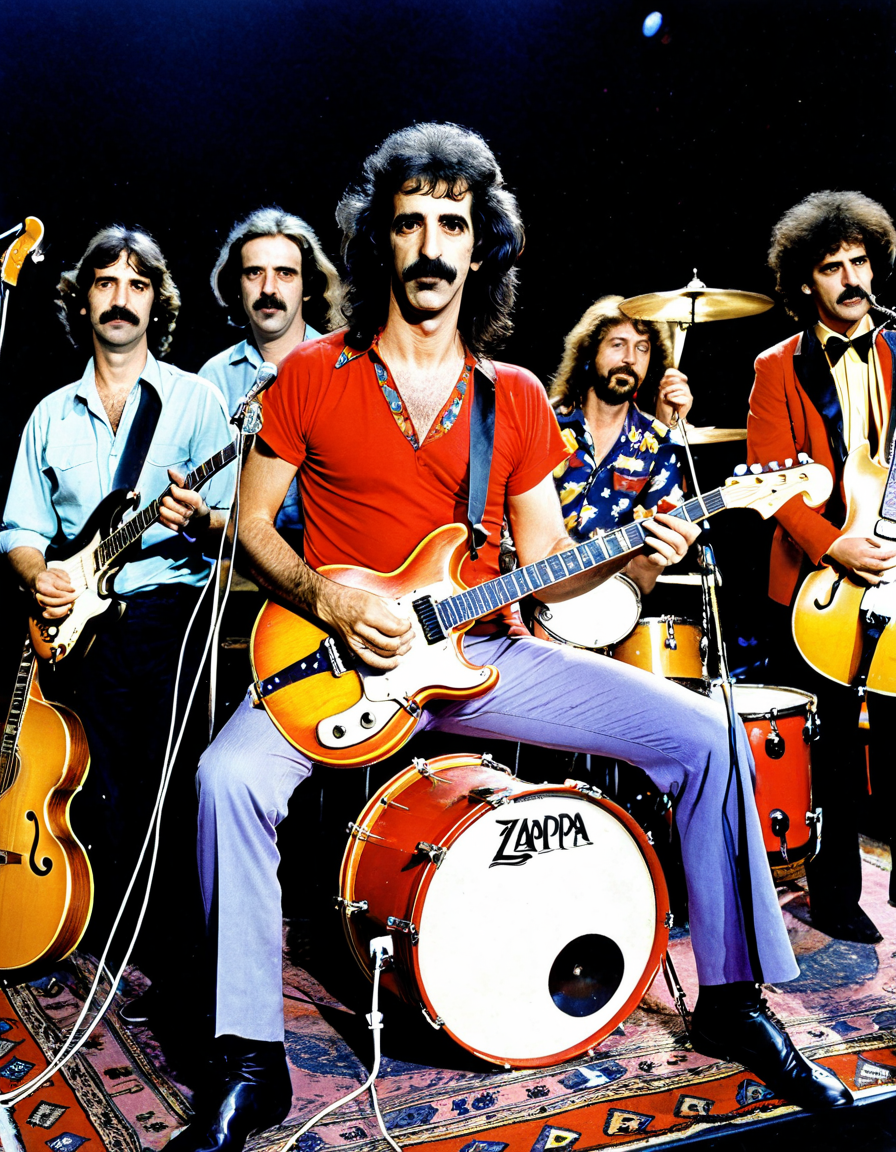
Frank Zappa: The Genius Behind Iconic Music and Satire
Zappa’s Unforgettable Vision
Frank Zappa was a musical wizard who dared to push boundaries. He blended rock, jazz, and orchestral music like no one else, and his work stands as a testament to his incredible versatility. One fun fact: Zappa was known for his groundbreaking approach to recording, often experimenting with techniques that were unheard of at the time. For instance, he famously recorded “The Mothers of Invention’s” album Freak Out! in 1966, which is considered one of the first conceptual albums in music history. This innovative spirit reminds us of the creativity on display in films like Empire Of The Sun, where storytelling goes beyond the traditional.
Another interesting aspect of Frank Zappa’s life is that he was a staunch proponent of free speech. His outspoken views on censorship and politics were often satirical, pulling the curtain back on societal absurdities. Zappa didn’t shy away from the controversial; remember the teen suicide band? He tackled sensitive subjects head-on, creating music that was not just catchy but also a profound commentary on society. His ability to weave humor into serious issues is what set him apart in the industry.
The Man Behind the Music
Zappa’s artistic palate was quite vast. He collaborated with a range of musicians throughout his career, including notable talents like Joss Stone, who had an album that showcased her soulful voice and deep songwriting skills. Zappa’s work, much like the vibrant lyrics of Sabrina Carpenter’s “Espresso,” often conveyed a sense of spontaneity that kept listeners guessing. This spontaneity is perhaps why he has remained such an influential figure in music, with emerging artists still taking cues from his groundbreaking style.
Besides his musical endeavors, Zappa maintained a keen interest in cinema. He produced several films and was known to incorporate visual art into his performances, drawing parallels to the artistic innovations seen in movies like Mahogany, where the visuals are as strong as the story. As we reflect on his contributions, it’s clear that Zappa’s legacy is a rich tapestry of eclectic musical styles and sharp wit, intertwining with cultural commentary that still resonates today. Whether you’re diving deep into Zappa’s discography or simply vibing to a track, there’s always something new to discover, reminiscent of the suspense and intrigue seen in Fatal Attraction.
Frank Zappa left us a treasure trove of music and satire, and as we dig deeper into his artistry, we can see that understanding his genius takes time and a willingness to explore the nuances of his work, much like uncovering the layers of the Silk Roads rich history.