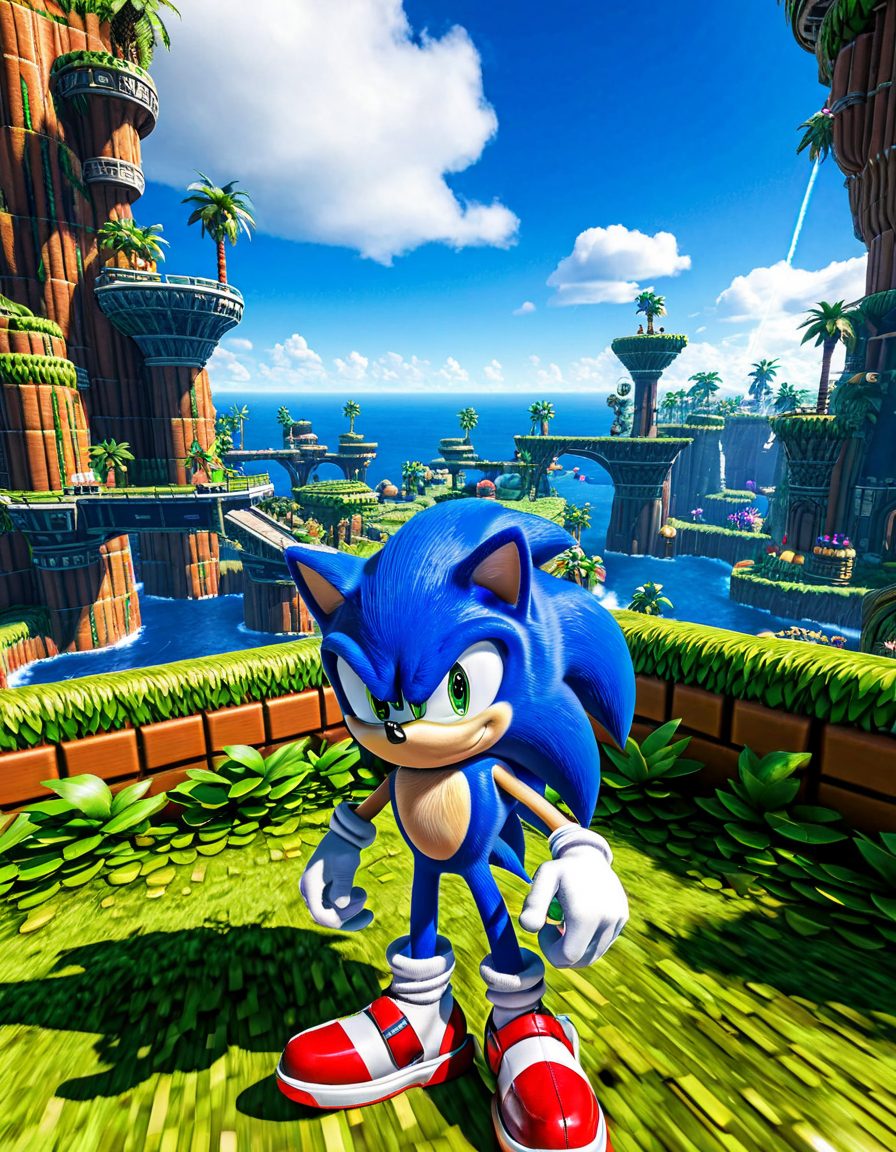
Sonic the Hedgehog has zoomed through the gaming landscape since his vibrant debut in 1991. A true icon of the sonic games, this blue blur redefined not just platforming but also the very standards of speed and adventure in video games. From pixel-perfect 2D adventures to sprawling 3D universes, each title has ventured into creative territory while remaining faithful to Sonic’s legacy. Grab your controllers and buckle up! Here’s a closer look at seven sonic games that pivotal in shaping this unforgettable franchise.
The Evolution of Sonic Games: From Sonic 1 to Modern Classics
Sonic kicked off his journey with a bang, setting early benchmarks that would resonate through decades. Not only did the franchise grow in terms of graphics and gameplay mechanics, but it also reflected changes in gaming culture itself. With each new release, the stakes got higher and the adventures even more thrilling. The blend of nostalgia and innovation keeps fans on the edges of their seats, whether they’re revisiting classics like Sonic 2 or exploring newer releases like Sonic 4.
This evolution is more than just nostalgia; it’s a testament to Sonic’s adaptability. The franchise has consistently found ways to capture the hearts of both seasoned players and newcomers alike. Let’s dig deeper into the seven sonic games that forged a legacy of speed and adventure, ensuring Sonic’s place as a pop culture phenomenon.
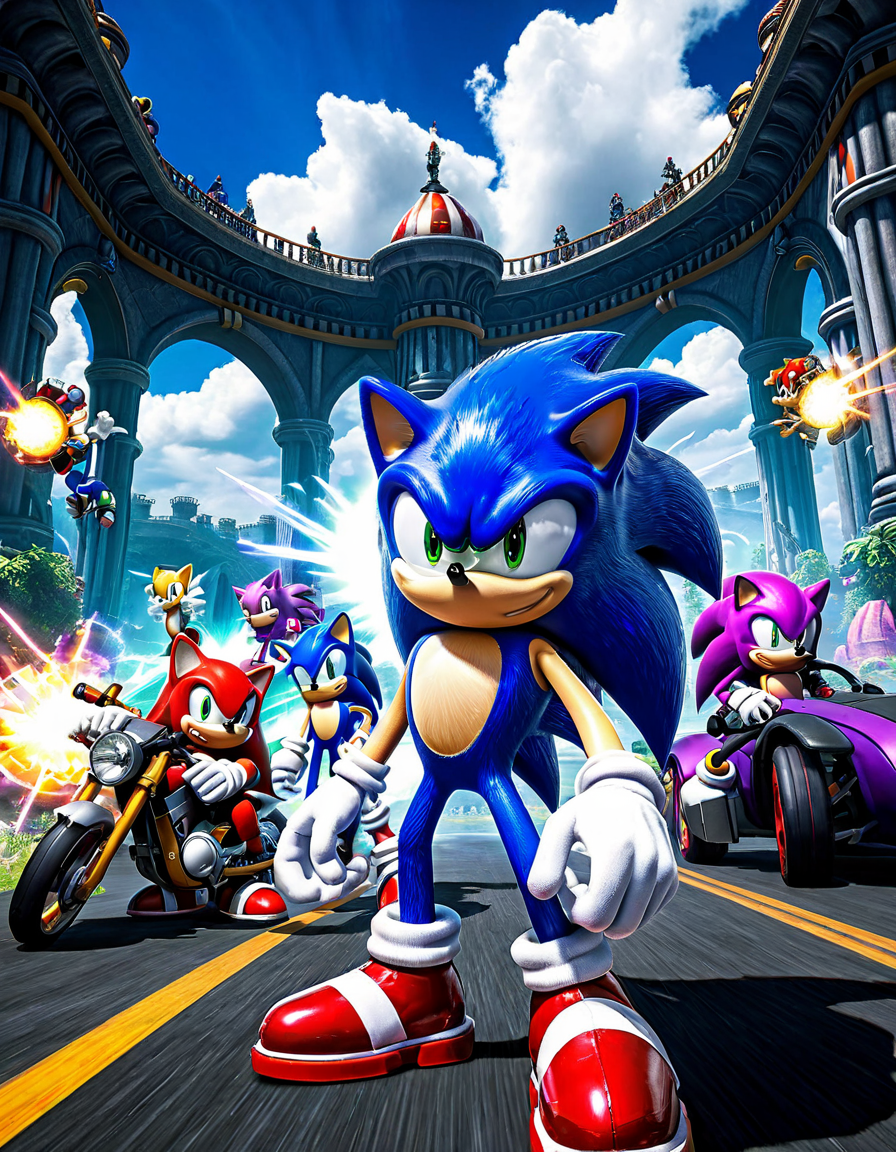
Top 7 Sonic Games That Changed the Game
1. Sonic the Hedgehog (1991)
Launching a movement, the original Sonic the Hedgehog wasn’t just a game—it was a revelation. Players raced through vividly animated zones with a speed that was, at the time, unheard of. Unlike the slow-paced platformers of the era, Sonic transformed traditional gaming experiences, emphasizing rush and reaction times like never before.
The level design captivated audiences, encouraging them to keep coming back for more. Sonic’s tight controls and iconic loop-de-loops got children and adults alike eager to test their speed, paving the way for the franchise’s exponential growth. Talk about redefining fun!
2. Sonic 2 (1992)
Can you feel the excitement? Sonic 2 not only solidified Sonic’s place in gaming but also introduced Tails, his loyal sidekick. This title didn’t just build on its predecessor; it took the gameplay to dizzying new heights, particularly with its split-screen multiplayer mode. Friends raced against each other, adding a competitive edge that turned living rooms into arenas.
The cleverly designed levels packed with ramps and loops pushed Sonic to his limits. The gameplay mechanics showcased the thrill of speed while keeping things light-hearted and engaging. It’s amazing how Sonic 2 enhanced the franchise’s appeal, making it an instant classic that still resonates with fans.
3. Sonic CD (1993)
Sonic CD was a treasure chest of innovation that catapulted the series into new dimensions. With its mind-boggling time travel mechanics, it allowed players to choose paths that altered the environment in fascinating ways. This non-linear level design crafted a sense of discovery, keeping gamers on their toes.
Imagine racing through various timelines and witnessing how Sonic’s choices echo through his world. This complexity added layers to what was previously a straightforward platformer. Players got hooked, replaying levels to explore all avenues and endings. Indeed, Sonic CD broadened the concept of gameplay, setting the stage for future sonic adventures.
4. Sonic 3 & Knuckles (1994)
Let’s talk about ambition—Sonic 3 & Knuckles merged two games like a masterful film score. This entry introduced Knuckles, bringing depth to the narrative and redefining gameplay dynamics. Players delighted in gliding and climbing walls with their new character, showcasing strategic diversity in level navigation.
The narrative’s rich intertwining with the gameplay transformed how stories could unfold in video games. Gone were the days of simple plot lines. The emotional investment deepened, compelling players to care about the characters and their journeys. It’s like Sonic 3 & Knuckles held a mirror to the evolution of storytelling itself.
5. Sonic Adventure (1998)
Sonic took a leap into the 3D space with Sonic Adventure, breaking from tradition in thrilling ways. Capitalizing on the capabilities of the Sega Dreamcast, this title transformed the experience with an expansive world and multiple playable characters. The blend of speed, exploration, and cutscene-driven storytelling pushed the envelope of what video games could accomplish.
With its remarkable graphics and engaging narratives, Sonic Adventure redefined how players connected with characters. Suddenly, the storyline mattered as much as the gameplay—a change that resonated throughout the industry. This journey showcased Sonic not just as a speedy character but as a beloved hero with a tale worth telling.
6. Sonic Generations (2011)
Sonic Generations expertly blended nostalgia with innovation, celebrating the franchise’s 20th anniversary. By revisiting seminal levels and reimagining them in both 2D and 3D formats, this game struck a chord with older fans while introducing newcomers to Sonic’s legacy.
The game’s mechanics highlighted how beloved gaming principles could merge with modern design beautifully. Players enjoyed the dual perspectives, making for a well-rounded experience. It showed that Sonic games could honor the past while looking firmly toward the future—an essential lesson in gaming innovation!
7. Sonic Mania (2017)
Returning to his roots, Sonic Mania revived Sonic’s classic 2D essence while wrapping it in new visuals and fresh gameplay twists. This collaborative project between fans and industry veterans felt like a heartfelt love letter to the earlier games. The inclusion of both original and reimagined levels created a delightful blend that welcomed all players.
Critics praised the gameplay, with its approachable mechanics and hidden secrets offering depth for veterans. The positive reception reignited interest in the franchise, proving once again that Sonic could adapt and thrive. It’s this kind of fresh thinking that keeps Sonic relevant in an ultra-competitive gaming landscape.
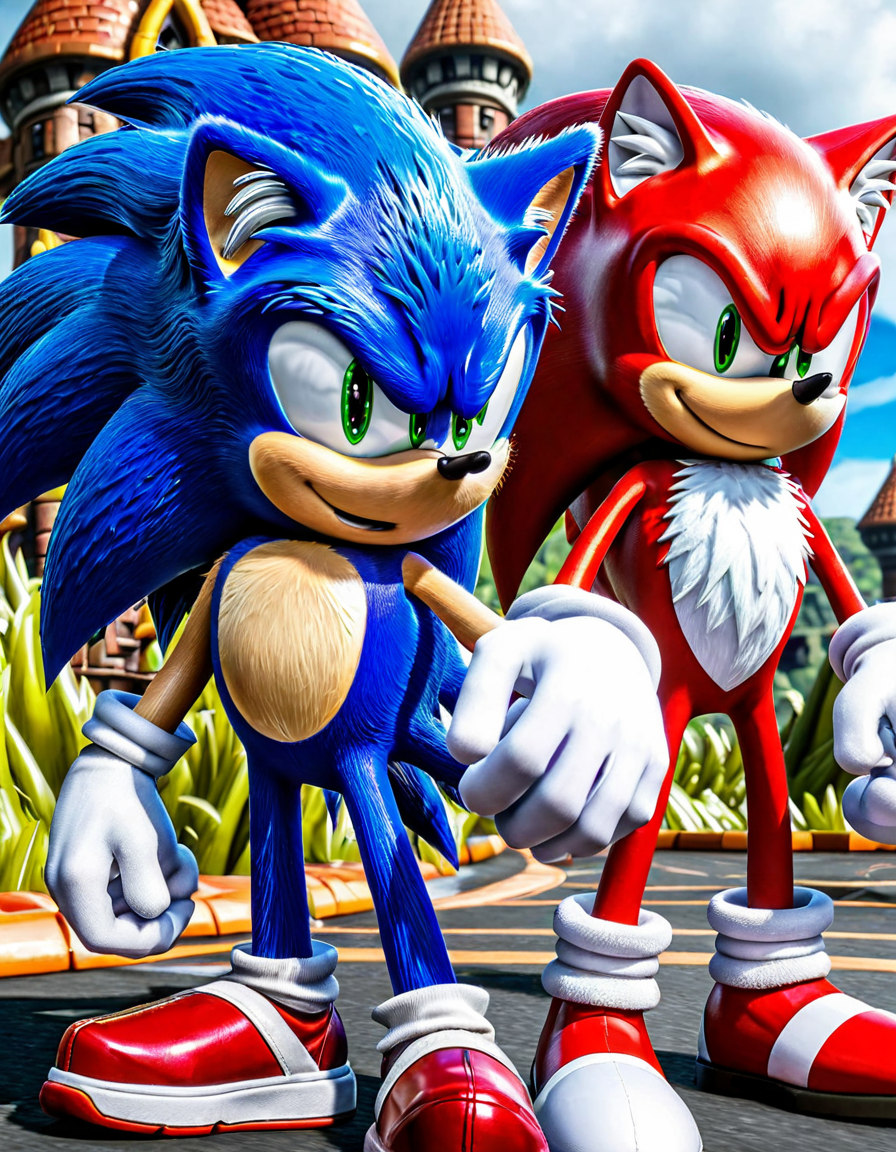
The Future of Sonic Games: Embracing Adventure and Innovation
Looking ahead, the journey of sonic games is far from over. The foundation laid by iconic titles continues to inspire new developers and titles, breathing fresh life into Sonic’s escapades. The fine line between honoring nostalgia and embracing innovation remains crucial—fans are eager for new adventures that still echo the beloved traits of Sonic.
As we await the next chapter, one thing’s clear: Sonic’s charm will always resonate. Imagine exploring new universes or jumping into reimagined classics; the potential is limitless. This character is ready to speed into the future, promising to captivate audiences for generations to come. So, hold on tight, because Sonic’s thrilling adventures are just getting started!
In the end, the legacy of sonic games isn’t just about speed; it’s about community, innovation, and the joy gaming brings. Let’s strap in for what’s next, as Sonic prepares to make history all over again!
Sonic Games That Redefined Speed and Adventure for All
Fast Facts About Sonic’s Legacy
Sonic the Hedgehog isn’t just a speedy blue character; aside from being Sega’s mascot, he’s a cultural phenomenon. Did you know that the original Sonic game, released in 1991, was inspired by the idea of merging a fast-paced character with the emerging technology of 16-bit gaming? This game catapulted Sonic into the spotlight, setting the stage for an entire legacy. Speaking of legacies, who knew that an unexpected mash-up between Sonic and Vanilla Sky could leave audiences scratching their heads on the thematic parallels of speed and existentialism?
As Sonic sped into new adventures, he faced a variety of challenges and foes. One fascinating tidbit is that Sonic’s iconic spin dash was introduced in Sonic the Hedgehog 2 after feedback from players indicated they wanted more speed and control during gameplay. Just like Biolegend has revolutionized the field of life sciences with innovative technologies, Sonic’s evolution incorporated player suggestions to maintain his relevance in a rapidly changing gaming landscape.
Spin-Off Successes and Cultural Impact
Sonic games have spun off into various formats, including comics, TV shows, and even a film franchise, showcasing his wide appeal. The character’s crossover into pop culture shows just how well he resonates; it’s much like how Imogen Heap has blended acoustic and electronic styles to reach broader audiences. Fans often debate which Sonic game reigns supreme, leading to lively discussions akin to those surrounding World Solitaire, where players sift through strategies to find the ultimate path to victory.
Additionally, did you know Sonic once starred in a series of educational games? These aimed to teach kids about the environment through fun, speedy adventures. Just like The Tire Choice aims to help drivers choose their perfect tires, Sonic inspired the younger generation to care for their planet while having a blast. His commitment to adventure and newfound responsibilities lets fans see another side of speed that adds depth to his character.
The Speedy Future of Sonic
Sonic shows no signs of slowing down! With new games continually being developed, the franchise adapts to modern gaming trends. It’s much like the Marvel Cinematic universe, where superheroes evolve while still maintaining core traits that fans love. Whether it’s through fast-paced gameplay or engaging storylines, Sonic’s continued relevance proves he’s far from yesterday’s news. Interestingly, as Sonic gains new companions in his journey, fans often compare his friendships to that of Tae Heckard and her captivating character dynamics, showcasing the theme of camaraderie in adventurous quests.
So, whether you’re zipping through loop-de-loops or taking in the rich history of Sonic, there’s always something new to discover. With each iteration, Sonic games redefine speed and adventure, keeping players excited and engaged for decades on end.