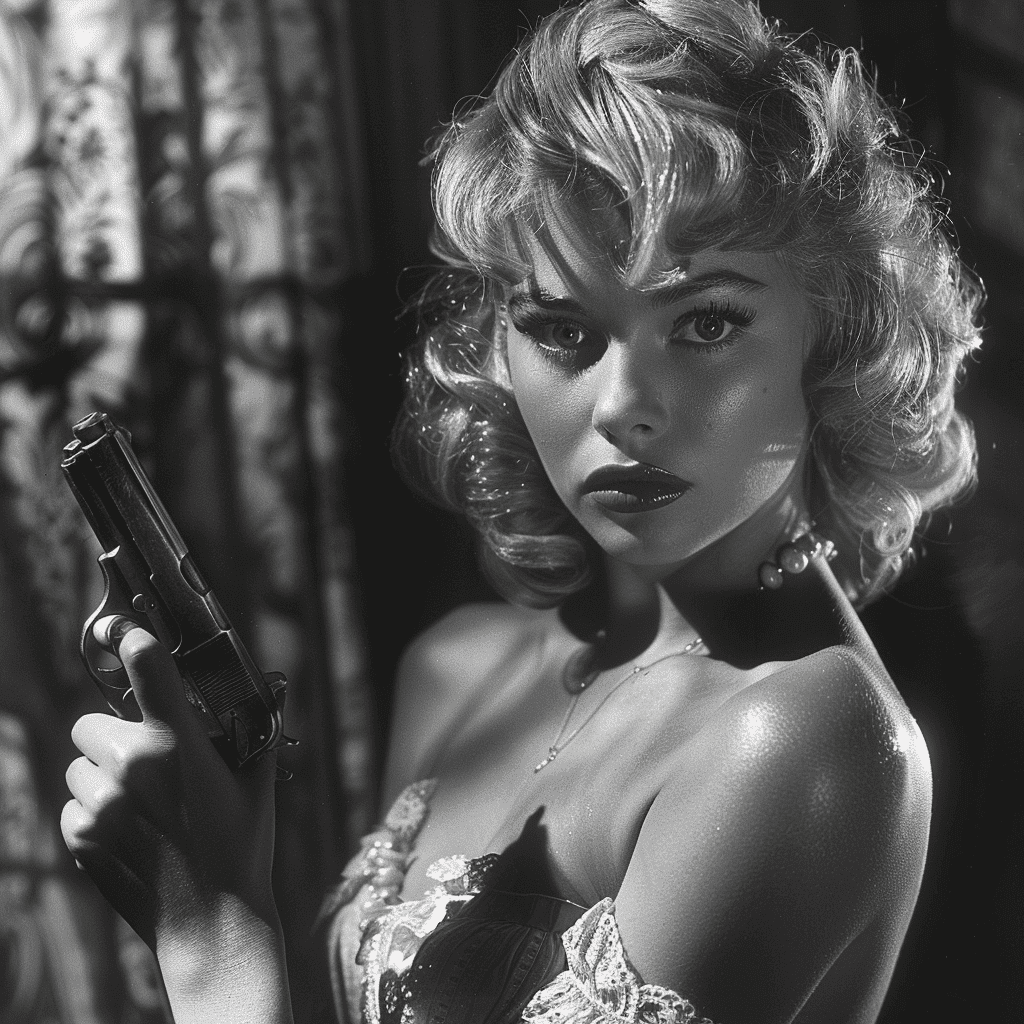
Wong Kar-wai’s film “In the Mood for Love,” released in 2000, has become an enduring masterpiece that continues to resonate with audiences more than two decades later. This enchanting tale of love and longing has not only set a precedent in filmmaking but has also profoundly influenced cultural conversations around intimacy and desire in the context of relationship dynamics. Here are five reasons the film remains in the mood for love even in 2026.
Top 5 Reasons ‘In the Mood for Love’ Remains a Timeless Classic
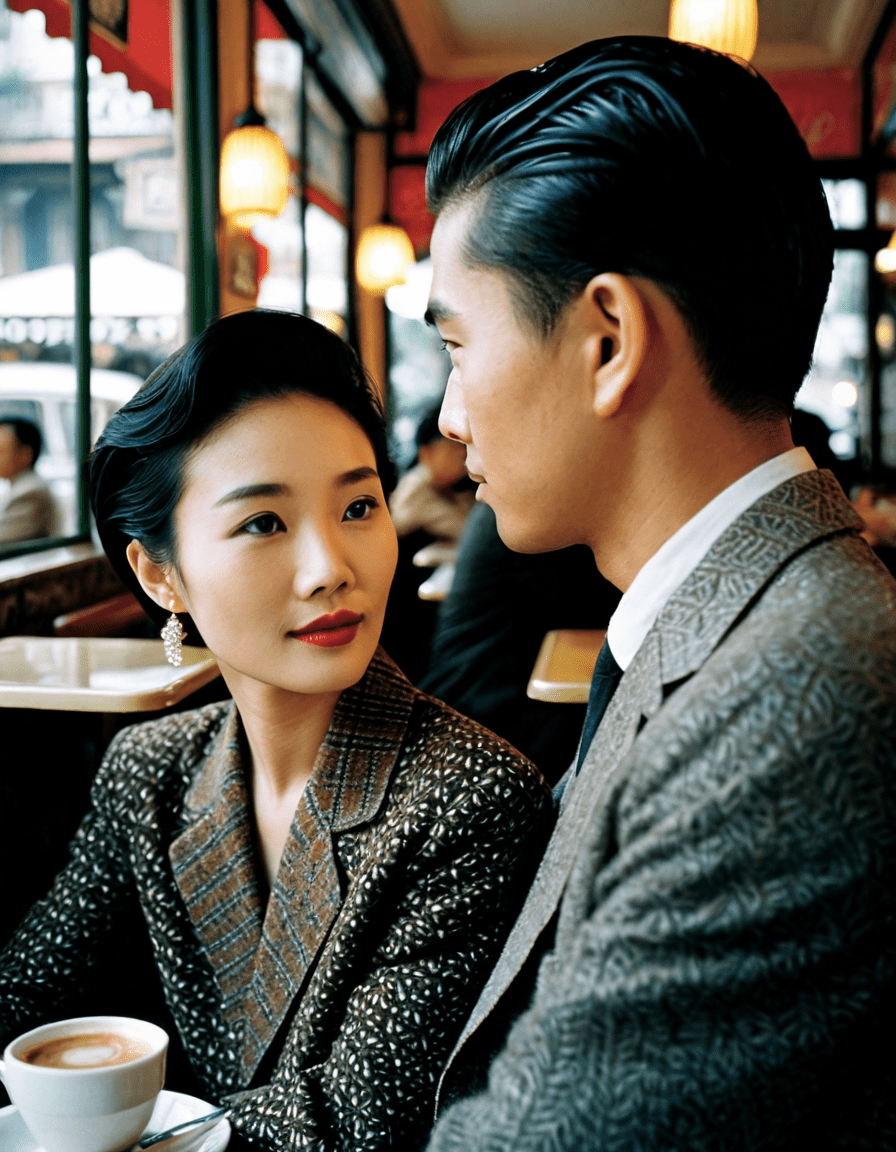
1. The Perfect Couple Cast: Tony Leung and Maggie Cheung
Central to the film’s allure is its exceptional casting. Tony Leung and Maggie Cheung deliver iconic performances as Mr. Chow and Su Li-zhen, two neighbors in 1960s Hong Kong who embark on a covert emotional affair after suspecting their spouses of infidelity. Their impeccable chemistry transcends the screen, allowing the audience to understand their profound connection without overt displays of affection.
Both actors brought depth to their characters that resonates today. Their subtle glances and unspoken feelings masterfully illustrate the intricacies of human desire. It’s as if we, as viewers, are peering through a window into their souls—feeling every bit of tension and longing. This perfect couple cast provides a poignant study of how love can flourish even within the constraints of societal expectations, resembling real-life experiences of many couples today.
2. Cinematic Aesthetics: A Visual Romance
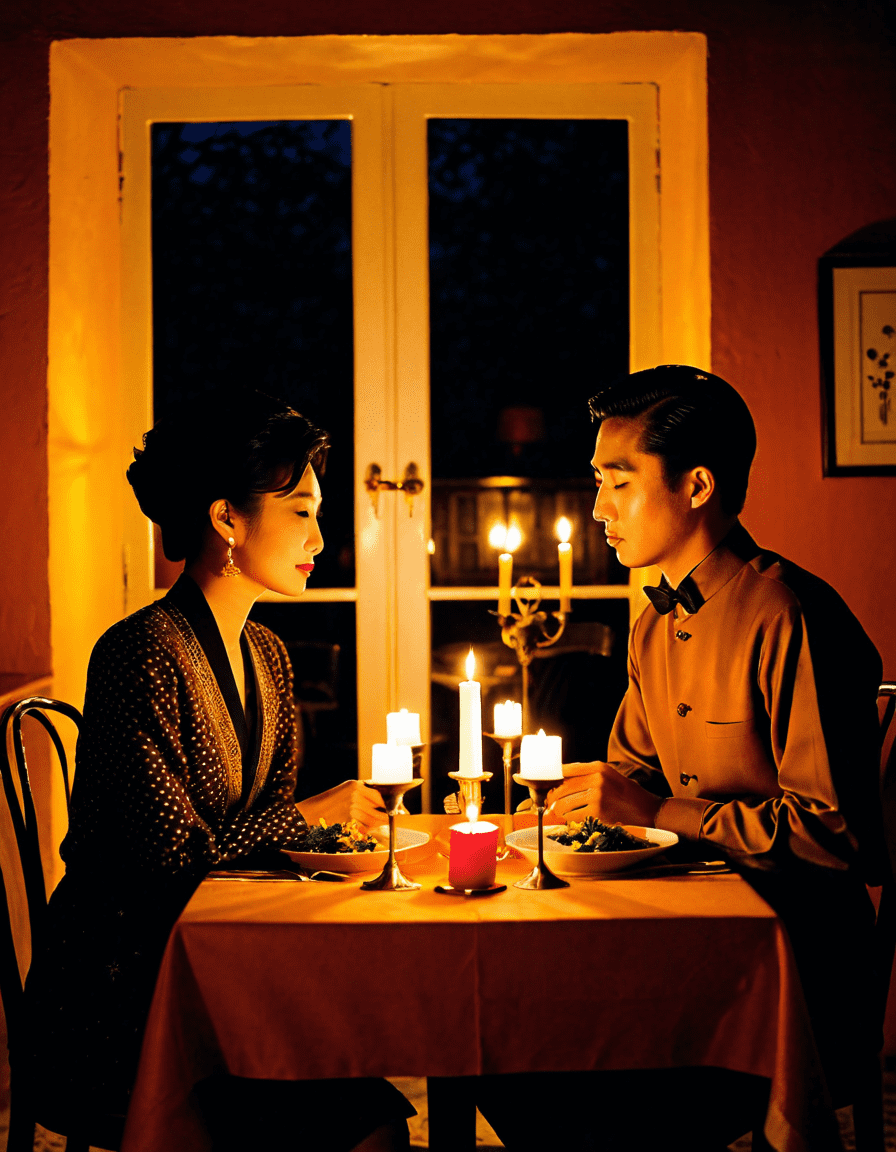
Wong Kar-wai’s innovative visual style is a feast for the eyes, weaving together elements of color, light, and shadow to elicit emotions raw and real. The use of warm tones paints a genuine picture of longing, creating an environment that feels both lush and intimate. Each frame almost feels like a painting, bringing to life the romance of a bygone era with an elegance few films achieve.
The beauty lies not just in the shots but in the detailed composition—each scene is crafted with care, echoing themes of desire and nostalgia. One might say it’s akin to flipping through an old photo album, each snapshot filled with memories that evoke deep emotions. Wong Kar-wai has truly set the bar for visual storytelling in films, guiding a new generation of filmmakers, much like the influence of other classics, including Avengers: Endgame, which took the cinematic world by storm.
3. Themes of Unrequited Love and Yearning
At its core, “In the Mood for Love” paints a hauntingly beautiful narrative about unreciprocated feelings and missed opportunities. Rather than presenting love in the form of traditional romantic tropes, this film elegantly explores how societal norms and personal circumstances dictate our choices. Mr. Chow and Su Li-zhen’s silent struggle showcases the heart-wrenching complexities so many face, reminding us of the bittersweet nature of love.
It’s not just about avoiding scandal; it’s about the very essence of connection and emotional fidelity in a world of ambiguity. As viewers, we are compelled to think of our own experiences, reflecting upon the moments when desire danced tantalizingly out of reach. This film offers a universal truth—many of us have hearts that echo the sentiments of being in the mood for love, yet barriers keep us from fully embracing it.
4. Cultural Context: Reflecting Society’s Norms
Released during a time of rapid social change in Hong Kong, the film subtly reflects the tension between tradition and modernity. In the 1960s, relationships were subject to stringent societal expectations. Mr. Chow and Su Li-zhen’s hidden love becomes a mirror to these pressures. Their story moves beyond just a romantic narrative; it critiques cultural values while simultaneously enriching the definition of love.
This exploration resonates with people today, as similar societal expectations persist globally. The silent struggles faced by the characters connect to the broader themes in films of our time, such as the evolving narratives around love seen in modern classics. Cultural conversation surrounding these issues remains as relevant today as it was then, encapsulating the enduring human experience.
5. Enduring Influence on Film and Fashion
The impact of “In the Mood for Love” isn’t confined to its narrative and visuals; it extends into the realms of fashion and cinematic style. The intricate costumes designed by William Chang embody the era’s elegance, making waves in fashion industries worldwide. Designers frequently refer to this film as a touchstone for evoking romance, creating a lasting legacy that still influences collections today.
Films like Birdie Wing and “La La Land” demonstrate this stylistic borrowing, channeling similar emotions through their visuals. Meanwhile, the film’s aesthetic has inspired directors globally, encouraging them to delve deeper into emotional storytelling. From Julian Lennon‘s artistic references to new designers echoing the trends established in this film, the influence is pervasive and undeniable.
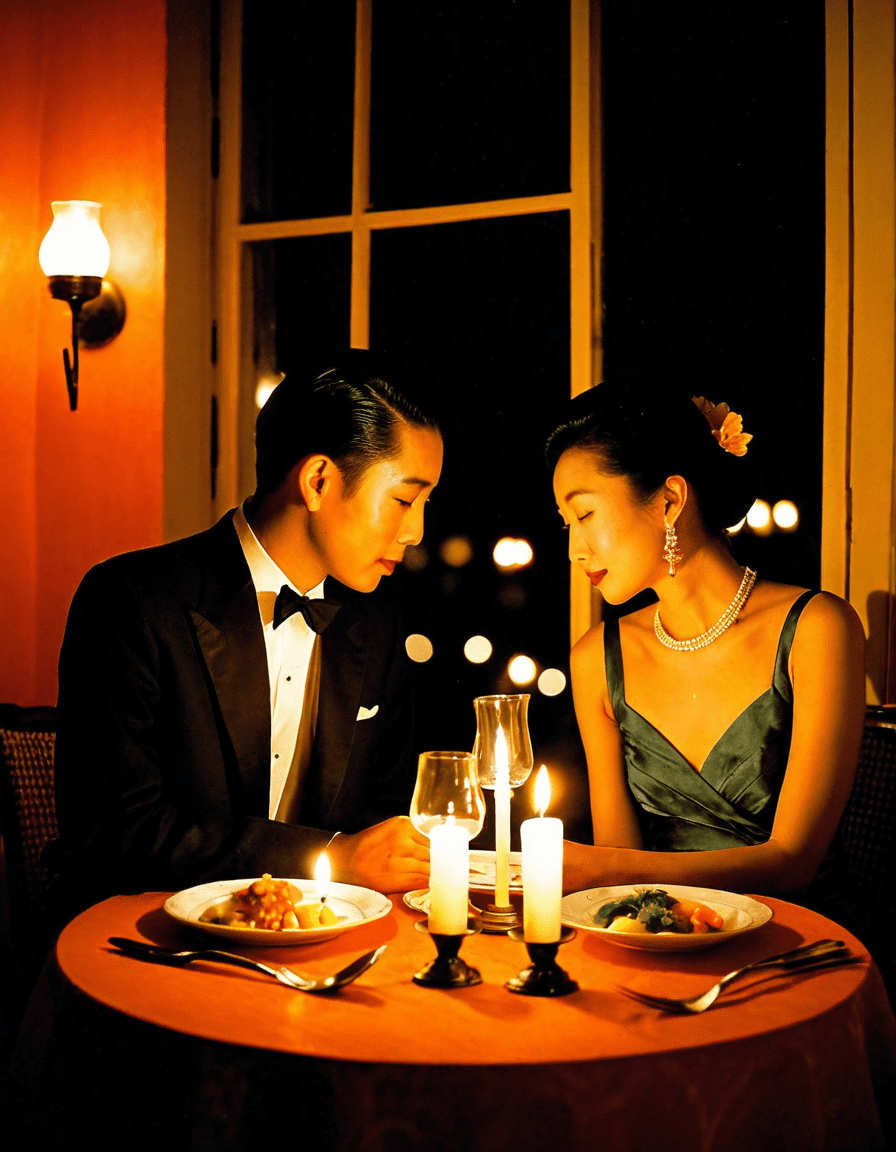
Captivating Engagement: The Power of the Narrative
As we find ourselves in the mood for love in 2026, the essence of Wong Kar-wai’s film reminds us that desire is a multifaceted experience. It weaves together emotions and cultural factors, creating a rich tapestry that continues to resonate with modern audiences. Its legacy teaches us that love isn’t just about the act itself, but rather how it connects with our identities and within the larger cultural context.
In pondering the film’s depth, we reflect on our connections, revealing how we navigate the spaces between desire and reality. Ultimately, “In the Mood for Love” serves as a reminder of the universal fabric of desire—one that still weaves itself through our lives today, echoing through the stories we share and the relationships we nurture. Just as Mr. Chow and Su Li-zhen found a way to connect, we too can explore our desires in the ever-shifting landscape of human connection.
As we continue to embrace stories of love and longing, “In the Mood for Love” stands tall amidst narratives, continuously inspiring audiences and filmmakers alike. Love may challenge us, enthrall us, and even elude us, but the quest for connection remains timeless. So, let’s hold onto that mood for love, reflecting on its magic, as we journey through our own stories—one longing glance at a time.
In The Mood For Love: Captivating Trivia and Intriguing Insights
A Cinematic Gem
In the Mood for Love, directed by Wong Kar-wai, is often hailed as a masterpiece of romantic cinema. Released in 2000, it showcases the poignant tale of unfulfilled desires through its stunning visuals and haunting score. Did you know that much of the film was shot on location in Hong Kong, with Wong opting for distinct periods to reflect the era he aimed to capture? This decision adds layers to the movie’s aesthetic, echoing the nostalgia found in other classics, much like the sentiments surrounding Kermit The Frog poking fun and romance in his own right. Not to mention, the film was nominated for numerous awards, a true testament to its artistic impact, similar to how Avengers: Endgame captured audiences with its compelling blend of drama and action.
Iconic Fashion Choices
The costumes in In the Mood for Love play a crucial role in conveying the characters’ emotions and cultural backgrounds. The exquisite cheongsams worn by Maggie Cheung became iconic, influencing fashion trends long after the film’s release. Interestingly, the garb reminds us of unique personalities like Suzanne Summers, who also became a style icon in her day. The detailed attention to costume design isn’t just for show; it’s woven into the fabric of the story, much like Blackbeard’s legendary escapades tell a tale of adventure against the backdrop of a turbulent time. The film illustrates how something as simple as clothing can shift our perception of love and longing.
Resounding Influence
The influence of In the Mood for Love extends beyond film; it’s a cultural touchstone that artists across genres reference. Whether it’s in music, fashion, or even the dynamics of storytelling found in sequels like the eagerly awaited Happy Gilmore 2 release date, the film leaves a lasting imprint. It’s fascinating how artistic works can inspire and connect generations, much like the upcoming Emmys 2025, which looks to celebrate the ever-changing landscape of storytelling. The film’s exploration of desire and heartbreak is as relevant today as it was over two decades ago, reminding us that love, in all its forms, continues to resonate with audiences worldwide.
This tender exploration in In the Mood for Love serves as not just a cinematic experience but a mirror reflecting the human condition. Whether you’re a film buff or just dipping your toes into the sea of romance in cinema, this film is truly one to embrace!