1. The Legacy of Blackbeard: More than Just a Name
Blackbeard, or Edward Teach, isn’t just a name locked in the annals of nautical myth; he’s a legend that grips our imagination. Emerging during the early 18th century in the turbulent waters of the Golden Age of Piracy, Blackbeard’s presence on the high seas marked a dramatic surge in piracy, both in reality and folklore. His appearance was nothing short of theatrical, with his long black beard entwined with smoldering fuses, which surely sent shivers down the spines of his enemies. Movies, documentaries, and literature have portrayed him as a symbol of fearlessness, cunning, and sheer audacity.
Though many details about Blackbeard’s life remain shrouded in mystery, his feats and fearsome persona established a cultural archetype that’s lived long beyond his all-too-brief career. We remember the 18th-century fracas-not just for its violent tales but for the way it still shapes how we perceive pirates today. His story is not merely a sequence of events; it is a canvas painted with the colors of bravery, treachery, and the very human quest for freedom.
Envision him: a figure cloaked in smoke and myth. The historical backdrop, buzzing with colonial chaos, offered Blackbeard the perfect stage to amplify his exploits. He crafted his legend with every plundered ship and every testimony shared along those bustling docks, inspiring modern films like Pirates of the Caribbean And Black Sails. Yes, Blackbeard has become so much more than just a pirate-he’s a cultural icon that continues to inspire and intrigue.
2. The Top 7 Unforgettable Facts About Blackbeard
1. The Fearsome Appearance
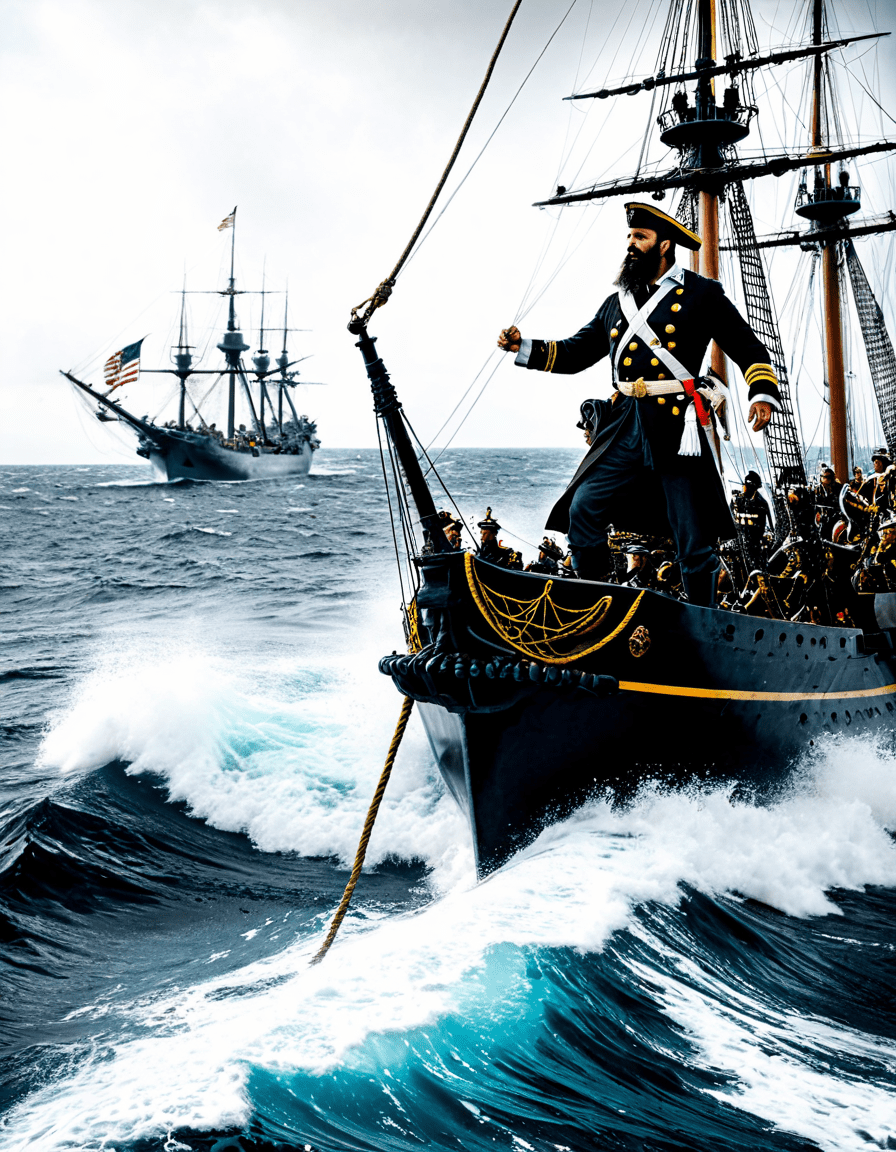
Blackbeard’s striking visage wasn’t just for show; it served as a weapon of psychological warfare. With candles wired into his beard, giving off an infernal glow during battle, he projected an image of terrifying strength. This image has become synonymous with the archetype of the pirate-stealing into our hearts and into Hollywood.
2. Born in the Heart of Colonial America
Originally hailing from Bristol, England, Blackbeard made his way to the turbulent American colonies. Here, the absence of robust governance offered him the perfect backdrop to thrive as a pirate-a true Blackedraw Move amid a landscape ripe for opportunists.
3. The Queen Anne’s Revenge
One of Blackbeard’s most significant assets was his flagship, the French frigate Queen Anne’s Revenge. Captured and outfitted with around 40 cannons, this impressive vessel allowed him to become a powerful force in the Caribbean. His reign of terror underscored the vibrant and dangerous life of piracy during this golden era.
4. The Art of Psychological Warfare
Blackbeard was nothing if not savvy. He understood the power of theater on the high seas-lighting fuses in his beard not only frightened his foes but also established his reputation as an almost mythical figure. This manipulation of fear turned battles into chilling performances, elevating his legend among pirates and landlubbers alike.
5. The Infamous Blockade of Charleston
In 1718, Blackbeard pulled off a daring maneuver by blockading Charleston, South Carolina. This act halted commerce and brought the city to its knees, showcasing not just his ruthlessness, but his sharp cunning too. Merchants and sailors soon learned that crossing the path of Blackbeard could lead to bad news.
6. The Last Stand in Ocracoke Inlet
Blackbeard’s dramatic end came in November 1718 during a fierce fight against Lieutenant Robert Maynard. The battle at Ocracoke Inlet became legendary; despite being outnumbered, Blackbeard fought fiercely until his dying breath. The tales of this last stand added yet another layer to his ever-growing legend-one that would haunt the imagination of both pirates and the public.
7. A Cultural Icon of the Ages
Movies and video games celebrating pirate lore owe much to Blackbeard. From Geoffrey Rush’s charismatic portrayal in Pirates of the Caribbean To the engaging elements in Assassin’s Creed IV: Black Flag, his character resonates through generations. This shows how deeply rooted our fascination with Blackbeard runs.
3. The Impact of Blackbeard on Pirate Lore
Blackbeard shaped the very fabric of piracy lore. His larger-than-life persona serves as a fitting prototype for the wild and rebellious pirates that fill our stories. He represents a blend of brute strength and irresistible charisma, which continues to inspire figures like Captain Morgan in marketing campaigns. Thus, the allure of Blackbeard taps into the adventurous spirit that captivates audiences young and old.
The myth of Blackbeard extends beyond mere storytelling; it highlights themes of authority, rebellion, and freedom. As both a hero and a villain, he holds a mirror to societal impulses and struggles, drawing audiences into a universe where the rules of the sea are only constrained by imagination. Even brands like Captain Morgan leverage this romanticized pirate archetype to appeal to customers, reinforcing the timeless allure of pirate legends.
In touching on his backstory, we see Blackbeard as a culmination of historical factors that provide insight into how piracy evolved-not just as a criminal activity, but as a lens through which to view human nature. This multifaceted persona ensures that Blackbeard will endure as a symbol of rebellion against authority, an adventure seeker, and a figure steeped in complexity.
4. A Historical Analysis: Separating Fact from Fiction
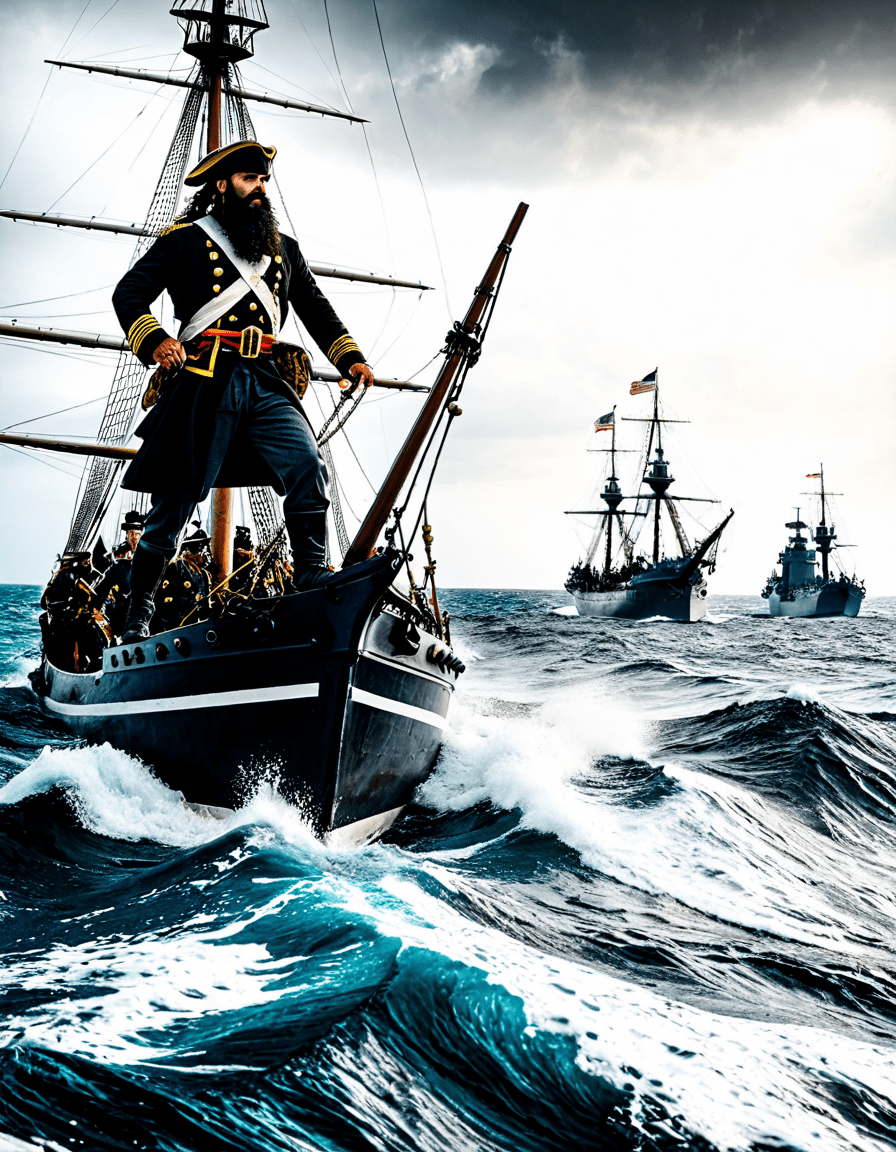
Fact and fiction often swirl together in tales about Blackbeard. Treasure stories typically involve buried hoards, but most historians agree they are just that-stories. The historical truth is often muddied by the filter of fantasy, and careful analysis of primary sources reveals the real socio-political conditions of his time. Instead of focusing solely on the glamorized image, we must consider the historical context of colonial tensions and maritime conflicts that shaped his actions.
When you look beyond the swashbuckling hero, you discover a world fraught with danger and uncertainty. Blackbeard’s decisions often stemmed from circumstances beyond his control, making him a complex historical figure rather than a simplistic villain. His legacy, fortified by time and storytelling, becomes a tapestry woven with rich cultural narratives, begging the question: how much of Blackbeard is fact, and how much is fiction?
Diving deeper into these accounts invites a more nuanced understanding of piratical lore. Historians have sifted through documents, letters, and lawsuit records, unearthing the complexities behind Edward Teach’s life as a pirate. His character emerges not just as a fearsome marauder, but as a man reacting to the chaotic society of his time-fighting against oppressive rulers or simply trying to carve out a life of freedom.
5. The Endless Legacy of Blackbeard in Modern Culture
Fast forward to modern times, and the shadow of Blackbeard looms large across all facets of media. Whether it’s films, novels, or even theme park attractions like Disney’s Pirates of the Caribbean, the fascination with Blackbeard lives on. The stories and images invoke a romantic notion of freedom coupled with the thrill of adventure that resonates with many.
Analyzing his portrayal reveals truths about society’s needs and desires for rebellion and escapism. The complexities of his character also inspire video games like Sea of Thieves, wherein players indulge in their fantasies of piracy. This constant reinvention keeps his story alive, reminding us why we’re drawn to such daring and audacious figures.
Societal themes weave through every representation of Blackbeard, from his notorious actions to his dynamic character. They invite new generations to explore not just the mythos of piracy but the broader implications of freedom versus authority. With every retelling, Blackbeard encourages us to engage with our own narratives of adventure, rebellion, and the thirst for liberty.
In exploring the multifaceted persona of Blackbeard, we uncover not just a man, but a phenomenon that echoes throughout history. From his electrifying personality to the implications of psychological warfare and rebellion, Blackbeard offers a critical lens to examine the dynamics of fear, power, and myth-making. His legacy continues to captivate us, reminding us that beneath the romanticized veneer of piracy lies a complex interplay of archetypal ambition and the often grim reality of life on the high seas.
As we delve into the essence of rebellion and resistance, Blackbeard’s tale serves as a timeless beacon for the restless spirits seeking adventure on the stormy waters of life. Whether you’re looking at an image of Lauren Sanchez in a bikini Or a historical archive depicting the “Queen Anne’s Revenge,” it’s clear that the allure of the infamous pirate lives on, in both our minds and the cultural tapestry we weave.
Blackbeard: The Infamous Pirate Who Captivated History
A Legend Born at Sea
Blackbeard, born Edward Teach, is more than just a name from pirate folklore; he’s a captivating icon that captures our imagination. Unlike most pirates of his era, Blackbeard had a flair for drama-his signature look included a fearsome black beard braided with slow-burning fuses, creating an intimidating spectacle during battles. This theatricality was almost akin to the spectacle of public figures today, like the royal couple on their recent visit to Southport, which made headlines worldwide Prince William And Kate middleton visit southport). It reminds us how charisma can command attention and fear.
Besides his frightful image, Blackbeard was known for his sharp mind in both combat and negotiation. One interesting fact is that he actually preferred to intimidate ships into surrendering rather than resorting to outright violence-an approach that echoed later in history with successful leaders who thrived without bloodshed. Imagine a modern twist, like how celebrities sometimes handle fame; take Lauren Sanchez, who knows how to make waves in media with style Lauren Sanchez bikini). Blackbeard’s cunning strategy often helped him loot ships without firing a single cannonball.
The End of an Era
Blackbeard’s tenure as the king of the seas was tragically short. He met his end in a fierce battle with British naval forces in 1718, a turn of events that reflects how fleeting fame can be. This reminds me of the unpredictable nature of modern success. For example, musicians like Noah Kahan have setlist shifts that leave fans wondering what they’ll hear live next Noah Kahan setlist). History echoes this unpredictability; one moment you’re the reigning pirate, and the next, you’re a ghost story.
Even in his demise, Blackbeard left a legacy that cemented his status in popular culture. Reminiscent of how artists like Julian Lennon Have used their legacy to influence new generations (Julian Lennon), Blackbeard’s story remains a wellspring of inspiration for countless films, books, and TV shows, inviting audiences to uncover the layers of his life. With his fame likened to today’s modern events-like the anticipation surrounding the upcoming Emmys in 2025 Emmys 2025)-the( will to keep telling his tale reveals how our fascination with characters transcends time.
The Continued Allure of Blackbeard
What makes Blackbeard’s story continually captivating is how it reveals the human condition-seeking power, evading fate, and creating our legacies. Have you heard of the trend of fun squishies like the Axolotl Squishmallow, which brings joy in our everyday lives?Axolotl Squishmallow). Much like these whimsical items generating giggles, Blackbeard’s legacy is a reminder that whether through laughter or fear, stories shape our world.
His legacy isn’t confined to history books; it’s part of popular culture, like how the surprise of a sequel like “Happy Gilmore 2” is making waves Happy Gilmore 2 Release Date). In the same vein, classic films like In The Mood For Love Still find audiences who resonate with its narrative. These connections remind us that tales of legendary figures, even in their most outlandish forms, connect generations through themes of adventure, love, and loss. Blackbeard may have walked the plank into history, but his life remains an interwoven tale in the fabric of our storytelling legacy, much like the shows we binge or the movies we cherish.Who knows what other secrets the seas have hidden, waiting for the next explorer or storyteller to bring them to light?
What was Blackbeard famous for?
How many times was Blackbeard shot before he died?
Who defeated Blackbeard in real life?
What did Blackbeard suffer from?
Where is Blackbeard’s skull now?
Who was the most feared pirate?
Who is considered the greatest pirate of all time?
How did Blackbeard treat his syphilis?
Why is Shanks afraid of Blackbeard?
Was Davy Jones a real pirate?
Who was the real king of the pirates?
What was Blackbeard’s famous quote?
What STD did pirates get?
Was Blackbeard cruel to his crew?
Why did Blackbeard never sleep?
Did Blackbeard shoot his first mate?
How many wounds did Blackbeard have before he died?
How many teeth is Blackbeard missing?
Did Blackbeard actually know which guns were loaded?
What is so special about Blackbeard?
Who is considered the greatest pirate of all time?
What did Blackbeard do to become famous?
What was Blackbeard’s most famous exploit?
This article was produced with AI assistance. How Silver Screen Magazine uses AI.
Silver Screen Magazine writes for Silver Screen Magazine - classic cinema, film reviews, industry updates and hollywood gossip.