
The Orange Is The New Black, a groundbreaking series that has left an indelible mark on television, offers an insightful exploration of women’s lives behind bars, addressing complex realities of race, identity, and the justice system. As we reflect on its ongoing impact in 2026, here are seven transformative narratives that shaped not only the show but also conversation around social issues in society.
7 Transformative Narratives from The Orange Is A New Black That Reshaped Television

1. Piper Chapman: The Individual vs. The System
Piper’s journey from a privileged life to incarceration reflects the disparities in the justice system. Her character, portrayed by Taylor Schilling, becomes a vehicle through which viewers can understand privilege and accountability. Watching Piper grapple with her new reality prompts us to reflect on the biases within our legal systems. It raises critical questions about how society views crime and punishment and who often gets the benefit of doubt.
As Piper navigates the harsh landscape of Litchfield Penitentiary, viewers witness the glaring contrasts between her previous life and her present circumstances. This juxtaposition makes it painfully clear that not everyone experiences the justice system equally. In short, Piper’s experiences bring forth a significant dialogue about the intersections of class and law, making her a compelling character in the show.
2. Sophia Burset: A Deep Dive into Transgender Identity
Sophia’s story is ground-breaking for its candid portrayal of a transgender woman in a largely uncharted territory on television. Laverne Cox’s portrayal brought a glow of visibility to the transgender community, illuminating the struggles many face daily, including violence, discrimination, and a longing for acceptance. Through Sophia’s eyes, we bear witness to the harsh realities of life behind bars as a trans woman.
The richness of Sophia’s narrative interacts seamlessly with the show’s purpose, offering viewers an emotional understanding of what it means to live authentically in a world that often shuns difference. The widespread influence of her character can be witnessed in the rise of more inclusive storytelling, inspiring shows like Red, White and Royal Blue to explore themes of love and identity in similar ways.
3. Suzanne “Crazy Eyes” Warren: Mental Health Awareness
One of the highlights of The Orange Is A New Black is the way it tackles the mental health crisis through characters like Suzanne “Crazy Eyes” Warren. Portrayed by Uzo Aduba, Suzanne challenges the stereotypes that often surround mental illness. She oscillates between moments of brilliance and vulnerability, illustrating the multifaceted nature of mental health.
The show elevates conversations regarding mental health, showcasing how society can stigmatize and misunderstand those who need support. Suzanne’s journey sparks vital discussions among viewers, highlighting the importance of representation and understanding concerning mental health, which is desperately needed in today’s discourse.
4. Red’s Survival and Resilience: The Immigrant Experience
Red, played beautifully by Kate Mulgrew, exemplifies the immigrant experience, standing out as a character who embodies resilience and adaptability. Her backstory reveals the sacrifices she made to provide for her family while facing the challenges of assimilation in America. This narrative is especially poignant in the current climate of heightened immigration debates.
Red’s character reminds us of the nuanced experiences of immigrants, challenging stereotypes and humanizing those often viewed through a lens of fear and misunderstanding. The richness of her story invites audiences to reflect on the sacrifices immigrants make for a better life, serving as a powerful reminder of the shared humanity among us all.
5. The Impact of Race and Incarceration: A Collective Narrative
The Orange Is A New Black paints a vivid picture of how race and gender intersect within the prison system. Characters like Taystee and Black Cindy serve as poignant reminders of the racial disparities that exist in prisons across America. Their stories not only resonate on a personal level but contribute significantly to a larger conversation about institutional racism within the judicial framework.
The series acts as a catalyst for activism and encourages audiences to question why race continues to be a determinant in who gets incarcerated and for how long. These narratives highlight the impact of systemic issues of inequality, casting a sharp light on the need for comprehensive reform in the justice system.
6. The Role of Community: Relationships Behind Bars
The relationships formed among inmates in Litchfield serve as the emotional heartbeat of the series. The friendships and rivalries that unfold reflect real life, shedding light on how support systems become essential for survival in the harshest of environments. Viewers witness characters lean on one another in their darkest moments, illustrating resilience through community bonds.
These narratives emphasize that even in a seemingly oppressive atmosphere, connection, loyalty, and friendship can flourish. This portrayal urges audiences to recognize that behind every label and stereotype, there’s a human story yearning to be understood.
7. Litchfield Penitentiary as a Microcosm of Society
Litchfield Penitentiary serves as a microcosm, effectively mirroring societal issues such as healthcare challenges and class struggles. The show compels viewers to critically examine the world outside prison walls, inviting discussions that extend beyond the series.
This comparison has stimulated important dialogues about the urgent need for reform, particularly in healthcare and legal systems across America. By bringing societal issues to the forefront, The Orange Is A New Black ensures that its commentary remains relevant in contemporary discussions about justice and public policy.
Orange on the New Black: Lessons Learned and Cultural Shifts
Though The Orange Is A New Black has concluded, its legacy continues to resonate profoundly in today’s television landscape. The series ignited a trend toward storytelling that prioritizes marginalized voices and critical societal issues. The importance of diversity and representation has become a rallying cry, evident in newer series that tackle complex themes similar to those explored in The Orange Is A New Black.
Its characters and stories reverberate through popular culture, influencing public perception and even policy discussions surrounding criminal justice reform. Conversations sparked by characters like Piper and Taystee with their personal plights have found a life beyond the screen, enriching social media discussions that reshape how incarceration and race are perceived.
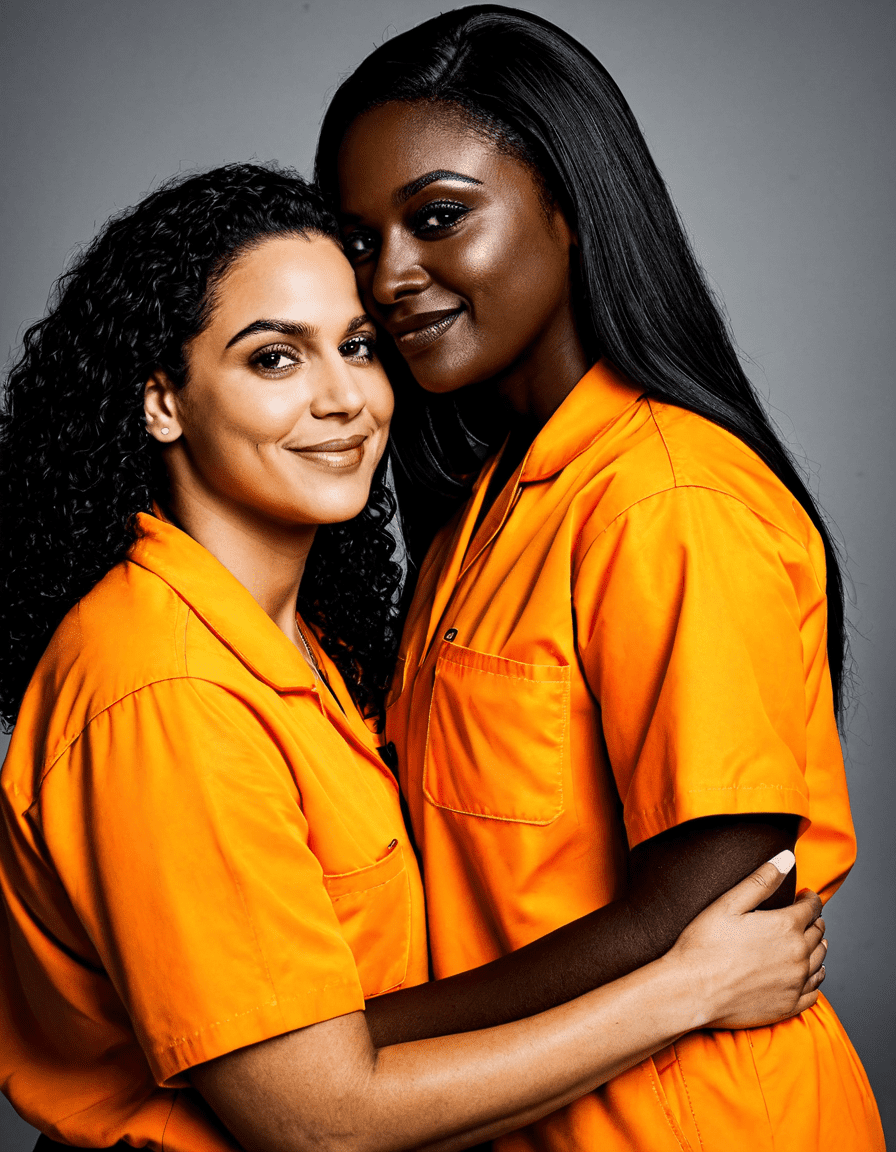
The Future in Orange: Continuing the Conversation
The riveting narratives offered by The Orange Is A New Black have paved the way for a renewed focus on storytelling that emphasizes character depth and social critique. Moving forward, the show’s legacy will serve as a framework for understanding the intricate dynamics of modern society. The compelling stories told throughout the series will keep discussions alive about empathy, awareness, and advocacy.
As challenges related to systemic injustices continue to unfold, the conversations initiated by The Orange Is A New Black will remain vital. They remind us of the importance of introspection and engagement with the world around us. The show’s legacy not only entertains but urges us to become advocates for change in a society that—now more than ever—needs our voices to raise awareness and push for progress.
Closing Thoughts
In reflecting on the transformative stories from The Orange Is A New Black, we recognize that every character’s experience contributes to a greater understanding of societal issues. With its compelling narratives on privilege, race, mental health, and the immigrant experience, it holds a mirror to our society while encouraging pathways for dialogue and growth. As we advance into the future, the discussions ignited by the series will continue to echo in the hearts and minds of audiences, making The Orange Is A New Black a timeless cultural touchstone.
In conclusion, the impact of this series is profound and far-reaching. Its legacy reminds us that storytelling has the power to challenge perceptions, inspire change, and elevate voices that have long been silenced. The issues tackled in The Orange Is A New Black continue to be relevant today, inviting new generations to think critically and foster a more compassionate society.
The Orange Is A New Black: Captivating Stories and Impact
Behind the Bars: Fun Trivia You Might Not Know
Let’s kick things off with a fact most fans of The Orange Is A New Black might find surprising. Did you know that the series is based on Piper Kerman’s memoir, which details her own experience in prison? This behind-the-scenes inspiration adds a layer of authenticity that resonates throughout the show’s narrative. Speaking of inspiration, the show’s success has propelled careers, including that of Stephen Mcdaniel, a director known for his captivating storytelling. You can check out some of his work and see how narratives from real-life events inspire creative projects.
Another intriguing tidbit is how the show brings a spotlight to social issues—some critics say it functions like a social commentary on the justice system. Fun fact: the show’s cast includes characters that speak multiple languages, showcasing a vibrant mix of cultures within the prison walls. This eclectic cast helped pave the way for representation, much like how the Blair Witch project reshaped the horror genre by blending myth with contemporary storytelling. And speaking of creativity, different facets of art also pop up in various forms, such as the culinary world, which brings us to the popular Dynasty Buffet, drawing parallels with the in-show community kitchen’s role.
Cultural Impact and Legacy
The cultural influence of The Orange Is A New Black can’t be understated. This series opened conversations around topics like race, sexuality, and mental health, making it a significant player in the pop culture game. Interestingly, it paved the road for more diverse stories, not unlike how Franz Ferdinands catchy tunes helped ignite a broader interest in overlooked musical genres. It’s fascinating to think that stories, whether told through music or television, can spark movements!
Additionally, let’s not forget the memorable characters. The journey of Piper Chapman and her fellow inmates has drawn countless viewers, mirroring the dynamics of real friendships and rivalries. Did you know that the series has even partnered with people like Joaquim Valente, who focuses on storytelling through various media? It’s clear that The Orange Is A New Black isn’t just a show; it’s a cultural phenomenon that continues to resonate and inspire discussions today. If you’re keen on discovering more about the evolution of narratives in modern media, resources like the Verizon Class Action Lawsuit Settlement might reveal how even corporate stories tie into this tapestry of engagement.
In wrapping up, The Orange Is A New Black has left a lasting impact, inching its way into the annals of television history. As viewers continue to explore its rich characters and pivotal moments, it remains a striking reminder of the power of storytelling in shaping societal discourses, much like the story of Timbuktu, which revealed different layers of human experience through the lens of cinematic storytelling. The series shows that our stories, regardless of how they’re told, have the power to connect us all.