The Timeless Allure of Timbuktu: A Historical Overview
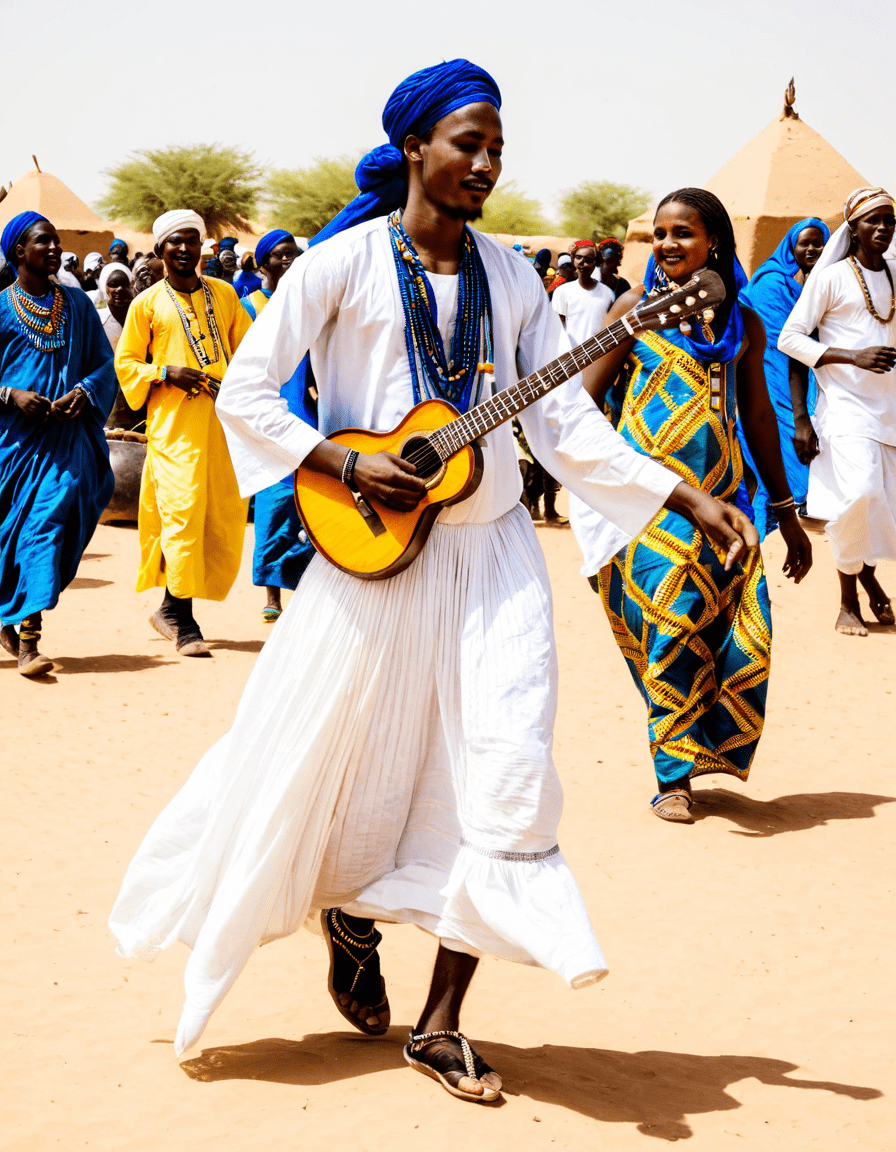
Timbuktu—just saying the name conjures up images of ancient scholars, bustling trade routes, and a treasure trove of knowledge. Nestled near the Niger River in Mali, Timbuktu has captured imaginations for centuries. Founded in the 11th century, it quickly evolved into a beacon of scholarship and commerce, attracting illustrious figures like the explorer Ibn Battuta and chronicler As-Sadi. During the Mali and Songhai empires, Timbuktu flourished, boasting some of West Africa’s most esteemed universities and libraries.
Imagine wandering through its dusty streets, where merchants sold gold and salt, and scholars debated the philosophies of the ages! The city became a melting pot of ideas and cultures—each brick of its ancient architecture whispering stories of the people who walked its paths. As a pivotal stop on the trans-Saharan trade routes, Timbuktu wasn’t just a point on a map; it was a vibrant hub that illuminated the intellectual landscape of its time.
As we step back through the corridors of history, we see a city that was more than just a geographical landmark—it was a cultural phenomenon. A testament to the enduring human quest for knowledge, cultural exchange, and economic prosperity. And while the sands of time shift, Timbuktu’s legacy remains etched in the annals of history, urging us to savor its rich narrative.
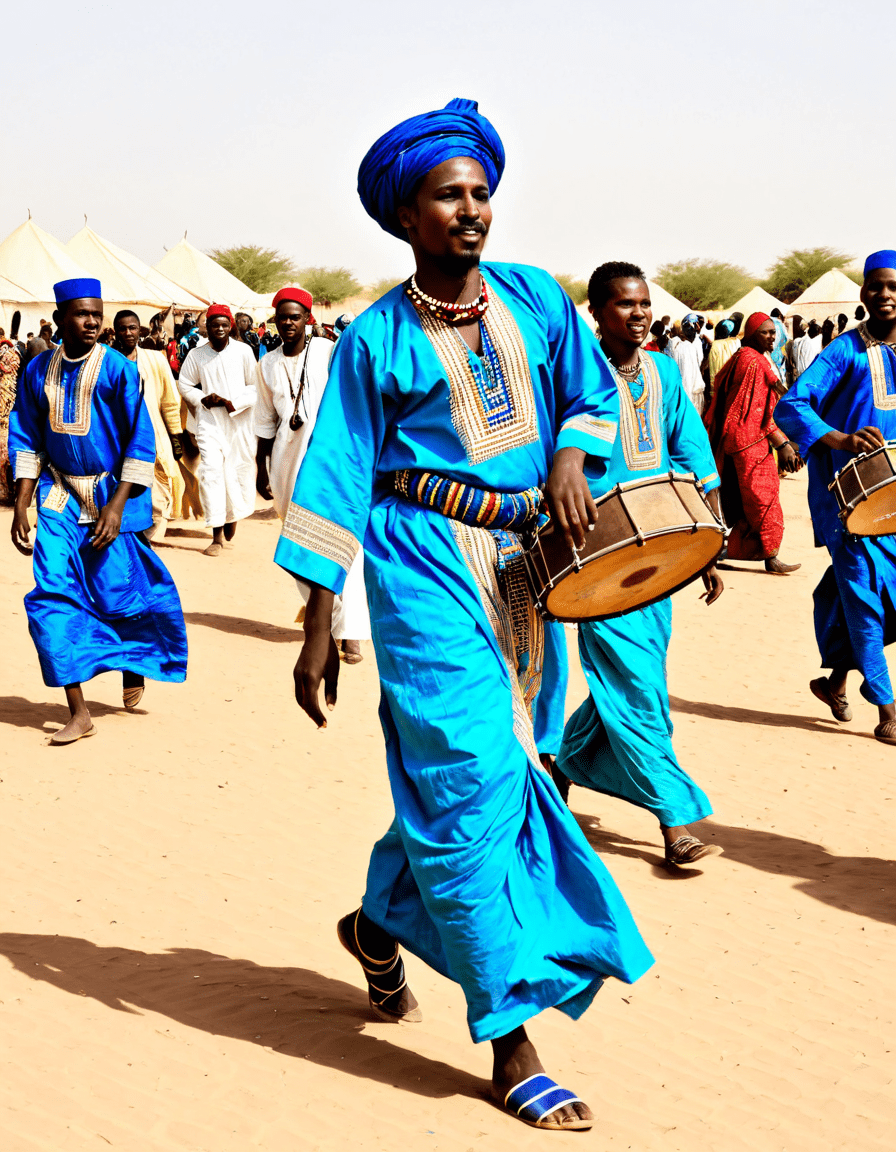
Top 7 Pillars of Timbuktu’s Legacy: Culture, Knowledge, and Innovation
The Role of Education and Scholarship in Modern Timbuktu
Even amidst challenges like conflict and climate change, the spirit of education in Timbuktu endures. Although modern educational institutions may not capture the grandeur of their predecessors, they exemplify resilience. The Ahmed Baba Institute, for example, stands as a pillar of hope, concentrating on preserving historic manuscripts while cultivating new scholarly work.
Educators in Timbuktu are tackling the obstacles presented by a harsh climate and sociopolitical instability. Through innovative approaches, such as incorporating technology and international collaboration, they endeavor to revive the city’s storied past. This resilience is a clarion call for those daring to dream—Timbuktu isn’t just a relic; it’s alive and kicking!
Challenges and Opportunities: The Future of Timbuktu
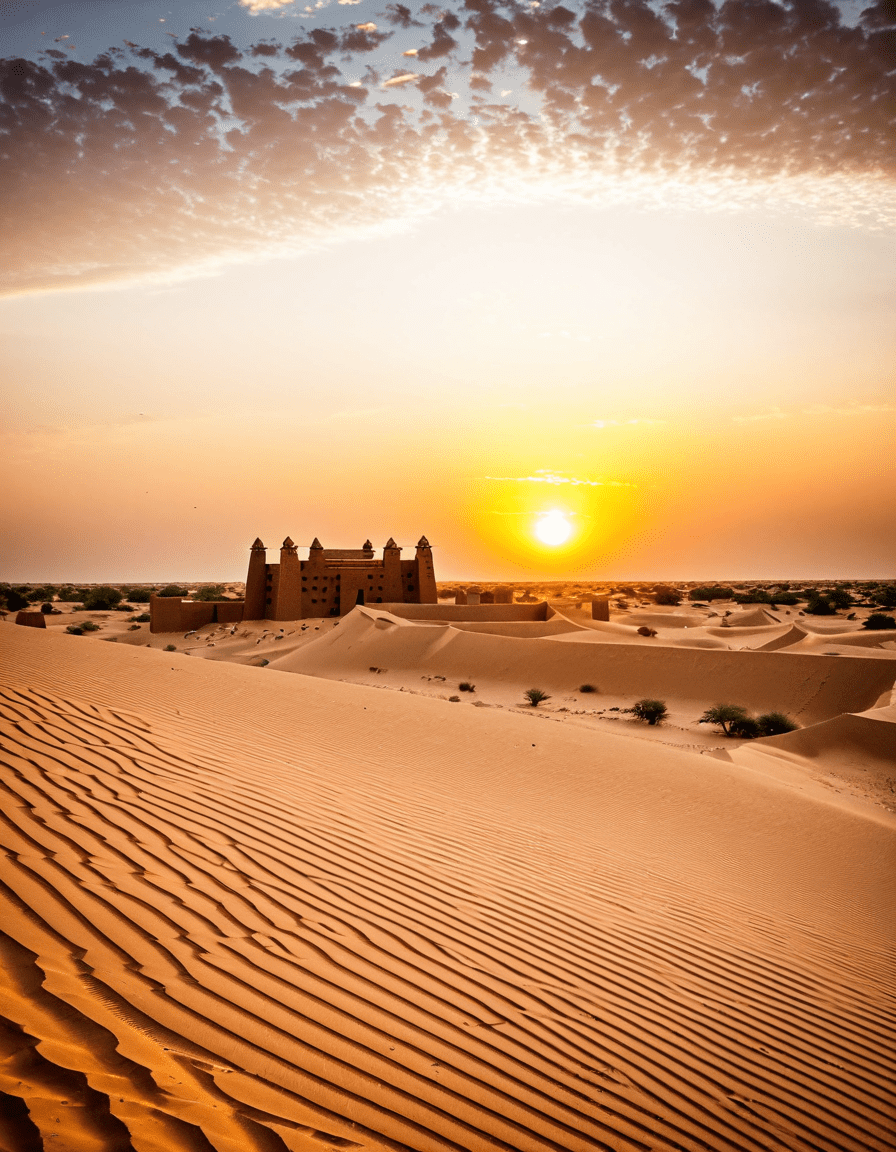
Timbuktu’s rich tapestry of history is juxtaposed with a precarious present. Socio-political upheaval and environmental changes threaten its cultural heritage. The encroachment of climate change, with issues like desertification, rattles the very foundation of the city that stood firm for centuries. Simultaneously, the ominous shadow of jihadist activities casts a pall over its timeless legacy.
But don’t count Timbuktu out just yet! There’s a palpable movement to safeguard its heritage through crowdfunding and international collaboration. UNESCO initiatives focused on restoration and education aim to bring hope to mildewed pages and crumbling structures. This is the heartbeat of resilience—a dance between preserving the past while forging a path into the future.
A Timely Reflection: The Persisting Relevance of Timbuktu
In an era where the clatter of modernity can drown out the voices of history, Timbuktu serves as a powerful reminder of the enduring importance of culture and education. The metaphorical “tick tock” of a clock urges us to seize the moment—after all, every tick is an opportunity to preserve culture and history for future generations.
Timbuktu’s narrative encapsulates more than a mere recounting of the past; it speaks to the ongoing relevance of knowledge and cultural exchange today. This city—a bustling hub of thought, innovation, and enlightenment—reminds us that we hold the keys to safeguarding its legacy. In our quest for progress, let’s not forget the wisdom embedded in its ancient manuscripts, rich traditions, and resilient spirit. Timbuktu, a treasure trove of intellectual wealth, continues to ask us: Will we heed its lessons?
Timbuktu: The Legendary City of Knowledge and Culture
A Hub of Wisdom and Culture
Did you know that Timbuktu was once a bustling center for trade and education, attracting scholars from all corners of the globe? Back in the 14th century, it housed the famous Sankore University, which is often considered the world’s first university and an educational haven for anyone keen on knowledge. Students and teachers alike thrived there, exchanging ideas as freely as they might discuss characters from popular shows like The Orange is the New Black. This vibrant exchange helped foster an atmosphere rich in literature, arts, and sciences.
Additionally, Timbuktu’s legendary status is underpinned by remarkable architecture, featuring iconic mud-brick mosques and libraries. One fascinating fact about Timbuktu is that it was home to more than 700,000 books in the 15th century! Today, some of these texts are preserved and offer a tantalizing peek into medieval Islamic scholarship. For those curious minds out there, you might want to check out tools like a Calcuadora online for exploring how these texts shaped trade and culture during Timbuktu’s golden age.
Timbuktu’s Influence on Modern Culture
Isn’t it interesting how Timbuktu occasionally pops up in popular culture? For instance, references to Timbuktu appear in films and literature, symbolizing distant, exotic lands. It has even inspired modern films that delve into the myths surrounding its grandeur, much like the intrigue seen in movies like The . It’s fascinating how the echoes of Timbuktu’s legacy resonate through contemporary storytelling.
In an unexpected twist, the city has also gained attention on the global stage in recent years, thanks to art exhibitions and projects that celebrate its history. This cultural renaissance highlights the relationship between Timbuktu and global awareness, drawing parallels to movements spearheaded by figures like Joaquim Valente, who aims to amplify underrepresented narratives. With a deep history backing its cultural richness, Timbuktu is a treasure trove waiting for scholars and adventurers alike to dig deeper. You might not think of it at first glance, but the spirit of Timbuktu influences our understanding of history and culture today!