
In a rapidly evolving world where scientific understanding shapes our technological future, the concepts behind the Big Bang Theory resonate across many aspects of modern life. This groundbreaking theory, which suggests that the universe originated from an enormously hot and dense state and has since expanded, continues to exert a profound influence on both science and culture. Let’s dive into how, in 2026, the Big Bang Theory informs our insights into everything—be it the cosmos itself, cultural expressions, or our daily interactions.
7 Ways the Big Bang Theory is Reshaping Our Understanding of the Universe
1. Expansion of the Universe
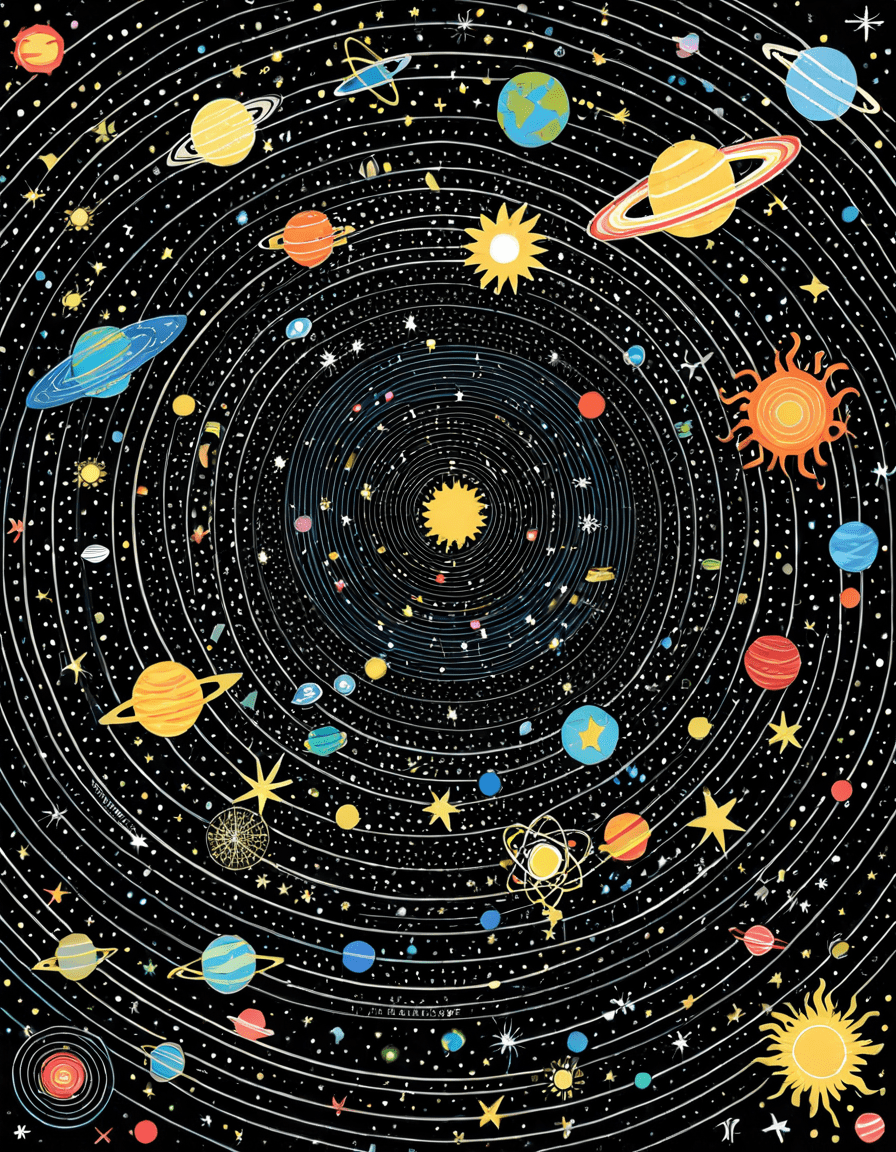
The Big Bang Theory posits that our universe is continuously expanding. This notion has sparked ongoing research within astrophysics, with new studies from the Hubble Space Telescope suggesting the expansion rate may be faster than we’d previously thought. Scientists like Dr. Adam Riess point to dark energy as a critical player in this unfolding narrative—leading us to ponder the ultimate fate of our cosmos. These revelations serve as a springboard for deeper inquiries into the enigmatic mechanisms shaping our universe.
2. Discoveries in Particle Physics
The collision of particles in high-energy environments, like those at the Large Hadron Collider, has produced remarkable insights into the fundamental particles originating from the Big Bang. The Higgs boson, for instance, confirmed theories rooted in Big Bang cosmology, influencing figures like Dr. Fabiola Gianotti at CERN. This evolving understanding ignites predictions of new particles and unforeseen forces, steering researchers into uncharted territories of physics.
3. Cultural Interpretations in Media
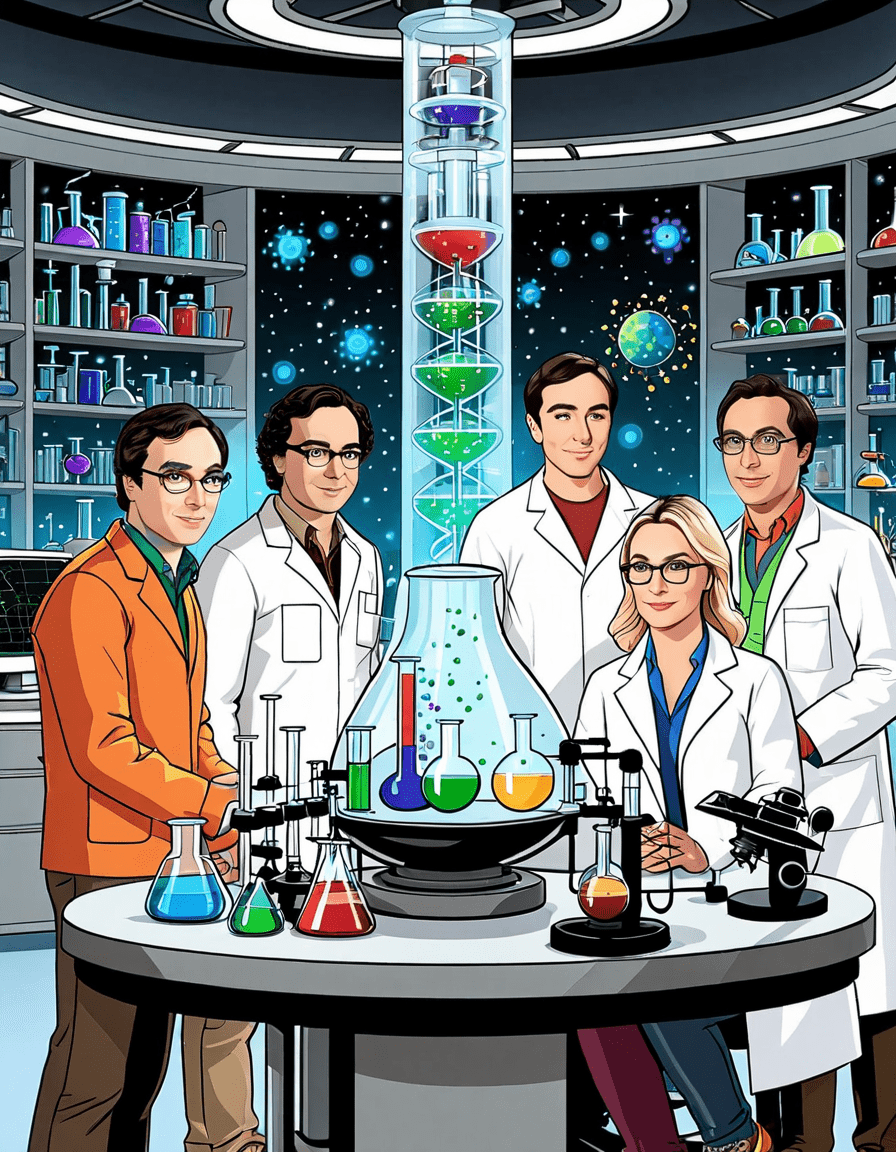
Oh, how can we overlook the cultural impact stemming from the Big Bang Theory, particularly the media portrayal of the scientists involved? The sitcom The Big Bang Theory transformed public perception, making characters like Sheldon Cooper and Leonard Hofstadter relatable and endearing. This humanization of the field has encouraged young folks to pursue careers in STEM, showcasing the theory’s ability to transcend academic boundaries and inspire curiosity. The show’s legacy continues to echo, inviting discussions and fueling imaginations about science.
4. Astrobiology and the Search for Life
When we think about the Big Bang Theory’s implications, we can’t ignore its role in astrobiology, especially in uncovering conditions that birthed life. By studying how primordial elements came together post-Big Bang, research into life on exoplanets accelerates. Missions to Mars and Europa highlight our quest for extraterrestrial life, reminding us that the conditions seeded by the Big Bang might still harbor life elsewhere in the universe. This inquiry not only thrills scientists but also captivates the imaginations of dreamers everywhere.
5. Technological Innovations
Technological progress has taken tremendous strides thanks to insights gleaned from the Big Bang Theory. Astronomy has benefited immensely; you can see advancements in infrared telescopes and other observational tools derived from our understanding of cosmic phenomena. Companies like SpaceX and Blue Origin leverage these scientific insights to push the boundaries of space travel and ignite discussions about interstellar colonization. With each rocket launch, we inch closer to realizing the dreams birthed from our early universe.
6. Philosophical and Theological Dialogues
The implications of the Big Bang Theory provoke essential questions about existence, creation, and time that go beyond the scientific. Philosophers and theologians debate topics like the universe’s beginning, informing perspectives on deep existential issues. For instance, Dr. William Lane Craig presents arguments using cosmological data rooted in the Big Bang Theory to reevaluate long-held beliefs, urging dialogues that span across disciplines.
7. Educational Strategies and Public Engagement
The growing interest in the Big Bang Theory has motivated innovative educational strategies designed to make complex cosmic concepts accessible to a broader audience. Programs like NASA’s “Space Explorers” and campaigns by the Planetary Society creatively weave storytelling with science. By engaging young minds through captivating narratives, these initiatives nurture a community that values inquiry, critical thinking, and curiosity—qualities essential in navigating the future.
The Future Implications of the Big Bang Theory
As we look onward into 2026, the ramifications of the Big Bang Theory resonate more than ever. The theory serves as a cosmic framework, shaping our technological advances, cultural narratives, and philosophical discussions. Ongoing exploration of our universe’s origins promises not only new discoveries but also a deeper self-reflection about our place within this vast cosmos.
Through this lens, the Big Bang Theory molds our understanding of the universe and the trajectory of human inquiry, paving the path for the next leap in science, technology, and culture. Such a robust framework is a testament to the relentless curiosity fueling scientific exploration, inspiring future generations to reach for the stars and grapple with the universal mysteries that define our existence. This journey is just the beginning, a thrilling adventure still unfolding as we strive to unlock the intricacies of our universe’s creation.
In closing, think about how the Big Bang Theory informs various aspects of life—from the groundbreaking research of physicists to the beloved characters of pop culture. The implications extend far and wide, tracing a line from the cosmos down to our everyday lives. So, whether you’re keen on astrophysics or simply excited about the next groundbreaking movie or tech gadget inspired by these cosmic revelations, the story of the Big Bang Theory continues to unfold, inviting us all to be a part of its exciting narrative.
The Big Bang Theory: Impacting Our Universe Today
Exciting Beginnings
The Big Bang Theory isn’t just an astronomical concept; it’s a fantastic journey into how our universe came to be. Imagine a time before time, when everything we see around us—planets, stars, and galaxies—didn’t exist. This mind-boggling phenomenon suggests that the universe began as an infinitely small point, only to explode into the vastness we now observe. It’s like the perfect opening scene of a movie, much like the dramatic Goodfellas cast that pulls you right in with its explosive storytelling.
As we examine the implications of the Big Bang, it’s fascinating to think that this event was just the start of the show. Scientists believe that around 13.8 billion years ago, our universe started expanding, and it hasn’t stopped since. This cosmic inflation parallels the seasonal joy associated with Mariah Carey and her chart-topping Christmas hits that seem to return every year, reminding us how cycles influence our own lives.
Cosmic Connections
Now, here’s a fun thought: did you know that the elements formed during the Big Bang laid the foundation for everything we hold dear today? Without it, you wouldn’t have elements like hydrogen and helium, which are essential for stars to shine. Just as beloved Potosinos have their vibrant blend of cultural elements, the universe is a rich tapestry constructed from these first elements. It’s amazing how interconnected everything is, from the smallest atom to the grandest galaxy, much like how styles, such as the Medusa costume, evolve and become popular in various cultural circles.
As we consider the implications of the Big Bang on our current understanding of the universe, it’s clear it’s not just a scientific theory; it’s an adventure that compels us to explore. Like Viola Davis in her fist-pumping roles, the Big Bang’s significance shouldn’t be underestimated. Whether we’re discussing black holes or the potential for new life on exoplanets, the Big Bang Theory anchors them all, encouraging us to keep our minds open and our curiosity alive.
Ongoing Impact
The Big Bang Theory didn’t just ignite the universe; it set the stage for cosmic phenomena that continue to shape our reality. For instance, the constant expansion of the universe hints at fascinating concepts, like dark energy, which drives this acceleration. This is akin to the mix of comedic and horror genres in Jordan Peele Movies—unexpected yet thrilling twists that keep audiences on their toes.
Plus, did you know that the study of cosmic microwave background radiation gives us insight into the universe’s early days? It’s like a backstage pass to the universe’s origin story, much like the cast of “What We Do in the Shadows” reveals unexpected charms in their hilarious encounters. Our quest for understanding pushes us to react to the unknown while remaining curious, similar to how contestants in Bachelor in Paradise explore romance amid uncertainty.
In essence, the Big Bang Theory is far more than a scientific explanation; it’s a reminder of our origins and the ongoing journey through both the universe and our lives. Every clue and piece of knowledge propels us into the future, unveiling mysteries that beckon us to explore further. So, next time you marvel at the stars, remember the fantastic story that led us there—an adventure that began with a bang!