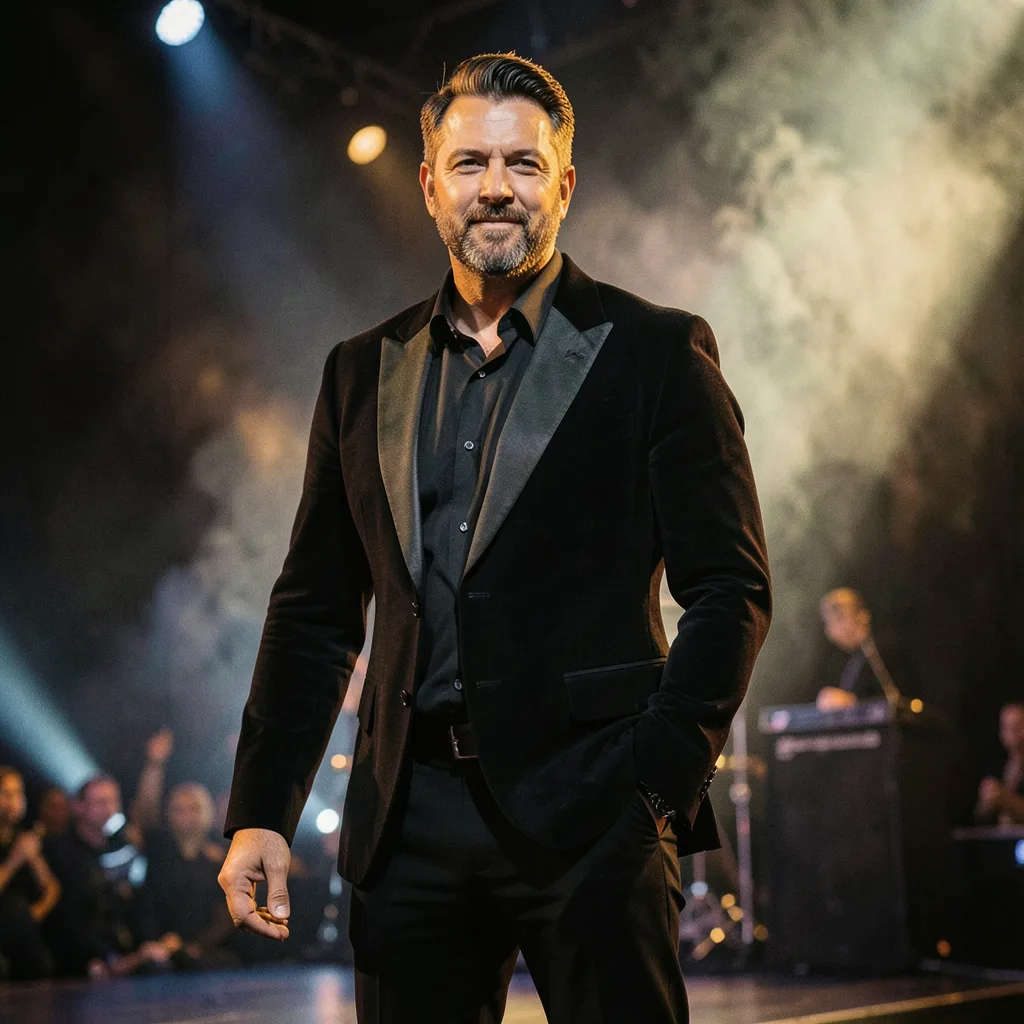
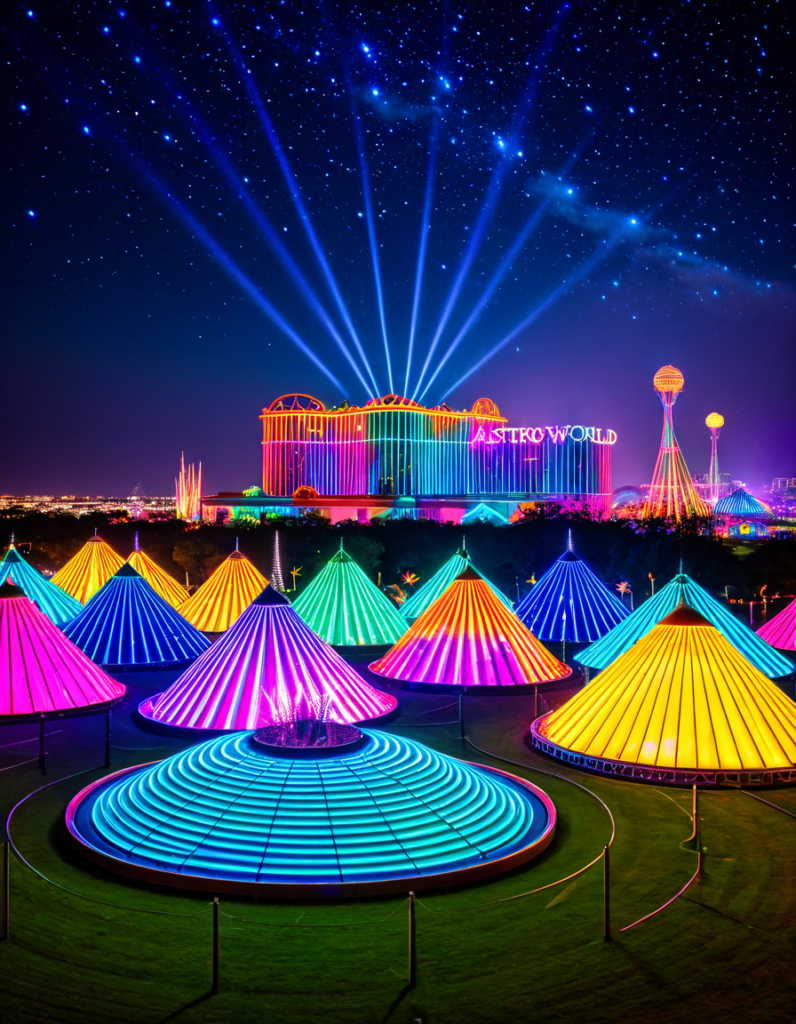
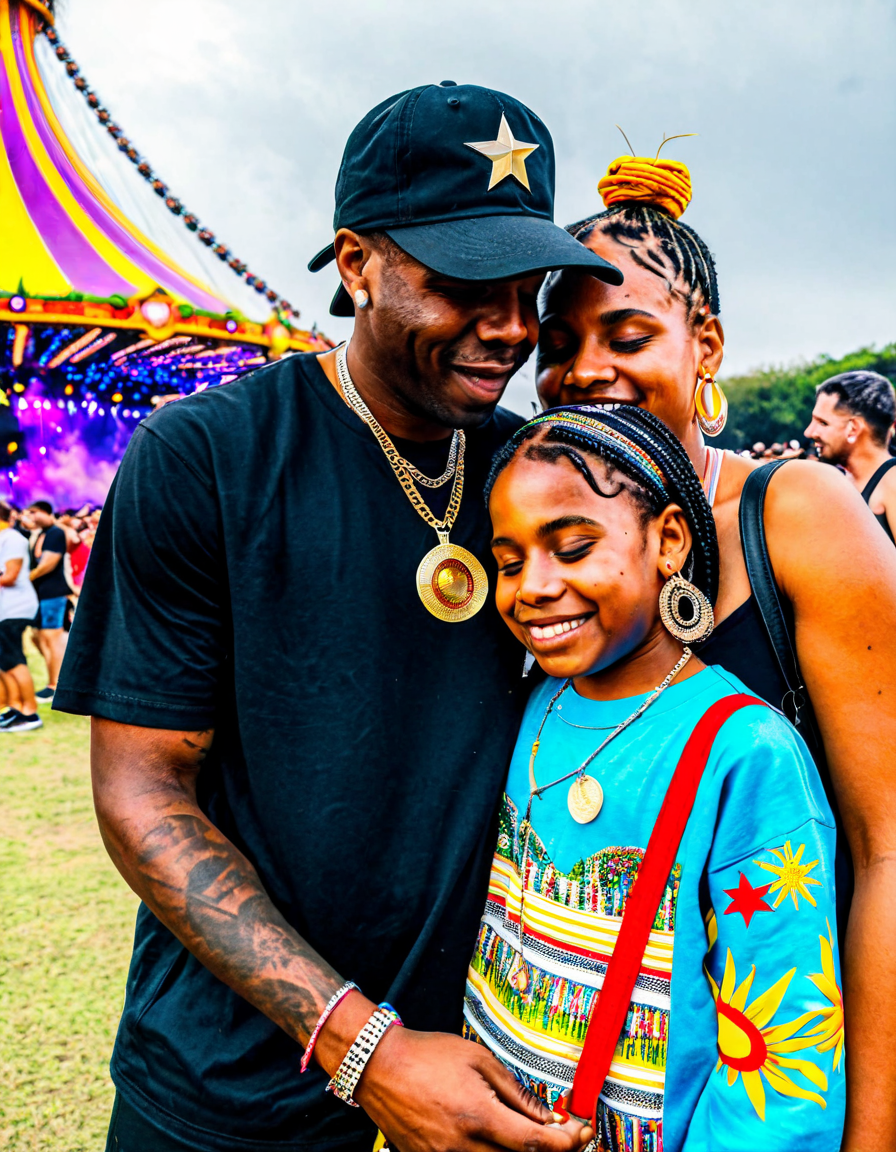
The Astroworld Festival Was a glittering highlight in the concert calendar. Founded by rapper Travis Scott, this event became a hotspot for hip-hop fans, pulsating with energy and reminiscent of the eclectic vibe of storied music festivals such as Woodstock. Attendees treasured the shared experiences, gathered in celebration under a canopy of colorful lights and beats that echoed in their hearts long after the last act had taken the stage. Yet, on November 5, 2021, this joyous occasion transformed into a nightmarish tragedy that claimed ten lives and inflicted injuries on countless others. The Astroworld Disaster remains etched in memory, raising essential questions about concert safety, crowd control, and the responsibilities of those who perform and organize these events.
Since that fateful night, the ripples of the tragedy have reverberated throughout the music industry. With each new festival season, the scars of Astroworld Cast a shadow over the landscape of live music events. Families and fans continue to grapple with grief, reflecting on their losses while searching for answers and change. As we reflect on this unfortunate chapter in cultural history, it’s crucial to evaluate what safety measures have been adopted and how they shape the festival experience moving forward.
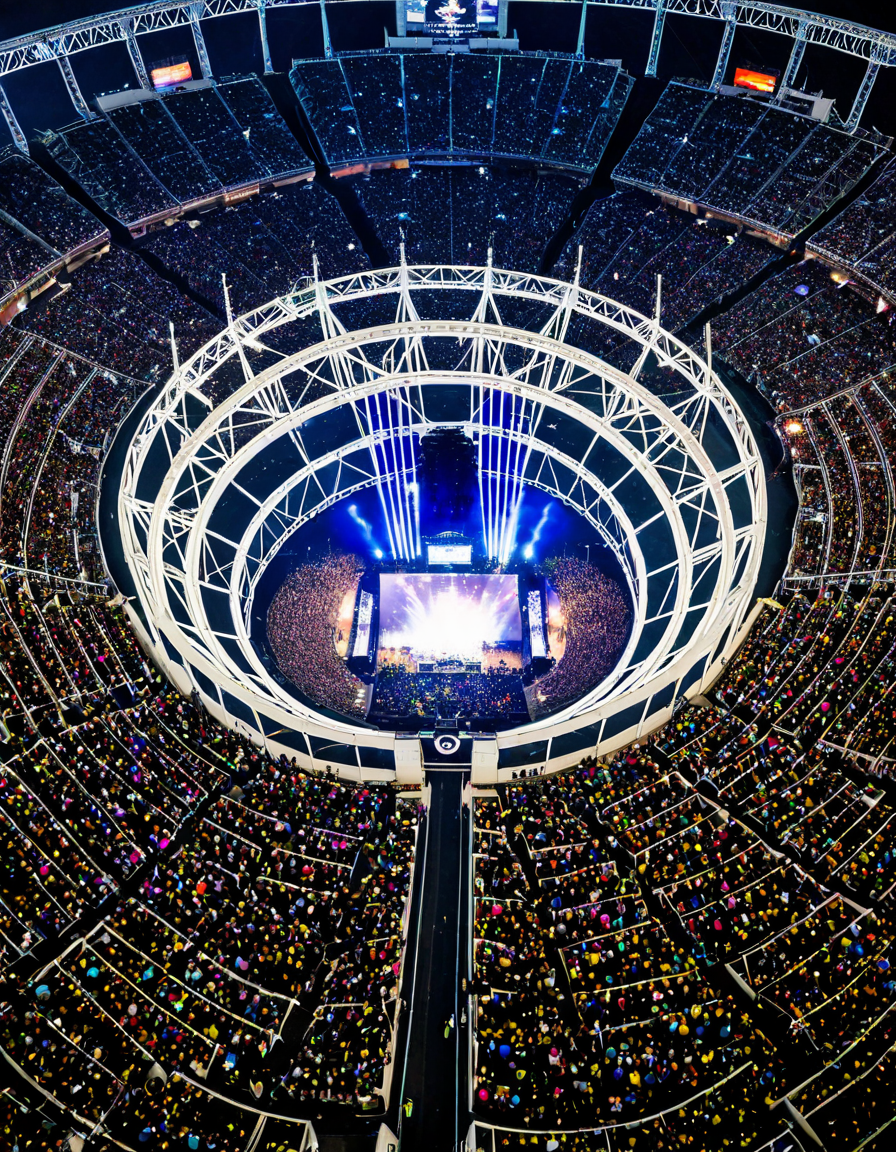
What Went Wrong: 7 Key Failures at Astroworld
To truly understand the disaster at Astroworld, we need to dissect the missteps that led up to that tragic night. These failures teach us critical lessons about the need for systematic improvements in event planning and execution.
1. Inadequate Crowd Control Measures
One glaring oversight was the lack of coherent crowd control measures. In contrast to festivals like Coachella, which have established teams for crowd management, Astroworld Operators didn’t seem prepared for the throngs of enthusiastic fans. This inadequacy left attendees susceptible in chaotic situations, ultimately fueling panic when the crowd surged.
2. Insufficient Medical Assistance
The festival’s medical response was shockingly lacking. Reports indicate that first responders were not adequately equipped to handle the volume of medical emergencies that arose. At leading festivals such as Lollapalooza, medical teams are abundant and ready to tackle crises, a preparation that Astroworld Sorely missed.
3. Ignored Warning Signs
Prior to the disaster, various social media posts hinted at perilous conditions within the crowd. Unlike events such as Bonnaroo, known for actively monitoring social media to gauge attendee safety, Astroworld Staff seemed to disregard these warning signs. This negligence contributed directly to the escalating danger.
4. Lack of Communication
The absence of clear communication contributed to the disaster. Effective dialogue among festival staff, security, and artists is crucial during emergencies. At the 2019 Rolling Loud festival, for instance, there were explicit protocols that allowed rapid responses to emerging crowd issues. Unfortunately, Astroworld Lacked such a framework, worsening the chaos.
5. Disregard for Safety Protocols
Standard safety protocols were blatantly overlooked at Astroworld. Events like the Atlanta Music Festival prioritize stringent standards designed to protect attendees. Such guidelines could have established a safer environment for the festival’s crowd.
6. Artist’s Responsibility
The scrutiny on Travis Scott’s performance style leaves us grappling with a tough question: how much responsibility lies with artists for their audience’s safety? While festivals like Summer Sonic emphasize crowd welfare, Astroworld Fell short in this regard, making it an essential talking point for the future.
7. Legal and Financial Repercussions
In the aftermath, the legal landscape has seen numerous lawsuits against organizers, shining a spotlight on accountability within the entertainment industry. The handling of lawsuits against Live Nation following the 2017 Route 91 Harvest festival shooting underscores how essential it is to maintain responsible practices and risk management.
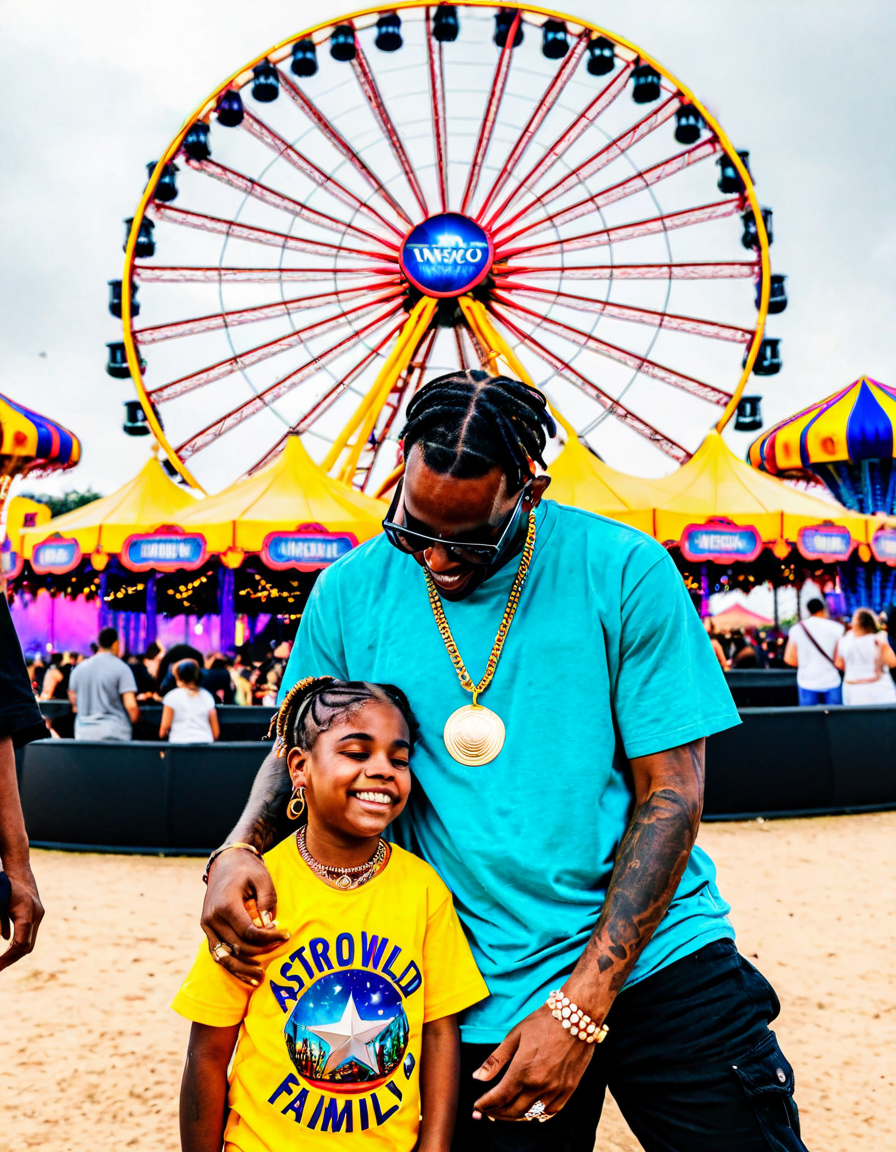
The Impact on Festival Culture and Community
The consequences of the Astroworld Tragedy stretch across the festival landscape, triggering a shift in how events are managed and experienced. A growing movement is advocating for enhanced safety regulations in live events. Organizations like the National Independent Venue Association (NIVA) are leading the charge for safer standards, promoting awareness about preventive measures at festivals.
Moreover, the conversation around mental health in these environments has gained strong traction. The emotional aftermath of Astroworld Has intensified the demand for resources aimed at assisting fans in coping with trauma. By prioritizing mental health, festival organizers can aim for a well-rounded approach that encompasses both the joy of live music and the safety of its attendees.
Innovations in Safety Measures Post-Astroworld
With the industry evolving in the wake of Astroworld, new, innovative safety measures are becoming integral to the live music experience.
Embracing Change: The Future of Live Events
The residual effects of the Astroworld Tragedy must spark a movement toward a more conscientious approach to live entertainment. While the pain of those lost will never fade, we can aspire toward safer concert environments for fans of all ages. The lessons learned from that night hold deep significance for the future of festival culture, demanding a commitment to safety and transparency that transcends mere protocol.
As the industry evolves, fostering a sense of community remains essential. With persistent advocacy for both audience safety and mental health, we stand at the threshold of a brighter, safer future for live music. In this journey, may all fans find joy in the vibrant, celebratory atmosphere that live events should always embody. As we remember Astroworld, let’s guide future generations to experience music in a way that’s rich, fulfilling, and above all, secure.
In closing, the entertainment sector must remain vigilant in its duty to protect fans. That night in Houston taught us invaluable lessons. Moving forward, may we embrace change not merely as an afterthought but as a cultural imperative that will redefine the future of live events.
Astroworld: A Festival to Remember
The Origins of Astroworld
Astroworld Festival, created by rapper Travis Scott, was inspired by the joys of amusement parks and childhood nostalgia. The festival kicked off in 2018, drawing fans who craved an electrifying experience that combined music and thrill rides. Little did they know, Astroworld would soon become synonymous with both excitement and tragedy. In a curious twist, Scott even named the festival after his favorite Houston amusement park, showcasing a legacy that sparked fond memories, not unlike how one might feel about beloved childhood movies like those featuring Alan Rickman in his most iconic roles.
Unforeseen Events and Their Impact
The tragic events that unfolded at the 2021 festival shocked everyone, leaving an imprint on both attendees and families. People were drawn to Astroworld, obviously, by the promise of unforgettable music and connection. However, a stark reality illuminated the need for improved safety measures at large gatherings, much like the discussions surrounding fashion and appearances that often lead folks to wonder, “what’s up with Under eye Bags? Just as fans looked for answers, the reason behind safety protocols in crowded spaces became critical for future events.
A Look Ahead and What it Means
Reflecting on Astroworld’s past suggests a future where organizers will need to prioritize safety above all else. Finding inspiration in works like the gripping tales of sci-fi series such as Alien Earth May serve as a metaphor for what fans desire from festivals-an escapade that feels both thrilling and secure. The shared experience at such events is akin to the comfort found in popular trends, like the latest Pluto pillow Fad, where people put their well-being first. It’s these connections that our communities cherish and inspire us to move forward.
In conclusion, Astroworld embodies the highs and lows of festival culture. It remains a stark reminder that while we chase unforgettable experiences, safety in crowd dynamics is paramount. So, as we move forward, let’s stay informed-after all, knowing When Is The presidential debate Could help spark more meaningful conversations on community and safety measures at future events. Enthusiasts are keen to ensure that the thrill of Astroworld lives on, binding together unforgettable memories while advocating for progress in safety protocols.
This article was produced with AI assistance. How Silver Screen Magazine uses AI.
Silver Screen Magazine writes for Silver Screen Magazine - classic cinema, film reviews, industry updates and hollywood gossip.