

In 2008, Clint Eastwood graced the silver screen with a film that would come to define his later career-Gran Torino. This powerhouse of a movie isn’t just a story; it’s a crucible where themes of redemption, identity, and cultural dissonance collide and transform. The narrative centers around Walt Kowalski, an irascible Korean War veteran portraying Eastwood’s grumpy charm. With plenty of grit and genuine emotion, Gran Torino Explores the intricate complexities of its characters’ lives against the backdrop of a changing American landscape.
From the outset, Eastwood skillfully sets the tone of the film, emphasizing the generational struggles and the evolving neighborhood of Detroit. He delves deeply into the character arc of Kowalski, whose relationships with his Hmong neighbors provide a mirror reflecting broader societal issues. Gran Torino Portrays identity in a multifaceted way, addressing how history shapes personal and collective identities. Eastwood’s direction draws viewers in tightly, especially during key moments where Kowalski’s character experiences profound growth, forcing audiences to confront their own biases and prejudices.
The Emotional Core of Gran Torino
At its heart, Gran Torino Is about Redemption. Walt’s transformation from a bigoted, isolated man to someone who embraces community reflects the larger journey many undertake in today’s society. With his walls built high, he initially fits snugly into the stereotype of the disillusioned veteran. But as he begins to engage with the Hmong family next door, he finds himself entangled in their lives, learning lessons that challenge his preconceived notions. The emotional stakes rise as he grapples with the ghosts of his past and the haunting specter of loneliness. Eastwood’s directorial choices amplify these themes, particularly through poignant camera work and long, reflective pauses that give weight to Walt’s gradual transformation.
A notable example of Walt’s emotional journey comes through his relationship with Thao, a young Hmong boy who initially tries to steal his prized Monte Carlo. Through their interactions, characterized by tension and humor, we witness the pivotal pivot from animosity to understanding. As Thao captures the attention of the neighborhood gang, Walt becomes their unlikely protector, challenging his own beliefs about race, violence, and community. Each interaction adds layers to Kowalski’s character, showcasing how vulnerability can arise from the most unexpected places.
In the film’s gripping scenes, Eastwood’s economy of dialogue underscores the silence between characters, making those moments of connection all the more poignant. When Walt stands before Thao’s family, the cultural chasms feel immense, yet these moments draw them together. This directorial choice not only resonates with viewers but also serves to deepen the story’s emotional impact, ensuring that the film’s messages linger long after the credits roll.
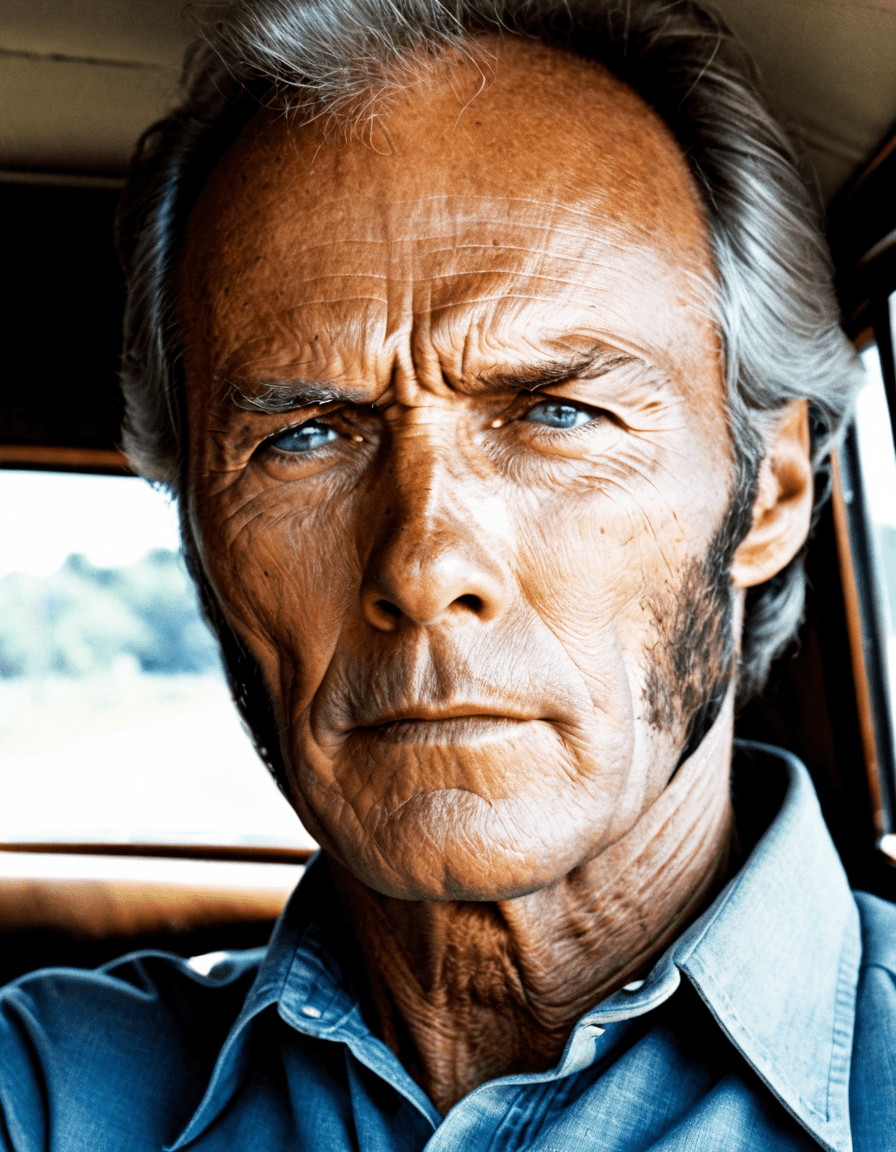
Top 7 Unforgettable Scenes that Define Gran Torino
Gran Torino’s Cultural Impact and Legacy
Gran Torino Has significantly shaped the conversation around American cinema, especially regarding narratives about race relations and elder protagonists. In an era when films like Get Out Began to probe deeper into societal issues, Eastwood’s portrayal opened doors for discussions on identity and acceptance. The film remains a touchstone for filmmakers grappling with sensitive topics, illustrating the importance of nuanced storytelling.
Critically, Gran Torino Garnered several Academy Award nominations while igniting discussions about masculinity and emotional vulnerability. Audiences responded to Kowalski’s gritty authenticity, making Eastwood’s character a memorable figure in cinema history. The film’s raw exploration of cultural clashes speaks to viewers even in 2026, mirroring ongoing debates about immigration and social integration that resonate with people from all walks of life.
The film’s legacy continues to flourish today, inspiring not only filmmakers but also academic studies that analyze its themes and storytelling techniques. As conversations around race, identity, and community evolve, Gran Torino Stands resilient, offering insights that probe deep into human nature while remaining accessible and relevant.

Comparative Analysis: Gran Torino and The Bellagio in the Landscape of Storytelling
When examining Gran Torino Alongside upscale settings like the Bellagio in Las Vegas, we see two starkly contrasting narratives. While the Bellagio represents wealth and excess, Eastwood’s Detroit setting is grounded in gritty realism. This disparity highlights how places in storytelling shape characters and narratives differently, each presenting unique emotional landscapes.
The Monte Carlo Unites generations in Gran Torino, whereas the Bellagio often symbolizes unattainable dreams and material success. This juxtaposition reveals differing storytelling techniques; Eastwood focuses on community and connection, while the Bellagio often conveys a sense of isolation amidst plenty.
Both settings evoke strong emotional responses, drawing viewers into their respective worlds. While audiences might yearn for the glamorous Philip Glass compositions accompanying the Bellagio’s water displays, Gran Torino Resonates through the raw and relatable experiences of its characters, embodying a heartfelt journey centered on redemption and understanding.
Revisiting Eastwood’s Directorial Style: The Signature of Gran Torino
Eastwood’s minimalist approach to dialogue in Gran Torino Heightens the film’s emotional resonance. By choosing silence where other filmmakers might rely on excessive exposition, he invites audiences to absorb the depth of the characters’ struggles and transformations. This intentional pacing-slow and deliberate-culminates in tangible tension, effectively enhancing character development.
Additionally, Eastwood’s personal experiences as a veteran profoundly influence the storytelling in Gran Torino. Walt’s transition from a hardened individual to someone who reconciles with his past resonates deeply, mirroring the journeys of many who have faced life-altering events. With every scene, Eastwood eases us into the complexity of Walt Kowalski, prompting viewers to engage with the protagonist’s conflicting emotions.
In the end, Eastwood’s directorial style is about more than just craftsmanship; it’s a dedication to authenticity that resonates throughout the film. Each camera angle, choice of dialogue, and silence carries purpose, inviting audiences to deeply connect with the narrative and the broader themes embedded within.
The Lasting Influence of Gran Torino on Future Generations of Filmmakers
Gran Torino Has left an indelible mark on contemporary filmmakers, focusing on character-driven narratives. Directors like Greta Gerwig have soaked up Eastwood’s lessons, infusing their stories with emotional depth and authenticity fostered by Gran Torino’s rich tapestry of human experience. The evolution of themes around racial reconciliation and the immigrant experience is evident in modern films. Works like Minari Echo the struggles visible in Eastwood’s masterpiece, continuing to spark vital conversations in modern cinema.
Interviews with film students and budding directors often cite Gran Torino As a teaching tool for storytelling and character development. The film’s exploration of masculinity, vulnerability, and transformation is a fundamental part of cinema studies, allowing future generations to engage with its narratives on a deeper level.
Culturally, Gran Torino Continues to resonate in classrooms and film discussions, fostering dialogues about identity and community. As we reflect on Gran Torino In 2026, it becomes clear that Eastwood’s film is more than just a narrative on one man’s journey; it’s a profound exploration of humanity that bridges gaps across time and culture.
In the sweeping narrative of human connection, Gran Torino Not only challenges perceptions but also enriches our understanding of the immigrant experience, identity, and the search for redemption. Whether you’re an ardent film buff or a casual viewer, Eastwood’s poignant storytelling ensures that Gran Torino Remains a cinematic masterclass that continues to inspire and resonate.
Gran Torino: Fun Trivia and Interesting Facts
Behind the Scenes
“Gran Torino,” released in 2008, not only showcases Clint Eastwood as a leading actor but also as a director who truly knows his craft. Did you know Eastwood’s character, Walt Kowalski, was inspired by real-life individuals rather than being just a figment of Hollywood imagination? The film is steeped in vibrant culture, highlighting the clash between East and West. Interestingly, the film even resonated with fans of different genres, including those who enjoy Seth Rogan Movies-not( because of shared themes, but for the powerful storytelling that shows the depth of character development.
The film was shot in and around Detroit, a location that added a layer of authenticity to the gritty story. Eastwood’s eye for detail paired with the historic elements of the city gives a genuine feel that keeps audiences engaged-similar to watching an intense episode on Espn( where every moment counts. Plus, fans will appreciate the film’s use of automobiles, especially the iconic 1972 Gran Torino, which stands as a metaphor for the changing times and complex relationships depicted within the story.
Cultural Impact
“Gran Torino” sparked significant discussions about race, identity, and redemption, making its mark well beyond the film industry. Often compared to other gritty dramas, the film’s exploration of friendship against a backdrop of prejudice resonates deeply. The cast, primarily fresh faces alongside Eastwood, displays immense talent that echoes through the years, much like the Kingdom Of Heaven cast,( who took audiences on a gripping historical journey.
Fans of the film can’t help but note how it has permeated pop culture, influencing references across genres. It’s easy to see why “Gran Torino” makes a cameo in conversations, just like classic films often referenced by the likes of Bad Boys : Ride or Die( enthusiasts. This stirring emotional tale showcases the changing dynamics of family life, capturing the spirit of community and connection in ways that resonate universally, transcending generations.
Soundtrack and Themes
The soundtrack of “Gran Torino” plays a pivotal role in shaping the tone of the film. The music complements the raw emotions portrayed by Eastwood and his co-stars. Just as the melodies of Marshmello( elevate the music scene today, the film’s score finds an intimate way to link the narrative threads. The intertwining of Eastwood’s legendary status with a contemporary sound truly enhances the film experience.
Themes of loyalty, sacrifice, and redemption run deep. Characters reflect inner struggles that many can relate to, making the film emotionally rich. Just like the moments filled with nostalgia sometimes found in Sonic Games,( it reminds us of our own experiences with transition and growth. The surprising twists and poignant moments keep viewers on the edge of their seats-a testament to Eastwood’s mastery in storytelling, which leaves a lasting legacy that fans will cherish for years to come.

This article was produced with AI assistance. How Silver Screen Magazine uses AI.
Silver Screen Magazine writes for Silver Screen Magazine - classic cinema, film reviews, industry updates and hollywood gossip.