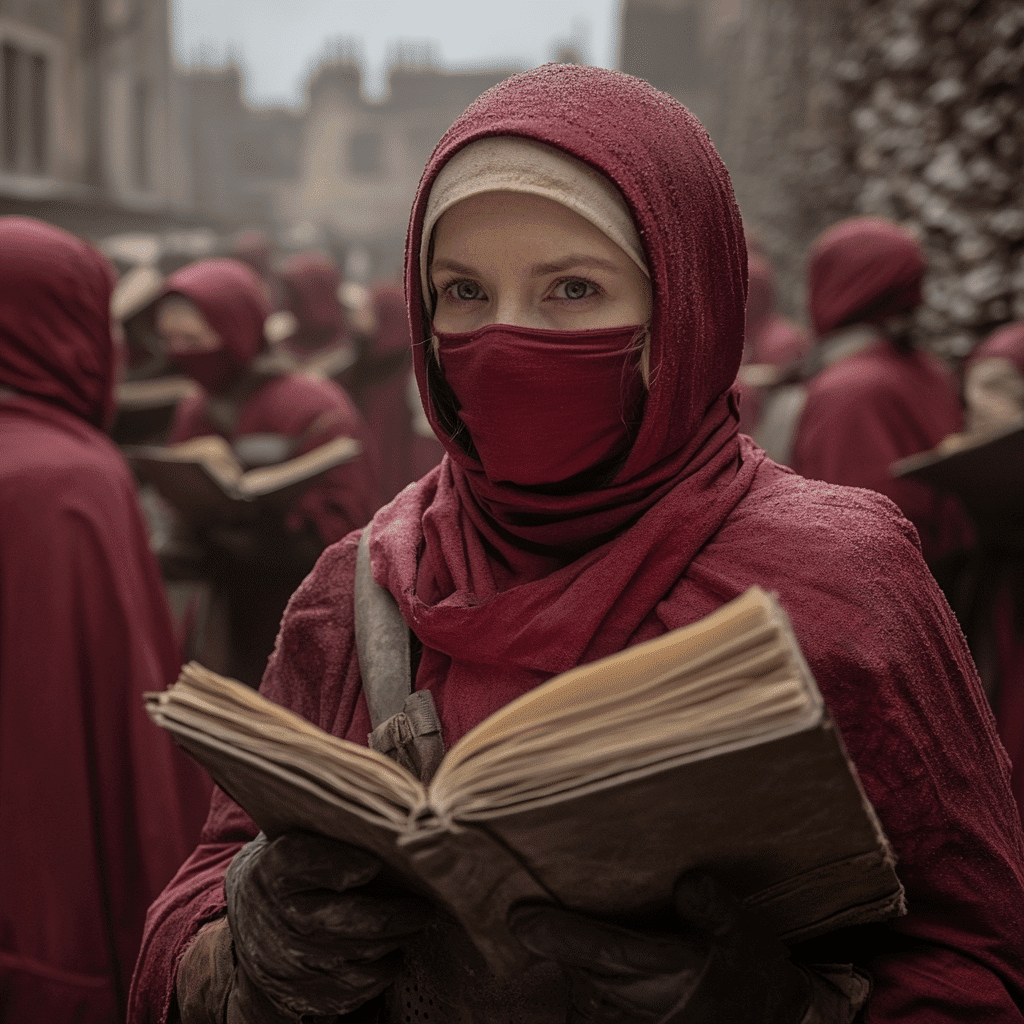
Margaret Atwood’s The Handmaid’s Tale has made an indelible impact on both literature and television, becoming a fundamental piece of dystopian storytelling. When you dive into the series, you quickly realize that it’s not just a story about a grim future; it’s a rich tapestry woven with the threads of power dynamics, resistance, and the quest for autonomy. As we navigate the themes of The Handmaid’s Tale, we’ll explore how these elements echo in our present society, reminding us that the fight for rights and freedoms is as urgent today as ever.
What makes The Handmaid’s Tale resonate with viewers? It’s the potent blend of real-world issues and chilling fictional outcomes. The characters we meet in the series—particularly Offred, played brilliantly by Elizabeth Moss—function as both symbols of resistance and cautionary tales. So, let’s dig into seven compelling themes from The Handmaid’s Tale that reflect societal concerns today.
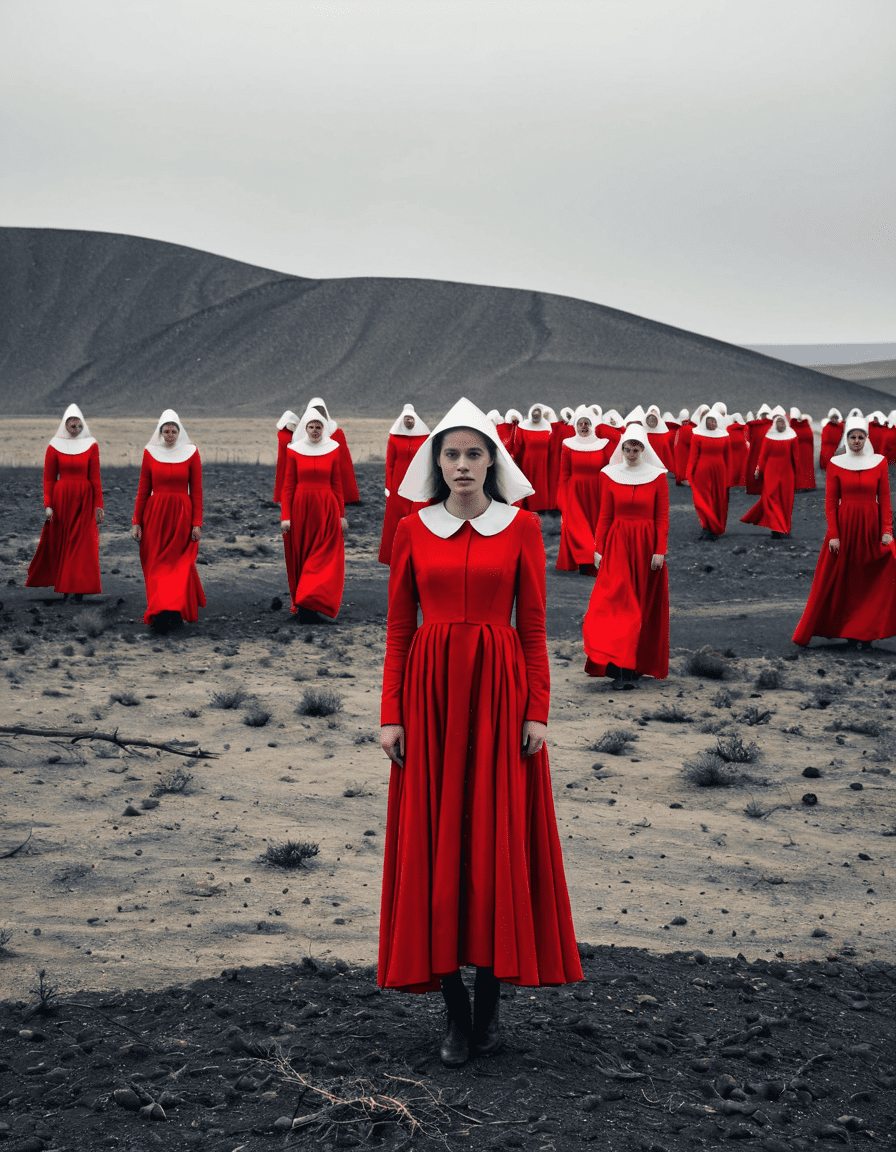
## Handmaids Tale: Exploring Power and Resistance Themes
The foundation of The Handmaid’s Tale lies in the stripping away of individual autonomy. The regime of Gilead robs Offred and all Handmaids of their names, along with their rights and identities. Each episode pulls viewers deeper into Offred’s internal battles to define herself in a world that seeks to reduce her to a mere womb. This struggle mirrors real-life discussions around women’s rights, especially concerning reproductive freedoms and personal choices.
As we witness Offred navigating her new reality, we see echoes of today’s struggles for identity in various contexts—whether it’s women advocating for their rights or marginalized groups fighting for recognition. This theme ignites conversations about how societal norms can press upon individuality and how critical it is to resist forces that try to erase our identities.
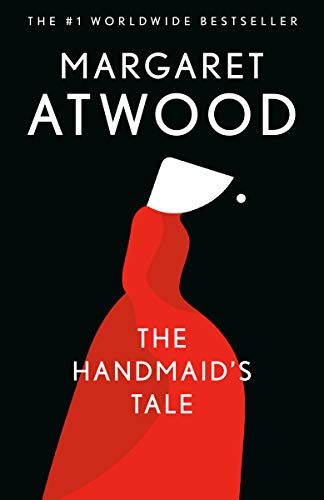
## Handmaid’s Tale: Captivating Themes of Power and Resistance
Gilead is a particularly haunting landscape where power manifests through patriarchal structures and religious dogma. The ruling class—primarily men—wields authority with terrifying effectiveness, using religion as a smokescreen for their ambitions. For instance, Commander Waterford represents not just power, but the seductive lure of control that corrupts both the powerful and the powerless.
This creepy blend of governance and theology raises questions about the role of institutions in our own world. It prompts viewers to reflect on how political and religious systems are often intertwined, sometimes impinging on the fundamental rights of individuals. As we see in movements around the world today, questioning these power dynamics is crucial for achieving meaningful change.
3. Resistance and Rebellion: Hope Amidst Despair
The heartbeat of The Handmaid’s Tale is its portrayal of rebellion, both subtle and overt. Offred’s small acts of defiance—be it her secret rendezvous or her thoughts of freedom—serve as a testament to human resilience. Through the context of the Mayday resistance group, the narrative reveals that even in absolute oppression, the flicker of hope persists.
This theme recurs in recent historical movements, from the Women’s March to the protests rattling Iran today. These global endeavors resonate with the defiant spirit illustrated in The Handmaid’s Tale, showcasing that collective action can disrupt even the most entrenched regimes. Therefore, it’s essential to recognize our own roles in fostering hope and driving change wherever we can.
4. The Role of Language and Narrative in Empowerment
The Handmaid’s Tale sets the stage for a profound examination of language’s power. In Gilead, manipulation of words serves to control and subjugate. The narrative emphasizes how the regime’s careful language dismantles the potential for rebellion, hauntingly stripping women of the ability to speak their truth.
However, Offred’s internal voice becomes her most potent weapon against her captors. It’s through this personal narration that viewers grasp the fragility yet potency of expression. This theme underlines the idea that reclaiming one’s voice is essential to resistance, urging us to reflect on our own narratives and the importance of sharing our truths against oppressive structures.
5. The Impact of Surveillance and Control
Surveillance is a looming presence throughout The Handmaid’s Tale, drawing unsettling parallels to current anxieties about privacy and control in our own world. Gilead is a society where the Eyes—not only physical enforcers but also agents of a pervasive atmosphere of fear—watch every move. This chilling undertone resonates loud and clear today, where discussions about data privacy confront the intrusion of technology into our lives.
The characters’ lives, constantly monitored, serve both as a warning and a call to action. The accessible nature of digital surveillance urges us to examine our relationship with technology and how it can compromise personal freedoms. In a world where our phones can capture our every moment, the cautionary tale of Gilead pushes us to value privacy and hold accountable those in power.
6. Gender Dynamics and Feminism
At its core, The Handmaid’s Tale is a powerful feminist narrative that critiques longstanding patriarchal systems. The series showcases a diverse array of female characters, each representing different facets of female experience in Gilead—from the Handmaids to the Wives and Aunts—forcing viewers to confront uncomfortable truths about gender inequality.
The layered performances by the Handmaid’s Tale cast, especially by Elizabeth Moss, Yvonne Strahovski, and Ann Dowd, add rich depth to the show’s examination of feminism. Their nuanced portrayals compel audiences to critically analyze the structures that uphold misogyny and systemic oppression. Watching these dynamics unfold encourages a renewed conversation about gender equality and the fight against misogyny today.
7. The Consequences of Apathy and Indifference
One of the series’ most disturbing themes lies in the apathy of many characters, particularly the Wives and Aunts, who perpetuate the regime’s policies. These individuals often turn a blind eye to the moral failings of Gilead, illustrating how inaction can contribute to tyranny—a warning that echoes in contemporary political climates.
The chilling lesson is clear: complacency breeds oppression. This theme invites audiences to reflect on their responsibility as active citizens. Whether you’re involved in community work or simply raising awareness, engaging with social and political issues remains crucial in shaping a more just society.
Navigating the Intersection of Fiction and Reality
The Handmaid’s Tale transcends mere entertainment;
it acts as a catalyst for reflecting societal truths. As we face issues rooted in the themes discussed—from power struggles to resistance—this narrative compels us to engage more deeply with ongoing social dialogues. The relevance of these themes is undeniable; they echo in the streets and discussions around the globe, showcasing how literature and its screen adaptations can ignite change.
In the end, The Handmaid’s Tale serves both as a cautionary tale and a source of inspiration. It underscores the enduring importance of vigilance in the fight for equality and justice. As we contemplate the world around us, let’s remain conscious of the lessons drawn from Offred’s journey and the dire consequences of forgetting history. Now more than ever, we must wield our voices and engage with the stories that shape our reality, ensuring that the echoes of The Handmaid’s Tale inspire momentum for a just future.
Handmaid’s Tale: Captivating Themes of Power and Resistance
Unfolding Events in the Handmaid’s Tale
The Handmaid’s Tale offers a gripping portrayal of a dystopian society where women’s rights are stripped away. But did you know that its creator, Margaret Atwood, was inspired by real-life historical events? In fact, Atwood drew from the brutal reality of women’s oppression across various cultures. This blend of reality and fiction creates a vivid backdrop, making the themes of power and resistance resonate even more. Just like the harrowing tale of survival found in Society Of The Snow, which showcases resilience against the odds, the handmaids fight their own battles, echoing struggle and hope in the face of absurdity.
Cultural References and Surprises
Interestingly, the series has sparked numerous discussions outside of the realms of literature and television. For instance, the lyrics from pop bands like Duran Duran often pop up in fan discussions, blurring the lines between genres and eras. Fans also draw parallels to icons like Bert And Ernie, who, despite their playful facade, symbolize underlying societal structures. This highlights how even lighthearted characters can reflect serious themes of identity and power dynamics.
Behind-the-Scenes Connections
In the production of the Handmaid’s Tale, the commitment to authenticity is incredible. The cast and crew put in significant effort, echoing the same passion seen in industries like hospitality, such as at the Bristol Haymarket hotel, where attention to detail is key. Additionally, the series has been lauded for its casting choices, including the remarkable talent of actors like Trevor etienne. His ability to convey raw emotion mirrors the struggles faced by characters in the Handmaid’s Tale, prompting viewers to rethink their own relationships with power and obedience.
In the changing landscape of media, these discussions are essential; they invite us to examine not just the stories we consume but also our own roles as participants in societal narratives. So, the next time you find yourself engrossed in the Handmaid’s Tale, remember: you’re not just watching a show, you’re diving into the complexities of resistance, a world that echoes throughout art and real life.