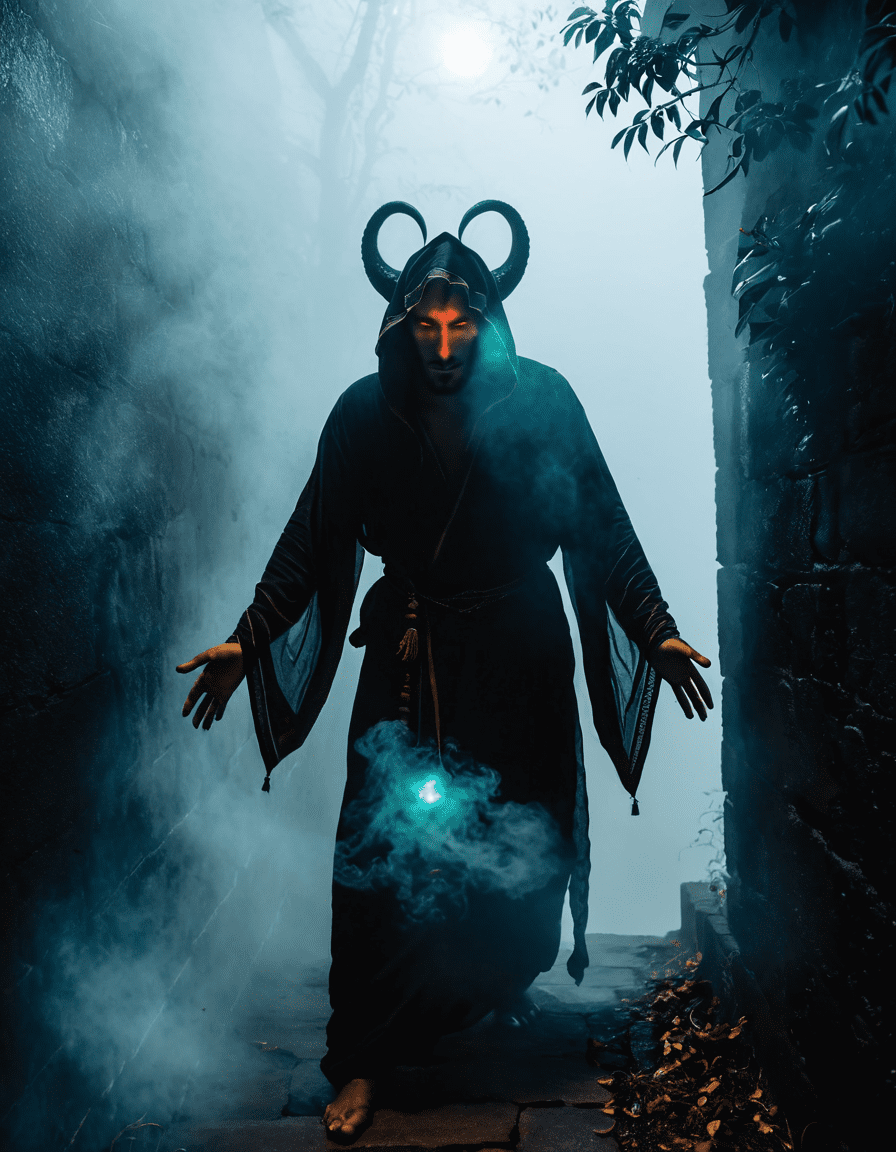
1. Understanding the Incubus: History and Lore
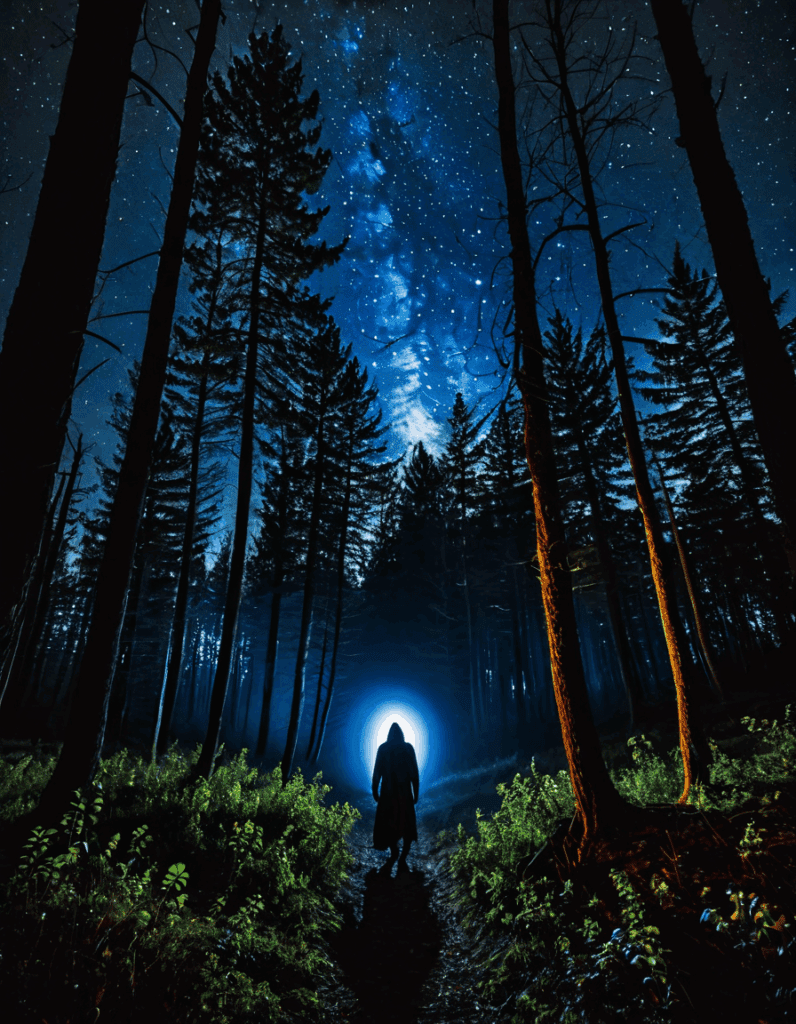
The Incubus, a male demon often described as the counterpart to the female succubus, has haunted the shadows of folklore for centuries. Emerging from medieval tales, the incubus is infamous for its alleged ability to seduce women while they sleep, exploiting their dreams and leaving them drained and frightened. Readers may recall ominous references in ancient texts, like the Malleus Maleficarum, which suggests that nocturnal sexual encounters represent lustful assaults by male demons. This mythos mirrors deeper societal fears about sexuality and power dynamics throughout history.
The depiction of the incubus has changed through the ages, taking on various forms in literature and art. From being a symbol of male domination to a manifestation of fear associated with sleep, the incubus captures an essential struggle: the battle between desire and dread. It’s intriguing to think about how many people, even today, experience the anxieties echoed in these ancient stories. This figure serves as a reflection of personal fears-of vulnerability during sleep and the weight of suppressed desires.
In popular culture and ongoing conversations, the incubus doesn’t just linger in the realms of myth. It has become a metaphor for deeper psychological and societal issues, influencing dialogues about consent and agency, especially in today’s climate where mental health awareness is growing. This duality-the ancient and the contemporary-leaves us pondering: what does the incubus really signify in our lives now?

2. Top 5 Cultural Representations of the Incubus in Modern Media
The allure of the Incubus Permeates various forms of entertainment, tantalizing audiences with its sinister charm. Here are five notable representations that shed light on its lasting impact:
These representations illustrate how folklore continues to shape our understanding of human anxieties surrounding intimacy and fear. Each piece of media reminds us that fear isn’t just a figment of imagination; it’s an intrinsic part of humanity’s experience.
3. The Incubus vs. The Succubus: Key Differences and Common Traits
Understanding the intricacies between the Incubus And Succubus Reveals fascinating aspects of folklore and human psychology. While both figures embody sexual encounters during sleep, their distinctions are significant:
Teasing apart these differences exposes how folklore shapes our understanding of interpersonal dynamics, love, and fear. The Incubus Remains not only a figure of terror but also a lens through which we can examine our own relationships and societal norms.
4. The Incubus in Psychology: Analyzing Sleep Paralysis and Nightmares
Interestingly, the Incubus Intersects with modern psychological phenomena, particularly sleep paralysis. Many describe being unable to move, feeling a weight on their chest, or witnessing vivid hallucinations during these episodes-experiences that mirror legendary incubus encounters.
Studies suggest these terrifying experiences often link to stress and disrupted sleep patterns. As our world races forward, the panic and dread felt during sleep paralysis echo the fear swirling around the incubus myth. The imagery from such folklore may stem from a collective unease shaped by cultural narratives that have swirled through time.
Exploring how the incubus legends adapt to our understanding of mental health unveils a rabbit hole of fear wrapped around our innate vulnerabilities. Today, as we work towards a greater comprehension of psychological well-being, the incubus might inform discussions surrounding fear, trauma, and recovery.
5. The Incubus and Its Relevance in Today’s Society
The figure of the Incubus Resonates in today’s discourse around consent, desire, and mental health. What once symbolized archaic fears of nocturnal attacks has morphed into conversations about personal agency. This evolution reflects broader fears about power, control, and intimacy in a modern context.
In our increasingly enlightened society, the incubus beckons us to confront uncomfortable realities. It stands for the dark sides of human desire and the tangled emotions that accompany intimate relationships. As we grapple with mental health and consent, mythological figures like the incubus foster valuable dialogue.
Understanding the incubus may lead to healthier conversations around sexuality and empowerment. By addressing historical fears tied to figures such as the incubus, we can bridge gaps between ancient lore and our contemporary experiences. How we navigate these themes today can dictate our understanding of desire, consent, and what it means to reclaim one’s agency.
Distilling the Essence of the Incubus Myth
The incubus continues to be a compelling figure within horror, psychology, and folklore. It transcends mere fear to represent complex societal attitudes toward desire, power, and the subconscious. By examining the evolution of the incubus, we glean insights into historical horror and the nuanced discussions surrounding masculinity, sexuality, and individual agency today. As conversations evolve, the incubus may remain a vital touchstone for understanding how folklore and contemporary human experiences intertwine.
So, next time you dive into the realm of horror, let the haunting figure of the incubus linger long after the credits roll. It is not just a character but a living reflection of our fears, desires, and the intricacies of human relationships in all their beautiful chaos.
Incubus: The Mysterious Figure of Nighttime Horror
Unveiling the Mythos
Ever heard of an incubus? This mysterious figure has haunted dreams and folklore for centuries. Originating from medieval legends, the idea of an incubus revolves around a male demon who seeks out women in their sleep, often leading to terrifying encounters. But it’s fascinating how this myth has inspired various forms of media today. For instance, you might know the absurd yet enchanting animated characters from classics like Lady And The Tramp, which contrast sharply with the nightmarish nature of the incubus. Even in musical circles, artists like Travis Tritt Have tapped into themes of haunting loneliness that resonate with the lore of such dark creatures.
Chilling Cultural Impact
The concept of the incubus has left its mark not just in horror stories but even in pop culture. Shows like Jimmy Kimmel live Often juggle humor with frightful themes, making us aware of how digestible horror can be in a comedic context. This blend highlights our collective fascination with the uncanny, a trait echoed in films like Gangs Of New york Where mystique and malevolence intermingle. The representation of such figures may also serve as a metaphor for societal fears, perhaps giving us a glimpse into the psyche of those who crafted these tales.
Historical Footprint
Tracing the origins of the incubus leads us back to various ancient cultures, where nightmares were often attributed to dark spirits. Historical accounts reveal that many believed these demons drew energy from their victims, much like the gripping tension of The Hunt For Red October, where every move can spell disaster. In fact, one might argue that figures like Bill Guarnere From WWII lore share a parallel with stories of the incubus-they’re both emblematic of darker forces at play in human experience. The fear of being overtaken while you’re vulnerable-whether in battle, sleep, or even in your simple hometown like Hot Springs, Arkansas-reminds us of our precarious existence.
So, whether you’re chatting about eerie legends at a bar or diving into the surreal, the incubus lingers in our collective consciousness. It’s a reminder that, while we may find humor and camaraderie in our fears-like saying Oi Oi Oi! To shake off the chill-there’s something deeper lurking in the shadows of our imaginations, an ever-present sense of what unsettles us as a society. Like ArtieS blend of humor with hue, the incubus represents both terror and fascination-a belief that will likely endure for generations to come.

This article was produced with AI assistance. How Silver Screen Magazine uses AI.
Silver Screen Magazine writes for Silver Screen Magazine - classic cinema, film reviews, industry updates and hollywood gossip.