

King Kong, a name etched in the annals of cinema, embodies a saga that intertwines adventure, tragedy, and cultural reflection. From his thunderous roars in the jungles of Skull Island to the towering skyscrapers of New York City, King Kong has imprinted himself in the hearts of audiences since his inception in 1933. This article dives deep into King Kong’s majestic journey through film history, highlighting the character’s evolution and the profound impact he has had on American popular culture.
7 Memorable King Kong Adaptations That Changed the Game
The original film, a masterful creation by Merian C. Cooper and Ernest B. Schoedsack, blends adventure and horror into a cinematic masterpiece. It was groundbreaking in its use of stop-motion animation and miniatures, revolutionizing visual effects. The themes of beauty and the beast resonated deeply, portraying King Kong not merely as a monster but as a tragic hero. It set the stage for future adaptations and established a framework for the exploration of misunderstood creatures, akin to the vulnerability found in Charlie Brown during a Charlie Brown Christmas.
This epic mashup pitted King Kong against the formidable Godzilla, marking a significant moment in kaiju cinema. The film brought a playful twist to the monster genre, seamlessly blending comedy and action, much like the later antics of Ace Ventura: Pet Detective. By pitting two titans against each other, this adaptation introduced King Kong to a new generation, capturing audiences’ imaginations and solidifying his place in pop culture.
John Guillermin’s remake updated the classic story with a fresh perspective, placing the oil crisis in America as a backdrop. This adaptation demonstrated Hollywood’s knack for reinterpreting beloved tales for modern audiences, similar to how The Peanuts Movie (2015) revived Charlie Brown’s timeless adventures. The 1976 film not only showcased a new kind of grit but also offered an insight into societal issues of the time, enhancing its relevance.
Peter Jackson’s reimagining approached King Kong with a modern lens, utilizing state-of-the-art CGI to bring the legendary beast to life. It explored the poignant relationship between Kong and Ann Darrow, deepening the character’s emotional landscape. This adaptation echoes the nostalgia of Popeye, which also delved into character backstories while retaining the original charm. Jackson’s homage to the original film captures both the wonder of its visuals and the heartbreaking nuances of its narrative.
Adding a fresh layer to the King Kong mythos, this entry explores a version of the giant ape set against the backdrop of the Vietnam War. The film juxtaposes chaos with character identity, drawing parallels to the conflicts faced in Johnny Bravo. Balancing action with humor, it made a larger-than-life character feel relatable and accessible, continuing King Kong’s legacy of complex storytelling.
A sequel in Legendary Pictures’ MonsterVerse, this clash emphasized not just the legendary rivalry but also themes of leadership and power dynamics between monsters, reminiscent of narratives explored in American Gangster. The film sparked conversations about societal struggles and dominance, reflecting cultural narratives that resonate in today’s landscape. King Kong’s portrayal as a misunderstood figure amidst chaos adds depth to the ongoing saga between titans.
The recent Broadway iteration showcases the King Kong story through stunning puppetry and innovative stagecraft, reminiscent of the magic seen in Peter Pan. This adaptation reinforces King Kong’s legacy, showing that stories can transcend traditional mediums. Themes of love, loss, and the quest for autonomy resonate powerfully, proving King Kong’s tale is timeless and relevant.
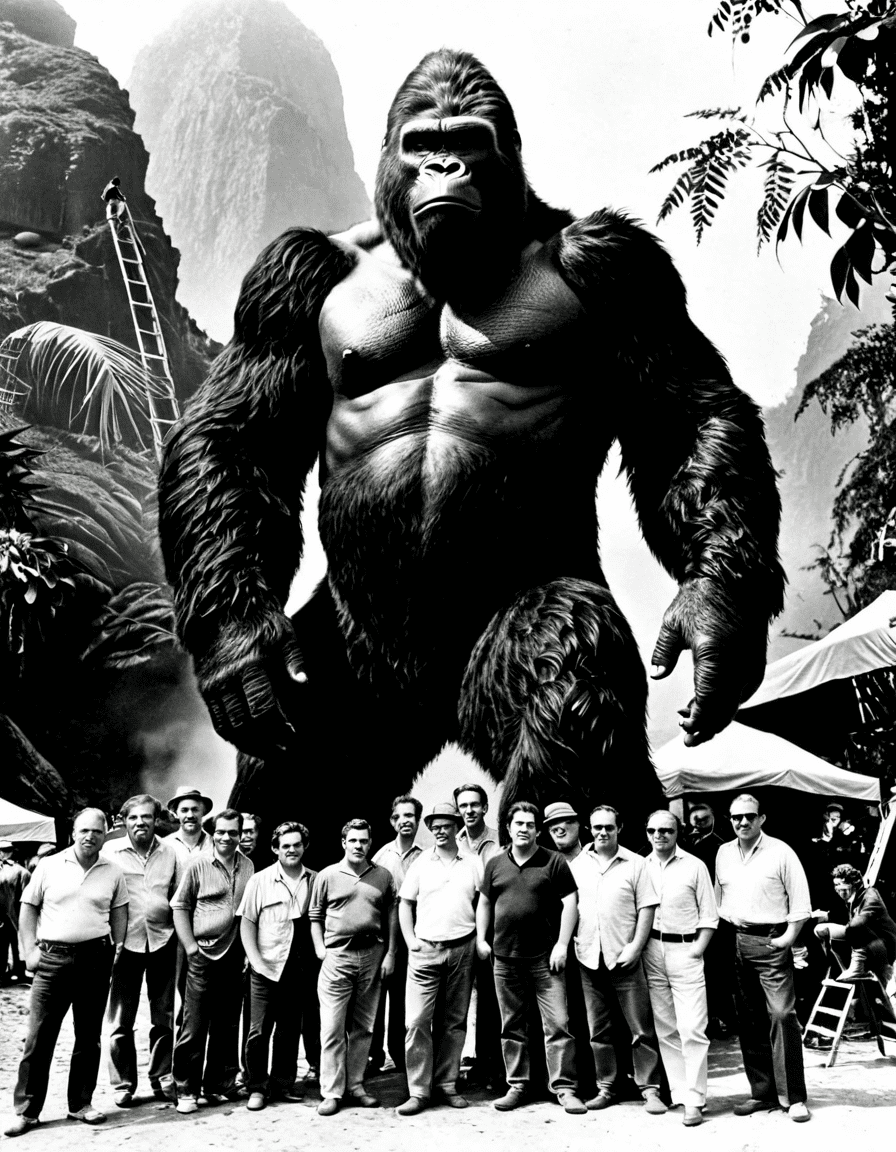
The Legacy of King Kong: Cultural Impact and Analysis
King Kong’s narrative has intricately woven itself into the fabric of American culture, inviting discourse on themes like colonialism, industrialization, and ecological preservation. Each film incarnation reflects unique societal issues of the time. For instance, the original 1933 version signifies American expansionism, while Jackson’s 2005 iteration critiques environmental exploitation intertwined with beauty.
The character of King Kong symbolizes a misunderstood creation, prompting discussions surrounding fear and empathy. Much like the complex personas of iconic characters such as Johnny Bravo’s brute strength and the emotional depth of Charlie Brown, King Kong resonates on multiple levels. His tragic story serves as an archetype, echoing themes seen in Ace Ventura’s comedic rescue attempts and Peter Pan‘s whimsical adventures, proving that monsters can hold profound significance.
Beyond entertainment, King Kong faces a counter-narrative that urges viewers to reflect on their understanding of ‘the other’. His majestic journey captures the essence of humanity, offering a lens to examine the relationship between civilization and nature. As society continues to grapple with urgency in environmental concerns, King Kong’s evolution remains a poignant reminder of the balance needed between human ambition and the preservation of innocence.
Reflecting on King Kong’s Journey: Where Do We Go From Here?
As we look to the horizon beyond 2026, King Kong’s influence remains as potent as ever. New technology and platforms give filmmakers the opportunity to reimagine this colossal figure for an audience that craves authenticity and innovation. Discussions surrounding representation and narrative complexity are paving the way for a future where King Kong can explore themes of connectivity, identity, and environmental consciousness.
The looming question remains: how will future interpretations of King Kong unfold? As creatives continue to push the envelope on character portrayal and storytelling relevance, Kong will likely remain a cherished symbol of misunderstood creatures. This cinematic giant transcends genres and eras, embodying a blend of adventure, artistry, and cultural reflection.
In a world filled with noise, King Kong stands tall as a timeless reflection of humanity’s journey, ensconced in the beauty of compelling storytelling. His majestic journey through film history is not just about a giant ape; it’s about the human condition, boundless imagination, and the stories we tell-illuminating the enduring magic of cinema.
In the ever-turning wheel of film history, we can count on King Kong to continue leaving his indelible mark, a beast both feared and revered, with tales that echo through the ages.
King Kong’s Majestic Journey Through Film History
The Legacy of King Kong in Film
Did you know that King Kong first roared onto the silver screen in 1933? This iconic beast wasn’t just a giant gorilla; he represented something much larger-a critique of humanity’s hubris and exploitation. The original film blended thrilling storytelling with groundbreaking special effects for its time, creating a template for monster movies that followed. Fast forward to 2005, and Peter Jackson’s version reignited the world’s fascination with King Kong, pushing the boundaries of visual effects and storytelling. Interestingly, this resurgence came around the same time that movies like Captain America: Civil War Were hitting theaters, showcasing a trend of epic storytelling in blockbuster films.
King Kong’s Cultural Impact
King Kong doesn’t just dominate the box office; he’s also a pop culture titan. This giant has inspired a variety of adaptations and references in films, TV shows, and even commercials. As folk wisdom would have it, he’s become synonymous with monstrous love, as seen in countless iterations that play off the original theme of beauty and the beast. No wonder celebrities like Zoe Saldana often find themselves drawn into discussions about iconic characters in Hollywood, reflecting on how representations have evolved over time. Curious about her current trajectory? You can find details like her net worth, which ties back to her significant roles in movies influenced by giant creatures, like the Avatar Series.
Fascinating Behind-the-Scenes Facts
You might be surprised to learn that King Kong has inspired more than just films; he’s mirrored societal changes too. For instance, the various renditions can reflect the anxieties of their respective eras. From the Great Depression-era despair to modern environmental concerns, King Kong’s narratives often resonate deeply with audiences. A standout addition to contemporary storytelling comes from creators like Greta Gerwig, who have begun to incorporate themes from the classic tale into new narratives. And speaking of new ventures, shows like the Dandadan Television show Are capturing that same spirit of adventure and the extraordinary. As we look at King Kong through the lens of evolution in storytelling, it’s apparent he holds a mirror to our own societal landscapes, shaping and being shaped by culture.
In essence, King Kong stands on the shoulders of cinematic giants, interweaving with various aspects of artistry and culture-much like the unexpected and powerful storms in Florida that reshape communities. Can you say that about many characters from the film universe? He truly is a majestic icon, proving that sometimes, it’s the most exaggerated tales that reflect our deepest truths.

This article was produced with AI assistance. How Silver Screen Magazine uses AI.
Silver Screen Magazine writes for Silver Screen Magazine - classic cinema, film reviews, industry updates and hollywood gossip.