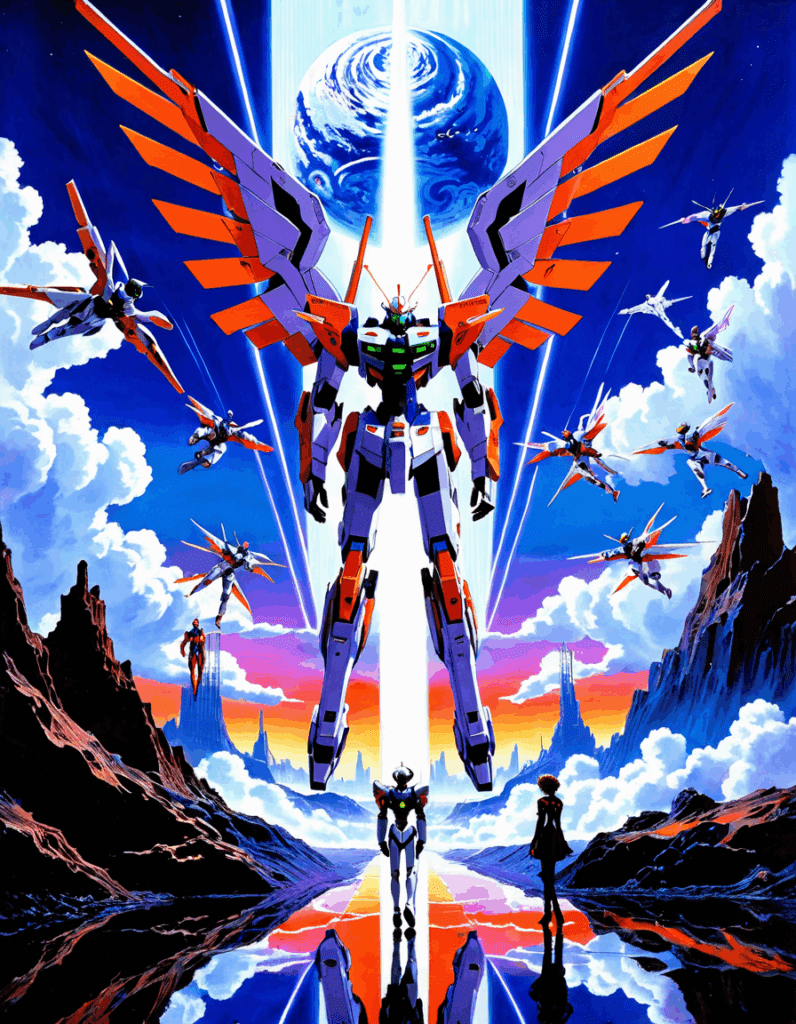
Neon Genesis Evangelion, created by Hideaki Anno and first aired in 1995, revolutionized the anime landscape in countless ways. The series intricately wove together mecha action, psychological depth, and existential themes, offering audiences a new lens through which to view the genre. By juxtaposing thrilling battles between giant mechs and deeply personal struggles of its characters-most notably Shinji Ikari-the show became a cultural touchstone, influencing not just anime but also broader media narratives and even elements of Western cinema, echoing the impactful storytelling we see in films like Fargo.
1. The Legacy of Neon Genesis Evangelion
As Neon Genesis Evangelion carved its niche, it sparked conversations about mental health, personal identity, and society’s expectations. Viewers found themselves reflecting on their loneliness and the pressures of modernization, themes that resonate deeply in today’s climate. In a way, the series acted as a mirror, reflecting the hidden emotions of its audience and daring to confront the emotional turmoil often buried under the surface.
The legacy of Evangelion extends far beyond its initial airing; it has inspired a diverse range of creators across genres and nations, evident in the U.S. Film genre. The impact of its storytelling style can be seen in the character dynamics within series like Miss Sloane, engaging audiences similarly through complex character arcs interwoven within intricate plots. In this way, Neon Genesis Evangelion stands as a testament to the power of storytelling, its profound influence echoing through various forms of media, including music, literature, and, of course, anime.
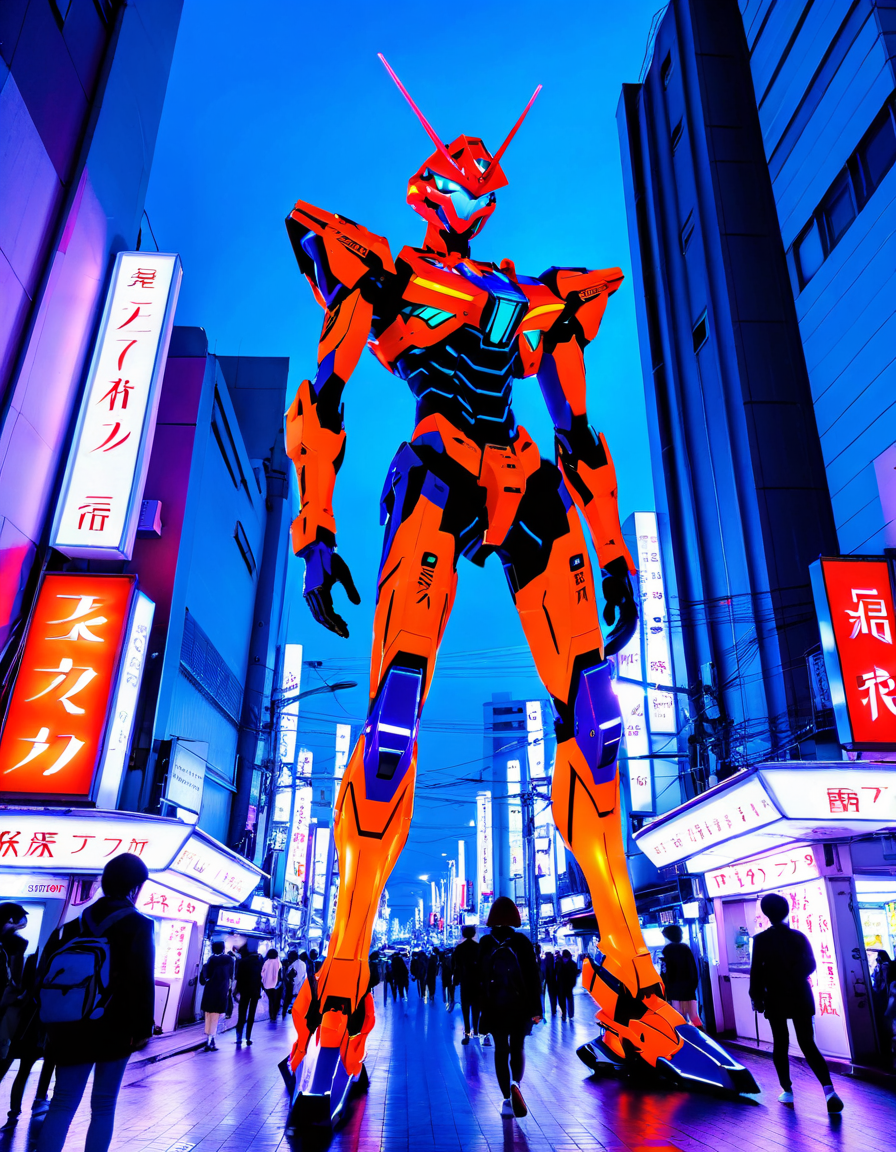
2. Top 7 Ways Evangelion Redefined Anime
2.1. The Birth of Psychological Mecha
Unlike traditional mecha series that focused mainly on adrenaline-pumping action, Neon Genesis Evangelion introduced a profound psychological component that changed the face of anime forever. Characters like Asuka Langley Soryu and Rei Ayanami faced existential dilemmas that resonated deeply with viewers. This stark departure from the norm paved the way for later works to delve into the emotional landscapes of their characters; series such as Serial Experiments Lain And The Melancholy of Haruhi Suzumiya Owe much to Evangelion’s fresh approach.
2.2. Deconstruction of Heroism
Evangelion took the classic hero’s journey, flipped it on its head, and revealed vulnerability and flaws. The struggle with fear, self-doubt, and existential crises became the crux of character development, shifting the focus from just flashy battles to rich, nuanced portrayals of human experience. This deconstruction not only influenced anime but also resonated in Western storytelling, inspiring creators like Shinichirō Watanabe in Cowboy Bebop, where flawed antiheroes took center stage, leading audiences to explore complexity and depth.
2.3. Groundbreaking Visual Aesthetics
The animation style of Neon Genesis Evangelion set new standards for visual storytelling in anime. It embraced innovative techniques, integrating surreal imagery and dynamic color palettes to amplify the narrative’s emotional stakes. The approach can be compared to visually striking works like Your Name By Makoto Shinkai and Attack on Titan, where each frame contributes to the story rather than merely illustrating it. This fresh visual language captivated audiences, embedding a lasting imprint on the industry.
2.4. An Unconventional Narrative Structure
Evangelion’s non-linear storytelling and avant-garde structure pushed boundaries within anime that had previously stuck to a conventional format. By embracing abstract storytelling, the series paved the way for unique narrative forms. This paved the way for creations like FLCL And The Tatami Galaxy, whose unconventional formats continue to challenge and thrill audiences today. Evoking this spirit of experimentation, Neon Genesis Evangelion compelled creators to step outside their comfort zones and explore new storytelling possibilities.
2.5. Themes of Loneliness and Connection
Another significant impact of Neon Genesis Evangelion is its deep dive into the themes of loneliness and the complexity of personal relationships. The emotional intricacies portrayed in the series resonated with many viewers, creating a sense of connection amidst feelings of isolation. This willingness to traverse darker themes opened doors for future anime to fight similar battles, leading to breathtaking narratives such as in March Comes in Like a Lion, where characters grapple with mental health and seek earnest connections.
2.6. The Cult of Fandom and Merchandise Expansion
Neon Genesis Evangelion nurtured a fervent fanbase that not only consumed the media but also engaged with its themes and characters through fan fiction, art, and cosplay. This vibrant community paved the way for contemporary franchises to build and sustain their audiences in innovative ways. For example, the ongoing popularity of My Hero Academia Has captured a similar fervor among fans, demonstrating Evangelion’s lasting legacy in creating rich worlds that inspire fan engagement.
2.7. Global Influence and Mainstream Acceptance of Anime
The success of Neon Genesis Evangelion played an instrumental role in making anime a household name across the globe. The show’s availability on platforms like Netflix, alongside remakes and reboots, introduced a fresh wave of fans to the series. Its influence has contributed to the global acceptance of anime, paving the way for newer juggernauts like Demon Slayer And Jujutsu Kaisen, which continue to capture hearts worldwide.
3. Evangelion’s Enduring Relevance Today
Evaluating the impact of Neon Genesis Evangelion means acknowledging its critical role in shaping not just anime but the cultural fabric that continues to evolve. As the years rolled by, fans have revisited the series, each time discovering new depths that resonate with today’s societal issues related to mental health and personal identity. In a world grappling with these very same challenges, the series remains a vital touchstone for exploration and discussion, highlighting its adaptability to reflect the human experience.
The dialogues surrounding Neon Genesis Evangelion linger, allowing us to connect through shared struggles and triumphs. Integral to its legacy has been its ability to continually spark discussions that address contemporary challenges-making it both a classic and a relevant conversation starter in modern society.
4. The Future of Anime Post-Evangelion
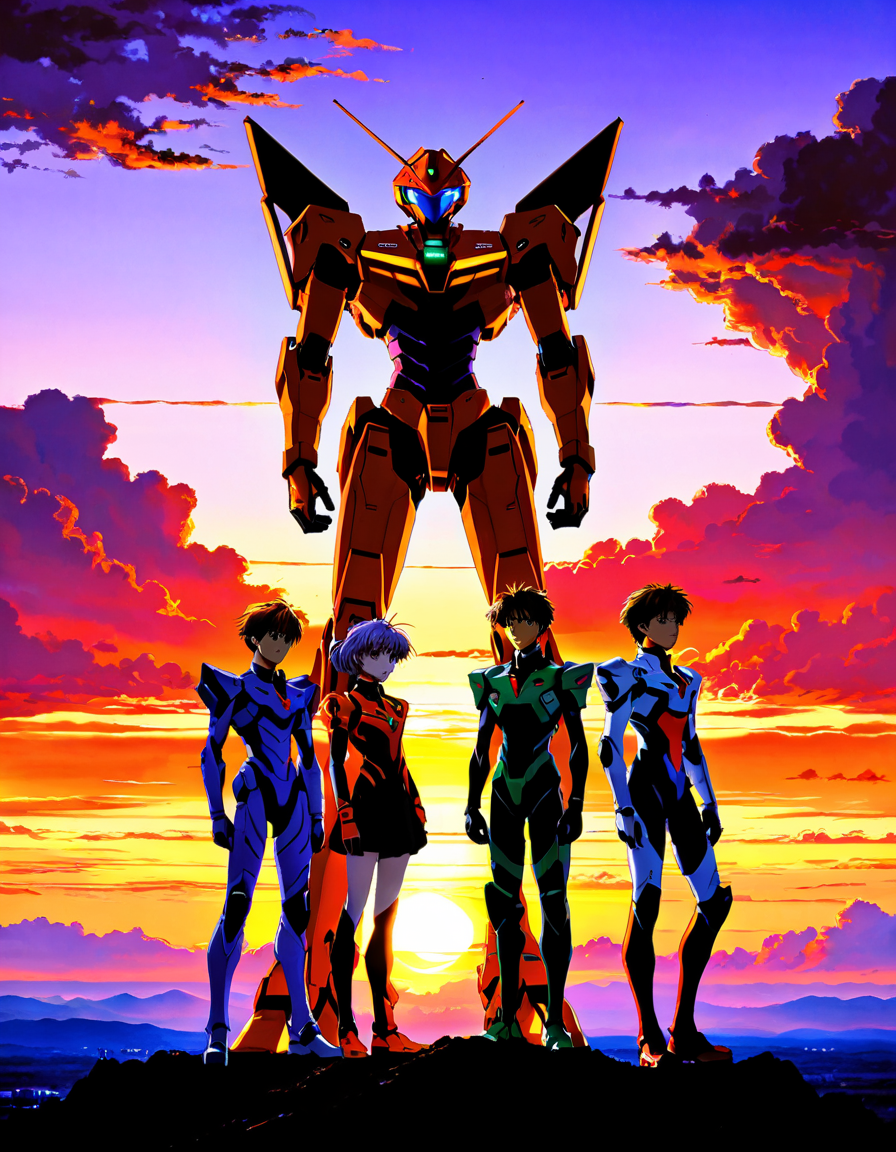
Looking ahead to the future of anime beyond 2026, the trailblazing efforts of Neon Genesis Evangelion cast a long shadow. The norms it struck down paved the way for series rich in narrative and psychological depth, pushing creators to explore themes involving technology, identity, and humanity’s evolving role in a digitized age.
Upcoming projects inspired by Evangelion’s legacy are bound to challenge viewers just as their predecessor did, proposing narratives that delve deeper into the intersection of humanity and technology. Infusing emotional resonance into their stories, anime creators will continue to elevate the craft, ensuring the spirit of Neon Genesis Evangelion thrives.
In embracing the boldness and introspective exploration sparked by Neon Genesis Evangelion, the evolution of anime promises to reflect the dilemmas and intricacies of the human experience, making it more vital than ever for audiences worldwide. The journey that began in 1995 continues to be a beacon of inspiration, demonstrating the timeless appeal of storytelling that resonates long beyond the screen.
By fostering dialogues on life’s complexities, Neon Genesis Evangelion stands as a landmark series, enriching not only our understanding of anime but also our connection to the narratives that shape us. So here’s to Neon Genesis Evangelion-the series that dared to venture into the depths of emotion, guiding us to understand not just the world of anime but perhaps, more importantly, ourselves.
Neon Genesis Evangelion: Fun Trivia and Interesting Facts
Iconic Influence on Pop Culture
First aired in 1995, Neon Genesis Evangelion Revolutionized anime and still keeps influencing pop culture today. Did you know that Chance The Rapper Once mentioned the series as a source of inspiration? The connection between anime and music shows just how deeply Neon Genesis Evangelion Has penetrated various creative fields. It’s a bit like how “Fargo” managed to leave its mark on cinema; both have intriguing narratives that push boundaries and provoke thought among their audiences.
Hidden References and Themes
While diving into the episodes, keen-eyed fans often spot nods to different cultures and philosophies. From psychological themes to religious symbolism, Neon Genesis Evangelion Engages viewers on multiple levels, much like the strategic approaches in a Creatine loading phase For athletes-there’s depth behind the surface. Moreover, the use of battle mechs (Evas) can remind fans of the action-packed escapades found in classics like the Dukes of Hazzard. Talk about mixing genres!
Legacy of a Groundbreaking Series
The impact of Neon Genesis Evangelion Isn’t limited to just its own genre; it’s jumped the fence into other forms of storytelling. For instance, its influence can be seen in the character dynamics of today’s films and shows, akin to how the Die Hard cast Delivered unforgettable camaraderie and tension. And in a twist reminiscent of time travel movies like Back to the Future, the series also challenges the narrative structure of storytelling itself, encouraging audiences to think outside the box. Any time you’re exploring anime, looking back at Neon Genesis Evangelion Is like sifting through the impressive catalog of the Sprue Brothers, where you discover layers upon layers of detail waiting to be appreciated.
So when you watch Neon Genesis Evangelion, remember, you’re not just tuning into another anime; you’re engaging with a cultural phenomenon that has left an indelible mark on countless others!
This article was produced with AI assistance. How Silver Screen Magazine uses AI.
Silver Screen Magazine writes for Silver Screen Magazine - classic cinema, film reviews, industry updates and hollywood gossip.