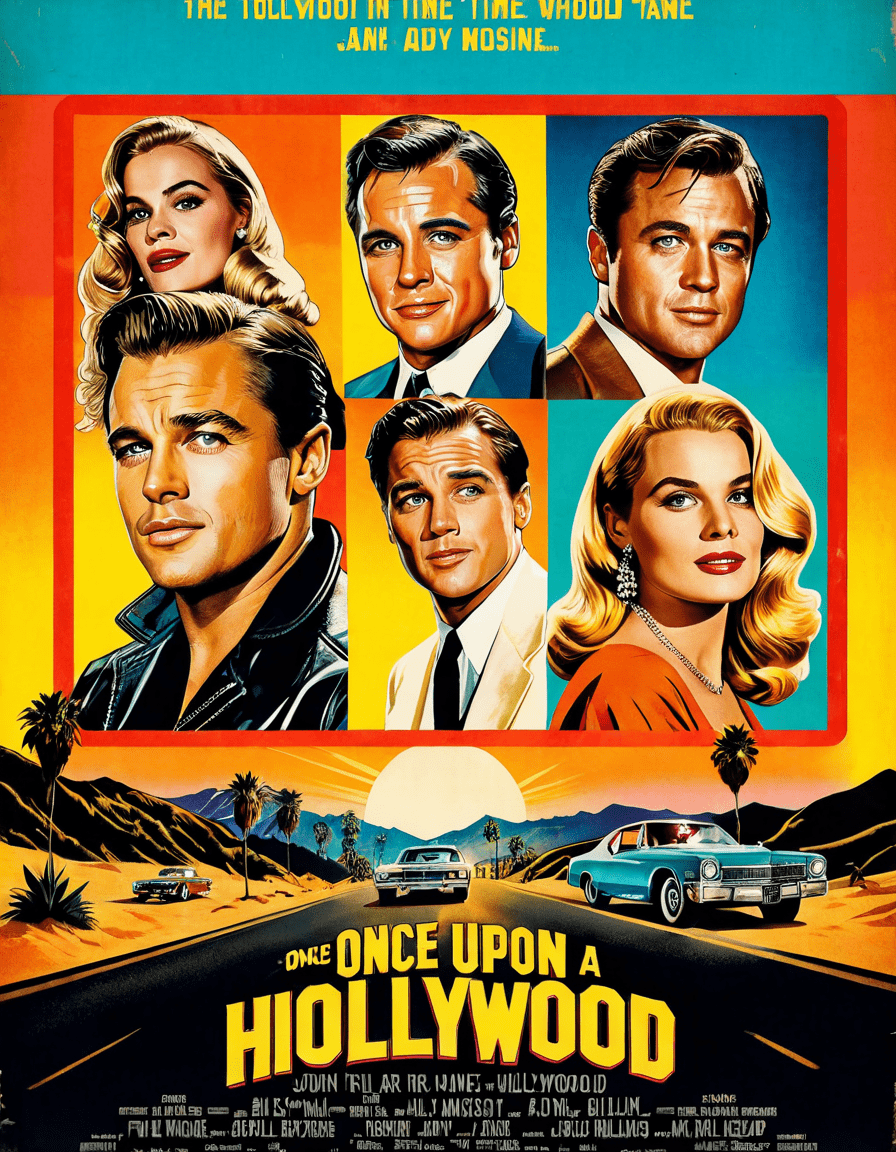
The allure of Hollywood has always been intertwined with celebrity culture, and Quentin Tarantino’s film Once Upon a Time in Hollywood perfectly encapsulates this fascination. Released in 2019, Once Upon a Time in Hollywood showcases an impressive tapestry of storytelling that continues to enchant audiences around the globe. With its stellar cast, nostalgic references, and rich commentary on the film industry, the movie speaks volumes about the era it portrays. Audiences are not just captivated by the glitz and glamour, but are also drawn into the intricate dynamics of fame and storytelling that define Hollywood.
The Top 5 Reasons ‘Once Upon a Time in Hollywood’ Captivates Audiences
1. A Stellar Ensemble Cast
One of the most striking aspects of Once Upon a Time in Hollywood is its jaw-dropping cast. Featuring titans like Leonardo DiCaprio, Brad Pitt, and Margot Robbie, every performance brims with charisma and authenticity. DiCaprio’s portrayal of Rick Dalton—a once-popular television actor—perfectly mirrors the struggles that many in Hollywood face, a theme echoed by countless actors who have risen and fallen in the industry. On the other hand, Pitt’s role as Cliff Booth, Dalton’s loyal stunt double, introduces an intriguing mix of charm and complexity.
Robbie’s performance as the ill-fated Sharon Tate adds a layer of emotional depth to the film. It’s heart-wrenching to observe her vibrant life contrasted with the shadow of the tragic events surrounding her. Together, the chemistry between these actors breathes life into the story, revealing a rich narrative that attracts audiences from all walks of life.
2. A Nostalgic Journey Through Hollywood’s Golden Age
Tarantino accomplishes something magical in Once Upon a Time in Hollywood: he crafts a time capsule of the late ’60s. Through remarkable attention to detail—from the vintage cars that whiz by to the retro set designs—viewers are immersed in a bygone era. The film offers an elegiac reflection on Hollywood, causing audiences to long for a time when both beauty and brutality danced in harmony.
The music, a symphonic blend of hits from the ’60s, further amplifies this nostalgia. Every track plays a role in immersing the viewer deeper into the heart of the film. By juxtaposing historical figures alongside fictional characters, Tarantino urges audiences to reflect on the realities hidden beneath the glitzy surface, providing a multi-layered experience that lingers long after the credits roll.
3. Meta-Narratives and Hollywood Critique
Once Upon a Time in Hollywood delves into a self-reflective narrative about the film industry and the notion of success. Tarantino invites viewers to ponder the stark realities of fame, identity, and the fragility of celebrity status. Through Dalton’s career struggles, audiences are led to question the nature of success—who thrives and who fades into obscurity, much like many stars from yesteryears.
This remarkable critique prompts viewers to confront their perceptions and expectations regarding fame. By inviting audiences to consider the construct of celebrity itself, Tarantino establishes an enriching dialogue. Hollywood is portrayed not just as a place of dreams, but also as a landscape rife with failures—a genuine exploration worthy of contemplation.
4. Cinematic Techniques and Visual Storytelling
Visually stunning, Once Upon a Time in Hollywood serves as a masterclass in cinematic narrative techniques. Tarantino employs lush cinematography that showcases Los Angeles as a character in its own right. Sweeping shots of the city, from its sun-drenched streets to iconic landmarks, create a diegetic ambiance that transports viewers.
With an editing style that balances fast-paced sequences and slow-burning tension, Tarantino flourishes in storytelling. Each scene is calibrated to build character arcs and enhance psychological depth, transforming the film into an odyssey that resonates deeply with viewers. The fascinating interplay of visuals and narrative ultimately reflects Tarantino’s command of the art form.
5. Reimagining Historical Events
Tarantino’s approach to historical events, particularly the tragic tale of Sharon Tate, raises ethical questions about representation in cinema. By weaving a fictional narrative around real-life characters, the film not only captivates but provokes thought. This imprecise intermingling of fact and fiction invites discussions regarding the morality of using real tragedies for entertainment purposes.
The reinterpretation of events lays bare the power of storytelling itself. Audiences find themselves pondering the implications of these creative liberties, leading to diverse opinions and intense debates. This exploration of historical representation adds layers to the film’s impact, making it a pertinent conversation piece long after its release.
The Once Upon a Time Cast: Iconic Performances
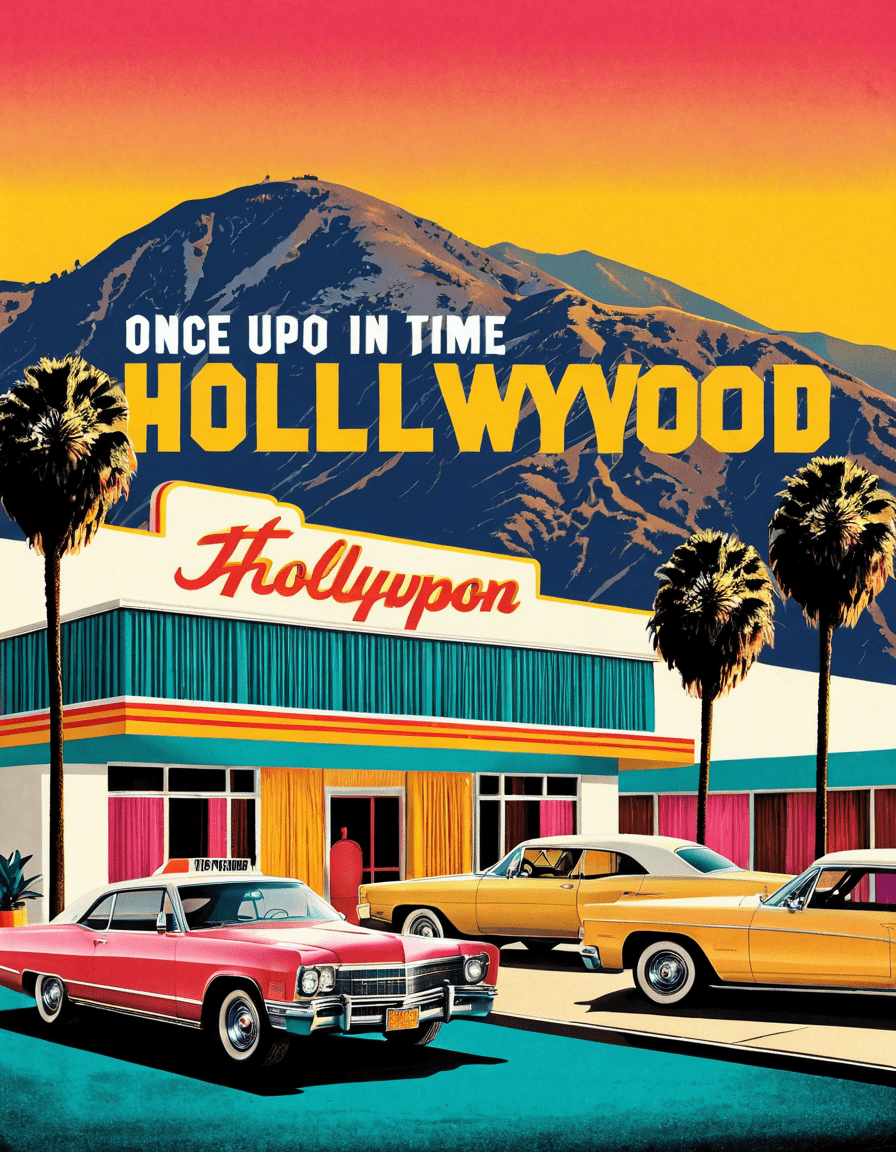
Beyond DiCaprio, Pitt, and Robbie, the supporting cast in Once Upon a Time in Hollywood enriches the narrative tapestry significantly. Al Pacino shines as Marvin Schwarz, offering a charismatic look at the business side of Hollywood, while Bruce Dern as George Spahn adds an unsettling authenticity to the story. Each actor contributes a unique perspective, deepening the film’s exploration of its themes.
Even characters with little screen time, such as Dakota Fanning as Lynette “Squeaky” Fromme, leave a lasting impression. The vibrancy and authenticity of these performances create a layered viewing experience, emphasizing the ensemble nature of the film. As viewers depart the theater, they’re often left reflecting on the collective impact of these narratives rather than just individual ones.
Echoes of ‘Once Upon a Time in America’
The themes of nostalgia and decay resonate strongly with Sergio Leone’s classic Once Upon a Time in America. Both films grapple with the passage of time and the elusive nature of dreams alongside darker realities. While Tarantino’s homage to the 1960s revels in the beauty of golden-era Hollywood, Leone’s portrayal of New York City’s tumultuous history carries a weighty gravitas.
In both cases, the filmmakers effectively capture the essence of bygone eras, weaving together threads of glory and disillusionment. Although Culminating in vastly different settings, both movies underscore the fragility of greatness and the inevitability of decline. This thematic kinship offers a memorable connection between two cinematic landmarks, illustrating the profound stories each offers.
Lasting Cultural Impact
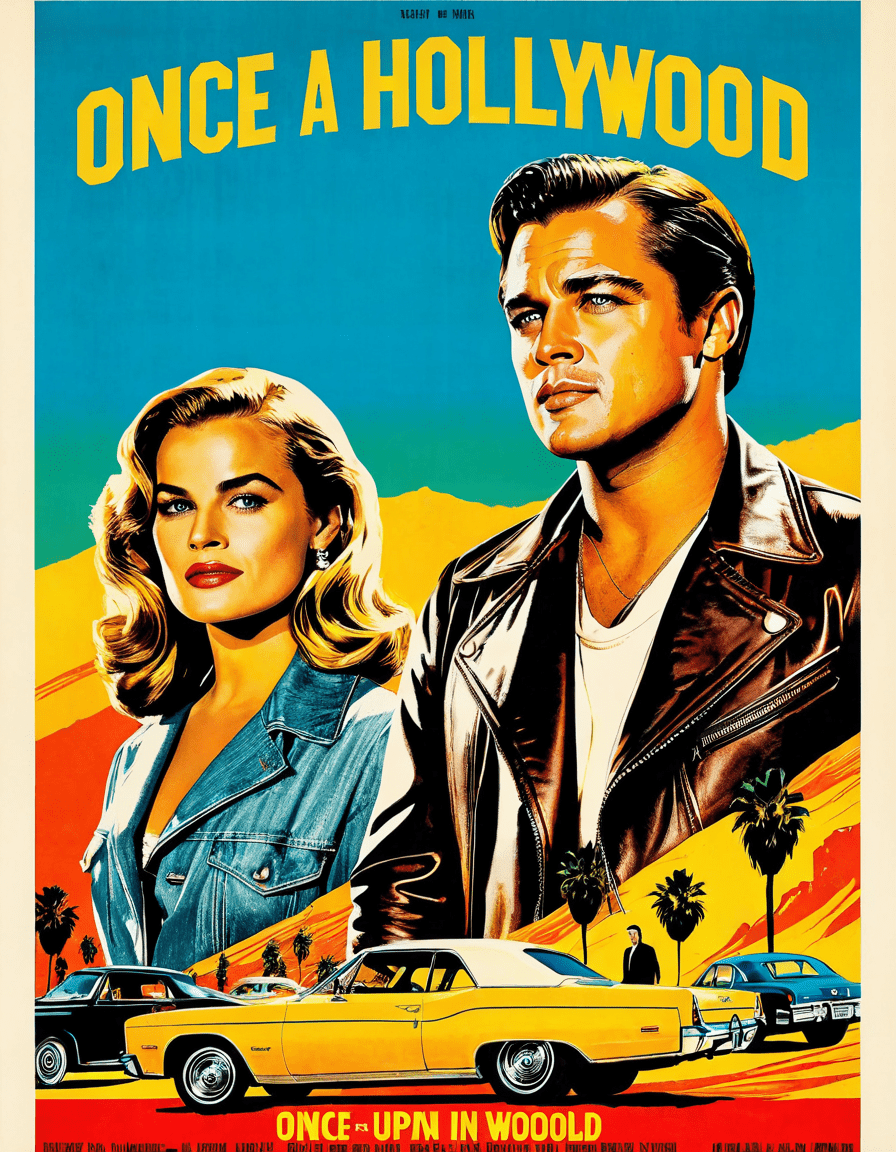
Since its release, Once Upon a Time in Hollywood has shaped contemporary pop culture, triggering discussions about genre, nostalgia, and historical representation. The film re-ignited interest in the overlooked sectors of Hollywood history, inspiring documentaries, articles, and even academic studies. Tarantino’s intricate storytelling acts as a catalyst for dialogue, prompting both casual viewers and critics to engage with the art of cinema on a deeper level.
As the years progress towards 2026, the star power of Once Upon a Time in Hollywood remains as striking as ever. Its blend of entertainment, reflection, and critique positions it as not just another movie but as a vital cultural artifact. With its exploration of celebrity and the art of storytelling, audiences continue to ponder what narratives remain untold in a landscape irrevocably shaped by time.
Ultimately, Once Upon a Time in Hollywood stands as a poignant reminder that while the allure of fame may be fleeting, the stories woven around it offer eternal resonance. As viewers reminisce about the lives of those they once adored, they understand: some tales will never truly fade away.
‘Once Upon a Time in Hollywood’ Captivates with Star Power
A Star-Studded Showcase
When you think of big-screen icons, “once upon a time in hollywood” brings a wave of nostalgia with its cameo-heavy storyline featuring legends like Leonardo DiCaprio and Brad Pitt. This flick isn’t just another Hollywood tale; it dives deep into a transformative era of filmmaking and cultural shifts. Interestingly, DiCaprio’s character takes inspiration from real-life actor Rick Dalton, who would’ve been right at home on classic shows like Columbo—filled with relatable drama yet packed with charm. Speaking of classics, the same year “once upon a time in hollywood” was released, many fans were also buzzing about New moon, relishing the latest in vampire romance frenzy.
Going Beyond the Silver Screen
What’s more fascinating about “once upon a time in hollywood” is how meticulously it recreates 1969 Los Angeles. From the historic locations to the funky cars, it’s a love letter to a time gone by, much like some cherished shows which have revisited their settings, such as Into The Badlands. Remarkably, this film has not only reignited interest in the lost Hollywood but even attracted new audiences, making Sinners Showtimes more popular than ever. The literal and metaphorical spotlight shines brightly on Hollywood, inviting movie buffs and casual viewers alike to soak in its splendor.
Fun Behind-the-Scenes Facts
Did you know that this film brought together an ensemble that could rival any blockbuster? With talents like Margot Robbie and even Bradly Cooper making his mark behind the scenes, each actor played an important role that added depth to their characters. And as captivating as Brad Pitt’s laid-back charm and DiCaprio’s intense focus are, there’s also a heartfelt moment that resonates with many: I miss You son. This poignant line serves as a reminder of the personal stories we carry with us, echoing throughout the film. Plus, the filming process itself had a bit of a quirky side; some costumes were made to fit specific measurements, leading curiosity seekers to wonder—ever tried converting from 45cm to inches? Little details like these add layers to the overall experience of “once upon a time in hollywood, showing how laughter and nostalgia truly can coexist in cinema.
In a nutshell, “once upon a time in hollywood” isn’t just about star power; it’s a jig-saw puzzle of shared histories, engaging performances, and little-known treasures that keep viewers coming back for more. Whether you’re revisiting old favorites or exploring new narratives, this movie stands as a bridge between the golden age and the modern cinema we know today.