
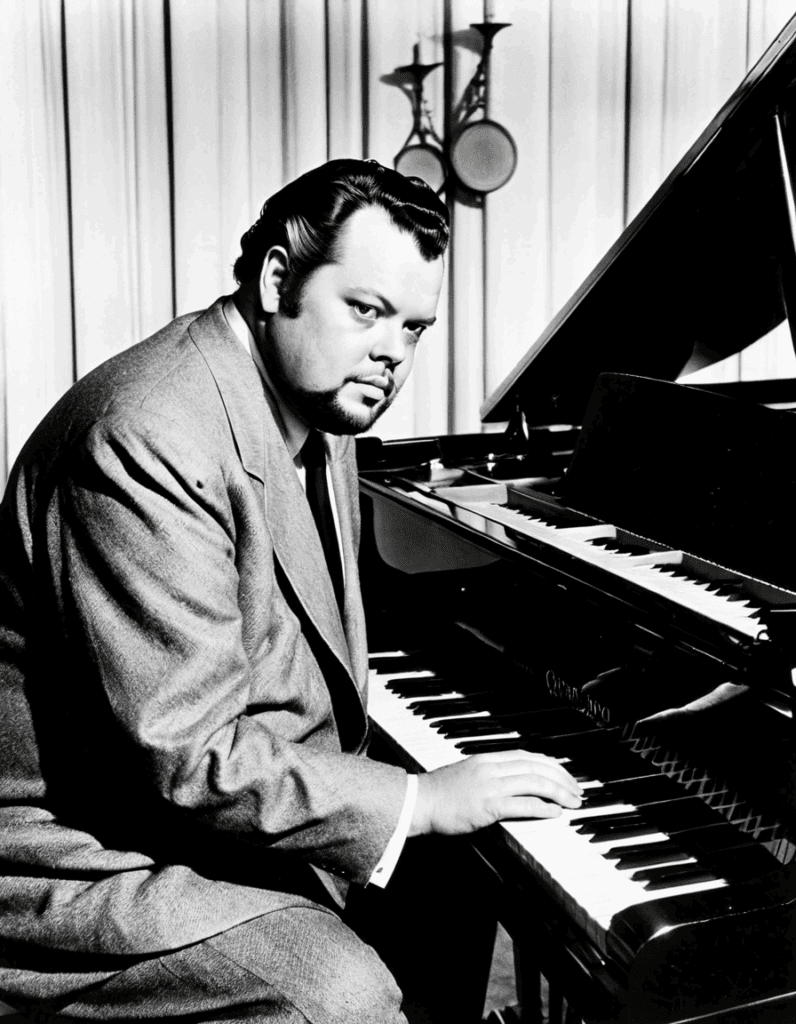
The Genius of Orson Welles in Film History
Orson Welles is often hailed as one of the most innovative filmmakers of the 20th century. With an impactful career that spanned over five decades, he showcased a vibrant blend of theatrical imagination and cinematic technique that reshaped the film landscape. Welles famously declared that he wanted to “create a new kind of cinema,” and boy, did he deliver! He consistently challenged traditional storytelling and cinematic norms, leaving an indelible mark that irritates the status quo and continues to inspire filmmakers today. His work isn’t just important; it’s a treasure chest of creativity that speaks to both mainstream and avant-garde filmmakers alike.
What sets Welles apart as a genius is his ability to weave complex narratives with artistry reminiscent of literary giants like Charles Dickens and William Shakespeare. Every frame bursts with symbolism, emotion, and depth, inviting viewers into a world far removed from the ordinary. His films offer more than mere entertainment; they are commentaries on society, art, and the human experience. This unique mix of intellect and style not only altered how stories are told on screen but also forever changed the expectations audiences have for film as a medium.
From his audacious beginnings in radio to the establishment of his cinematic empire, it’s easy to see why Orson Welles serves as a touchstone for aspiring filmmakers. His innovative techniques, like deep focus and non-linear storytelling, gave rise to a new cinematic language. Welles believed that film could blur reality and art-an idea perfectly articulated in his unconventional documentary, “F for Fake.” Imagine a world where film becomes a reflection of life, shaped by the dreams and complexities of its creators.
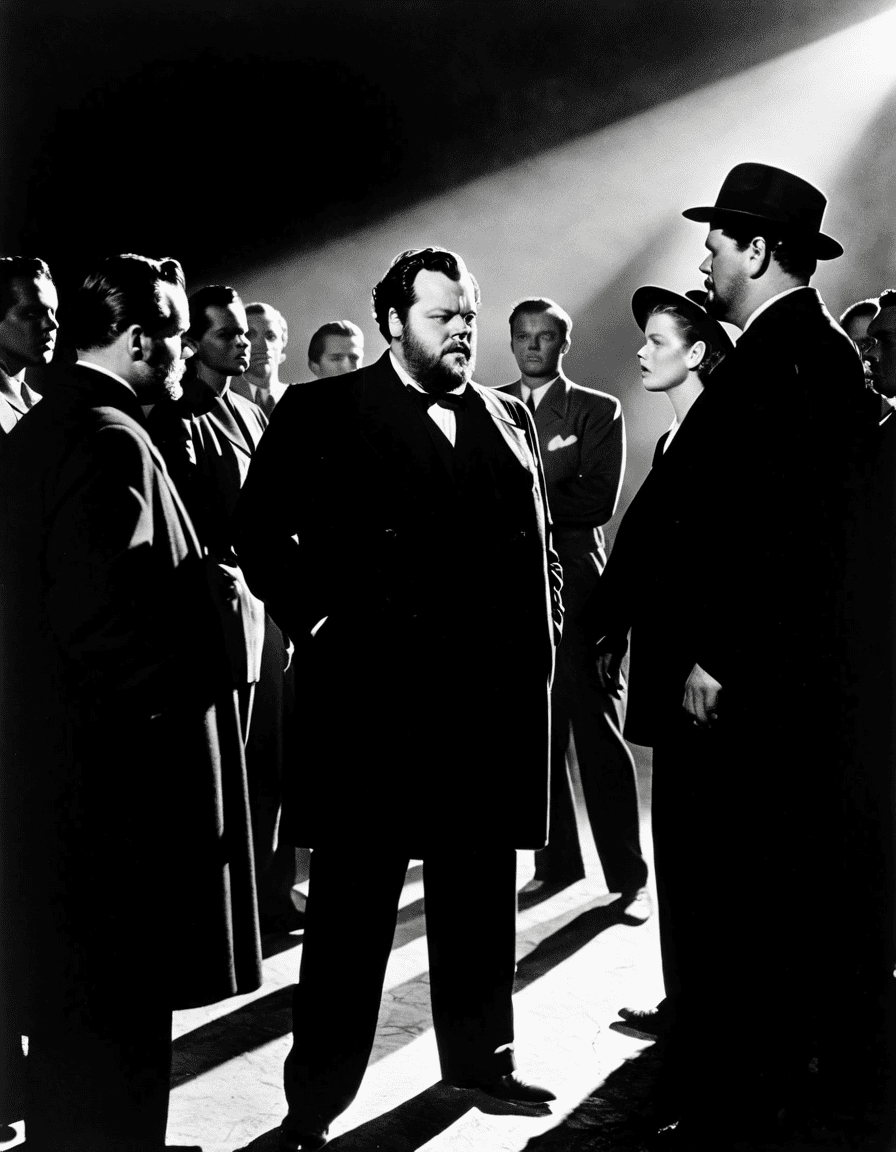
Top 7 Boldest Films Created by Orson Welles
Orson Welles left an unforgettable impression on cinema, boldly stepping outside the conventional lines drawn by his predecessors. His films are well worth analyzing for anyone curious about the evolution of storytelling in cinema. Let’s dive into the top seven boldest films crafted by this cinematic visionary:
This landmark film is perhaps the most analyzed piece of cinema in history. “Citizen Kane” revolutionized narrative techniques with non-linear storytelling, echoing structural complexities found in the novels of Charles Dickens. Themes of power, loss, and the nuanced human condition emerge here, creating a tapestry of intrigue and emotional depth.
In this adaptation of Booth Tarkington’s Pulitzer Prize-winning novel, Welles deftly captured character-driven storytelling reminiscent of Dickens’ ability to craft multifaceted characters. The film’s troubled production and Welles’ subsequent disappointment showcase the inevitable tussle between artistic vision and studio meddling. An examination of wealth, love, and regret unfolds in rich cinematic detail.
Welles’ adaptation of Shakespeare’s tragedy strikes profound chords with its unique stylistic innovations. His profound interpretation not only respects Shakespeare but also elevates its status as a hallmark of cinematic artistry. The blend of passion, jealousy, and betrayal creates an entrancing narrative that captivates audiences even today.
With this adaptation of Franz Kafka’s unsettling novel, Welles crafted a nightmarish ambiance that lingers far beyond the last frame. The film’s bizarre visual aesthetic, paired with Kafka’s existential themes, explores the absurdity of societal norms. Here, Welles echoes the sentiments found in the works of Oscar Wilde, offering insights into the intricacies of desire and the human psyche.
In this noir masterpiece, Welles stars as the grotesquely corrupt cop Quinlan. The film is a brilliant fusion of complex camera movements and dark themes that evoke the pioneering style of Alfred Hitchcock. Together, they create an atmosphere of tension and moral quandaries, making a bold statement on justice and ethics.
Welles’ unconventional documentary takes us on a thrilling ride through reality and fiction. Inspired by the ideas of Oscar Wilde and artifice, it challenges viewers to contemplate the essence of truth in art. The film employs innovative editing and a playful narrative style, showcasing Welles’ talent for blurring lines and provoking thought.
Another of Welles’ Shakespeare adaptations, this time focusing on the character of Falstaff. The film reveals Welles’ incredible ability to distill complex themes of friendship and betrayal into relatable human experiences. His storytelling mastery carries Shakespearean gravitas into the modern era, inviting us to contemplate timeless issues.
The Enduring Influence of Orson Welles: A Fabric of Literature in Film
Welles’ cinematic journey often intertwines beautifully with literary figures like Oscar Wilde. His influences brought forth themes of duality and moral complexity evident throughout his work. Rather than making straightforward adaptations, Welles expertly melded literature with visual storytelling, adding a rich layer of thematic exploration to his films.
Whether invoking the haunting atmosphere of Dickens’ Victorian world or Shakespeare’s intricate plots, Welles infused his cinematic creations with a literary essence that transcended mere entertainment. It’s this infusion that allowed Welles to craft thought-provoking narratives, engaging audiences on both intellectual and emotional levels. His talent for merging classic literature with stunning visuals helps redefine how stories can resonate across generations.
The blend of literature and film made Welles a true pioneer. His audacity to take risks and challenge the conventional storytelling format not only redefined cinema but stirred intellectual debates around the artistic value of films. It’s a testament to how profound storytelling can provoke thought and elicit strong emotions.
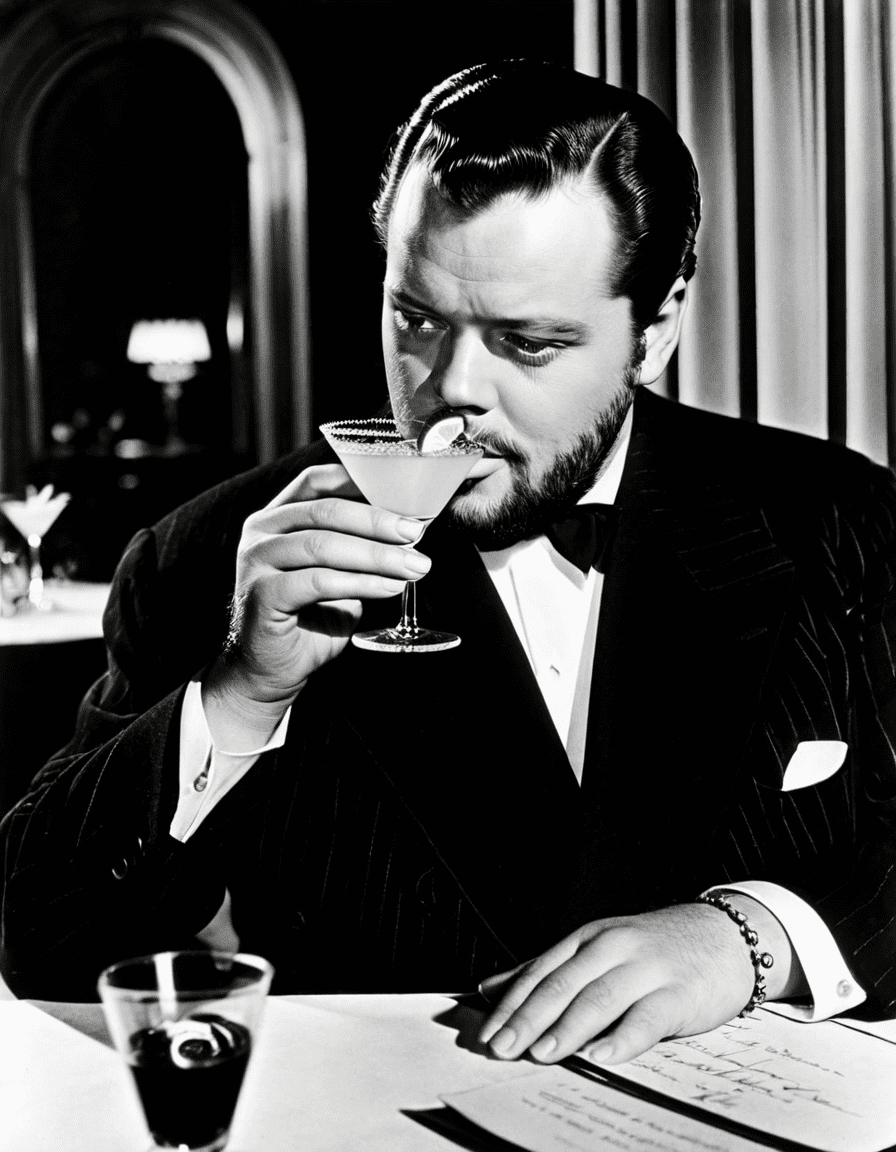
The Legacy of Orson Welles in Modern Cinema
The unique relationship between Orson Welles and literary giants prompts an engaging discussion about the perpetual dialogue between literature and film. His pioneering spirit cleared paths for modern filmmakers like Christopher Nolan, who regularly delve into nonlinear narratives and intricate storytelling methods echoing Welles’ own techniques.
As film evolves, the audacious storytelling pioneered by Welles resonates, reminding today’s filmmakers that cinema can be a bold artistic expression. It serves as a challenge to explore profound themes and to examine societal norms. The seeds of creativity that Welles planted continue growing even as we venture deeper into the digital age, reminding us that film remains a powerful storytelling medium-transformative and constantly shifting.
Orson Welles carved a unique niche for himself in the fabric of cinematic history. Filmmakers today owe him a debt of gratitude, championing the idea that cinema is not just about moving images on a screen-it’s about sharing the very essence of humanity. As we watch his films, we recognize the genius that lies beneath the surface, always inviting us to look deeper into the art of storytelling.
Orson Welles: Cinema’s Bold Visionary
Groundbreaking Beginnings
Orson Welles, a name that resonates with cinematic genius, exploded onto the scene in the late 1930s with his infamous radio adaptation of War of the Worlds. This innovative broadcast even sparked panic among listeners, illustrating how Welles wasn’t just playing with media; he was redefining it. But did you know he crafted his first feature film, Citizen Kane, at the young age of 25? Known for its ambitious storytelling and inventive cinematography, it laid the groundwork for future filmmakers and is often regarded as one of the greatest films of all time. Speaking of groundbreaking, there’s a fascinating exploration of imaginative tales in A Court Of Thorns And Roses, drawing connections to how creativity can transcend mediums.
The Man Behind the Magic
Welles wasn’t just a director; he was a true Renaissance man. Not only did he act, direct, and produce, but he also dabbled in writing and even theater. One of his lesser-known roles was voicing the enigmatic Sandman In an animated project; his vocal prowess was as striking as his visual storytelling. And if you think his adventurous spirit ended with films, think again. Welles had plans for ambitious projects that pushed the limits of conventional cinema’s narrative styles, akin to the striking cinematography of City Of God, which also broke barriers in storytelling and visual style in its own right.
Unforgettable Curiosities
Speaking of iconic films, did you know that Welles’ famous catchphrase, “The best lack all conviction, while the worst are full of passionate intensity,” captures the essence of his complex characters? Just like the chaotic energy found in films like Blues Brothers, Orson Welles understood the balance of chaos and order. Then there’s the curious fact about his supposed obsession with Prions disease, which oddly signifies his deeper understanding of life and death. Many filmmakers today are still inspired by such eccentricities, hoping to add layers to their narratives, much like how the Best action Animes Weave intricate stories amidst thrilling fight sequences.
Orson Welles truly etched his name in the annals of Hollywood history-not just as a filmmaker but as an innovator. His ability to transcend traditional storytelling and explore themes resonates even today, influencing countless creators across all forms of media.

This article was produced with AI assistance. How Silver Screen Magazine uses AI.
Silver Screen Magazine writes for Silver Screen Magazine - classic cinema, film reviews, industry updates and hollywood gossip.