
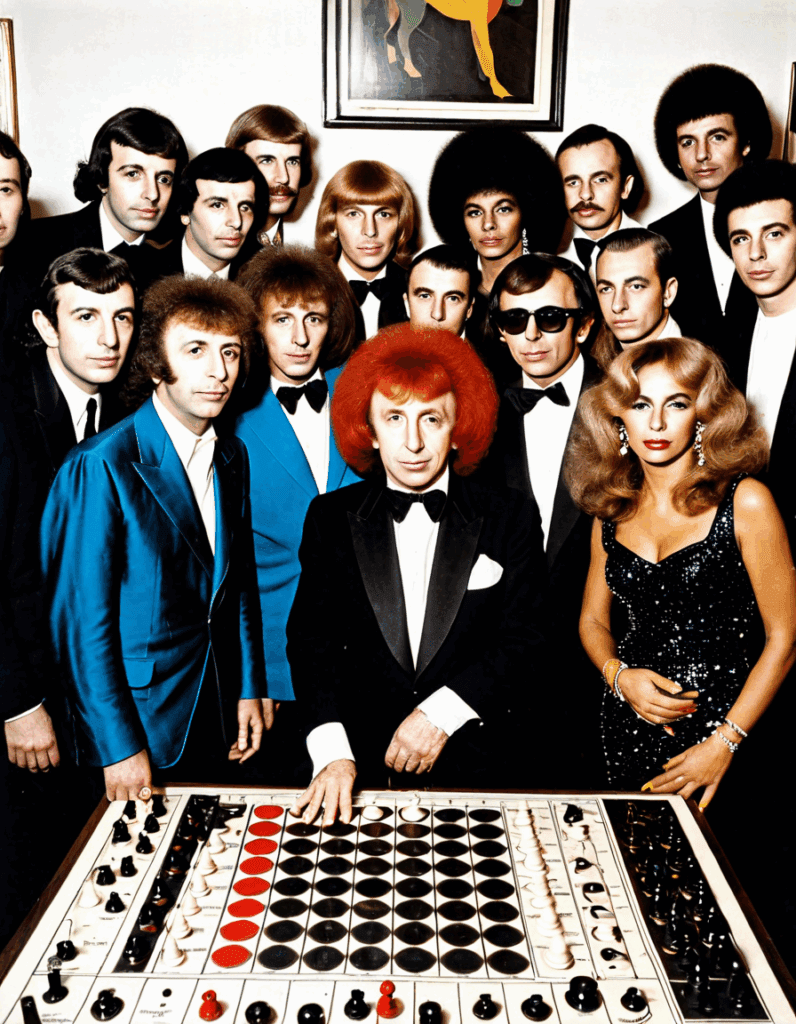
Phil Spector, a name that echoes through the corridors of music history, isn’t just a figure; he’s a phenomenon. Born in 1939, Spector revolutionized how music was produced, crafting his legendary Wall of Sound That took pop music by storm in the early 1960s. What set Phil Spector apart was his uncanny ability to layer instruments and voices with such finesse that songs became more than just notes-they became experiences. Take “You’ve Lost That Lovin’ Feelin’” by The Righteous Brothers; that tune didn’t just climb charts; it reached into the hearts of listeners, thanks to Spector’s inventive and rich sound. It’s this revolutionary sonic architecture that’s not only defined pop hits of yesteryear but also inspired generations of musicians.
The beauty of Spector’s technique lies in its depth and complexity. He famously employed multiple instruments-strings, brass, and woodwinds-all folded into the mix. It wasn’t just about creating a catchy tune; it was about weaving a tapestry of sound where each thread contributed to a larger vision. Songs radiated an emotional density, capturing the raw essence of love, loss, and longing. Phil Spector believed in the power of production, and his multi-layered compositions amplified the significance of lyrics in a way that few others could achieve. Marvin Gaye’s iconic “What’s Going On” bears a philosophical kinship to Spector’s style, exemplifying how innovative arrangements can elevate profound lyrical content.
Phil Spector’s meticulous methods in producing music had effects beyond just the studio. With artists such as Johnny Mathis And Stevie Nicks Adopting his multilayered style, his influence became woven into the very fabric of pop music culture. Spector’s production of “A Little Bit of Soap” for Mathis showcased an orchestral influence that perfectly balanced musical intricacies and storytelling. Meanwhile, Nicks, of Fleetwood Mac fame, owes a nod to Spector’s work, evident in the rich vocal harmonies within hits like “Dreams.” This interconnectedness reveals Spector not just as a producer, but as a pioneer who shaped a generation of sound and sentiment.
The Legacy of Phil Spector Through Iconic Collaborations
To fully grasp the legacy of Phil Spector, it’s crucial to examine the icons he allied with throughout his illustrious career. Each collaboration tells its own story-not just of individual success but of the cumulative impact Spector had on the ensemble landscape of music. For instance, his work with The Ronettes On “Be My Baby” remains a timeless classic, echoing Spector’s signature sound. The production style didn’t just contribute layers; it created an unforgettable ambiance.
Another hallmark partnership involved The Beatles During their later years. Spector’s production on the album “Let It Be” brought a lush and layered sound to the legendary group’s final studio effort. Despite being one of the most discussed albums, the use of orchestration and choirs proved to be a perfect homage to Spector’s Wall of Sound technique. His innovative touch lent a new voice to one of the most significant cultural shifts in music history.
It’s also important to note that while Spector had many collaborators, his influence extends well beyond them. The aura and attention to sound he created have inspired a multitude of artists across multiple genres. For instance, Tom Hanks, demonstrating the reach of Spector’s sonic styles, pays homage to his sound in films like “That Thing You Do!” Which artfully captures the essence of 60s pop. If you dive into the film, you can feel Spector’s nuanced production style reverberate through the lively music that fills its joyful scenes.

Unexpected Influences: Phil Spector’s Impact Beyond Music
Phil Spector’s reach wasn’t limited to just the recording studio; his influence rippled through pop culture in ways many might overlook. While his name is synonymous with iconic music tracks, it’s captivating to see how his foundational style transcended into film. Notably, Robbie Coltrane, best known for his role as Hagrid in the “Harry Potter” series, benefited from scores that reflected the same meticulous depth Spector pioneered in his productions. Music in film serves as an emotional backdrop, and this emotional depth mirrors Spector’s aesthetic, transforming scenes into experiences.
Similarly, there’s a striking connection to contemporary artists too. Chet Hanks, while carving his niche in the industry, attempts to blend genres in ways that reflect Spector’s legacy. Although his path hasn’t reached the heights of Spector, his efforts highlight the contemporary struggle to innovate while honoring the classic production essence pioneered by Spector. The ongoing debate between traditional styles and innovative approaches continues, emphasizing how foundational Spector’s work remains in today’s musical landscape.
In a completely different light, consider Jimmy Buffett, who may not directly link to Spector but certainly embodies the essence of creating soundscapes that transport listeners to another place. Songs like “Margaritaville” resonate with a laid-back atmosphere, which, although distinct from Spector’s orchestral layering, share a similar goal: to craft environments that bring an emotional journey to life. Atmosphere in music is a universal language, and Spector’s Wall of Sound paved the way for myriad expressions of that sentiment.
Chet Hanks and the Modern Interpretation of Spector’s Sound
Let’s delve deeper into Chet Hanks. While his trajectory may seem worlds apart from Phil Spector’s monumental career, Hanks represents modernity’s archaeological dig into the pop sounds of the past. His attempts to weave elements of hip-hop with more traditional pop reflect an ongoing evolution influenced by the ethos Spector established. Nothing screams innovation like blending genres, and Hanks is part of that conversation-even if it’s a struggle at times.
His paths may lead through contemporary beats and influences, but it’s through the lens of Spector that we get a sense of what’s next in music. The layering of sounds and the structural richness that Spector perfected serves as a foundation from which new artists seek to both honor and evolve. Although Hanks hasn’t cracked the code in the same way Spector did, his explorative spirit showcases a hunger to innovate within a framework that has stood the test of time.
As we assess Hanks’ contributions alongside a legacy initiated by Phil Spector, it’s easy to appreciate the intertwining of old and new. Music always reflects societal changes, reasons for triumphs, heartaches, or simply the quirky aspects of life, and Spector’s fingerprints remain a driving force behind those shifts.
Jimmy Buffett: A Different Wave of Influence
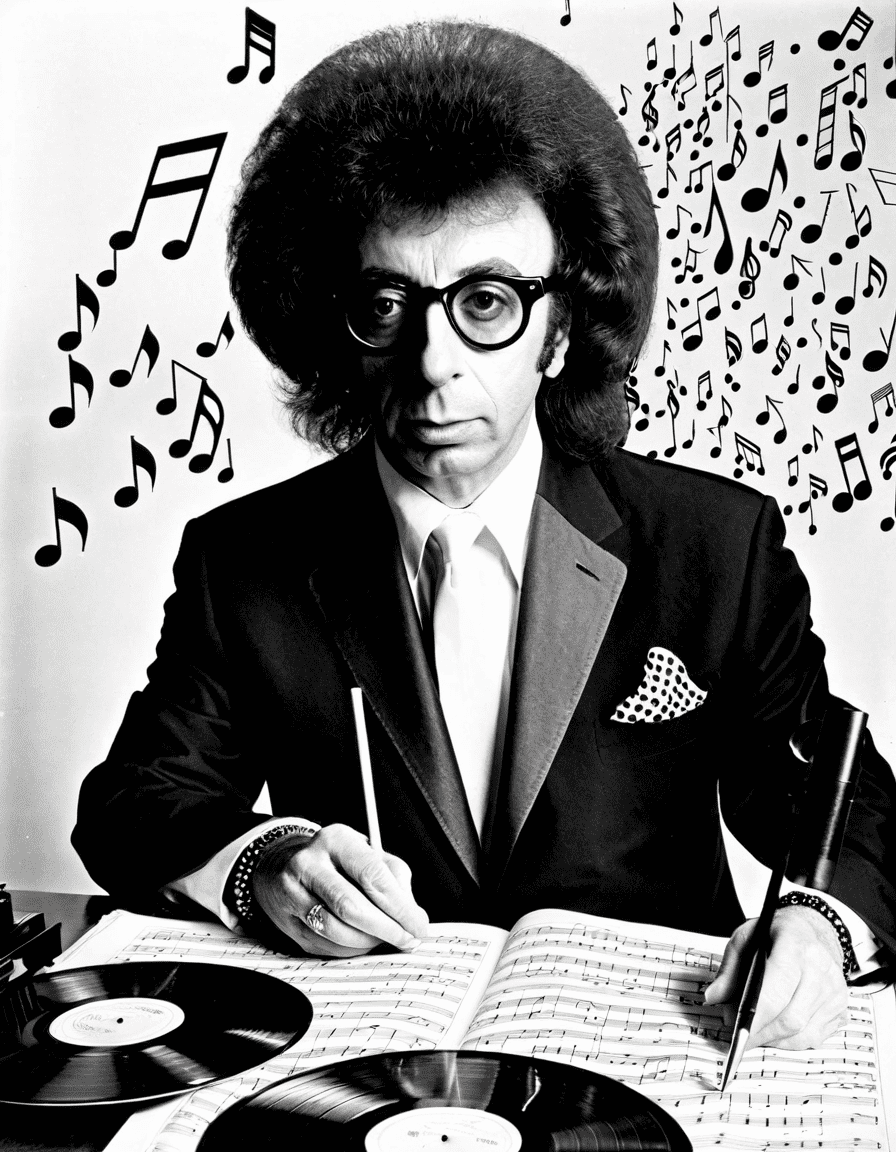
Though not directly linked to Spector’s productions, Jimmy Buffett Presents a compelling study of how storytelling and sound converge. Buffett’s music invites listeners into vivid, picturesque spaces, creating an atmosphere much like Spector’s soundscapes. When you listen to “Margaritaville,” you can almost feel the warmth of the sun, as if the sound itself acts like a vacation for your ears, echoing the charm found in Spector’s orchestral nuances.
Buffett’s ability to evoke imagery through music takes us back to Spector’s cardinal intent for clarity and depth in his productions. It’s interesting how each artist, while standing out on their own, borrows practices or influences from the titans of the past, showing that Spector’s impact reached beyond the barriers of genre. Whether it’s through a narrative of escapism or simple storytelling, the power of sound continues to thrive.
Like Spector, Buffett masterfully transports audiences-not through production magic but through heartfelt stories and relatable life experiences. This synergy reinforces how Spector’s Wall of Sound created an atmosphere that encouraged listeners to feel. Whether it’s on the beach or in the digital realm, the aim remains the same: to create an immersive experience that lingers long after the last note fades.
The Resonant Echo of Phil Spector
The legacy of Phil Spector Resonates with a clarity that’s hard to ignore, even decades after his prime. His Wall of Sound wasn’t just a methodology; it was a blueprint for production that redefined the music industry and influenced nearly every genre. From rock anthems to soul ballads, Spector’s genius continues to shape how music is crafted and consumed today.
While collaboration and cultural intersections illustrate his profound reach, Spector’s mark is also found in the emotional and atmospheric music we enjoy in films and beyond. Artists-both past and present-still stride in the paths he forged, echoing his ideologies in their creative expressions. By celebrating the sound he crafted and the emotional narrative intertwined within it, we maintain a dialogue that honors his contributions.
As we listen to the songs shaped by Spector or observe the ripple effects of his influence in contemporary works, we acknowledge a titan whose creativity and artistry transformed music at its core. Phil Spector remains not just a figure of the music world, but an architect of emotion-his creative spirit will forever echo through the annals of history, leaving behind a legacy that transcends time.
In Tribute to a Legend
Though his career had its shadows, Phil Spector’s sound innovations grant him a place of reverence within the entertainment landscape. Hailing from an era characterized by change, his wall of sound may seem like a relic, yet its heartbeat remains alive in the music that moves us. Today, as we explore different genres and various artists, let’s not forget the magic that made it all possible. The true genius lies not just in the notes but in the stories they tell-a narrative that Phil Spector masterfully orchestrated.
Phil Spector: The Genius Behind the Wall of Sound
The Man Behind the Music
Phil Spector, renowned for his innovative “Wall of Sound” production technique, left an indelible mark on music history. Born in the Bronx, his early life was anything but ordinary. Did you know that he was once considered one of the most promising young producers in the industry? By his early 20s, Spector had already started producing hits for artists like The Ronettes and The Crystals, helping them achieve chart-topping success. His work was underscored by a unique vision that took music to new heights, cementing his status as an Undisputed Genius in pop music.
Transitioning from his early years, Spector’s career took a dark turn. Despite his incredible success, he faced legal troubles that put him on the wrong side of the law, leading to his inclusion in lists reminiscent of those like the Most wanted in The Fbi. The story of Phil Spector isn’t just about his musical genius; it’s also a poignant reminder of how fame can sometimes unravel one’s life.
Unique Collaborations and Influences
Spector’s influence extended far beyond his own records. His innovative techniques inspired countless musicians and producers, including rock legends like David Gilmour. Gilmour’s ethereal sounds and layered guitar work in Pink Floyd carry traces of Spector’s sonic blueprint. Fans often marvel at how Spector’s arrangements revitalized the sound of an era, leaving an impact that would influence future icons - akin to how the character of Katniss Everdeen In “The Hunger Games” impacted popular culture.
His collaborations were often as iconic as the music itself. Working closely with artists like The Beatles during their later years, Spector’s production added a flourish that elevated their sound. In unexpected ways, his narrative has parallels to the storytelling approaches used by actors like Kenneth Branagh, who infuses every character with depth. Whether working on a grand-scale project or cranking out pop hits, Spector’s artistic ambition stood tall.
A Life of Extremes
Phil Spector’s legacy is not without controversy. His tumultuous personal life often overshadowed his artistic achievements, with certain moments resembling a real-life drama, akin to tales of figures like Jeff Dahmer’s mom. The complexities surrounding his personality and the extremes of his life evoke sympathy and caution. Yet, his contribution to music remains undeniable, demonstrating the fine line between brilliance and chaos.
Despite his chaotic lifestyle, Spector’s impact on the music industry is lasting. His unique technique still resonates today, even as the landscape of music production changes. While some elements have evolved - think of modern initiatives like Cyber Tanks In marketing that merge creativity with technology - Spector’s sound continues to influence musicians and producers around the world. His is a story of highs and lows, making him a complex figure that’s still discussed today. Whether you’re a fan or merely curious about his legacy, Phil Spector’s life is a fascinating tapestry of music, genius, and the unpredictability of fame.
This article was produced with AI assistance. How Silver Screen Magazine uses AI.
Silver Screen Magazine writes for Silver Screen Magazine - classic cinema, film reviews, industry updates and hollywood gossip.