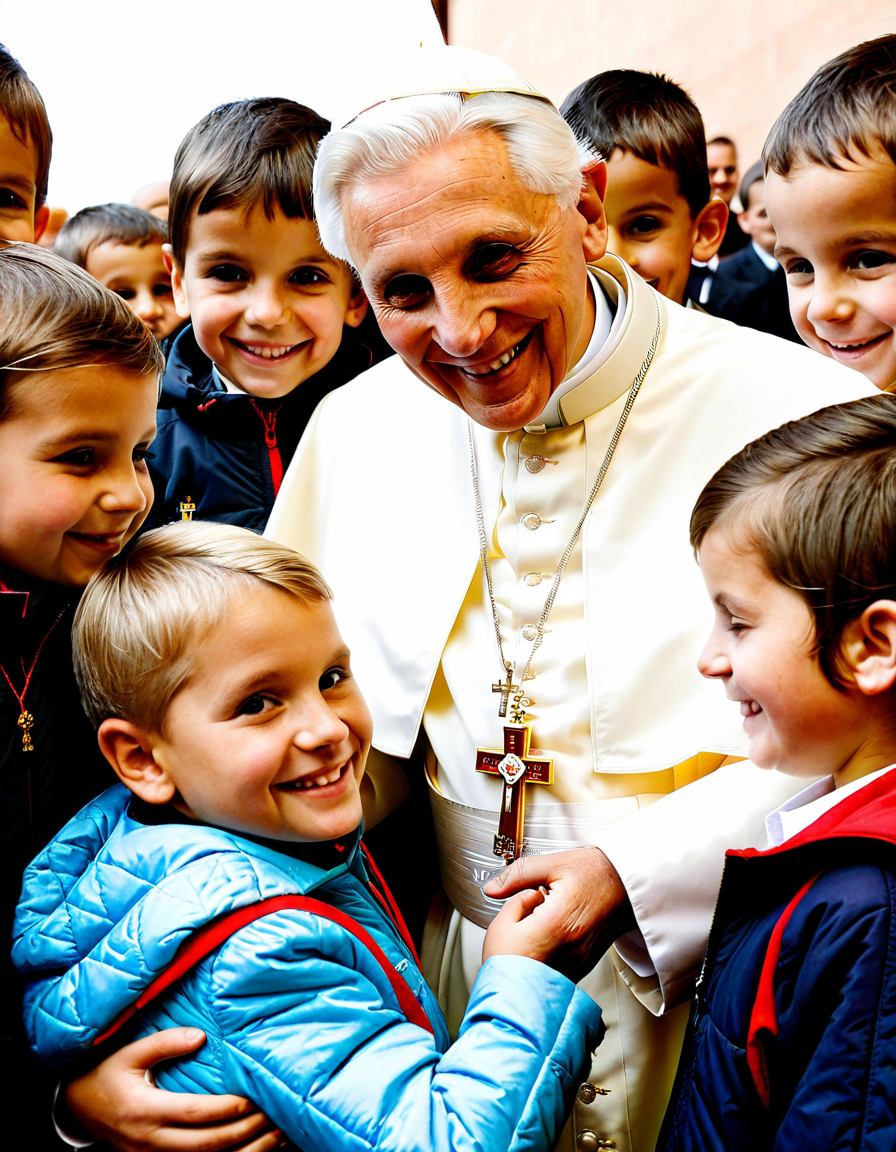
Pope Benedict XVI, born Joseph Ratzinger, became a pivotal figure in the Catholic Church when he took the papal mantle in 2005. His emergence followed the monumental era of Pope John Paul II, a leader with undeniable charisma and global influence. While John Paul II pioneered the Church’s outreach to modernity, establishing an indelible mark through a vigorous activist approach, Benedict marked a contrasting tone in leadership, embracing a contemplative understanding of faith.
Benedict’s papacy wasn’t just a continuation; it was a redefinition of leadership style. This nuanced approach emphasized intellectual engagement with contemporary issues, a commitment to Catholic doctrine, and a deepening of interfaith dialogue. His era laid the groundwork for Pope Francis, another transformative leader, who brought compassionate inclusivity to his vision of the Church.
As we delve deeper into the significant influences of Pope Benedict XVI, his legacy is rich with intellectual vigor and a steadfast commitment to tradition. Benedict’s understated yet profound style has impacted the Church’s journey through the turbulence of contemporary social dynamics, creating a legacy that resonates not only within the Vatican walls but also across the broader religious landscape.
The Top 5 Key Influences of Pope Benedict XVI on the Catholic Church
1. Emphasis on Rational Faith
Pope Benedict XVI advocated for a faith that engaged the mind, aligning closely with the teachings of St. Augustine and St. Thomas Aquinas. By emphasizing a balance between faith and reason, he rekindled theological discussions that often take a backseat in religious circles. His approach fostered a more profound, intellectual dialogue, which significantly influenced the later pastoral outreach of Pope Francis, who expertly wove reasoned debate into his embracing stance on modern faith issues.
2. The Motu Proprio: Latin Mass Reinstatement
In 2007, Benedict issued the motu proprio “Summorum Pontificum,” allowing the widespread use of the Latin Mass. This bold decision signified his dedication to traditionalists within the Church, a clear juxtaposition to some of the progressive reforms advocated for by Pope Francis. By reigniting these age-old liturgical practices, he opened the floodgates for debates on modernization versus tradition. The implications of this decision reverberate within the Church, sparking discussions that remain vibrant today.
3. Promoting Interfaith Dialogue
Benedict’s influential 2006 Regensburg Lecture stirred the pot regarding faith and reason, especially in relation to Islam. It served as a catalyst for discussions across cultures and religions, generating dialogue and understanding. His efforts paved the way for Pope Francis’ commitment to fostering interfaith engagement, as demonstrated through his meetings with leaders from various faith backgrounds, validating the importance of dialogue in achieving peace and mutual respect.
4. Focus on Moral Theology
Benedict XVI’s emphasis on moral clarity created a strong foundation for addressing pressing social justice issues. His encyclical, Caritas in Veritate, adeptly linked Catholic teachings with contemporary ethical dilemmas, from bioethics to economic disparities. This unwavering focus has significantly shaped the Church’s stance in global discussions, not only informing Pope Francis’ advocacy for social justice but anchoring the Church’s voice in critical moral debates.
5. Reforms in the Curia
Benedict made strides in reforming the Vatican bureaucracy, aiming for transparency and accountability within the Curia. He addressed internal dysfunctions, laying crucial groundwork for Pope Francis’ more radical reform initiatives. Though Benedict’s pace was cautious, his effort to instill a culture of integrity has offered a guiding light for future leaders navigating the intricacies of Church governance.
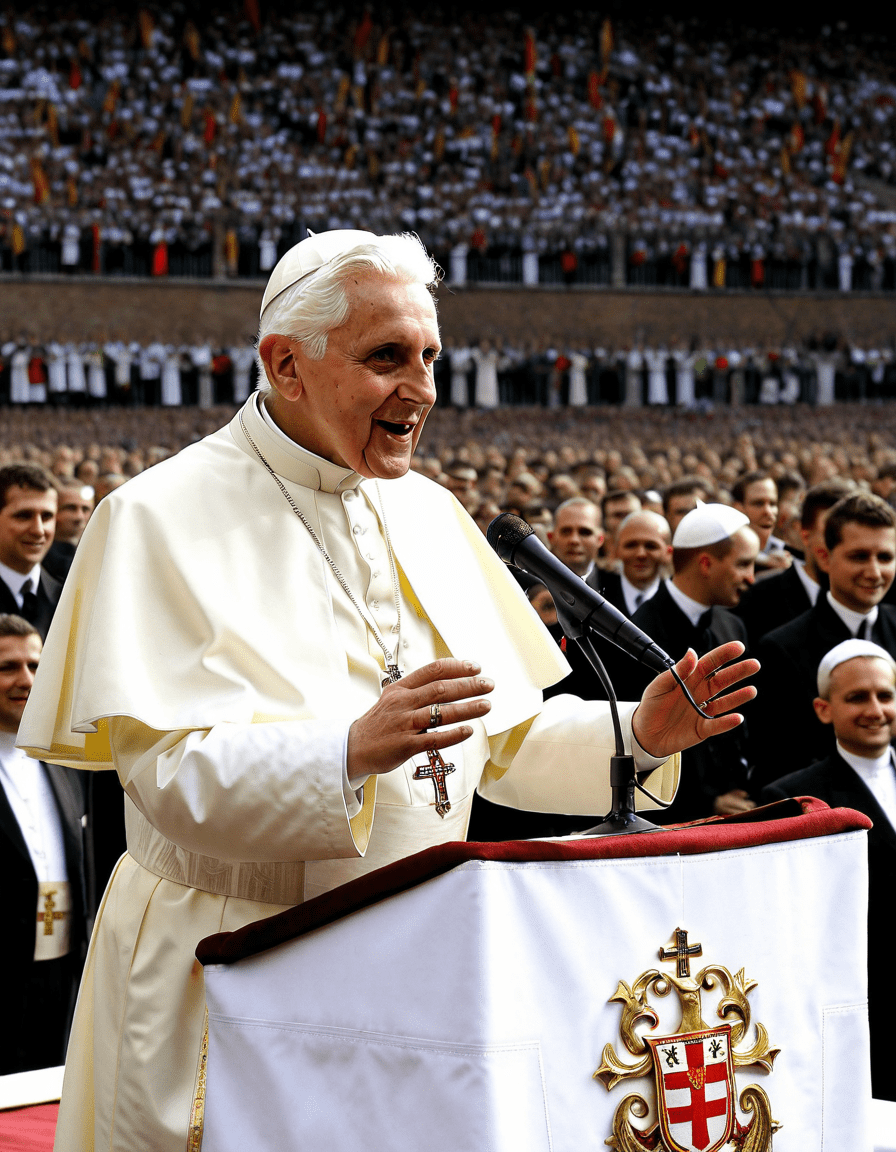
The Lasting Legacy: Pope Benedict XVI’s Influence on Pope Francis
Pope Francis embodies a vision rooted in compassion and empathy, a continuity of Benedict’s broader theological depth but expanded to embrace modern social justice issues actively. Their papacies illustrate both contrast and continuity—Benedict’s contemplative approach juxtaposes Francis’s dynamic engagement with contemporary societal challenges. Together, they weave a rich tapestry that underscores the importance of theological exploration, informing the papal mission for years to come.
Addressing the Schism: Modern Challenges to Catholic Unity
Benedict XVI’s papacy experienced tensions, especially with traditionalist factions like the Society of St. Pius X, rejecting many reforms of Vatican II. This ongoing clash over liturgical practices and doctrinal interpretations highlights a significant challenge for the Church, as it seeks unity amidst diverse perspectives. Both Benedict and Francis must reckon with these divides, illustrating the intricate landscape leaders must navigate in shaping Church identity and unity.
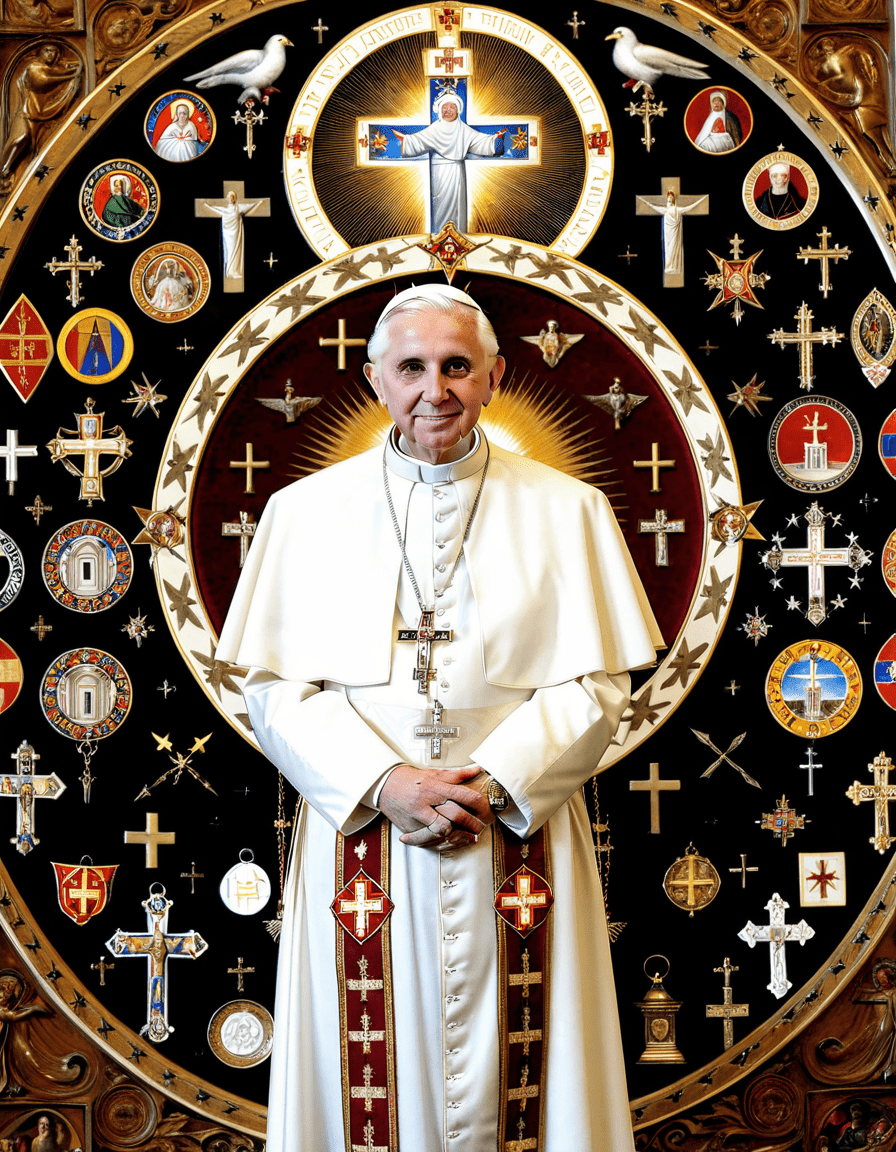
A Reflection on the Future of Catholicism
Reflecting on Pope Benedict XVI’s influence alongside Pope Francis reveals a path forward for Catholicism, resting in its ability to meld tradition with the pulse of contemporary society. Future Church leaders will likely pull inspiration from Benedict’s intellectual framework while also responding to the ever-shifting cultural currents shaping faith practices. The legacy of Pope Benedict XVI, with its profound depth, will continue to resonate in shaping a viable Church narrative that can endure the rigors of modernity.
With a unique blend of theological insight and unwavering conviction to tradition, Pope Benedict XVI leaves a lasting legacy that reshapes the path of the Catholic Church. His contributions will resonate through the actions of future ecclesiastical leaders tasked with managing the delicate balance between faith and modernity. In an era increasingly characterized by complexity and change, the reflections of both Benedict and Francis will inform a vibrant and crucial dialogue essential for the Church’s future.
Pope Benedict XVI has played an instrumental role in forming a narrative that ties together tradition, intellectualism, and social relevance, shaping an indispensable foundation for the generations that follow. As history reveals itself, his influence will ignite discussions and frame issues, compelling the Church to confront its challenges with both courage and conviction.
Pope Benedict XVI: Trivia and Interesting Facts
A Scholar in the Spotlight
Pope Benedict XVI, born Joseph Ratzinger, wasn’t just a religious leader; he was also an esteemed theologian with deep intellectual roots. Before becoming pope, he spent years in academia, taking on a role that many would say rivals that of a modern-day academic celebrity. Interestingly, his love for study mirrors the dedication seen in popular culture figures like Nikolaj Coster-Waldau, who balances his acting career with a passion for learning. This dedication to knowledge has influenced millions, much like the impact of beloved characters such as Mario And Luigi, who represent themes of adventure and perseverance.
A Papacy of Controversies and Triumphs
During his papacy, Pope Benedict XVI faced a whirlwind of challenges, from clergy abuse scandals to interfaith dialogues. Yet, he approached these contentious issues with a sense of grace and purpose. The world watched, much like fans kept tabs on popular TV dramas such as 9-1-1 Lone Star, where characters navigate complex personal and professional storms. Notably, Pope Benedict XVI was an advocate for environmental stewardship, a theme resonant in today’s society, reminiscent of characters in film adaptations like Uglies, where society grapples with ideals of beauty and acceptance.
A Legacy Beyond the Papacy
After stepping down, Pope Benedict XVI became the first pope in nearly 600 years to resign, a move that many found surprising. This decision drew comparisons to famous public figures tackling unexpected changes in their careers, akin to Cher’s resurgence and evolution in music with the release of “Believe.” What’s even more fascinating is that even in retirement, he continued to influence discussions on faith and morality, taking on the role of a guiding figure much like a mentor in a series such as Harry Potter 7, where wisdom plays a crucial part in the characters’ journeys. Pope Benedict XVI’s legacy remains significant today, echoing in the hearts of many, ensuring that his influence will not fade away easily.