## Salems Lot: Terrifying Vampires and Haunting Legacy
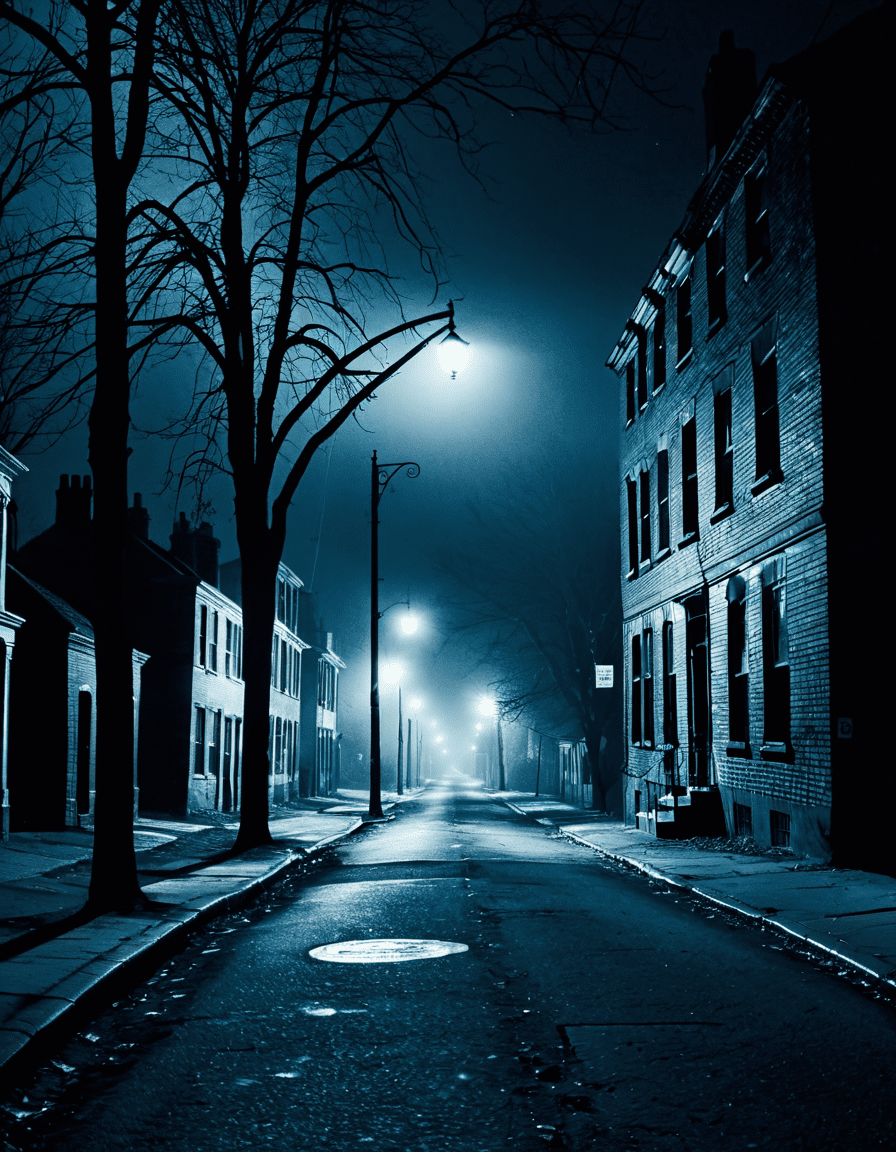
Salem’s Lot, Stephen King’s seminal work, first published in 1975, has captivated readers and viewers alike with its blend of horror and small-town drama. Set in the fictional town of Jerusalem’s Lot in Maine, the story dives deep into the eerie and haunting atmosphere that surrounds the arrival of vampire forces. Imagine a place where the familiar becomes the frightening and fear lurks behind friendly faces. The novel serves not only as a horror tale but also as a commentary on the decay of community and humanity’s struggle against darkness—a classic theme that resonates throughout King’s oeuvre.
As we unfold the pages of this gripping narrative, we encounter the eerie quiet of a small town disturbed by the unsettling shadows of something sinister. King’s craftsmanship paints a vivid picture of decay intertwined with dread, setting the stage for a plausibly horrifying reality. Themes of isolation, fear of the unknown, and collective ignorance unfold like a dark blanket over the town, transforming it from a seemingly placid place to a nightmarish landscape. There’s magic in the words, echoing the human experience of battling inner demons and external threats, making Salem’s Lot a compelling exploration of fear itself.
The chilling legacy of Salem’s Lot endures, and its impact echoes through the ages as anxiety about societal issues continues to grip the modern audience. It’s become more than just a story of vampires; it reveals the depths of human evil and the fragility of community, cementing its legacy as a must-read for horror aficionados.
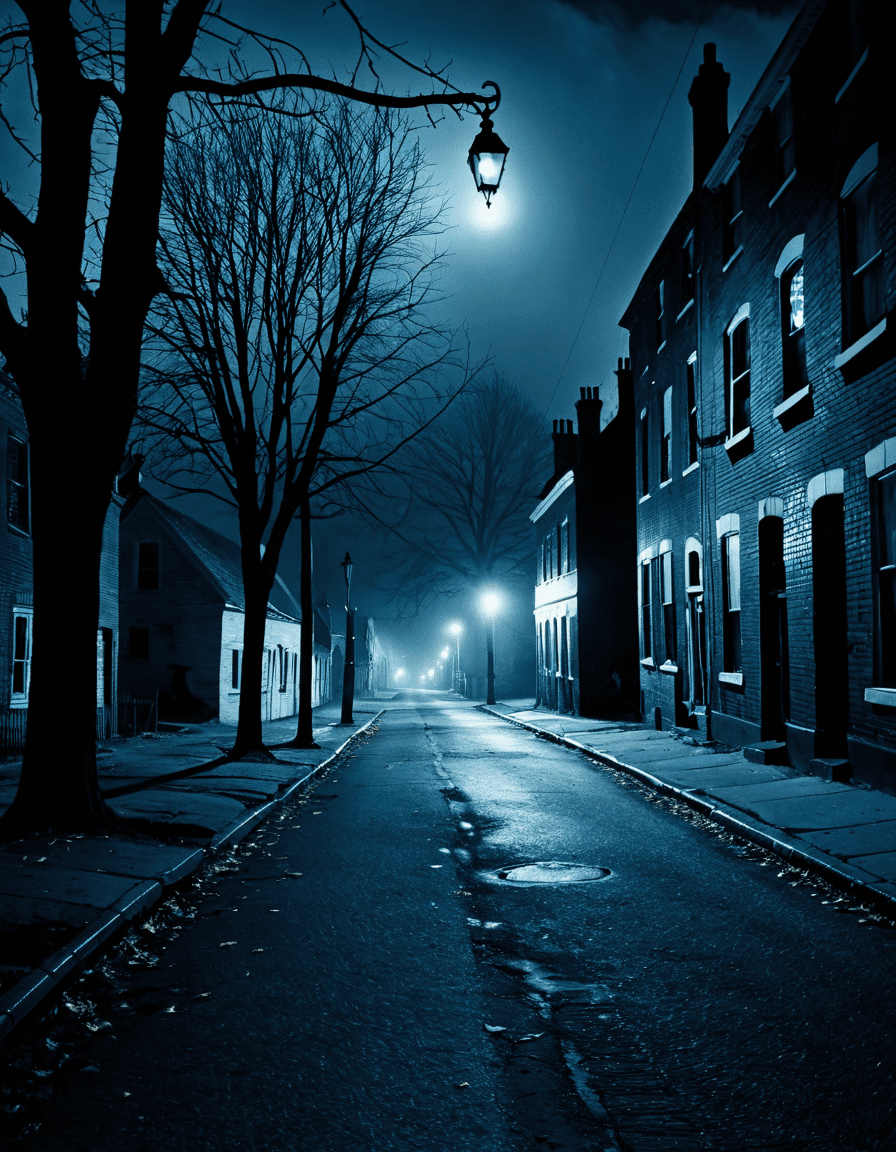
1. The Haunting Foundation of Salem’s Lot
It’s hard to ignore the chilling foundation Salem’s Lot provides, with rich details that draw readers into both its narrative and its thematic depths. Humanity grapples with its darkest instincts as innocent lives are marred by insidious forces. King expertly weaves the supernatural with the mundane—the creeping dread spirals as residents succumb to their worst fears, serving as a harsh mirror reflecting the community’s festering corruption.
The small-town setting heightens the sense of vulnerability, where everyone knows everyone, and what lurks in the shadows can send shivers down anyone’s spine. Little by little, King lays the groundwork for a horror that goes beyond jump scares and bloody confrontations: it’s a timely commentary on how darkness seeps into everyday life. As the townsfolk confront the vampire menace, they also face the specter of their societal issues, from substance abuse to rampant fear and ignorance.
King’s storytelling is a emotive lens that captures despair and fortitude in equal measure. In Salem’s Lot, the vampires symbolize more than just bloodsucking fiends; they embody the unseen evils within society and reflect how darkness can corrupt the human soul. A chilling reminder of what lies beneath the surface, Salem’s Lot remains a pivotal illustration of how horror captures the human condition.
2. Top 5 Terrifying Vampires from Salem’s Lot
Salem’s Lot has introduced readers to a frightening array of supernatural beings—each with its own unique traits that contribute to the chilling legacy of vampire lore. Here’s a look at five standout characters that have left an indelible mark on horror literature:
These characters coalesce to create a rich tapestry of horror that continues to haunt readers long after they’ve closed the book. Each contribution builds upon King’s ability to craft a chilling narrative that resonates deeply with human experiences and fears.

3. The Influence of Salem’s Lot on Cinema: From Pages to Screen
The adaptation of Salem’s Lot into film and television has played a pivotal role in cementing its status in popular culture. The 1979 miniseries directed by Tobe Hooper was groundbreaking, praised for its atmospheric tension and chilling take on King’s narrative. It brought together visuals and storytelling that perfectly complemented the source material, establishing itself as a classic in the horror genre.
Critics argue that while Stephen King’s works often soar on the big screen, the essential psychological terror inherent in his stories can sometimes get diluted in visual adaptations. This discussion sheds light on the complexities of translating a gripping novel into an equally compelling cinematic experience. Fans and scholars alike continue to explore how King’s masterful narratives can be perceived and presented across different media, invoking lively conversations and varied opinions.
4. Charlotte is in North Carolina: The Salem’s Lot Connection
Interestingly, Charlotte, North Carolina, has also felt the ripple effects of Salem’s Lot through its burgeoning horror scene. The city’s film festivals have increasingly included adaptations and explorations of vampire lore, showcasing the enduring influence of King’s work. Local filmmakers and writers tap into themes that resonate with Salem’s Lot, allowing audiences to engage with horror in relatable and immersive experiences.
Charlotte also flourishes with artists creating thought-provoking content that, much like King’s narrative, challenges the audience to confront the darker aspects of human nature. Whether it’s through theater, film, or literature, the themes of isolation and fear found in Salem’s Lot have taken root, continuing to bloom even decades later.
As audiences in Charlotte indulge in these chilling narratives, they pay homage to the horrors King crafted. While the town setting of Salem’s Lot may be fictional, its thematic influence can be felt in the vibrant cultural tapestry of cities like Charlotte, further proving that King’s works reach far beyond their written pages.
5. The Haunting Legacy of Salem’s Lot: A Cultural Phenomenon
Numerous interpretations of Salem’s Lot reflect its versatility as a narrative. The work serves not just as a horror story but as a critique of societal issues, such as isolationism, addiction, and the breakdown of communal bonds. Interestingly, its continued relevance speaks to our modern struggles, inviting readers to reflect on the larger implications of evil manifesting in everyday life.
As communities grapple with fears both real and imagined, Salem’s Lot reminds us that darkness can manifest in familiar spaces. King’s vivid storytelling showcases the potential for decay hidden beneath the surface of our own insecurities. Those who delve into Salem’s Lot are given an opportunity to confront their fears—an invitation to explore the shade that lurks behind perhaps the most benign façades.
The legacy of Salem’s Lot remains a powerful reminder of the horrors that can exist within the familiar—a haunting lesson wrapped in the guise of a vampire tale. As generations continue to engage with King’s work, they uncover layers of meaning and fear that resonate deeply within societal echoes. Ultimately, Salem’s Lot is not just a narrative about vampires; it is a reflection of ourselves and the horrors that linger just beyond our consciousness.
In conclusion, by understanding and appreciating the depth of Salem’s Lot, readers and viewers alike can explore the darker recesses of human behavior—the very essence of horror that continues to resonate nearly five decades after its initial publication. Whether through the pages of a book, the flickering images captured on screen, or even the burgeoning artistry in places like Charlotte, the haunting legacy of Salem’s Lot ensures that its themes will continue to echo through time.
Salems Lot: Terrifying Vampires and Haunting Legacy
A Chilling Narrative
Did you know that Salems Lot, Stephen King’s haunting novel, was his second published work? The book introduced readers to the fictional Maine town where sinister events unfold under the influence of a vampiric presence. King’s skill at weaving suspense has influenced many works since, including movies like Beetlejuice. Just as that cult classic embraced its unique blend of horror and comedy, so too does Salems Lot challenge viewers to confront their fears while keeping a gripping narrative alive.
Interestingly, the fear of the dark and the unknown that Salems Lot embodies isn’t just about vampires. It touches on deeper societal anxieties, reminiscent of themes found in other media, such as the recent controversy surrounding the Snow White movie. Much like how Salems Lot explored the misery and secrecy within a seemingly quiet community, modern stories often play with public sentiment, making characters reflect our current times. These narratives, whether they include terrifying vampires or the complexities of human behavior, keep audiences riveted.
The Evolution of Vampiric Horror
As Salems Lot illustrates, vampires aren’t just bloodsucking fiends; they’re reflections of our fears. The character of Kurt Barlow presents a chilling archetype, embodying traits we often associate with figures such as Jimmy Savile —those who hide malevolence behind a charming facade. The book’s portrayal of evil lurking in familiar places shocked readers, just like how revealing the monstrous character of Savile horrified society. It also invites parallels to pop culture trends, bringing to mind memorable characters from various Joey King Movies And tv Shows that confront darkness.
Moreover, the influence of Salems Lot extends far beyond literature. The mini-series adaptation in the late 1970s became a cultural touchstone, drawing viewers who were fascinated by its themes and horror elements akin to those found in the design of iconic costumes—think ankle Socks paired with various outfits. The way vampires have been represented in media often presents them with a level of seduction and allure, as seen in many modern films and even discussions about figures like Sammy Sosa who, despite fame, had his own peculiarities.
Cultural Impact and Legacy
Salems Lot has undeniably left a mark on vampire lore and horror fiction. Its influence is seen even in unconventional discussions, such as the debate over how characters are portrayed in the costume choices of sexy Moms at Halloween parties, blending the fine line between innocence and terror. While some may see the title purple bitch thrown around in pop culture, it reflects a playful yet bold attitude some stories adopt to tackle dark themes.
In sum, Salems Lot evokes more than just chills; it explores human fears interwoven with social commentary. As we revisit this classic, it’s worth watching the evolution of horror in modern media, whether through vampires or powerful narratives that aim to open our eyes to the lurking shadows we often choose to ignore.