Sofia Coppola stands as one of the most pivotal figures in contemporary cinema, recognized for her distinctive narrative style and visceral storytelling. Her filmography, which includes hits like “Lost in Translation” and “Marie Antoinette,” blends personal themes with rich visual aesthetics to create an impressive portfolio that resonates with audiences. With an eye for emotional depth and a knack for evoking a sense of universality, Sofia Coppola has shaped mainstream narratives in films that reflect both the struggles and aspirations nestled in the human experience.
In this in-depth look, we’ll dive into the key contributions of Sofia Coppola, highlight her influences, and explore the ways she’s shifted the cultural conversation in cinema from fashion to soundtracks, ultimately merging these aspects into her iconic storytelling.
1. Sofia Coppola’s Eloquent Exploration of Femininity
One of the standout features of Sofia Coppola’s films is her poignant exploration of femininity. In “The Virgin Suicides,” Coppola tells the haunting story of five sisters trapped in the suffocating constraints of their suburban life. This film reflects feelings of isolation, longing, and understanding, deeply resonating with viewers. Here, the emotional depth of her characters allows us to connect on a personal level, as they navigate the complexities of womanhood amid societal constraints.
Similarly, “Lost in Translation” showcases the unique bond formed between two lonely souls, portrayed by Scarlett Johansson and Bill Murray, in a foreign city. Coppola captures the essence of emotional detachment while also portraying the yearning for connection in a whimsical yet starkly realistic light. It’s through these explorations that audiences find not just characters but reflections of their own struggles.
Then there’s “Marie Antoinette,” which complicates perceptions of a well-known historical figure. Rather than just a tale of a pampered queen, Coppola presents Marie as a young woman torn between duty and desire, illuminating the challenges faced by women across time. Through lush visuals and immersive storytelling, Sofia Coppola elevates the narrative, allowing us to see beyond the opulence and into the heart of her character’s struggles.
2. Iconic Collaborations: Sofia Coppola, Donatella Versace, and the World of Fashion
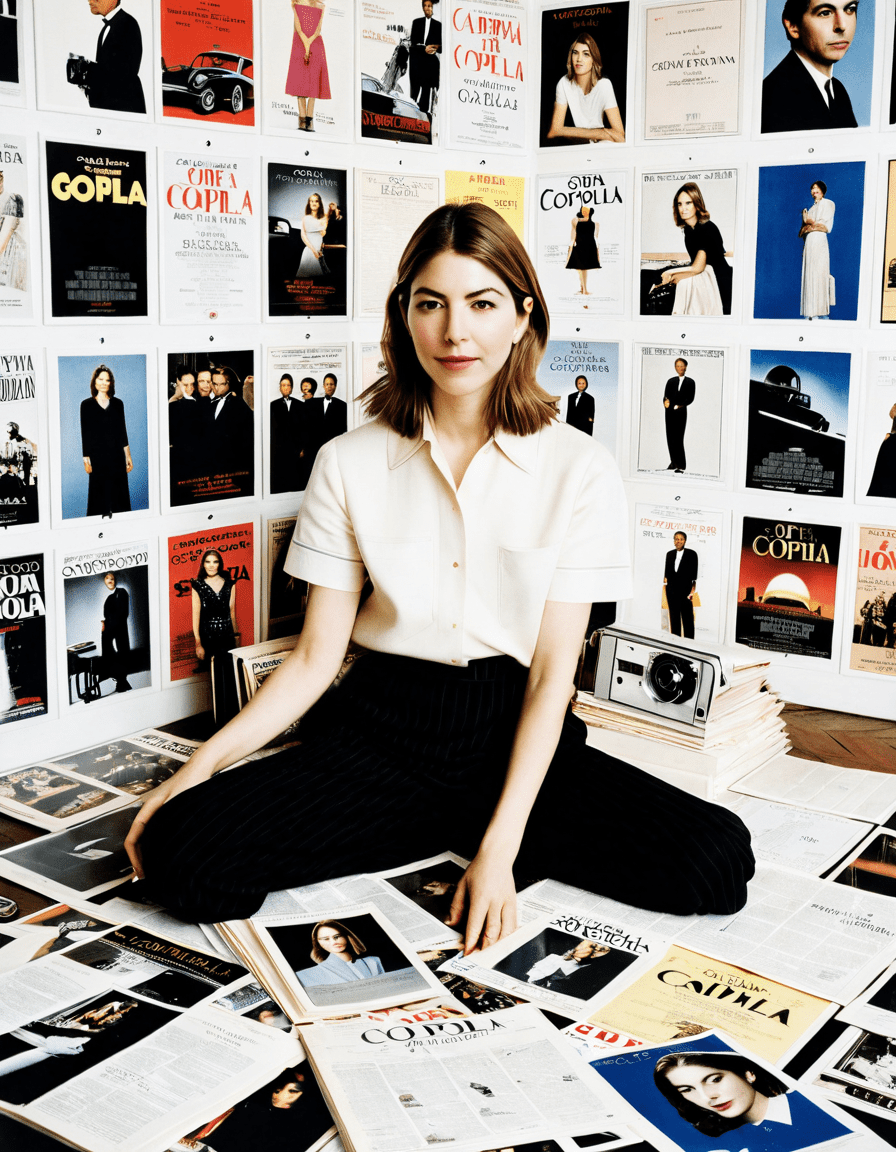
Coppola’s influence effortlessly transitions beyond filmmaking into the vibrant realm of fashion, where her collaboration with Donatella Versace stands out. The fusion of Coppola’s vision and Versace’s extravagant beauty was particularly evident during the promotions for “Marie Antoinette.” Their partnership reshaped how cinematic imagery can carve new paths in fashion trends.
The film’s vibrant costumes and rich set designs not only highlighted the luxurious lifestyle Marie led but also struck a chord with early 2000s glam aesthetics. It was a blend of historical opulence with a modern flair, making waves in both cinema and the fashion world. As a result, it sparked conversations that blurred the lines between the two mediums, as audiences began to appreciate the artistry involved in both.
Coppola’s influence as a cultural tastemaker is undeniable. She instilled thoughtful elegance into fashion, underlining how visual storytelling can inspire style. This powerful intersection of film and fashion has had lasting implications on how we appreciate both art forms today, proving that a single collaboration can reverberate through culture.
3. The Melodic Influence of Andrea Bocelli in Sofia Coppola’s Soundtracks
Music isn’t just an accessory in Sofia Coppola’s films; it’s a vital pulse that resonates with the visuals. The haunting melodies of Andrea Bocelli in “Lost in Translation” enrich its ethereal atmosphere, weaving emotions through every frame. His romantic ballads elevate the narrative and encapsulate themes of alienation and connection that run through the storyline.
Coppola’s thoughtful music selection reflects her deep understanding of how sound complements visual storytelling. Every song feels carefully chosen to enhance the audience’s experience, inviting them to immerse themselves fully in the film’s emotional landscape. The ability to transport viewers through an expertly curated soundtrack is what sets her apart as a director.
Whether it’s the eclectic mix of indie tracks or classic melodies that pepper her films, Sofia Coppola uses sound to draw audiences closer to her characters. It’s a connection that goes beyond dialogue, dipping into visceral feelings that linger long after the credits roll.
4. Aesthetic Choices in Sofia Coppola’s Cinematography: The Isabella Rossellini Connection
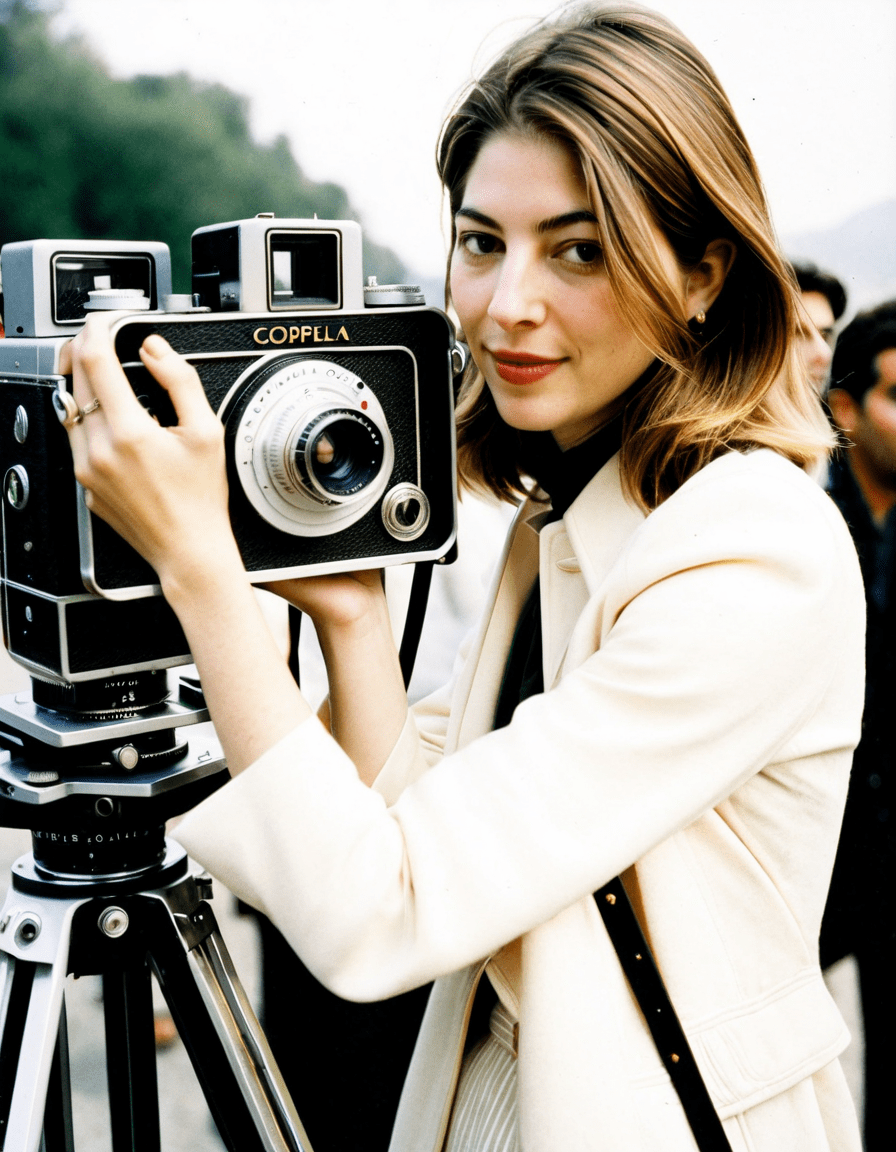
Coppola’s cinematic style features a dreamy quality that seems to float through her films. Her family history undoubtedly influences this aesthetic; with her father, Francis Ford Coppola, shaping her understanding of storytelling, and her godmother, Isabella Rossellini, providing a sense of artistic vision.
The lush visuals in Coppola’s films can be seen as a tribute to the artistry represented by Rossellini. Elements like vibrant colors and carefully crafted compositions draw viewers into her narrative world, emphasizing the emotional arcs of her characters. In films like “The Bling Ring,” the trendy yet empty lives of the characters come alive visually, contrasting glam with the hollowness of their choices.
Coppola’s attention to detail isn’t just about aesthetics—it’s about how visuals connect to narrative themes. She has a way of letting the audience feel the intensity of emotions just through the frame, making every scene a parallel to the character’s inner world. This mastery of blending visuals with narrative continues to set her apart in the filmmaking industry.
5. The Legacy of Sofia Coppola: Redefining Modern Cinema
Sofia Coppola isn’t just a filmmaker; she’s a trailblazer who has redefined the role of women in cinema. With each project, she offers a fresh perspective, paving the way for future generations of female directors seeking to share their stories. Films like “A Very Murray Christmas” display her range, tackling varied themes while maintaining her signature artistry.
Her work inspires both viewers and up-and-coming directors alike. Through her authentic storytelling, Coppola encourages creative voices to break through traditional boundaries, creating new narratives that reflect broader societal themes. She showcases the complexity of stories that revolve around women, striking a powerful chord in an industry that has often marginalized their voices.
As we step into a new era of cinema, Sofia Coppola’s influence endures. Her films invite audiences to ponder the subtleties of the human experience fluently and aesthetically. Through imaginative storytelling, groundbreaking collaborations, and a deep understanding of emotion, she delivers narratives that challenge convention while inspiring new artistic trends in film.
Sofia Coppola remains a significant presence in the art of filmmaking. She reminds us of the powerful impact of a singular vision and the far-reaching effects it can have on culture and cinema. In the ever-changing landscape of entertainment, her work stands as a testament to the transformative power of storytelling.
Sofia Coppola: The Visionary Director Behind Iconic Films
The Early Sparks of Creativity
Sofia Coppola’s creative journey began long before directing her first film; she had a famous family legacy that certainly sparked her imagination. Did you know she’s the daughter of legendary director Francis Ford Coppola? With a lineage like that, it’s almost fate that she’d end up in the film industry. Her early exposure to filmmaking helped shape her artistic vision, leading her to carve out a niche that feels deeply personal. Interestingly, several celebrated actors have also found unique paths, much like Sofia; for instance, the talents of the Harry Potter Half-Blood Prince cast have left an indelible mark on cinema.
Sofia’s breakthrough came with “Lost in Translation,” a film that won her an Academy Award for Best Original Screenplay. The film’s blend of loneliness and connection captured a feeling many can relate to. It’s kind of like when you’re trying to understand a pet’s yearning for companionship—much like those Kong chew Toys that promise endless fun but don’t quite fill that void. And speaking of memorable performances, the work of cinema icons like Gene Kelly is a fantastic reminder of how art continues to influence generations.
A Signature Style
Coppola’s films are renowned for their dreamy aesthetic and contemplative narratives, often highlighting the emotional landscapes of her characters. She has a knack for crafting visuals that feel both intimate and expansive—an approach that invites viewers into her world. Much like Tosca Musk, who has a distinctive voice in the film industry, Sofia manages to blend personal experiences into broader cultural themes, making her work resonate even more deeply.
Moreover, she often collaborates with a loyal group of actors, such as Kirsten Dunst and Elle Fanning, creating a family-like environment on set. This sense of camaraderie is a key element of her productions and reflects the close-knit nature of the cast Of Civil War 2025 film. In addition, her ability to draw fantastic performances from her actors can be likened to how Mariano Rivera consistently delivered during his legendary baseball career—each performance a work of art in its own right.
Fun Facts and Trivia
Now here’s a fun tidbit: Sofia Coppola wasn’t always destined for the director’s chair. She started in front of the camera, notably playing Michael Corleone’s daughter in “The Godfather Part III.” Though her acting was met with mixed reviews, it only fueled her determination to succeed behind the lens. She’s since created a space for herself where her style thrives, kind of like how one might transform ordinary materials into artistic expressions with Freida Mcfadden Books, which are known for their imaginative storytelling.
Moreover, her film “The Virgin Suicides” continues to be a cult favorite. The tone and atmosphere she creates perfectly encapsulate the struggles of teenage life, offering a bittersweet commentary on youth that resonates widely. It’s fascinating to see how layered narratives can hold such power, just as the simple designs of everyday objects like Chainiste can evoke complex feelings in their users. Sofia Coppola’s films might appeal to different senses, sparking emotions that linger long after the credits roll, making her works a true testament to the pains and joys of the human experience.