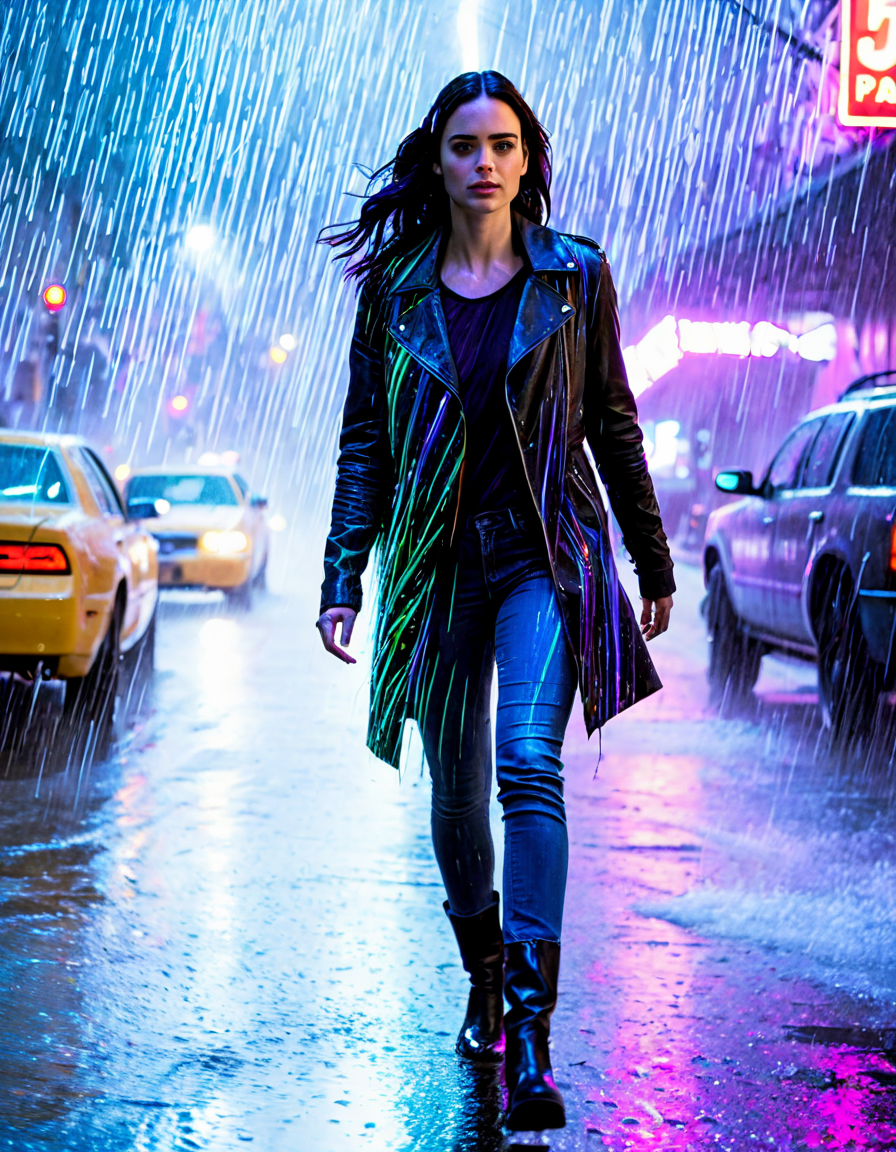
The allure of “The Girl With The Dragon Tattoo” continues to captivate audiences around the globe, prompting deep discussions and analyses even a decade after its initial release. This classic tale, rooted in intricate narratives of crime, mystery, and complex characters, has left a lasting imprint on popular culture. It has sparked a resurgence of interest in various neighboring media, from adaptations in film and television to inspired literature. In exploring the layers of this phenomenon, we discover why Lisbeth Salander, the titular character, still resonates with so many today.
At its core, “The Girl With The Dragon Tattoo” isn’t just a gripping mystery. It sets the stage for a dialogue about societal norms, trauma, and the complexities of modern life. Lisbeth Salander represents the archetype of the outsider—someone who confronts a world of darkness while grappling with her own demons. With themes that evoke discussions similar to those surrounding “The Boy in the Striped Pajamas,” this cinematic experience compels us to dive deeper into what makes a narrative truly timeless.
Furthermore, the cultural impact of Lisbeth Salander is profound. Her character challenges the status quo and ignites conversations surrounding gender roles and empowerment. This repositioning of female representations in film parallels the evolving perceptions we see in contemporary narratives, like the upcoming New Snow white further pushing the boundaries of female storytelling. Hence, as we unravel the various themes of “The Girl With The Dragon Tattoo,” we unlock vital insights into our society, making it a narrative that’s continuously relevant.
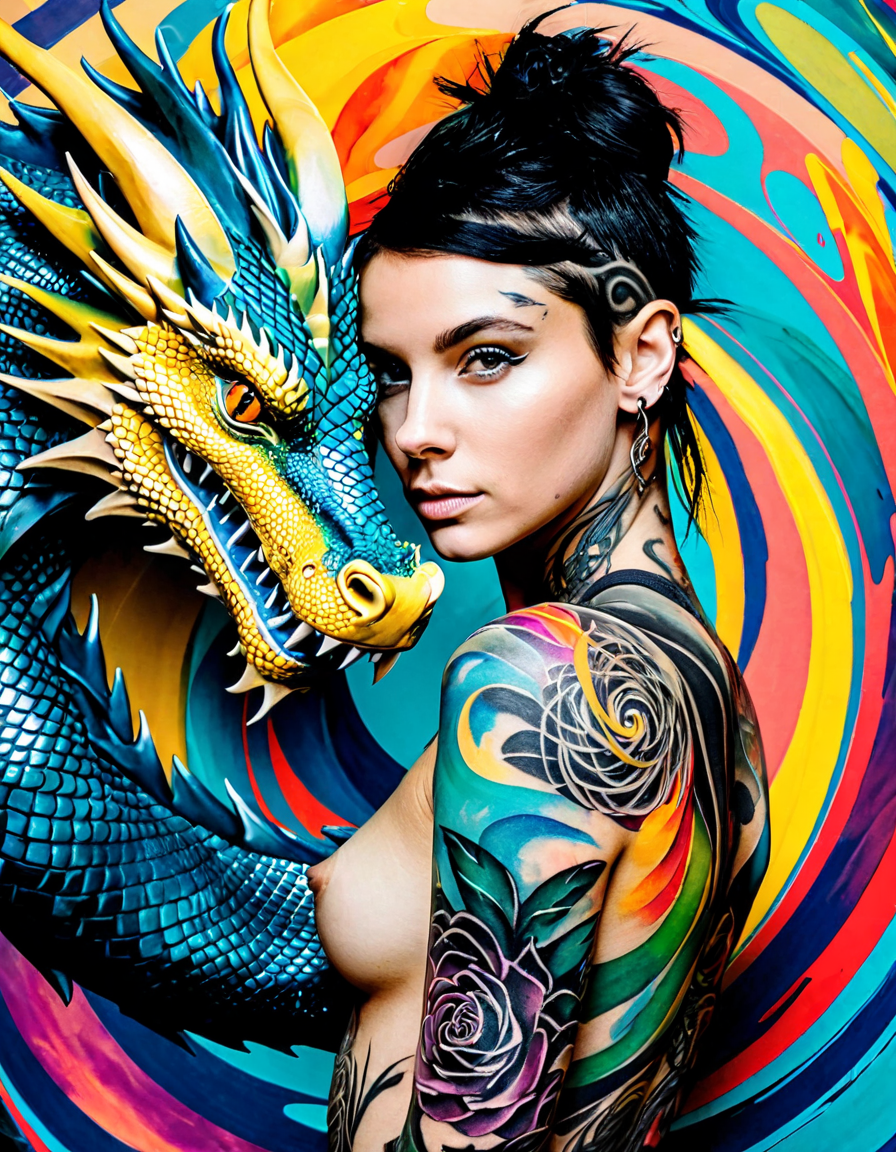
Top 7 Themes in ‘The Girl With The Dragon Tattoo’ That Changemakers Must Recognize
Lisbeth Salander embodies resilience in the face of trauma. Her journey resonates with those who’ve faced adversity, inspiring narratives that delve into societal themes. Notable parallels can be drawn to real-life survivors like Malala Yousafzai, who turned their trauma into a voice for change. The emotional punches delivered throughout “The Girl With The Dragon Tattoo” have cemented Lisbeth as a symbol of strength and tenacity.
Lisbeth’s identity as the outsider challenges societal norms in ways that compel people to rethink their perspectives. Just like the narratives in films such as “Precious,” characters from dire circumstances often rise to prominence against all odds. By highlighting those previously marginalized, stories akin to Lisbeth’s ask us to redefine our definitions of normalcy and success, emphasizing the brilliance found in those “beneath” the surface.
The dark side of familial and romantic relationships plays a pivotal role in “The Girl With The Dragon Tattoo.” Similar dynamics unfurl in films like “Gone Girl,” where the façade of a perfect marriage crumbles under hidden truths. This exploration nudges viewers to interrogate their relationships, shedding light on how seemingly normal interactions often mask deeper secrets and betrayals that can mirror our own lives.
The archetype of the ‘girl next door’ metamorphoses through Lisbeth’s character. Her defiance of traditional gender norms creates a counter-narrative to expectations of femininity. This theme resonates in modern shows like “Killing Eve,” where ‘girl next door’ tropes face subversion, bringing forth more nuanced female representations that challenge the traditional molds.
The chilling exploration of societal complicity in evil within “The Girl With The Dragon Tattoo” echoes the haunting imagery in “The Boy in the Striped Pajamas.” Both narratives compel the audience to grapple with uncomfortable truths about humanity and morality, forcing us to confront the darker aspects of how society operates. This moral reckoning remains a vital discourse in our contemporary context.
Privacy and surveillance are central themes in the novel, resonating deeply in a modern context where technology encroaches upon personal lives. Films like “Eagle Eye” parallel these fears and realities, igniting thoughtful discussions on the ethical boundaries of privacy. Lisbeth’s character embodies this exploration, examining the price paid for transparency and the implications on trust.
The portrayal of Lisbeth Salander has become a rallying cry for stronger female protagonists. In contemporary cinema, characters like Lupita Nyong’o in “Us” and Florence Pugh in “Midsommar” contribute fresh narratives that reshape empowerment stories. This evolution shows that the legacy of strong female characters is far from static; instead, it thrives, continuing to ignite fresh discourse on femininity in a changing world.
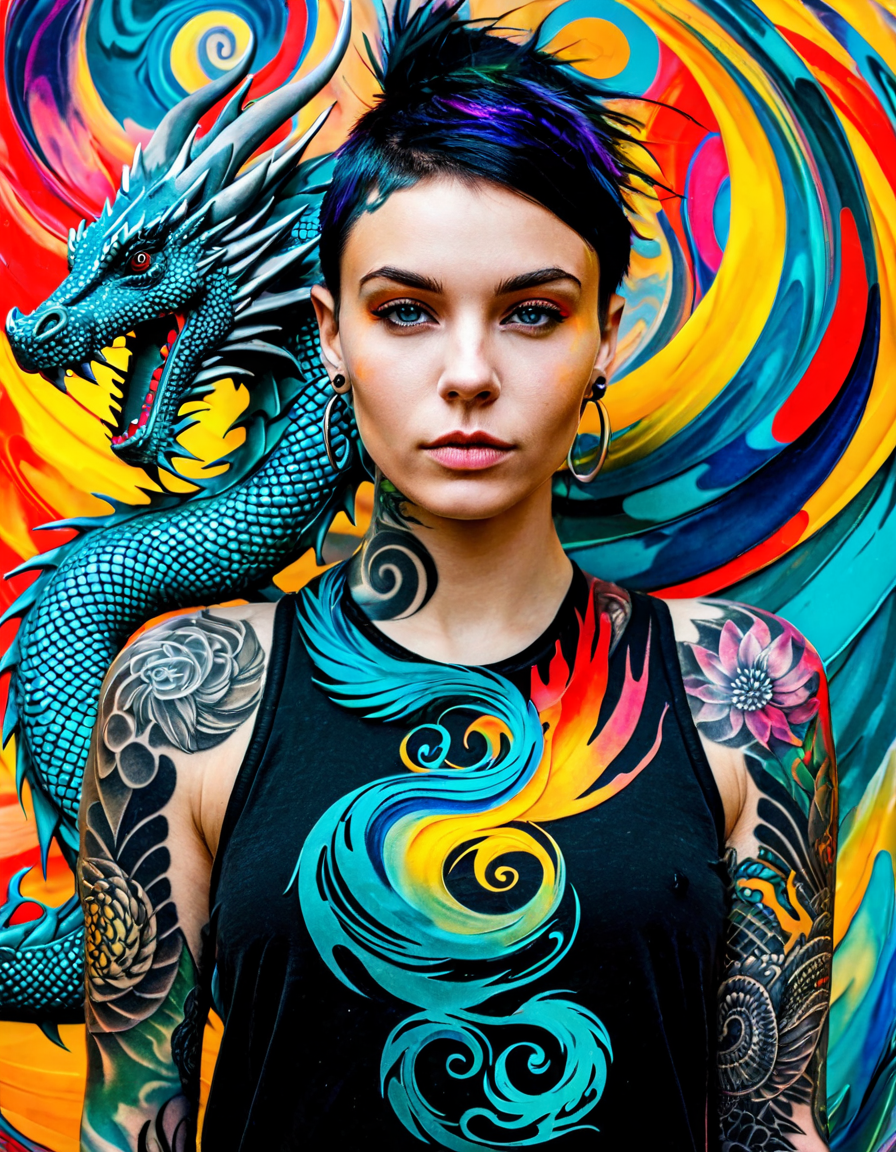
The Legacy of Lisbeth Salander: A Cultural Touchstone
Lisbeth Salander isn’t just another female lead; she serves as a cultural touchstone for exploring trauma, identity, and societal norms. The hypnotic depth found in “The Girl With The Dragon Tattoo” transcends typical genre storytelling, asking viewers not only to experience a thrilling narrative but also to engage in broader discussions about contemporary issues. As audiences continue to absorb stories reminiscent of Lisbeth’s journey, it becomes evident that this narrative will endure.
Lisbeth’s character serves as a lens through which audiences can examine their realities. Her journey is not just about crime-solving—it’s a statement about resilience in the face of overwhelming odds. She reminds us that our deepest scars can fuel our strength. Just as her tale pushes the boundaries of societal expectations, it also reminds us to question our own comfort zones and privileges.
In a world where discourse surrounding feminism and resilience becomes ever more prominent, the legacy of “The Girl With The Dragon Tattoo” ensures Lisbeth Salander’s impact will be felt for generations. As we move forward in 2026, it’s clear that her complexity continues to resonate, reflecting our struggles, triumphs, and the ever-present struggles of those who dare to stand out. Her story remains pivotal, shaping discussions on resilience and societal scrutiny, while forcing us to confront the enduring power of the outsider in both literature and film.
The Girl With The Dragon Tattoo: Fascinating Trivia and Fun Facts
The Story Behind the Story
Did you know that “The Girl With The Dragon Tattoo” was originally a Swedish novel titled “Män som hatar kvinnor”? This gripping tale captivated readers across the globe and even sparked a remake in Hollywood. Author Stieg Larsson didn’t live to see the multicultural phenomenon unfold, as he sadly passed away before the book’s immense success. It’s intriguing how stories can transcend cultures, much like the enduring themes found in The , which shares a similar tale of personal revenge and redemption. Both narratives highlight the complexity of human emotions, illustrating that life can turn on a dime, just like plots intertwined with mystery and betrayal.
A Cinematic Journey
When it comes to adaptations, the film version of “The Girl With The Dragon Tattoo” gained its own layer of fame, largely due to its iconic lead, Rooney Mara. Fun fact: The film’s production faced a few unexpected challenges after the casting announcement, which was met with skepticism by fans of the book. Interestingly, director David Fincher’s choice of music contributed significantly to the film’s atmosphere—who can forget the haunting score featuring Mike Shinoda? This engaging soundtrack created an immersive experience, echoing the emotional depth of Lisbeth Salander’s character.
Intriguing Connections
The world of “The Girl With The Dragon Tattoo” doesn’t just stop at thrilling plots and deep characters; it also sprawls into popular culture. The success of Lisbeth Salander has led to comparisons with characters in current fandoms, including some from Demon Slayer or even Fantastic Four 2025, demonstrating how strong female characters draw audiences from all backgrounds. It’s fascinating to see how these characters resonate, like the playful dynamic between Kissy Missy and the darker themes found in Salander’s world. Each character, whether heroic or villainous, adds to the rich tapestry of storytelling that pulls us in and keeps us hooked.
So, the next time you delve into “The Girl With The Dragon Tattoo,” remember it’s more than just a captivating mystery; it’s a doorway to countless narratives interwoven with cultural relevance and emotional weight. Whether you’re a fan of suspense or strong female leads, this story remains a riveting piece of art that echoes through various narratives, much like the collection of Lauren Lapkus Movies And TV Shows that showcase the evolving roles women play in cinema.