The Who: Icons of Rock Evolution
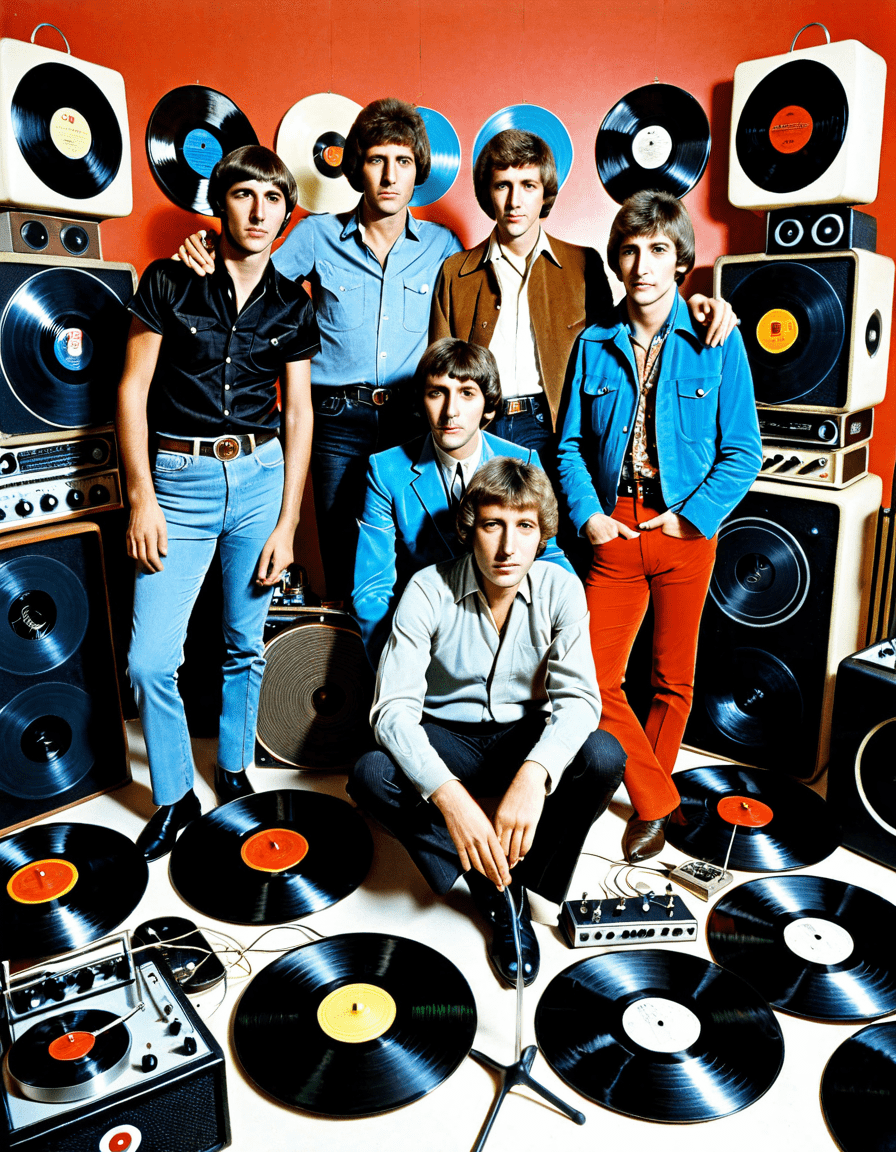
The Who emerged from the vibrant London music scene in the 1960s, their unmistakable sound reflecting the revolutionary spirit of rock music. Founded by the charismatic Roger Daltrey, creative genius Pete Townshend, masterful bassist John Entwistle, and explosive drummer Keith Moon, the band quickly carved out a place for themselves in the annals of rock history. Their dynamic performances and innovative approach to songwriting were game-changers, steering the course of rock music towards uncharted territories.
Each member brought a unique flair, painting a vivid canvas of sound that resonated with the youth of their time. Daltrey’s powerful vocals mixed with Townshend’s guitar prowess created a musical electricity seldom seen before. Influenced by the blistering blues of legends like Muddy Waters, The Who infused their sound with raw energy that became the hallmark of their music. This blend not only helped to create a new genre but also inspired the emergence of the “rock opera,” forever altering the music landscape.
As The Who navigated the maze of their formative years, it became clear that they were on a mission to redefine not just rock music but the entire cultural narrative surrounding it. Their collaboration led to unprecedented releases that challenged conventional ideas about songwriting and performance, paving the way for future rock legends to follow. They didn’t just play music; they crafted stories and experiences that still resonate today.
Top 5 Ways The Who Redefined Genres
In an era saturated with music, The Who distinguished themselves by pushing boundaries and experimenting with different styles. Here’s a look at five defining moments that demonstrate their artistic innovation:
1. The Rock Opera Revolution: “Tommy”
The release of Tommy in 1969 marked a pivotal moment in rock history. This bold album shattered the traditional music format with its narrative structure, weaving a tale so compelling that it set a new standard for storytelling in music. From the opening track to the closing notes, Tommy bridged the gap between pop culture and serious art, creating a roadmap for future rock operas, such as Pink Floyd’s The Wall.
This groundbreaking concept not only brought a theatrical edge to rock but also found its way into other cultural expressions. The ambition behind Tommy blurred the lines between music and the larger societal issues of its time, capturing the essence of a generation lost in its own chaos.
2. The Power of Live Performance: The Isle of Wight Festival
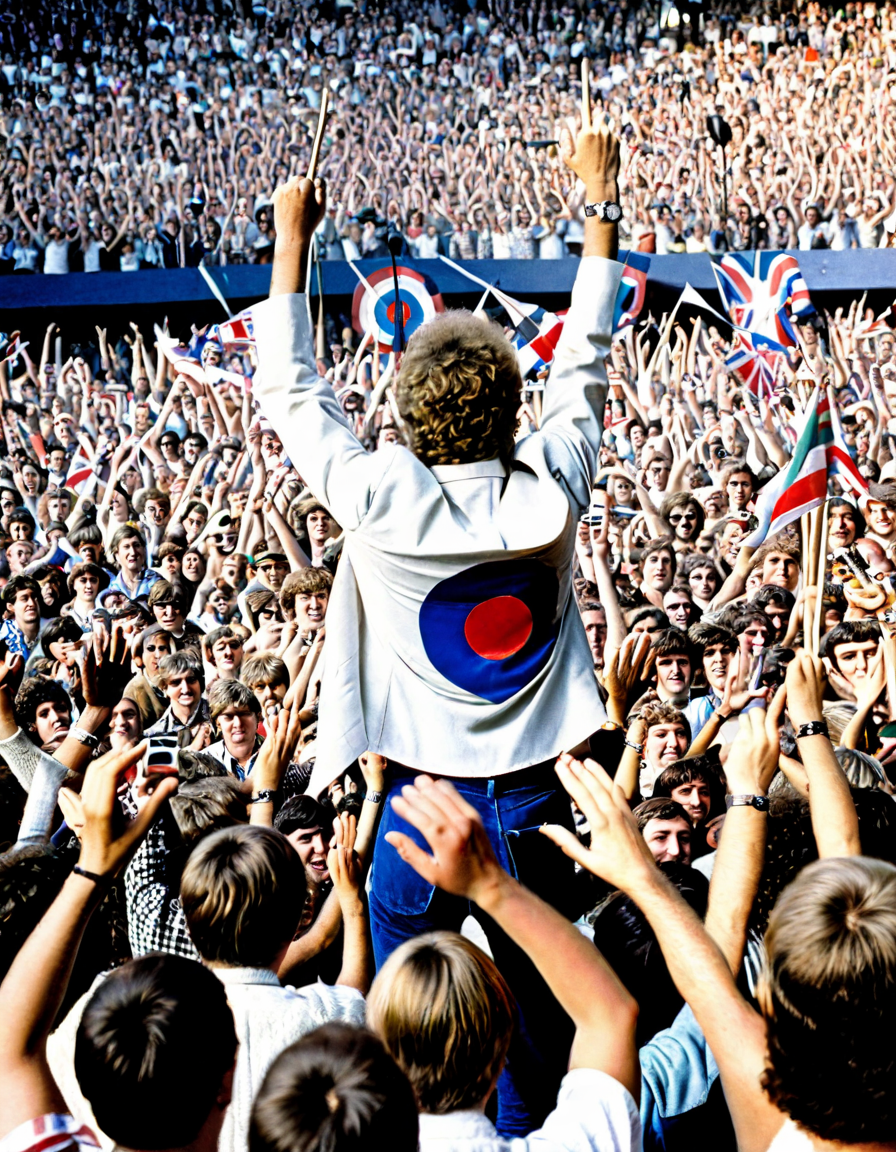
The Who’s explosive set at the Isle of Wight Festival in 1970 showcased their prowess as a live act. Combining dynamic energy with impeccably crafted sound, they left the crowd spellbound, an experience that wouldn’t soon be forgotten. Their performance attracted a massive audience, influencing future rock bands like U2 and Nirvana to elevate their stage presence alongside musical talent.
This festival wasn’t just about music; it was a cultural event that celebrated the raw power of rock and its ability to unite fans in the spirit of rebellion. The imagery of Keith Moon smashing his drum set epitomized the untamed spirit of The Who, branding them as the untouchable rock icons of their time.
3. Innovating Sound: The Use of Feedback and Distortion
The band’s pioneering use of guitar feedback, particularly in tracks like “My Generation,” redefined rock guitar. This sonic experimentation not only captivated fans but also influenced a range of artists across genres. Bands like Sonic Youth and The Smashing Pumpkins drew inspiration from The Who’s flair for distortion, crafting their own sound that defined entire eras of alternative rock.
This innovative approach turned feedback from a flaw into an asset, creating textures that dramatically reshaped listener experiences. The Who showed that rock was about more than just riffs; it was about creating a visceral sensation that enveloped audiences.
4. The Concept Album Trend: “Quadrophenia”
With Quadrophenia, The Who delved into the mod subculture, illustrating the lives of young souls grappling with societal expectations and personal desires. This concept album format established a blueprint for narrative-driven content in music, inspiring modern artists like Kendrick Lamar with good kid, m.A.A.d city. The ability to tell complex stories through music allowed The Who to connect on a deeper emotional level, creating legacies that would transcend generations.
This exploration of youth culture spoke volumes about The Who’s understanding of their audience, giving voice to the disenchanted while injecting their personal stories into the collective musical consciousness.
5. Genre-Bending Collaborations
The Who’s willingness to collaborate across genres shines brightly in their work with artists like Eddie Vedder and their orchestral performances. These partnerships not only highlighted their versatility but also set a precedent for future collaborations, making genre-blending a norm in today’s music industry.
Such efforts led to moments of artistic richness, where boundaries dissolved and creativity reigned. As genres coalesce more than ever today, The Who remains a beacon of such innovation, paving the way for a musical landscape where diversity knows no bounds.
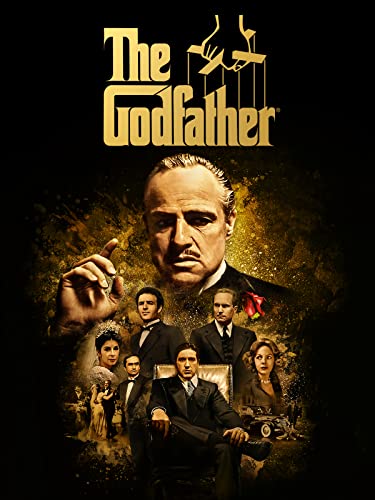
Cultural Impact: The Joker and the Godfather of Rock
With a rebellious spirit akin to the counterculture of the 1960s and 70s, The Who’s influence extends far beyond music. Their songs, like “Baba O’Riley” and “Pinball Wizard,” have become ingrained in pop culture, featuring prominently in films and television shows. They earned their place in rock music’s legacy, much like iconic characters such as The Joker from comic lore or The Godfather in cinematic storytelling.
From commercials to major motion pictures, The Who’s tracks often underscore pivotal moments, adding layers of emotional depth. Even today, director Martin Scorsese references their music to encapsulate a certain era or feeling, demonstrating the lasting resonance of their sound.
The Who’s impact is better understood when examining how their music interweaves with other artistic expressions. Each note and lyric unleash a wave of nostalgia, cementing their position as cultural icons.
Legacy and the Next Generation
The legacy of The Who continues to reverberate through contemporary music, echoed in the works of bands like The Killers and Muse. Both groups incorporate the bombastic energy and thematic depth reminiscent of The Who’s repertoire, showcasing just how influential they remain. Their continued relevance speaks volumes about the timeless quality of their music.
Reunion tours have brought hordes of fans together, reigniting the passion for their songs. Additionally, with the resurgence in popularity due to vinyl records and streaming platforms, younger generations are discovering their groundbreaking sound, proving that The Who’s music is as impactful today as it ever was.
The cultural conversations initiated by The Who continue to inspire new artists as they craft their unique narratives while paying homage to the originals.
An Innovative Future Inspired by The Who
The Who have not just shaped a genre; they have manifested a cultural phenomenon that thrives on creativity and change. Their ability to adapt and rewrite their narrative while staying true to authentic musical expression shines a light on their enduring legacy.
As new artists draw inspiration from their groundbreaking work, The Who will always be remembered not just as an iconic band but as the original architects of rock music’s expansive universe. They’ve left an indelible mark on the world of music, and as we look to the future, one thing is clear: The Who’s thunderous rhythm still echoes in every note played today.
It’s a journey worth celebrating, reminding us that the roots of rock run deep, and the legends that shaped its landscape deserve to be felt for generations to come.
The Who: Legendary Band That Shaped Rock Music
An Explosive Beginning
The Who kicked off their career in 1964, electrifying audiences with their raw energy. Fun fact: they were the first band to ever smoke on stage during performances, a bold move that set them apart from their contemporaries! Their ferocious style paved the way for future acts, encouraging others to express themselves freely. Interestingly, the group’s drummer, Keith Moon, would often blow up amplifiers out of sheer exuberance, showing just how wild their concerts could get. It’s hard to believe, but this rebellious spirit later influenced artists like Chaka Khan, who’s carved her own niche in the music scene.
A Connection Beyond Music
But The Who wasn’t solely about music; they embraced cultural movements too. Surprising, but they even inspired a young John Amos, who would later become a beloved actor and advocate for social change. Their song “My Generation” became an anthem for youth, resonating with fans grappling with the turbulent 1960s. The Who’s association with the youth culture highlights how deeply music can influence societal shifts. Similarly, in the episodic twists of beloved shows like Criminal Minds, complex characters convey the struggles of understanding oneself, echoing the themes found in The Who’s powerful lyrics.
The Influence on Generations
Their legacy doesn’t stop there—The Who inspired countless musicians with their iconic sound. Slash, the famous guitarist, has often cited The Who as one of his main influences. Their pioneering work in rock operas, particularly with “Tommy,” helped shift perceptions of what could be done with an album, much like how Franklin D. Roosevelt’s policies reshaped America’s landscape. Each detail in The Who’s music act as a mirror reflecting the cultural nuances of society, akin to the storytelling in shows like Mythic Quest which explores issues relevant to today’s viewers.
In sum, The Who not only transformed the music industry but also left a mark on pop culture that still resonates. Their unexpected connections to various aspects of modern life—from musical legends like Chaka Khan to influential figures like John Amos—demonstrate how this iconic band continues to inspire and shape both music and the broader cultural conversation.