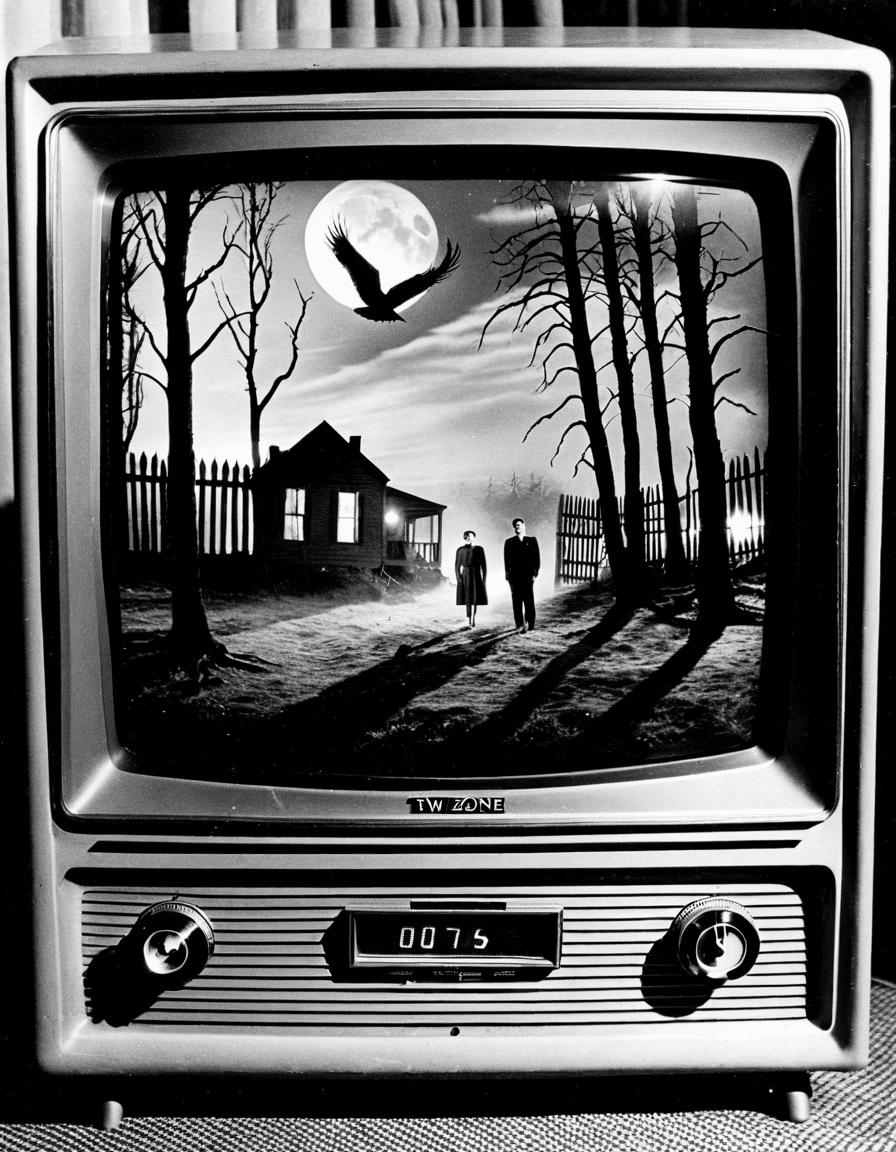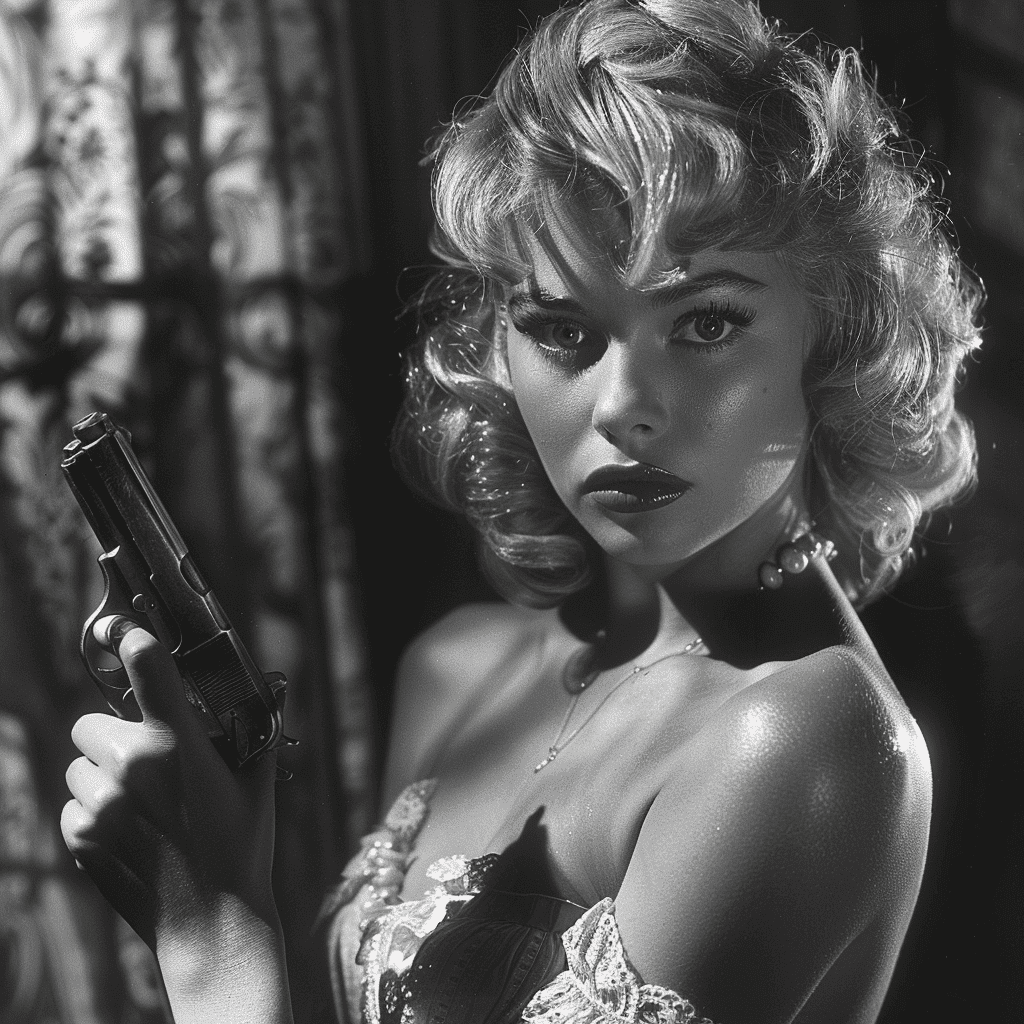
The “Twilight Zone” isn’t just a classic TV show; it’s a cultural touchstone that grips you with its powerful blend of fear and wonder. This iconic anthology series, created by Rod Serling, has transcended time, becoming a timeless reflection on human nature, our relationship with technology, and the cornerstones of society. With its knack for tackling complex themes through accessible storytelling, the “Twilight Zone” remains relevant today, drawing in audiences with tales that resonate deeply—whether it’s through weird science, family feuds, or mystery science. Buckle up as we dive into the top seven elements that make this show a perennial favorite.
1. Top 7 Elements of the Twilight Zone: Bridging Fear and Wonder
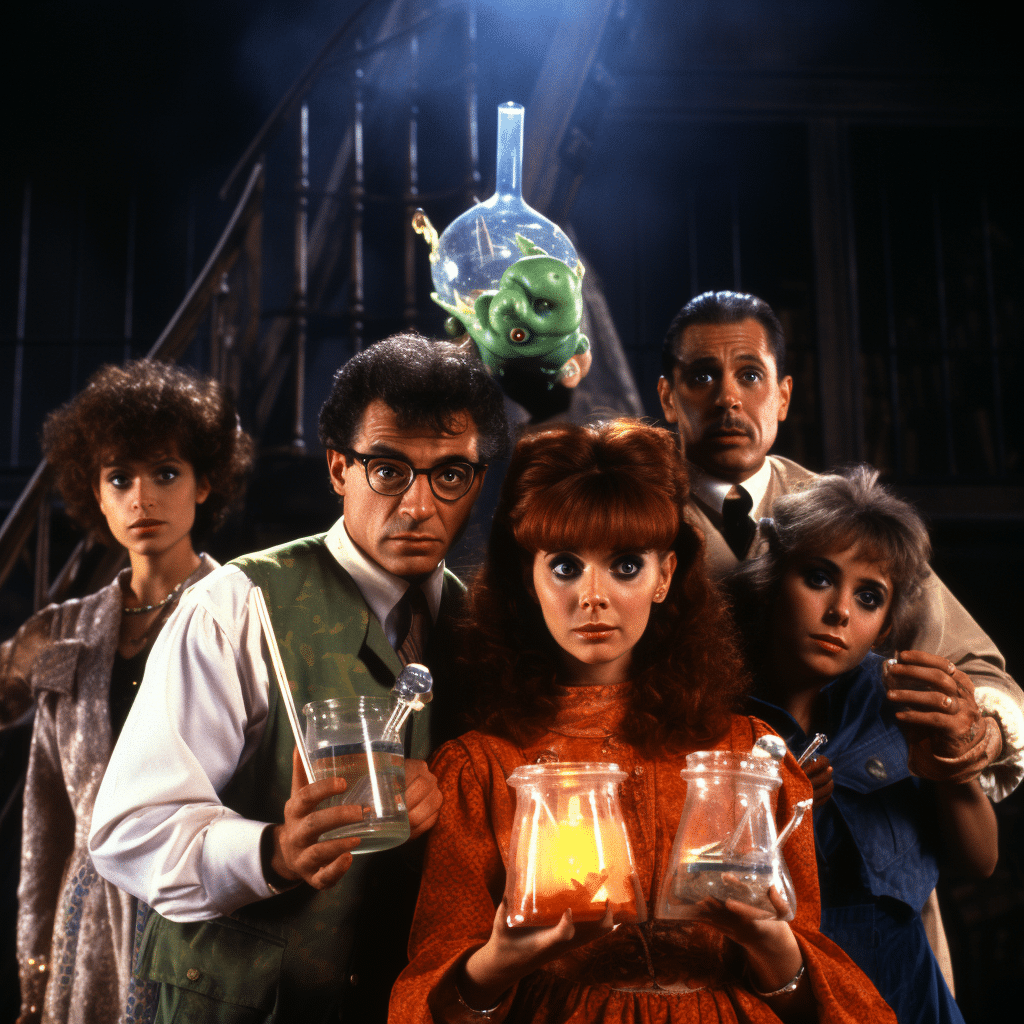
1. Weird Science: The Intersection of Technology and Terror
The “Twilight Zone” deftly explores the dangers lurking behind scientific breakthroughs. Take “The Eye of the Beholder,” for instance, where a woman’s appearance is judged in a starkly dystopian society—spurring discussions around beauty standards, technology, and the essence of humanity. Episodes like “The Monsters Are Due on Maple Street” serve as atmospheric cautionary tales. They remind us to look inward, especially today, as our conversations often revolve around AI technologies like ChatGPT and autonomous vehicles. Is progress worth the ethical dilemmas that come with it? The show prompts a critical examination of our morality, beckoning us to reflect on the world around us.
2. Family Feud: Psychological Intricacies in Domestic Settings
The “Twilight Zone” artfully navigates the emotional landscapes of our lives, often plumbing the depths of familial relationships. In episodes like “The Shelter,” the dynamics take a dark turn as survival instincts clash with love, revealing hidden animosities that fester beneath the surface. In an age when social media amplifies every private struggle, this theme resonates louder than ever with audiences. It’s a stark reminder that fear can sprout not just from external threats, but also from the relationships we hold dear, complicating the tapestry of daily existence.
3. Mystery Science: Unraveling Life’s Unexplained Phenomena
Every vignette in the “Twilight Zone” creeps over the threshold of reality into the unknown, embodying our fascination with life’s unanswered questions. Just think of the cultural influence of the series on entertainment like “Mystery Science Theater 3000.” Each episode encourages audiences to engage with the inexplicable, fostering an environment where curiosity reigns. As we explore UFO sightings and paranormal phenomena in contemporary discourse, the show heightens our desire to find answers, mirroring the very essence of human inquiry.
4. Treasure Island: The Quest for Identity and Value
Several gems in the “Twilight Zone,” including “The Gift,” delve into the notion of treasure—not necessarily gold, but the pursuit of self-discovery and identity. Characters embark on metaphorical treasure hunts, leading them to confront their truths, which resonates with modern societal movements advocating for representation and personal storytelling. It echoes the push for diverse narratives in Hollywood, illustrating our collective quest for validation and understanding amidst shifting cultural landscapes.
5. Ghostbusters: The Lingering Effects of the Past
From haunting echoes to confronting ghosts—both literal and metaphorical—the “Twilight Zone” showcases the indelible marks of our past. A poignant example is “A Stop at Willoughby,” where a man grapples with unfulfilled dreams, showing us that unresolved trauma doesn’t just fade away. This theme connects to today’s emphasis on acknowledging history and moving towards healing. Today’s ghost-hunting shows and documentaries reflect our societal grappling with accountability and memory—a reminder that ghosts can take many forms.
6. Pulp Fiction: Blurring Genre Lines
Much like Quentin Tarantino’s notorious “Pulp Fiction,” the “Twilight Zone” defies traditional genre confines. It weaves elements of horror, science fiction, and even sardonic comedy, creating a cosmic tapestry of storytelling. Such genre-bending is not restricted to the show alone; contemporary creators—like Neil Gaiman—continue to explore these blurred lines, inviting audiences into richer, more complex narratives. This intermingling not only entertains but spurs vibrant discussions about creative freedom.
7. Animal Kingdom: The Reflection of Human Nature
In many episodes, animals become powerful symbols of our primal instincts, offering profound social commentary on human behavior. For instance, “The Hunt” examines connections to our instinctual sides, highlighting the deeper relationship between humans and nature. As we tread into discussions around ecological justice showcased in shows like “Our Planet,” it becomes clear that how we treat the animal kingdom mirrors broader societal values. In such reflections, we find prompts to reconsider our actions and their consequences.
The Generational Resonance of the Twilight Zone
Decades after its initial airing, the “Twilight Zone” continues to shape storytelling in modern media. The renewed interest through Jordan Peele’s revival of the series underscores its lasting emotional core. As audiences grapple with their current fears and hopes, this show remains a cultural compass, leading us deeper into the labyrinth of our human experience. Its blend of fear and wonder resonates powerfully, encouraging us to explore narratives that echo our lives.
Specters of the Past: Impact on Future Storytelling
More than mere entertainment, the “Twilight Zone” serves as a lens through which we scrutinize our cultural landscapes. Its narratives—rich with social critiques and existential inquiries—still resonate in today’s storytelling. As we navigate a future marked by uncertainty, the extraordinary worlds envisioned by Serling continue to inspire us to reflect, critique, and imagine. Although our society evolves, the stories rooted in fear and wonder anchor us, reminding us that humanity’s essence endures amid change.
The “Twilight Zone” leaves a haunting legacy—one that sparks curiosity and invites conversation. It reminds us that fear and wonder are not just themes, but integral facets of the human experience. No matter how far we travel from the past, we remain tethered to the profound questions about existence that the “Twilight Zone” so artfully constructs. In doing so, we find that while the narrative might shift, the quest to understand ourselves remains ever urgent.
Let’s continue exploring those peculiar intersections between fear and wonder, breathing life into the timeless questions that make us who we are. As the line between reality and fiction blurs, remember that every episode is more than just a story; it’s a reflection of our psyche and the broader tapestry of human existence.
Twilight Zone: The Extraordinary World of Fear and Wonder
A Classic that Keeps on Giving
Ah, the Twilight Zone! This iconic anthology series first aired in 1959, transporting viewers into a dimension of imagination, fear, and wonder. Did you know that the show was crafted by Rod Serling, who was known for his sharp social commentary? Each episode explores moral and philosophical dilemmas, often ending with a twist that leaves you questioning reality. In fact, its influence can be seen in various pop culture formats, including a memorable appearance in the game related to The Last of Us, which dives deep into the human psyche—very reminiscent of the show’s themes.
Star-Studded Appearances
One of the fascinating aspects of the Twilight Zone is the list of celebrities who guest-starred in its episodes. You might be surprised to learn that faces like Kevin Nash and Letitia Wright—yes, the same Letitia Wright known for her role in the MCU—have crossed paths with this legendary show. Can you imagine the hulking presence of Kevin Nash in the eerie and thought-provoking universe of the Twilight Zone? Talk about an unforgettable episode! Plus, if you’re a fan of game shows, many clued into the weirdness of the Twilight Zone might find the trivia around Hollywood Squares equally engaging, where stars often took on surreal challenges in a comedic format.
Enduring Influence
The Twilight Zone has transcended its original run, leaving an indelible mark on storytelling. Its formats have inspired various political and social figures, like Harold Ford jr., who has invoked its themes in discussions about modern issues. Furthermore, many entertainers, including social media celebrities like Dylan Mulvaney, draw inspiration from the show’s combination of drama and surrealism in their own content. If you haven’t yet experienced the uncanny twists and turns of the Twilight Zone, consider diving in; it’s a rollercoaster ride of emotions that continues to captivate audiences today!
With all of its cleverly woven tales and cultural ripple effects, the Twilight Zone remains a landmark of both television history and social commentary. So, next time you find yourself pondering existence or immersed in a chilling tale, remember: you’re not just watching a show, you’re stepping into the mysterious corridors of the Twilight Zone.