
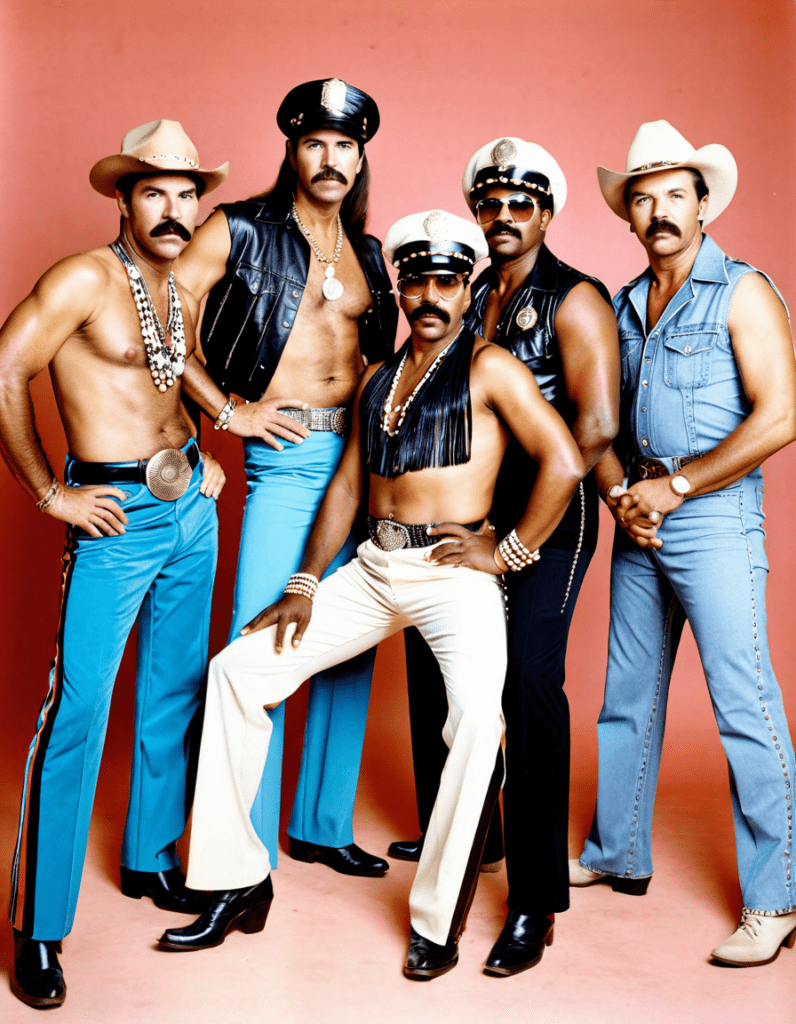
The Village People are not just a musical group; they’re a cultural icon, a lighthouse guiding the way through creative expression, acceptance, and unabashed celebration. Their influence stretches far beyond the disco vibe of the ‘70s and ‘80s, leaving a profound impact on LGBTQ+ pride, fashion trends, and social movements. As we zoom into the heart of their legacy, let’s explore the songs that crafted their unforgettable reputation and discover how their bold cultural impact resonates even in 2026.
7 Iconic Songs by Village People and Their Cultural Significance
Who can resist an invitation to join in on the fun? This anthem is synonymous with acceptance and celebration within the LGBTQ+ community. The catchy chorus and hilarious dance moves have made it a must-play at community events and pride parades worldwide, reinforcing the Y.M.C.A. As a safe haven.
Talk about a tune that challenges the status quo! “Macho Man” celebrates masculinity while simultaneously poking fun at conventional gender roles. With its upbeat tempo and cheeky lyrics, this song urges conversations about male identity, inviting people to embrace their individuality.
This number isn’t just about sailors; it’s about unity and belonging. By praising the spirit of the Navy, the Village People shed light on service members’ sacrifices and contributions, sparking discussions about patriotism and identity-a salute to those who answer the call of duty.
Aspiration takes center stage in “Go West.” The Village People’s rendition of this inspirational tune touches on themes of freedom and adventure. It’s a perfect segue into conversations about migration and the pursuit of happiness, echoing the notion that the “west” symbolizes new beginnings.
With a melody that sings of joy, “San Francisco” elevates the city as a celebrated hub of love and creativity. The Village People pay homage to a place rich in LGBTQ+ rights and artistic expression, capturing a spirit that still flourishes to this day.
The title track from their movie, “Can’t Stop the Music,” embodies both jubilance and resilience. It stands as a powerful statement for the disco movement in the face of decline, asserting the enduring power of music to uplift spirits.
Their self-titled song in 2008 might seem like a nostalgic throwback, but it tells a rich story of their evolution. The Village People reflect on their journey, underscoring their cultural significance and igniting discussions about the importance of legacy in an ever-changing music scene.

The Lighthouse of Representation: Village People as Icons of Diversity
Light up the seas of identity politics; the Village People have done just that! Their vivid personas-a cop, an Indian chief, a construction worker, and more-reflect the kaleidoscope of society. Each character isn’t just a cartoon; they’re sparks igniting vital conversations about inclusivity and acceptance.
By showcasing flamboyance and individuality, the Village People stood against the grain of conservative norms prevalent in their time. They shattered stereotypes within and beyond the LGBTQ+ community, creating a safe dock for self-expression, where everyone could find a piece of themselves without fear of judgment. Their images serve as mirrors reflecting the richness of diversity, illuminating the path for future generations.
In today’s world, the Village People’s representation resonates louder than ever. Their fearless embrace of different identities has inspired countless artists and advocates, paving the way for discussions about the vastness of human experience. Just like a lighthouse guiding sailors home, they guide society toward acceptance and understanding.
Charting the Impact: Village People in the Modern Context
Let’s set sail on a journey to discover how the Village People’s impact navigates contemporary culture.
A Lasting Legacy: Reflecting on the Village People’s Cultural Footprint
As we tread through the vibrant trails left by the Village People, we see their bold artistic choices resonate through today’s social fabric. Their infectious rhythms play consistently as the soundtrack to resilience and joy, notably within the LGBTQ+ community. As we gaze toward the horizon, it’s impossible to ignore that these legends have embedded themselves into the very essence of music history.
The Village People stand tall, not just as entertainers but as catalysts for social change. Their music continues to inspire movements, ushering in discussions about acceptance and diversity that remain vital in our modern world. It’s a testimony to the enduring spirit of music-a beacon lighting our way, showing us that celebration and acceptance can shape our cultural landscape.
Village People: Iconic Music and Bold Cultural Impact
The Unforgettable Background of Village People
The Village People, formed in 1977, aren’t just a musical group; they represent a symbol of liberation and fun. Did you know that their distinct costumes served to promote diverse identities, celebrating various American professions? They broke barriers, much like Taraji P. Henson, who represents diversity in Hollywood. The catchy tunes and lively performances exploded onto the disco scene, and the group’s self-titled debut album featured the iconic hit “Y.M.C.A.”, which continues to resonate at dance parties today.
Their influence doesn’t stop with music - even sports have seen parallels in their celebration of individuality. Alexander Ovechkin, the renowned hockey player, once donned a Village People-esque outfit for a charity event, embracing the playful spirit behind their legacy. Similarly, just like the joyous vibe of a baby earning the Good housekeeping baby Of The year vote, the Village People continue to capture hearts and inspire generations.
Fun Facts and Cultural Footprints
Ever wondered how the Village People became a pop culture phenomenon? Their second album, “Cruisin’,” cleverly played on themes of male camaraderie, which led to their breakthrough. Interestingly, the song “Macho Man” portrayed ideals of masculinity, and today it’s often humorously referenced, much like the Teenage Mutant ninja turtles Were as cultural icons of their time. This lighthearted take on masculinity resonated with fans, offering not just entertainment but also a sense of belonging.
Their music was also revolutionary, hinting at deeper societal issues while keeping a party atmosphere alive. Think of the playful depictions in their performances, akin to how the Fembot Concept has been portrayed in cinema, blending humor and commentary seamlessly. The Village People brought visibility to LGBTQ+ culture at a time when few would dare to take the plunge. This boldness echoes through their affiliation with distinctive events and regalia - reminiscent of the colorful appeal of Snorkeling gear That captures attention for its vibrancy and variety.
Enduring Legacy
Fast forward several decades, and the music of the Village People still resonates across generations. Their tracks have been featured in films, commercials, and countless dance floors, proving that good music really doesn’t fade away. As far-reaching as the passion for soccer in places like Galatasaray, their allure remains strong; it’s a testament to how music can unify people from all walks of life.
In every note and dance move, the Village People continue to influence culture, embodying spirit, joy, and self-acceptance. So, the next time you hear their tunes, remember that behind those catchy beats lies a story of resilience-much like Sachin BabiS rise in his field, showcasing how creative expression unlocks possibilities. Whether it’s singing along with friends or getting lost in a nostalgic moment, the Village People remind us to embrace fun, individuality, and community, always with a smile.
This article was produced with AI assistance. How Silver Screen Magazine uses AI.
Silver Screen Magazine writes for Silver Screen Magazine - classic cinema, film reviews, industry updates and hollywood gossip.