In the captivating landscape of horror cinema, 30 Days of Night emerges as a profound examination of survival in the face of insurmountable darkness. Released in 2007 and adapted from the graphic novel by Steve Niles and Ben Templesmith, the film offered a refreshing take on the vampire mythos, crafting a poignant narrative that struck a deep chord with viewers. This exploration of fear, resilience, and the primal instinct to endure captivates audiences even today, inviting them to witness a vivid portrayal of humanity and its struggle for survival.
Exploring the Survival Themes in 30 Days of Night
Isolation vs. Community
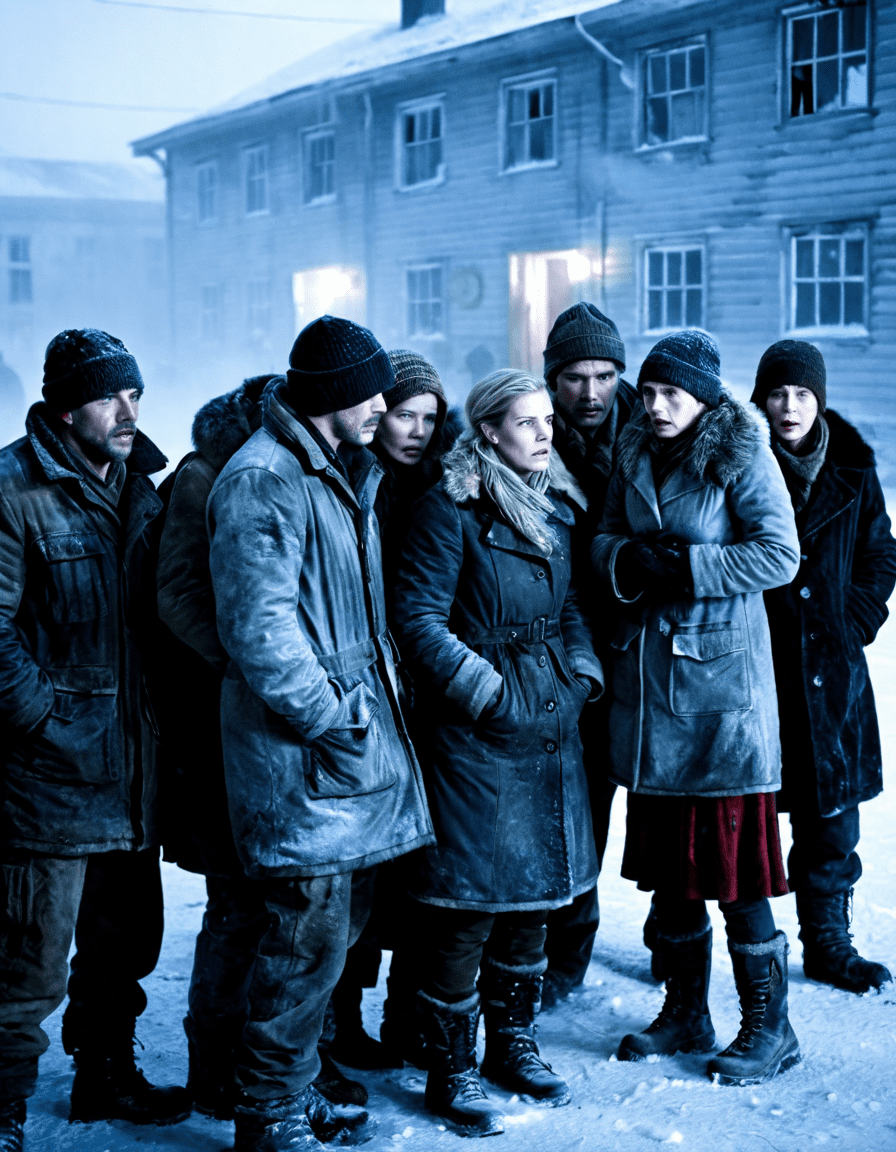
30 Days of Night masterfully captures the delicate balance between isolation and community. Set in the small Alaskan town of Barrow, which succumbs to an unyielding 30-day night, the film shines a light on how fear can both tear people apart and bring them together. As the town’s citizens confront waves of ravenous vampires, their relationships face strain but also surprising resilience. This dynamic resonates deeply, especially for those who grapple with moments of emotional isolation in their own lives. It mirrors the connections highlighted in films like 50 First Dates, where relationships become pivotal amid the unpredictability of existence.
Moreover, the film’s portrayal of community extends beyond mere survival. It emphasizes the collective sense of identity that emerges under threat. The townsfolk’s unity, though challenged, showcases human tenacity. As they band together against their common foes, their shared experiences enable them to confront overwhelming odds. This theme poignantly illustrates that, in dire circumstances, sheer willpower and solidarity can ignite hope, a message audiences crave even beyond the horror genre.
Resourcefulness Under Duress
The characters in 30 Days of Night exemplify remarkable resilience and resourcefulness, adapting quickly to the escalating terror around them. Each individual evolves into a survivor, ignited by the instinct to protect not just themselves but their loved ones. As chaos unfolds, we witness ordinary folk metamorphose into resourceful defenders, reminiscent of those navigating the post-apocalyptic landscapes of 28 Days Later and its sequel, 28 Weeks Later.
These transformations highlight how far people will go to safeguard their existence. The film’s gripping narrative encourages viewers to reflect on their own resourcefulness when confronted with unexpected challenges. Just as in 500 Days of Summer, where characters traverse the complexities of emotional turmoil to achieve personal growth, the residents of Barrow grapple with life-and-death decisions that ultimately redefine their identities.
The Nature of Fear
Fear, the film’s cornerstone, finds a fertile ground in the inescapable darkness that envelops Barrow. The perpetual night magnifies the dread and vulnerability experienced by the townspeople. 30 Days of Night captures how the unknown lurks within the shadows, pushing characters—and viewers—into a suffocating confrontation with their darkest fears. Unlike 28 Years Later, which explores post-apocalyptic themes, this film traps its characters within a confined setting, forcing an examination of isolation’s psychological toll.
The film also artfully plays with the audience’s fear of confinement. As the characters struggle to escape, viewers become acutely aware of their own anxieties about helplessness and entrapment. Barrow’s claustrophobic atmosphere instills a sense of urgency, effectively pulling audiences into the heart of their terror. This ability to translate fear into a visceral experience is what cements 30 Days of Night as a pivotal entry in horror cinema.
Blood and Survival Instincts
In any horror film, blood is a given, but in 30 Days of Night, it serves a much deeper purpose. The stark juxtaposition of brutal violence with moments of serene beauty creates a haunting visual tapestry that elevates the emotional stakes. Bloodshed becomes not just a spectacle of horror; it symbolizes the raw struggle for survival, resonating with other cinematic bloodbaths found in 28 Days Later, where loss and resilience intertwine.
The film leverages its violent imagery to provoke a visceral reaction, inviting audiences to confront their own discomfort with mortality. It ignites a primal instinct to survive, prompting viewers to immerse themselves in the plight of Barrow’s inhabitants. Amid blood-spattered scenes, hope flickers, echoing the light of human connection that persists even in dire circumstances.
The Psychological Toll of Long-term Darkness
30 Days of Night presents a chilling reflection on the psychological effects of prolonged darkness. It touches on the real-world implications of Seasonal Affective Disorder (SAD), illustrating how extended dark periods can severely impede mental health. The film’s tight focus on psychological strain resonates with audiences who understand the toll that isolation and lack of sunlight can take on human psyche, much like how 500 Days of Summer interlaces genuine emotions within its narrative.
This psychological component sheds light on the film’s nuanced storytelling, as it reveals how darkness can warp perceptions and amplify fear. As characters battle external threats, they must also confront their internal demons. This dual struggle underscores the film’s commentary: darkness is not just a physical absence of light; it can seep into the mind, challenging one’s will to endure.
Revisiting the Legacy of 30 Days of Night in Horror Cinema
The impact of 30 Days of Night transcends its initial theatrical run. Though it enjoyed moderate box office success, it has grown into a cult classic, setting new standards for storytelling, character development, and visual artistry in horror cinema. The film’s serious thematic explorations sparked significant shifts in genre expectations, encouraging filmmakers to prioritize depth over simple frights.
In recent years, its influence is evident in a wave of new survival horror narratives that emphasize the importance of character arcs and psychological complexity. Today’s films often revisit the intersection of horror and social commentary, reminiscent of how 28 Days Later critiques societal order amid chaos. As filmmakers push boundaries, 30 Days of Night remains a cornerstone, inspiring others to delve into the human condition via fear.
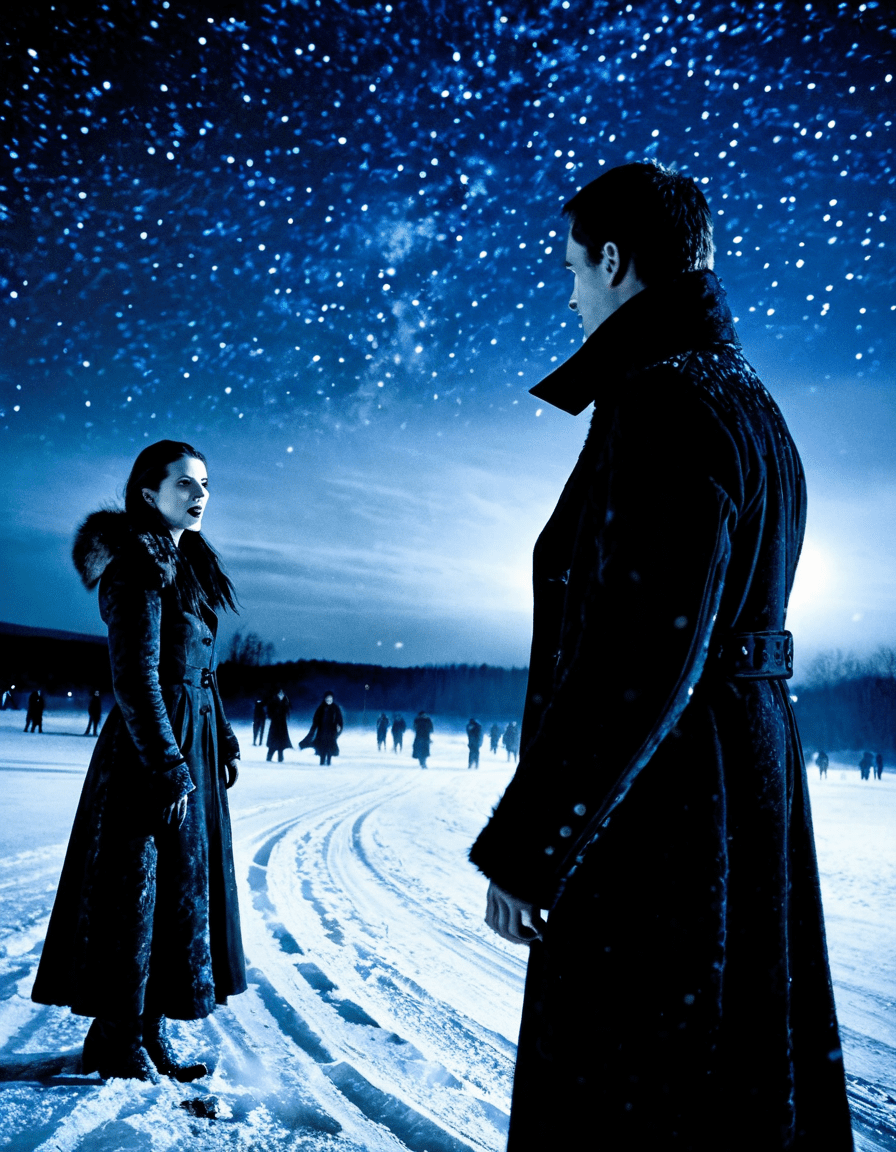
A Lasting Impact on Survival Horror
The enduring relevance of 30 Days of Night highlights its status as a landmark film, prompting thoughtful reflections on the human condition. It offers a poignant examination of survival—both physically and psychologically—making it a topic of continued interest as new generations discover its chilling narrative. The film resonates in a climate increasingly obsessed with survival tales, reminding audiences that connection and resilience illuminate the darkest times.
As we move deeper into 2026, 30 Days of Night persists as a vital piece of horror literature. Its exploration of vulnerability and human connection in the face of unimaginable terror continues to capture the imagination, inviting viewers to consider their own capacity for survival in chilling and unforeseen circumstances. With its timeless themes, the film remains a testament to the darker facets of our existence, demonstrating that even amidst the long nights of our lives, hope persists—if only we reach out to one another.
In conclusion, whether you’re catching up with the Sundance TV schedule or indulging in your favorite horror flicks, let 30 Days of Night remind you of both the fragility and strength woven into the fabric of our connections. And remember, like navigating a home coffee roaster or choosing the right hair color For dark hair, sometimes the most harrowing journeys lead us to the most profound discoveries.
You may even find inspiration among unexpected sources like Die Antwoord or discover an incredible narrative in the Tomb Raider series. The realm of storytelling is vast, and films like 30 Days of Night stand as a thrilling testament to our shared human experiences. So, let’s keep watching, discussing, and engaging with the magic of cinema, always ready to unearth the secrets gleaned from each chilling tale, just as the characters in Outlast remind us to face our fears head-on.
For the filmography buffs out there, exploring the works of actors like Salma Hayek and Barry Keoghan can offer a deeper appreciation for the incredible craft behind your favorite horror films. Their myriad performances provoke thought, not only in their respective stories but also in the haunting echoes of 30 Days of Night and its intricate dance of horror, survival, and humanity.
30 Days of Night: Fun Trivia and Interesting Facts
Unraveling the Chills of 30 Days of Night
Did you know the chilling premise of 30 Days of Night is inspired by the real-life phenomenon of extended darkness in certain Arctic regions? While the city of Barrow, Alaska—which serves as the film’s grim backdrop—experiences a complete absence of sunlight for 30 days each winter, this eerie idea is heightened by the vampire horror of the film. Speaking of unusual characters, there’s a quirky connection to the bizarre animated series Rick and Morty, where a certain character named mr Poopybutthole has notably captured audiences with his peculiar charm. Just like those characters, the vampires in 30 Days of Night stand out for their terrifyingly unique take on the traditional vampire lore.
Stellar Cast and Crew
The film’s standout performances come from an exceptional cast, including Josh Hartnett and Melissa George, both of whom brought astonishing depth to their characters. But interestingly enough, one of the film’s lesser-known connections is with acclaimed actor Barry Keoghan. His path in the industry became evident in various productions, which you can explore further in this handy Barry Keoghan Filmography. This film was not only a turning point for the actors involved but also showcased the talents of director David Slade, who adeptly balanced suspense and action to keep audiences on the edge of their seats.
Iconic Imagery and Cultural Impact
30 Days of Night stands as an iconic entry in the horror genre, intertwining stunning visuals with a gripping narrative. Did you know that the film’s icy setting amplifies the sense of isolation and dread? This chilling ambiance is complemented by the stark contrast between the vampires’ relentless hunger and the townsfolk’s desperate fight for survival. Just as the film keeps viewers guessing, Salma Hayek’s talent keeps shining through various roles she’s taken on, showcased in her impressive Salma Hayek Filmography. The haunting visuals, combined with innovative storytelling, firmly place 30 Days of Night in a category all its own, crafting a narrative that resonates with horror fans everywhere.