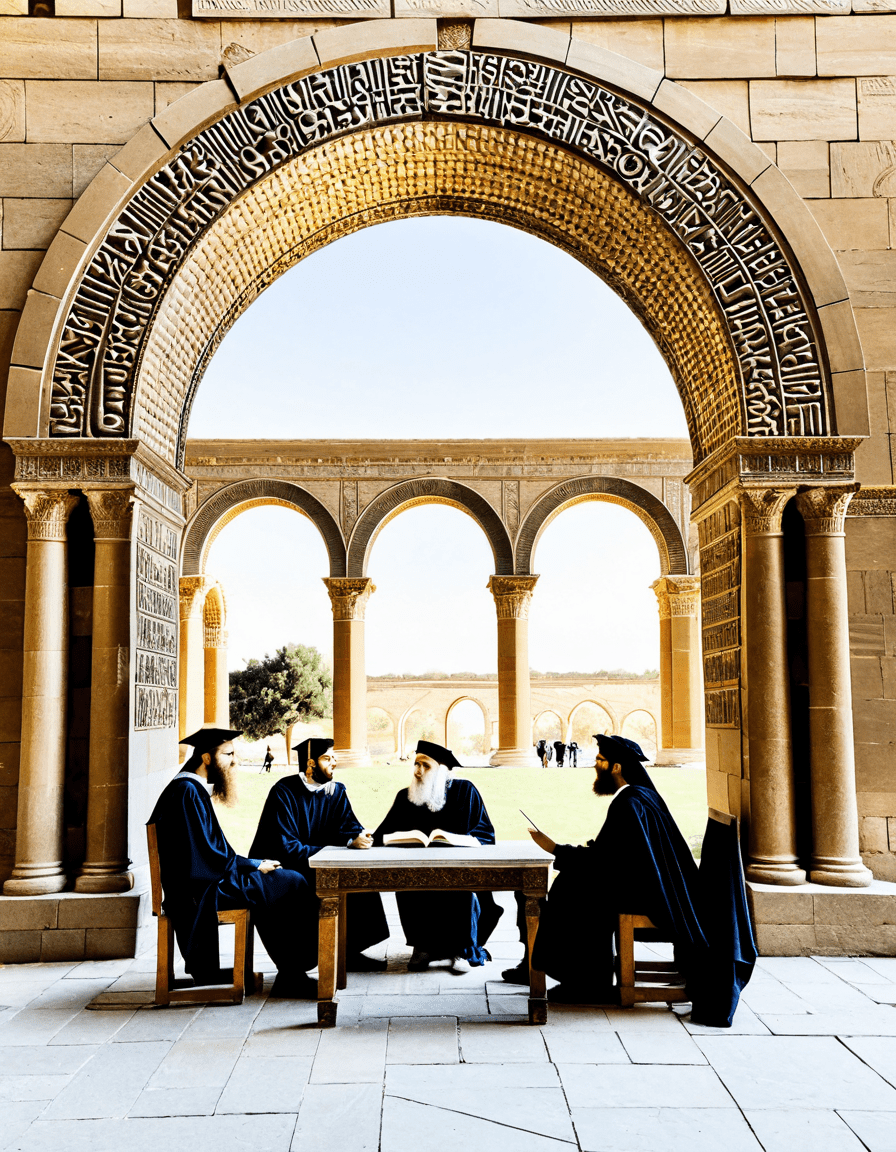
The story of Babylon is a thrilling saga that intertwines ancient empires with everlasting human resilience. This renowned city, often hailed as one of the cradles of civilization, transformed the landscape of culture, politics, and innovation in ways that continue to reverberate today. Not just an extraordinary metropolis of the past, Babylon is a symbol of humanity’s relentless pursuit of progress. So, let’s dive into the fascinating contributions of Babylon that have left an indelible mark on history.
7 Remarkable Contributions of Babylon That Shaped Civilization

1. The Code of Hammurabi: The Birth of Law
Babylon is particularly famous for the Code of Hammurabi, one of history’s pioneering written legal codes. Enshrined on a stone stele, it detailed a comprehensive system of rights and duties. The notion of “an eye for an eye” introduced a groundbreaking concept of legal reciprocity, setting a precedent that resonates strongly with our modern legal systems.
Key Takeaways:
2. Astronomical Advancements: The Birth of Science
Let’s face it—Babylonian astronomers were the real trailblazers of their time. They didn’t just observe celestial events; they meticulously recorded them. This dedication led to significant contributions in mathematics and laid the groundwork for our understanding of time, using a base-60 number system, hence why we have 60 seconds in a minute today. Their astronomical charts and predictions even tickled the imaginations of later Greek thinkers like Plato and Aristotle.
Key Takeaways:
3. Agricultural Innovations: The Fertile Crescent’s Garden
Nestled in the legendary Fertile Crescent, Babylon became a hub of agricultural brilliance. The Babylonians employed advanced irrigation techniques, such as canals and aqueducts, transforming the landscape into a productive Eden. This agricultural boom didn’t just feed the people; it helped economies flourish and sparked the rise of vibrant trading cities.
Key Takeaways:
4. The Rise of Urbanization: A Blueprint for Cities
Few places can boast the urban planning sophistication of Babylon. It was among the first significant urban centers, with intricate layouts that influenced city designs for ages. The famed Hanging Gardens, often debated but forever cherished, stand as a testament to Babylon’s artistic ingenuity and engineering prowess, symbolizing the harmony of art and architecture.
Key Takeaways:
5. Cultural Syncretism: The Melting Pot of Ideas
As a flourishing hub of trade, Babylon welcomed a diverse mix of cultures and ideas. This lively exchange didn’t just stop at commodities; it invigorated art, religion, and philosophy, resulting in rich cultural syncretism. By blending practices from various groups, Babylon became a crucible of unity amid diversity that shaped societal constructs to come.
Key Takeaways:
6. Religion and Mythology: The Epic of Gilgamesh
You can’t mention Babylon without diving into its captivating literature. The Epic of Gilgamesh stands out as one of humanity’s earliest masterpieces, delving into timeless themes of friendship, mortality, and the human experience. This rich narrative not only inspired countless authors across cultures but also laid the groundwork for future storytelling traditions.
Key Takeaways:
7. Economics and Trade Routes: The Nexus of Commerce
Babylon thrived as a commercial hotspot, creating complex trade routes that spanned the ancient Middle East. Their trade networks facilitated exchanges of textiles, grains, and more, creating economic interconnectivity that lasted well beyond Babylon’s decline. This model for commerce shares striking similarities with today’s global trade systems.
Key Takeaways:
Lasting Legacy of Babylon: Foundations in Modern Society
The significance of Babylon is not just confined to dusty history books; its contributions echo through time and remain incredibly relevant. The principles of law, urban planning, astronomical insights, and economic frameworks that began in Babylon still shape our lives today. From Mexico to Japan, the innovations of Babylon have informed everything from legal reforms inspired by Hammurabi’s code to the complex networks of trade that crisscross our globe.
Key Takeaways:

Reflecting on Babylon’s Influence in Today’s World
In an age where innovation is key, we’d do well to remember the lessons imparted by our ancient forerunners like Babylon. They show us the importance of collaboration, the beauty of diversity, and the power of shared knowledge. These achievements remind us that we’re standing atop a rich tapestry woven over centuries.
As we move into the future, let’s keep the spirit of Babylon alive—honoring our histories while striving for a society that embraces innovation and understanding. After all, just as Babylon transformed the world in its time, we too have the potential to shape a prosperous and inclusive future.
Babylon’s rich legacy not only speaks to the achievements of humanity but also serves as a clarion call to cultivate a world that values its shared history and looks forward with hope.
Babylon: The Ancient Wonder That Changed History Forever
A Peek into Babylon’s Marvels
Babylon, the capital of ancient Mesopotamia, was a thriving hub of culture and knowledge that influenced generations. Known for its Hanging Gardens—one of the Seven Wonders of the Ancient World—this incredible city left a lasting legacy. Interestingly, while many guides for visiting modern-day sites may include a detailed house inspection list, the wonders of Babylon were more about splendor than structure. It’s estimated that the Hanging Gardens were a feat of engineering so extraordinary that even now, historians debate whether they truly existed or were merely poetic tales.
As we dive deeper into the warring past of this influential city, it’s incredible to think about how its strategic location turned into a continuous Warzone, setting the stage for dynasties and dramatic shifts in power. Not just a pretty face, Babylon was a powerhouse where commerce flourished, making it a vital player in the ancient economy. Who wouldn’t want to be part of a city that was as busy trading exotic goods as our modern markets?
Babylon’s Cultural Impact
Babylon’s influence transcended time and borders, paving the way for many modern conceptions of law and governance. The Code of Hammurabi, one of the oldest deciphered writings of significant length, emerged here and continues to impact legal thought today. Speaking of historic figures, Agatha Christie, a master of mystery, crafted intricate plots that reflected the human condition, much like how Babylon’s laws were designed to reflect its society.
Furthermore, the city was also a haven for arts and literature, which flourished much like the way Cloris Leachmans comedic talent shone through different eras of film. Many prominent figures emerged from Babylon’s vibrant atmosphere, shaping stories that would echo through history. Just think how the tales of Babylon relate to contemporary storytelling, much like how the upcoming Deadpool 3 cast promises to deliver riveting entertainment to modern audiences.
From its famed structures to its deep-seated philosophies, Babylon wasn’t just a stop on ancient trade routes; it significantly shaped the civilizations that followed. The stories and innovations sprouting from this majestic city continue to resonate. So whether it’s through tales of adventurous heroes or even the architectural wonders like those at New Millerdam, the spirit of Babylon undeniably lives on, reminding us of the dynamic history that forged our world.